
Caregiver Burnout Symptoms Mistakes to Avoid Today


Medical Alert System
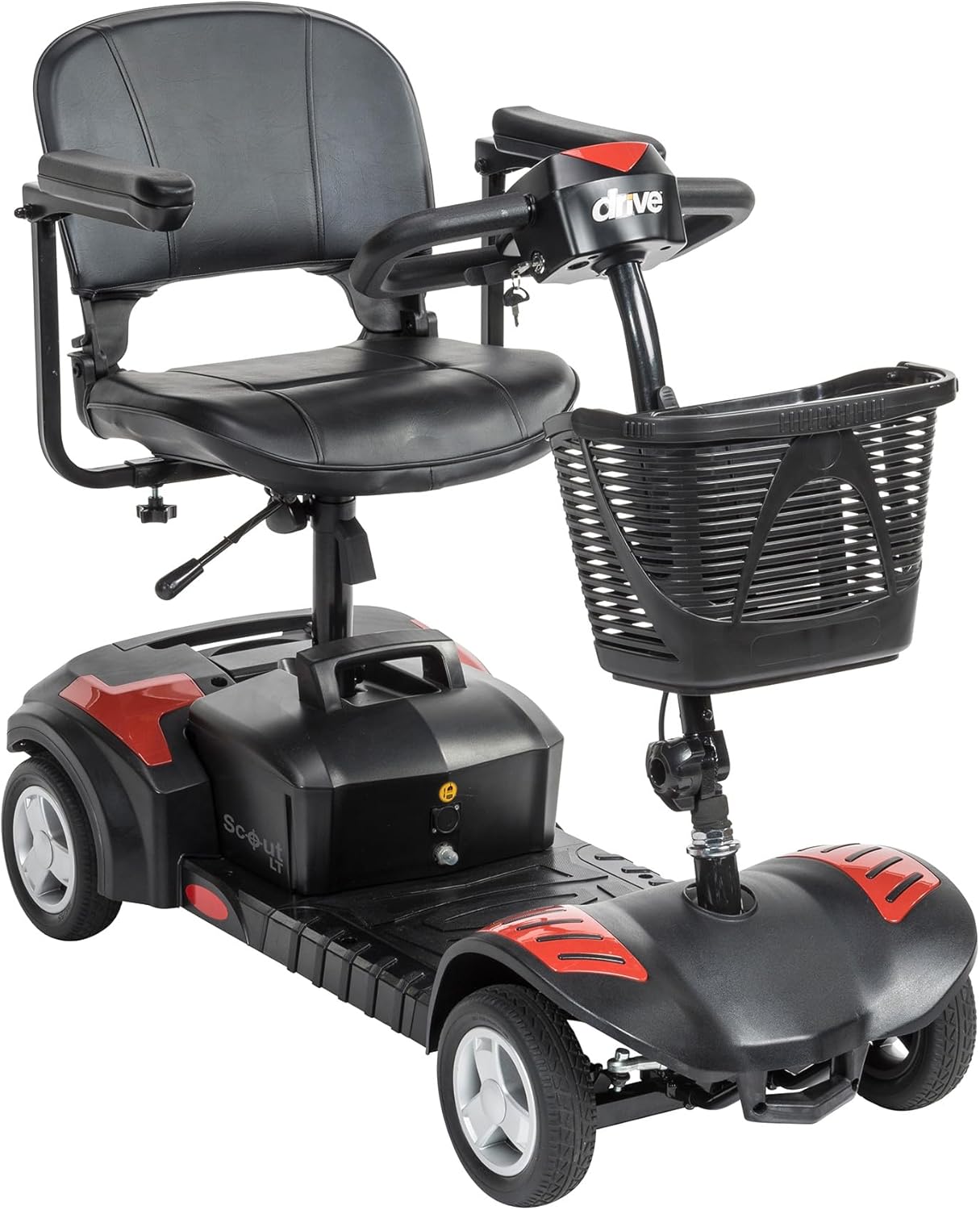
Electric Mobility Scooter

Memory Foam Seat Cushion
Caregiver burnout often starts with sleep problems, irritability, fatigue, and feeling overwhelmed, then grows into mistakes that can affect senior safety. The best way to avoid it is to ask for help early, share tasks, and protect your own health.
Caregiving can be deeply meaningful, but it can also wear a person down slowly. If you are noticing caregiver burnout symptoms, the biggest mistake is waiting too long to act, because small warning signs can quickly turn into stress, mistakes, and safety problems for both the caregiver and the senior.
- Spot early: Watch for fatigue, mood changes, and frequent mistakes.
- Avoid the trap: Do not wait until exhaustion becomes a crisis.
- Share the load: Delegate tasks and use respite support when possible.
- Protect safety: Missed care can quickly become a senior safety issue.
- Get help: Talk to your doctor if stress affects health or daily function.
Understanding Caregiver Burnout Symptoms in 2026: What Families Are Missing
Caregiver burnout is more than feeling tired after a long day. It is a state of ongoing physical, emotional, and mental strain that builds when caregiving demands keep rising and recovery time keeps shrinking.
In 2026, many families are still missing the early signs because they assume stress is “just part of the job.” That mindset can be risky. Burnout often shows up quietly first, then affects patience, attention, memory, and judgment.
For older adults who are caring for a spouse, sibling, or parent, the pressure can be even heavier. Health changes, mobility limits, and medication routines can make the work constant. If you also have your own health concerns, talk to your doctor about how stress may be affecting sleep, blood pressure, mood, or pain.
Try to notice stress patterns, not just bad days. If the same problems keep repeating for two weeks or more, it is time to make a change.
Early Warning Signs vs. Severe Red Flags: How to Recognize Burnout Fast
Burnout usually starts with small changes that are easy to dismiss. The challenge is that caregivers often adapt to the stress so gradually that they do not realize how depleted they have become.
A useful way to think about burnout is this: early warning signs mean you need support soon, while severe red flags mean you may need immediate help. The earlier you respond, the easier it is to protect both your health and your loved one’s safety.
Physical symptoms caregivers often ignore
Physical symptoms are often the first clues. These can include poor sleep, headaches, stomach upset, body aches, fatigue that does not improve with rest, or getting sick more often than usual.
Some caregivers also notice changes in appetite, weight, or energy. Others feel tense all the time, clench their jaw, or have trouble relaxing even when they finally sit down. If these symptoms are new or worsening, consult your healthcare provider.
- Are you sleeping less or waking up exhausted?
- Are you skipping meals or relying on snacks?
- Do you feel physically tense most of the day?
- Have you delayed your own medical care?
Emotional and behavioral changes that affect daily care
Burnout also changes how a caregiver thinks and reacts. You may feel more irritable, numb, tearful, anxious, or hopeless. You may lose patience faster than before or find yourself withdrawing from family and friends.
Behavioral signs can include missing appointments, forgetting tasks, procrastinating on paperwork, or making more mistakes. A caregiver may also become overly controlling because it feels easier than asking for help.
Burnout often looks like “being short-tempered” on the outside, but inside it may be a sign that the caregiver has been running without enough rest or support.
When burnout starts impacting safety for seniors
This is the point where burnout becomes a safety issue. Missed medications, forgotten meals, poor hygiene support, unsafe transfers, or leaving a senior alone too long can all happen when a caregiver is overwhelmed.
If you are starting to feel too drained to supervise safely, that is not a personal failure. It is a signal that the care plan is no longer realistic. In some situations, family may need to consider paid help, respite care, or a different living arrangement.
If a senior is missing medications, falling more often, wandering, or not eating because the caregiver is overwhelmed, treat it as a safety concern, not just stress.
Common Caregiver Burnout Mistakes to Avoid Today
Many caregivers do not fail because they do not care enough. They struggle because they keep making the same avoidable mistakes under pressure. Knowing these patterns can help you interrupt them early.
Waiting until exhaustion becomes a crisis
One of the biggest mistakes is waiting until you are completely worn out before asking for help. By then, your energy, patience, and focus may already be too low to manage care well.
A better approach is to act when stress is still manageable. If you are noticing repeated frustration, poor sleep, or constant dread, start adjusting the plan now instead of later.
Trying to “push through” without asking for help
Many caregivers believe they should be able to handle everything alone. That belief can be especially strong in families that value independence or privacy.
But “pushing through” often makes burnout worse. Even a small amount of help from relatives, neighbors, faith groups, or community services can create breathing room. If you are unsure what support is safe or appropriate, ask a doctor, social worker, or local aging service for guidance.
Taking on every task alone instead of delegating
Another common mistake is assuming that if you do not do it yourself, it will not be done right. That may feel efficient in the short term, but it often leads to overload.
Delegation can include grocery pickups, transportation, lawn care, paperwork, meal prep, or sitting with your loved one for an hour. The goal is not perfection. The goal is to keep care stable and prevent collapse.
Ignoring sleep, meals, and personal health appointments
Caregivers often sacrifice their own routines first. Skipping meals, delaying checkups, and losing sleep may seem necessary at the time, but those choices usually make burnout worse.
Your body needs basic maintenance, just like the person you care for. If you have diabetes, heart disease, high blood pressure, or another ongoing condition, keeping your own appointments matters even more. Talk to your doctor if stress is making it hard to follow your care plan.
Practical Examples of Burnout in Real Elderly Care Situations
Burnout can look different depending on the care setting, family structure, and health needs involved. Real-life examples often make the warning signs easier to recognize.
Managing medication schedules while working full-time
A caregiver who works full-time may start by feeling “a little scattered.” Then the missed reminders pile up, refills get delayed, and medication timing becomes inconsistent.
This kind of pressure can lead to guilt and constant worry. A better system might include phone alarms, a pill organizer, pharmacy refill reminders, or help from another family member. For medication questions, consult your pharmacist or healthcare provider.
Balancing dementia care, mobility support, and family conflict
Dementia care can be emotionally draining because the needs change often. Add mobility help, nighttime waking, and family disagreements, and the caregiver may feel trapped from every direction.
In these situations, burnout may show up as emotional numbness, anger, or avoiding the person altogether. That does not mean the caregiver is uncaring. It means the care load may be too heavy for one person.
What burnout can look like in home care vs. assisted living support
At home, burnout may appear as missed chores, unsafe clutter, or a caregiver who is always “on duty.” In assisted living support, burnout may happen when family members feel pressured to manage every detail, visit constantly, or act as the only advocate.
In either setting, the same lesson applies: family involvement still matters, but it should not replace a workable support system. If you are comparing care options, internal planning matters just as much as location or amenities. For example, families often research places like a senior caregiver daily checklist template to reduce confusion and share tasks more evenly.
What Caregivers Should Do Instead: Prevention and Relief Strategies That Work
The best burnout prevention plan is practical, not perfect. It should fit real life, include backup help, and leave room for your own health needs.
Building a realistic care schedule and backup plan
Start by writing down the regular tasks, then separate them into daily, weekly, and occasional jobs. This makes it easier to see what truly needs your attention and what can be shared.
Write down medication, meals, hygiene, mobility help, and appointments first.
Choose who can step in for errands, rides, or short care breaks.
A backup plan should also cover emergencies, illness, and days when you are simply too tired to continue safely. If your current plan depends on you being available every day without fail, it is not a safe plan.
Using respite care, adult day programs, and community support
Respite care gives caregivers a short break. Adult day programs can provide supervision and activities for seniors during the day. Community organizations may also offer meals, transportation, or friendly check-ins.
The right option depends on the senior’s needs, local availability, and budget. Coverage can vary by Medicare plan, Medicaid rules, long-term care insurance, and location, so it is wise to ask about costs before you commit.
Setting boundaries without guilt
Boundaries are not selfish. They are a way to keep care sustainable. That may mean saying no to extra tasks, limiting late-night calls, or asking relatives to take specific responsibilities.
It can help to use clear language: “I can do this on Tuesdays, but I need help on Fridays,” or “I cannot manage every appointment alone anymore.” Simple, direct boundaries often work better than long explanations.
Tracking stress levels before they become burnout
Try rating your stress each day on a simple 1-to-5 scale. If the number keeps rising, or if you notice more mistakes, less patience, or more physical symptoms, it is time to adjust the workload.
Stress tracking is not about judging yourself. It is about spotting a pattern early enough to prevent a crisis.
Cost, Time, and Support Options: Comparing the Real-World Tradeoffs
Caregiving decisions are often shaped by money, time, and what support is actually available. Families usually want the least expensive option, but the cheapest choice today is not always the safest choice long term.
Family caregiving vs. paid respite care
Family caregiving may seem less expensive, but it can carry hidden costs: missed work, lost sleep, health decline, and emotional strain. Paid respite care costs money, but it may protect the caregiver’s health and reduce mistakes.
| Option | Best For | Note |
|---|---|---|
| Family caregiving | Short-term, lower-cost support | Can become overwhelming without backup |
| Paid respite care | Regular breaks and safer coverage | Costs vary by area and service |
Short-term help now vs. expensive burnout recovery later
Small support investments now may prevent larger problems later. Burnout recovery can involve doctor visits, counseling, time off work, and sometimes a crisis change in care arrangements.
That is why many families decide to spend a little on help before things break down. If you are unsure what is affordable, ask about sliding-scale services, local nonprofit programs, or insurance-related benefits that may apply in your area.
Affordable resources seniors and caregivers can use in 2026
Affordable help may include local aging agencies, faith-based volunteer groups, senior centers, transportation services, meal delivery, and caregiver support groups. Some communities also offer short-term relief through adult day services or home care referrals.
For families comparing senior living options, it can help to look at support levels and daily routines, not just the building itself. Articles such as River’s Edge senior living in Sacramento or Elk River senior living cost can be useful starting points when you are weighing care needs against budget.
When to Seek Expert Help: Warning Signs That Need Immediate Attention
Sometimes caregiver burnout crosses into a health or safety problem that should not be handled alone. If you are unsure, it is better to ask for help early than wait for a crisis.
When caregiver stress becomes depression or anxiety
If you feel sad, hopeless, panicked, numb, or unable to function most days, you may be dealing with depression or anxiety rather than ordinary stress. Loss of interest, constant worry, or feeling trapped are important warning signs.
Talk to your doctor if these feelings last, interfere with sleep, or make daily life harder. A healthcare provider can help you sort out what is stress, what may be a mental health issue, and what support makes sense.
When senior safety is at risk due to missed care
If the senior is missing medications, falling, becoming dehydrated, wandering, or going without meals or hygiene support, you need to act quickly. These are not minor scheduling problems.
Safety concerns may mean the current care plan is no longer enough. In some cases, the family may need a social worker, home care assessment, or a higher level of supervision.
If burnout is affecting your sleep, mood, blood pressure, or ability to care safely, speak with your doctor or healthcare provider soon.
When to contact a doctor, social worker, or elder care professional
Contact a doctor if you have physical symptoms that are not improving, or if stress is worsening an existing condition. Contact a social worker or elder care professional if you need help arranging services, understanding care options, or solving family conflicts around caregiving.
Professional guidance is especially important when the senior has dementia, mobility limits, complex medications, or repeated falls. Different health conditions, insurance plans, and local services can change what support is available, so a personalized conversation is often the most useful next step.
Final Recap: The Smartest Way to Avoid Caregiver Burnout Today
The smartest way to avoid caregiver burnout is to act early, not after a breakdown. Watch for physical tiredness, emotional strain, and safety mistakes, then adjust the care plan before the pressure becomes unmanageable.
Remember the common mistakes to avoid: waiting too long, trying to do everything alone, ignoring your own health, and treating burnout like a private problem instead of a real care issue. With realistic scheduling, shared responsibility, and the right support, caregiving can become safer and more sustainable for everyone involved.
If you need more structure, start with one small change today. Even one extra hour of help each week can make a meaningful difference.
Frequently Asked Questions
The first signs often include poor sleep, irritability, constant fatigue, and feeling overwhelmed by routine tasks. Some caregivers also notice more headaches, stomach upset, or trouble concentrating.
If stress is lasting for weeks and affecting your mood, health, or ability to care safely, it may be burnout. Missing appointments, making more mistakes, or feeling emotionally numb are common warning signs.
Common mistakes include waiting too long to ask for help, trying to do everything alone, and ignoring sleep, meals, and medical care. These habits usually increase stress instead of reducing it.
Yes. Burnout can lead to missed medications, skipped meals, poor supervision, and unsafe transfers. If safety is slipping, the care plan needs immediate attention.
A realistic schedule, backup help, respite care, and clear boundaries can all reduce pressure. It also helps to track stress early and ask for support before you feel completely exhausted.
Talk to your doctor if stress is affecting sleep, mood, blood pressure, or any ongoing health condition. Seek help sooner if burnout is causing depression, anxiety, or safety problems in care.