
10 Caregiver Break Ideas at Home for Quick Relief

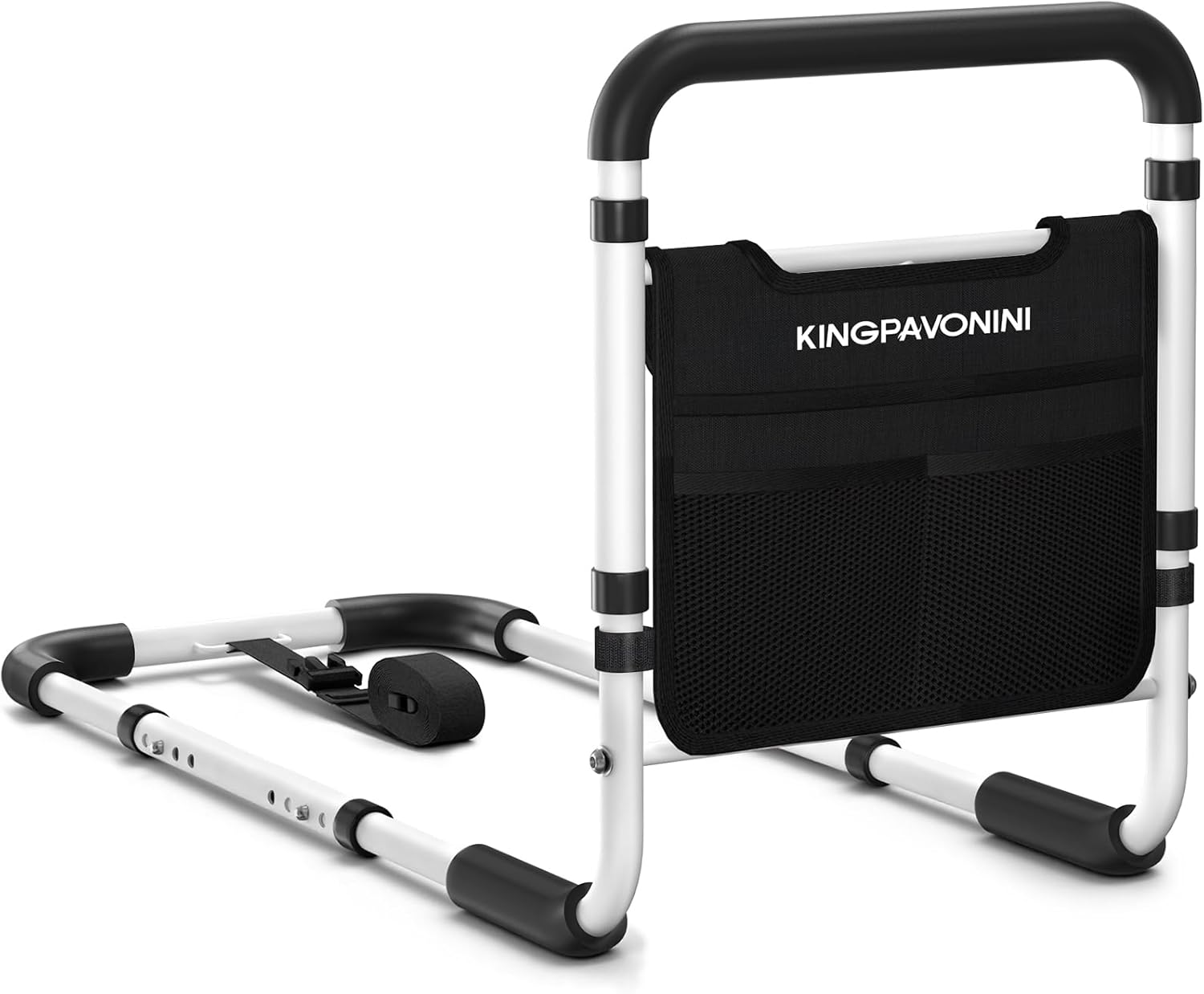
Bed Rail for Seniors

Gardening Kneeler Bench

Smart Doorbell Camera
Caregiver break ideas at home work best when they are short, safe, and easy to repeat. A real break can be as simple as breathing, resting, stretching, or sitting quietly without multitasking.
Caregiving can be deeply meaningful, but it can also be tiring in a way that builds slowly. If you are looking for caregiver break ideas at home, the goal is not a perfect self-care routine; it is a real pause that helps you breathe, reset, and keep going safely.
A short break at home can lower stress, improve patience, and help you make better decisions throughout the day. For many caregivers, even 10 minutes of true rest can make the next hour feel more manageable.
- Keep it short: Even 10 minutes can help you reset.
- Protect the pause: Use a timer and avoid chores.
- Match your energy: Choose rest, movement, or quiet connection as needed.
- Plan for safety: Prepare the person you care for before stepping away.
- Ask for help early: More support may be needed if burnout is growing.
Why Caregiver Breaks at Home Matter in 2026
In 2026, many caregivers are balancing more than one role at once. You may be helping with meals, medications, transportation, household tasks, and emotional support, often with very little downtime.
That constant responsibility can wear down your energy and focus. A break at home gives your mind and body a chance to recover without the extra effort of getting ready to leave the house.
Understanding caregiver burnout, stress, and decision fatigue
Caregiver burnout is a state of deep exhaustion that can build when stress goes on for too long. Decision fatigue happens when you have made so many choices all day that even small decisions feel hard.
These are not signs of weakness. They are common responses to long-term pressure, especially if you are caring for someone with changing needs or memory problems.
If caregiving stress is affecting your sleep, appetite, mood, or safety, do not wait too long to get help. Talk to your doctor or healthcare provider if you feel overwhelmed, hopeless, or physically unwell.
What readers want from “caregiver break ideas at home”
Most people searching for caregiver break ideas at home want something simple, realistic, and fast. They usually need ideas that fit into a busy day without adding more work.
The best break ideas are easy to start, low-cost, and flexible. They should help you feel more rested, not more guilty.
How to Take a Real Break Without Leaving Home
A real break is not the same as standing in the kitchen while thinking about the next task. It means stepping away mentally, even if you stay in the same house.
To make that happen, it helps to plan the break the same way you plan meals or medications: with a time, a purpose, and a backup plan.
Setting a safe, short break window around the care routine
Choose a short window that fits your care routine. Ten to 20 minutes is often enough to begin with, especially if your schedule is already full.
Try to pick a time when the person you care for is comfortable, settled, or occupied with a safe activity. That makes the break feel more secure for both of you.
Using timers, check-ins, and backup supervision
A timer can protect your break from stretching into more chores. Set it before you sit down so you do not keep checking the clock.
If the person you care for needs supervision, arrange a check-in with another adult when possible. If you live alone with the person, use safe activities and nearby supervision options that match their needs.
What counts as “safe” depends on the person’s health, mobility, memory, and behavior. If you are unsure, consult your healthcare provider or another qualified professional for guidance.
Common mistake: staying “half on duty” the whole time
One of the biggest problems with home breaks is staying mentally on call the entire time. If you are still folding laundry, answering every request, and watching the door, your body may be present, but your mind is not resting.
That is why a break should have one clear boundary. Even a small boundary is better than no break at all.
10 Quick Caregiver Break Ideas at Home That Actually Work
Not every break needs to be fancy. The best caregiver break ideas at home are often the simplest ones, especially when you are tired and short on time.
Below are 10 practical options you can use today, depending on your energy level and what feels calming to you.
1. Sit outside or by a window for a reset
Fresh air, sunlight, or even a quiet view can help your nervous system settle. If you cannot go outside, sit by a window and focus on what you can see, hear, or smell.
This kind of break works well when you are too tired for an activity but still need a change of scene.
2. Take a 10-minute guided breathing or meditation break
Guided breathing can help slow racing thoughts. You do not need a long session; a few minutes of calm breathing may be enough to lower tension.
If you have trouble sitting still, try a short audio guide or simply breathe in and out slowly while counting to four.
3. Do a power nap or rest with an alarm
A short nap can help if you are truly drained. Set an alarm so your rest does not turn into a longer sleep that leaves you groggy.
If naps make you feel worse, try lying down with your eyes closed instead. Rest still helps, even when sleep does not come.
4. Listen to music, podcasts, or audiobooks
Listening to something pleasant can give your mind a break from caregiving thoughts. Choose music that feels soothing or a podcast that is light and easy to follow.
This is a good option if you want to rest while staying in one place. It can also be done while sitting, reclining, or doing a simple hand activity.
5. Stretch, walk the hallway, or do chair yoga
Gentle movement can ease stiffness from standing, lifting, or sitting too long. A few shoulder rolls, ankle circles, or a slow hallway walk may help more than you expect.
Chair yoga can be a useful choice if your balance is limited. If you have pain, dizziness, or joint problems, talk to your doctor before starting new movements.
6. Enjoy a shower, skincare routine, or quiet grooming time
Warm water and a simple grooming routine can feel like a reset. A shower, face wash, lotion, or hair care routine may help you feel more human again.
Keep it unhurried if possible. This is not about looking perfect; it is about giving yourself a few minutes of care.
7. Make tea, coffee, or a snack without multitasking
Preparing a drink or snack can become a break if you do it slowly and without doing five other things at once. Sit down and actually taste what you made.
For some caregivers, this small pause is enough to break the feeling of being rushed all day.
8. Journal, pray, or do a quick gratitude reset
Writing a few lines in a notebook can help clear mental clutter. If you pray or reflect quietly, that can also create a sense of steadiness.
Try listing one hard thing, one good thing, and one thing you need next. Simple reflection is often easier to keep up than a long routine.
9. Watch a short show or calming video
A short, light program can give your mind a clean break from caregiving tasks. Choose something calming rather than something stressful or upsetting.
Keep the screen time short so it refreshes you instead of pulling you into another long obligation.
10. Call a friend or text a support person
Sometimes the best break is not silence but connection. A quick call or text can remind you that you are not carrying everything alone.
Choose someone who listens well and does not add pressure. If you need more structured support, consider asking about a local caregiver group or community resource.
Best Home Break Ideas by Time, Energy, and Budget
The best break depends on what you have available right now. Some days you may have only five minutes and very little energy; other days you may be able to recharge more fully.
It can help to think in terms of cost, effort, and how much rest you actually need.
Free options for exhausted caregivers
If you are worn out and do not want to spend money, start with sitting quietly, breathing, stretching, journaling, or resting with your eyes closed. These options are simple and easy to repeat.
Free breaks are often the most realistic on hard days because they do not require planning or extra supplies.
Low-cost comfort ideas under $10
Low-cost ideas may include tea, a comforting snack, a simple notebook, a calming playlist, or a small item that makes your break feel special. The point is not the purchase itself, but the feeling of pause it creates.
If you are watching your budget, keep in mind that some caregiver supports may be covered differently by Medicare, Medicaid, or private insurance depending on your plan and situation. Coverage varies, so check with your plan or healthcare provider before assuming a service is included.
Comparison: passive rest vs. active recharge breaks
| Option | Best For | Note |
|---|---|---|
| Passive rest | Severe fatigue, stress, or headache | Examples include sitting quietly, breathing, or napping |
| Active recharge | Restlessness, stiffness, or mental fog | Examples include stretching, walking, or light grooming |
Both kinds of breaks matter. Some days your body needs stillness, while other days a little movement helps more than lying down.
How to Make the Break Work for the Person You Care For
A good caregiver break should support both you and the person you help. A little preparation can reduce interruptions and make the break feel smoother.
Think ahead about comfort, safety, and whether the person can manage for a short time without extra stress.
Preparing snacks, entertainment, and comfort before stepping away
Before your break starts, set out water, a snack, reading material, a TV remote, or another safe activity. This can reduce the chance that you will be called back for small requests.
If the person gets anxious when you leave the room, a familiar chair, blanket, or routine may help them feel settled.
- Fewer interruptions during your break
- More comfort for the person you care for
- Less stress for both of you
Using safe activities to reduce interruptions
Choose activities that match the person’s abilities. Simple puzzles, music, folding towels, coloring, or a favorite show may help keep them occupied safely.
If the person has dementia, mobility limits, or a fall risk, consult your healthcare provider or another professional about what is appropriate at home.
When to ask another family member or neighbor for backup
If you cannot relax because you are worried about safety, that is a sign you may need backup. A family member, neighbor, or trusted friend may be able to stay for a short period.
Even one extra pair of hands can make a big difference, especially for medication timing, bathroom support, or fall prevention.
Common Mistakes That Turn a Break Into More Stress
Sometimes caregivers try to take a break, but the break becomes another task list. That usually happens when the break is not protected well enough.
Knowing the common mistakes can help you avoid them and get more real relief.
Choosing chores instead of rest
It is tempting to use “break time” to catch up on laundry, dishes, or messages. But chores do not restore your energy the way rest does.
If you must do a task, keep it small and time-limited. Otherwise, the break may disappear before you feel any benefit.
Checking the person every few minutes
Checking too often can keep your body in alert mode. If the person is safe, give yourself permission to step away without constant monitoring.
Use a timer or agreed check-in plan so you are not mentally returning to the room every few minutes.
Waiting until total exhaustion before taking time off
Many caregivers wait until they are completely drained before they rest. By then, even small breaks may not feel like enough.
Short, regular pauses are usually more helpful than one long recovery day after you are already worn out.
Ignoring guilt and emotional overload
Guilt can make you feel like you should always be doing more. But rest is not selfish; it is part of staying able to care.
If guilt is strong or persistent, talk with a counselor, faith leader, support group, or healthcare provider. Emotional strain deserves attention too.
When to Seek Help or Add Respite Support
Home breaks are helpful, but they are not always enough. Sometimes the best next step is to bring in more support before things become unsafe.
That can protect both your health and the well-being of the person you care for.
Warning signs of burnout that should not be ignored
Burnout may show up as constant fatigue, irritability, forgetfulness, sleep problems, sadness, or feeling numb. You may also notice more headaches, stomach trouble, or a short temper.
If these signs are getting worse, do not brush them off as “just part of caregiving.” They are worth taking seriously.
If you have chest pain, panic symptoms, major sleep loss, depression, or feel unable to keep up with daily life, talk to your doctor or healthcare provider as soon as possible.
When home breaks are not enough anymore
If you cannot get even a short break without stress, interruptions, or safety worries, it may be time to look at outside help. That may include family support, adult day services, respite care, or home care assistance.
The right choice depends on the person’s needs, your location, and your insurance or budget. Ask questions early so you understand what is available.
Professional help, respite care, and safety considerations
Professional respite care can give you a longer, more dependable break, especially if the person you care for needs close supervision. This may be especially important after surgery, during memory changes, or when mobility is limited.
Before arranging care, review medications, allergies, fall risks, and emergency contacts. If you are unsure what level of support is needed, consult your healthcare provider.
Final Recap: The Best Caregiver Break Ideas at Home for Quick Relief
The most helpful caregiver break ideas at home are the ones you can actually repeat. A short pause by a window, a breathing exercise, a nap, music, stretching, or a quiet drink can all help you reset.
The goal is not to do everything. The goal is to build small breaks into your day before stress becomes too heavy.
Simple takeaways for building a repeatable self-care routine
Start with one break that feels realistic. Protect it with a timer, prepare the person you care for, and avoid turning the time into chores.
Over time, these small pauses can become part of a steadier routine that supports both your health and your caregiving role.
Encouragement to start with one break idea today
You do not need a perfect plan to begin. Pick one idea, try it today, and notice how your body and mind respond.
If you need more support, reach out sooner rather than later. Caregiving is important work, and you deserve relief too.
Frequently Asked Questions
Start with 10 to 20 minutes if that is realistic. The best length is the one you can take safely and repeat often.
A quiet rest, short nap with an alarm, or sitting by a window are often the easiest options. Choose the least demanding break when your energy is very low.
Use a safe activity for the person you care for, set a timer, and keep the break short. If you still cannot rest, ask a family member, neighbor, or professional for backup.
They can help, but not always by themselves. If stress, sleep problems, or sadness keep building, you may need more support or respite care.
Avoid using the time for chores, constant checking, or multitasking. A real break should help you rest, not add more pressure.
Talk to your doctor if stress affects your sleep, mood, appetite, or daily functioning. Get help sooner if you feel hopeless, panicky, or physically unwell.