
Best Skis for Seniors 2026: Top Picks


Motion Sensor Night Lights
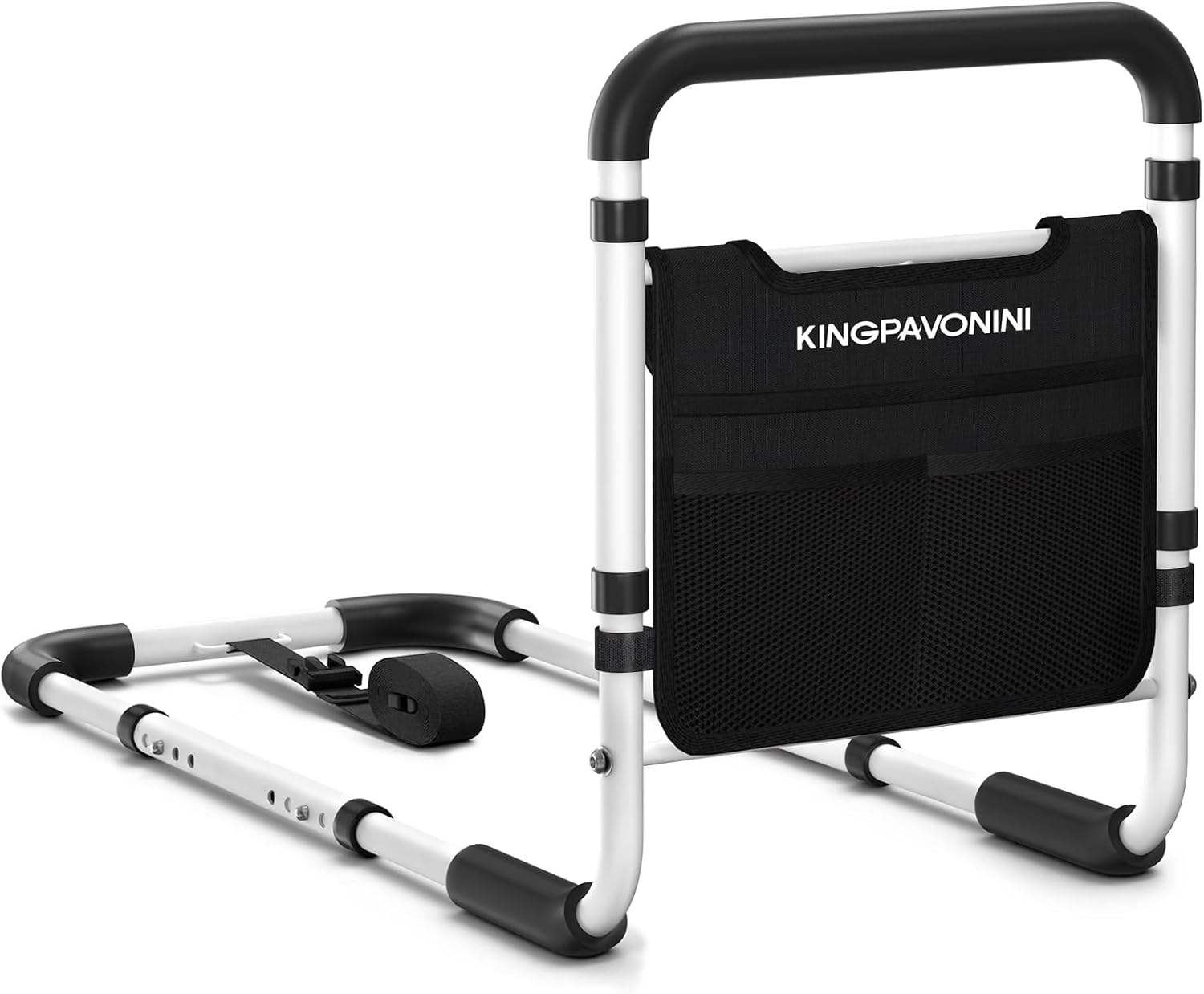
Bed Rail for Seniors

Cane with LED Light
Finding the best skis for seniors in 2026 is about prioritizing comfort, control, and ease of use. Look for lighter, more forgiving skis with shorter lengths and narrower waists for easier turns and less fatigue.
Key Takeaways
- Choose lighter skis for less fatigue.
- Opt for shorter lengths for better maneuverability.
- Narrower waists offer quicker edge-to-edge transitions.
- All-mountain skis provide versatility on varied terrain.
- Consider rocker profiles for easier turn initiation.
- Demo skis before buying to ensure comfort and performance.
Introduction

As we embrace our golden years, staying active and enjoying winter sports like skiing can be incredibly rewarding. But if you’re a senior skier, or thinking about getting back on the slopes, you might be wondering: what are the best skis for seniors in 2026? The ski industry has made fantastic strides, offering models designed specifically for experienced or less aggressive skiers who value control and comfort over speed and aggressive carving. It can feel overwhelming with so many options, but don’t worry! This guide will break down exactly what to look for and highlight some top picks to help you glide down the mountain with confidence and enjoyment.
Understanding Senior Ski Needs
When choosing skis as a senior, the focus shifts from aggressive performance to a more enjoyable and comfortable experience. This often means looking for skis that are:
- Lighter: Less weight means less strain on your body, especially during longer ski days.
- More Forgiving: Skis that don’t demand perfect technique allow for more relaxed skiing and quicker recovery from minor mistakes.
- Easier to Turn: A shorter turning radius and a more flexible construction make initiating and completing turns much smoother.
- Stable at Moderate Speeds: Senior skiers often prefer to cruise rather than race, so stability at cruising speeds is key.
It’s also important to consider your personal skiing style and the conditions you typically encounter. Are you an advanced skier who still enjoys a challenge, or are you looking for something more relaxed for gentle groomers? Your physical condition and any past injuries should also play a role in your decision.
What Makes Skis “Senior-Friendly”?

The term “senior-friendly” in skiing doesn’t mean skis are limited to beginners. Instead, it refers to designs that cater to the physical realities and preferences of older skiers. Here’s a breakdown of key features:
Ski Construction and Materials
The materials used in a ski’s construction significantly impact its weight, flex, and performance. For seniors, lighter materials are often preferred.
- Wood Cores: Many skis feature wood cores, which offer a good balance of strength, energy, and forgiveness. Lighter woods like poplar or paulownia are ideal for reducing overall ski weight.
- Composite Materials: Some skis incorporate composite materials instead of or alongside wood. These can be lighter but may sometimes feel less responsive or damp than wood.
- Titanal/Metal Layers: Skis with full sheets of metal (like Titanal) offer maximum stability and dampness but also add significant weight and stiffness. For seniors, skis with minimal or no metal are often a better choice, unless you are an advanced skier who still demands high-performance stability.
Ski Shape: Waist Width and Sidecut
These aspects of a ski’s shape dictate how it interacts with the snow and how easily it turns.
- Waist Width: This is the measurement of the ski underfoot.
- Narrower Waists (under 85mm): These skis are quick edge-to-edge, making them excellent for carving on groomers. They require less effort to initiate a turn.
- Mid-Waists (85mm – 95mm): These are often categorized as all-mountain skis and offer a good blend of on-piste performance and off-piste capability. They are still relatively easy to maneuver.
- Wider Waists (over 95mm): These are generally for powder or off-piste skiing and can feel floatier but require more effort to get on edge.
- Sidecut: This refers to the inward curve along the edge of the ski, from tip to tail. A deeper sidecut (more curved) creates a smaller turning radius, making the ski easier to turn. Skis designed for seniors often have a moderate sidecut for predictable, manageable turns.
Ski Length and Turning Radius
Choosing the right length and understanding the turning radius are crucial for ease of use and control.
- Ski Length: Generally, shorter skis are easier to maneuver and control. A good rule of thumb for seniors looking for ease might be a ski that comes up to between their chin and nose when stood on end. This is a more conservative approach than for aggressive skiers. Shorter skis are lighter and require less force to initiate turns.
- Turning Radius: This is the radius of the circle the ski will naturally carve if allowed to. Measured in meters, a smaller turning radius (e.g., 13-16 meters for a mid-length ski) means the ski wants to make quicker, shorter turns, which is ideal for easier navigation on the slopes.
Rocker and Camber Profiles
The way a ski bends underfoot and its tip and tail shape play a big role in its on-snow feel.
- Camber: Traditional camber has the ski arching upwards in the middle, with the contact points on the snow towards the tip and tail. Camber provides excellent edge grip and energy but can feel less forgiving.
- Rocker (Reverse Camber): Rocker means the tip and tail lift off the snow earlier than with camber.
- Tip Rocker: Makes turn initiation easier and helps the ski float in softer snow.
- Tail Rocker: Allows for easier turn release and a more playful feel.
- Hybrid Profiles: Many modern skis feature a combination of camber underfoot for stability and edge hold, with tip and/or tail rocker for ease of use. A ski with significant tip rocker and moderate camber underfoot is often ideal for seniors, offering a forgiving feel and easy turn initiation.
Top Ski Categories for Seniors
Given the needs of senior skiers, certain types of skis tend to be the most suitable. These categories emphasize maneuverability, forgiveness, and all-around performance.
All-Mountain Skis
These are often the sweet spot for senior skiers. They are designed to perform well in a variety of snow conditions and terrain, from groomed runs to light powder and crud. Their versatility means you don’t need a separate ski for every condition.
- Best For: Skiers who want one ski that can handle most mountain conditions they might encounter.
- Key Features: Typically have waist widths between 85mm and 95mm, a blend of camber and rocker, and a moderate turning radius. They strike a good balance between on-piste agility and off-piste capability.
- Why Seniors Love Them: They are forgiving enough for relaxed cruising but capable enough to handle varied snow. The moderate width makes them agile on groomed runs without being too difficult to manage.
Frontside Skis (Piste Skis)
If your skiing is primarily on groomed slopes and you enjoy making clean, carved turns, frontside skis are an excellent choice. They are built for precision and responsiveness on hardpack.
- Best For: Skiers who spend most of their time on groomed trails and prioritize quick, solid edge hold.
- Key Features: Usually have narrower waists (70mm – 85mm) for quick edge-to-edge transitions, a more pronounced sidecut for carving, and often a more traditional camber profile or a subtle tip rocker.
- Why Seniors Love Them: Their agility and excellent edge grip make skiing groomed runs feel effortless and secure. They require less physical effort to make turns compared to wider skis.
Resort/Recreational Skis
This category often overlaps heavily with all-mountain and frontside skis but emphasizes ease of use above all else. These skis are designed to be forgiving, stable, and fun for the average recreational skier.
- Best For: Beginners to intermediate skiers, or any senior looking for maximum ease and enjoyment on groomed runs and gentle off-piste.
- Key Features: Generally lighter, with softer flex patterns, forgiving construction (often wood or composite cores without metal), and generous tip rocker.
- Why Seniors Love Them: Their forgiving nature reduces fatigue and frustration, allowing skiers to focus on enjoying the experience. They make turning feel natural and less demanding.
Best Skis for Seniors 2026: Top Picks
Based on current technology and trends, here are some excellent ski models that fit the criteria for senior skiers in 2026. These are often highly-rated for their forgiving nature, ease of turning, and comfortable ride.
1. Elan Wingman 82 Ti (or non-Ti version)
Elan consistently produces skis that blend performance with accessibility. The Wingman series is known for its versatility and ease of use. The 82mm waist is perfect for frontside cruising, with a slight nod to all-mountain capability.
- Waist Width: 82mm
- Construction: Wood core, often with a Titanal reinforcement (the Ti version) or a more forgiving composite construction (non-Ti version).
- Profile: Amphibio profile (camber underfoot, rocker in tip/tail, with a unique left/right design for optimized turning).
- Why it’s a top pick: The Amphibio technology makes turn initiation incredibly easy, while the moderate width and controllable flex provide stability without being overly demanding. The non-Ti version is lighter and even more forgiving.
2. Blizzard Rustler 9 / Brahma 88
Blizzard skis are renowned for their performance, and the Rustler and Brahma lines offer models that can be surprisingly accessible for senior skiers, especially if you’re looking for stability and a smooth ride.
- Waist Width: Brahma 88mm, Rustler 9 (92mm)
- Construction: Wood core with metal laminate (Brahma) or carbon (Rustler) for stability.
- Profile: True Blend Flipcore (a Blizzard technology that optimizes the wood core density for better flex). Tip and tail rocker with camber underfoot.
- Why it’s a top pick: While some Blizzard skis can be powerful, these models offer a balanced flex and intuitive feel. The Brahma 88 is a fantastic frontside ski with great edge hold, while the Rustler 9 offers a bit more versatility and a slightly softer feel for easier turn release.
3. K2 Mindbender 89Ti / Disruption 82Ti
K2 offers a range of skis that cater to different skier types. The Mindbender and Disruption series are well-regarded for their blend of power and playfulness.
- Waist Width: Mindbender 89Ti (89mm), Disruption 82Ti (82mm)
- Construction: Aspen wood core with a Titanal “Power Hub” or Carbon Boost Braid.
- Profile: Hybritech Sidewall construction, often with tip and tail rocker.
- Why it’s a top pick: K2 aims for skis that feel lively and responsive. The 89Ti offers a stable platform for confident skiing, while the 82Ti is quicker edge-to-edge. The construction aims to provide dampness without excessive weight, making them controllable for less aggressive skiing.
4. Head Shape e-V10 / Kore 93
Head’s Shape series is specifically designed for ease of use and all-mountain performance, often incorporating technologies that aid in turn initiation and stability.
- Waist Width: e-V10 (73mm), Kore 93 (93mm)
- Construction: Wood core, often with graphene integration for strength and lightness.
- Profile: ERA 3.0 technology (combines Rocker, Radius, and Rebound) for easier turning and better float.
- Why it’s a top pick: The e-V10 is a lighter, more forgiving ski ideal for cruising groomed runs with minimal effort. The Kore 93 is a lighter, more agile all-mountain ski that excels in varied conditions without feeling heavy or demanding.
5. Nordica Navigator 85
Nordica’s Navigator line is designed for skiers who appreciate a smooth ride and confidence across different snow conditions. The 85mm waist is a versatile all-mountain width.
- Waist Width: 85mm
- Construction: Wood core with a carbon chassis.
- Profile: Full Camber with tip and tail rocker (often referred to as “early rise”).
- Why it’s a top pick: This ski offers a great balance of grip on groomers and stability in softer snow. It’s designed to be forgiving and easy to turn, reducing fatigue and enhancing enjoyment.
Comparison Table: Top Ski Picks for Seniors
Here’s a quick comparison of some of the recommended skis to help you decide which might be the best fit for your needs in 2026.
| Ski Model | Waist Width (mm) | Ideal For | Key Features for Seniors | Estimated Price Range (USD) |
|---|---|---|---|---|
| Elan Wingman 82 Ti/Non-Ti | 82 | Frontside Cruising / Light All-Mountain | Amphibio profile for easy turn initiation, lighter non-Ti option available, forgiving flex. | $650 – $850 |
| Blizzard Brahma 88 | 88 | All-Mountain / Frontside Stability | Smooth ride, excellent edge hold on groomers, stable at speed, True Blend Flipcore. | $700 – $900 |
| K2 Mindbender 89Ti | 89 | All-Mountain Versatility | Lively feel, stable ride, good balance of carving and float, responsive. | $700 – $900 |
| Head Shape e-V10 | 73 | Recreational / Frontside Ease | Ultra-lightweight, extremely easy to turn, ERA 3.0 tech, very forgiving. | $550 – $750 |
| Nordica Navigator 85 | 85 | All-Mountain Comfort | Smooth and stable, easy turn initiation, good in varied conditions, carbon reinforcement. | $600 – $800 |
Note: Prices are estimates and can vary based on retailers, sales, and specific model year.
Pro Tips for Buying Senior Skis
When shopping for your next pair of skis, keep these expert tips in mind to ensure you make the best choice for a comfortable and enjoyable season on the slopes:
- Prioritize Demoing: Never buy skis without trying them first! Most ski shops offer demo programs where you can rent skis for a day or two. This is the single best way to know how a ski truly feels under your feet.
- Consult a Ski Tech: Talk to experienced ski shop staff. They can offer personalized advice based on your skiing ability, physical condition, and preferred terrain.
- Consider Your Boots: Ensure your ski boots fit well and are comfortable. Your boots are just as crucial, if not more so, than your skis for proper control and comfort.
- Don’t Over-Ski: Resist the temptation to buy skis that are too advanced. Skis that are easier to control will allow you to ski longer and more enjoyably, reducing fatigue and the risk of injury.
- Check for Senior Discounts: Some ski resorts and shops offer discounts for seniors on lift tickets, rentals, and even gear purchases. It never hurts to ask!
How to Choose the Right Ski Length for Seniors
Ski length is a critical factor for ease of handling. While aggressive skiers might opt for skis that come up to over their head, seniors often benefit from shorter, more manageable lengths.
- Start with your height: Stand the ski up next to you.
- Chin to Nose is a good starting point: For a more forgiving and easier-to-turn ski, aim for a length that comes up to somewhere between your chin and your nose.
- Consider your weight and strength: Lighter individuals or those with less strength may need to err on the shorter side of this range.
- Consider your skiing style: If you’re a more advanced senior skier who still likes to carve and accelerate, you might go slightly longer, perhaps closer to your nose or even forehead height. For pure ease of turning and less fatigue, shorter is generally better.
- Factor in ski type: Rockered skis often feel shorter than they are, so you might be able to get away with a slightly longer ski if it has significant tip and tail rocker.
Example: If you are 5’8″ (173cm) and looking for maximum ease, a 160cm to 168cm ski might be appropriate, depending on the model’s design. Always consult with a ski shop professional for the best recommendation.
Maintaining Your Skis and Gear
Proper maintenance ensures your skis perform at their best and last longer. For seniors, this can mean fewer trips to the shop and more time on the slopes.
- Sharpening and Tuning: Regularly get your ski edges sharpened and waxed. Smooth, sharp edges provide better grip, especially on icy conditions, and make turns feel easier. Many shops offer affordable tuning packages at the beginning or end of the season.
- Storage: Store your skis in a cool, dry place away from direct sunlight. If storing them for an extended period (e.g., over summer), it’s a good practice to wax them to protect the bases from drying out.
- Bindings Check: Have your ski bindings checked annually by a certified technician. They ensure your bindings release correctly in a fall, which is crucial for preventing injuries. This is often a free service or part of a ski shop’s tune-up. According to the U.S. Consumer Product Safety Commission (CPSC), proper binding function is key to safety.
- Boot Fit: Ensure your ski boots are comfortable and fit well. Ill-fitting boots can cause pain, poor control, and make skiing miserable. Consider professional boot fitting if you experience persistent discomfort.
Frequently Asked Questions (FAQ)
What is the most important factor when choosing skis as a senior?
The most important factor is ease of use and comfort. This means looking for skis that are lightweight, forgiving, and easy to turn, allowing you to ski longer without fatigue and enjoy the experience more.
Do seniors need special ski boots?
While there isn’t a specific “senior ski boot” category, seniors benefit from boots that are comfortable, offer good support, and are not overly stiff or difficult to put on. A softer flex and a precise fit are key.
Can seniors ski on all-mountain skis?
Yes! All-mountain skis are often ideal for seniors because they offer versatility across different snow conditions and terrains, balancing on-piste performance with some off-piste capability, all while remaining manageable.
Is it still possible to improve skiing skills as a senior?
Absolutely! Many resorts offer lessons specifically for adult skiers of all ages and abilities. Improving technique can make skiing more enjoyable and safer, regardless of age.
How do I know if my skis are safe?
Your skis are safe if they are properly maintained, especially the bindings. Have your bindings tested annually by a certified technician to ensure they are set to your weight, height, and ability level. Check for any damage to the skis themselves.
Should I buy new skis or rent them?
If you’re not skiing frequently or are unsure about your needs, renting is a great option. If you plan to ski several times a year, investing in your own pair, especially after demoing, can be more cost-effective and provide a more personalized experience.
What is “ski flex” and why does it matter for seniors?
Ski flex refers to how stiff or soft a ski is. Softer flex makes a ski easier to bend and turn, requiring less force. For seniors, a softer flex generally translates to a more forgiving and less physically demanding ski, enhancing comfort and control.
Conclusion
Finding the best skis for seniors in 2026 is all about making smart choices that prioritize comfort, control, and enjoyment on the slopes. By understanding what makes a ski “senior-friendly” – lightweight construction, forgiving flex, appropriate length, and an easy-to-turn profile – you can confidently select a pair that will enhance your winter adventures. Whether you’re drawn to the all-mountain versatility of models like the Nordica Navigator 85 or the frontside agility of the Head Shape e-V10, remember that trying before you buy through demos is your most valuable tool. With the right gear and a focus on fun, you can look forward to many more fulfilling seasons on the mountain. Happy skiing!