
Best Medication Dispensers for Seniors to Stay Safe


Non-Slip Bathroom Mat

Easy Grip Kitchen Utensils
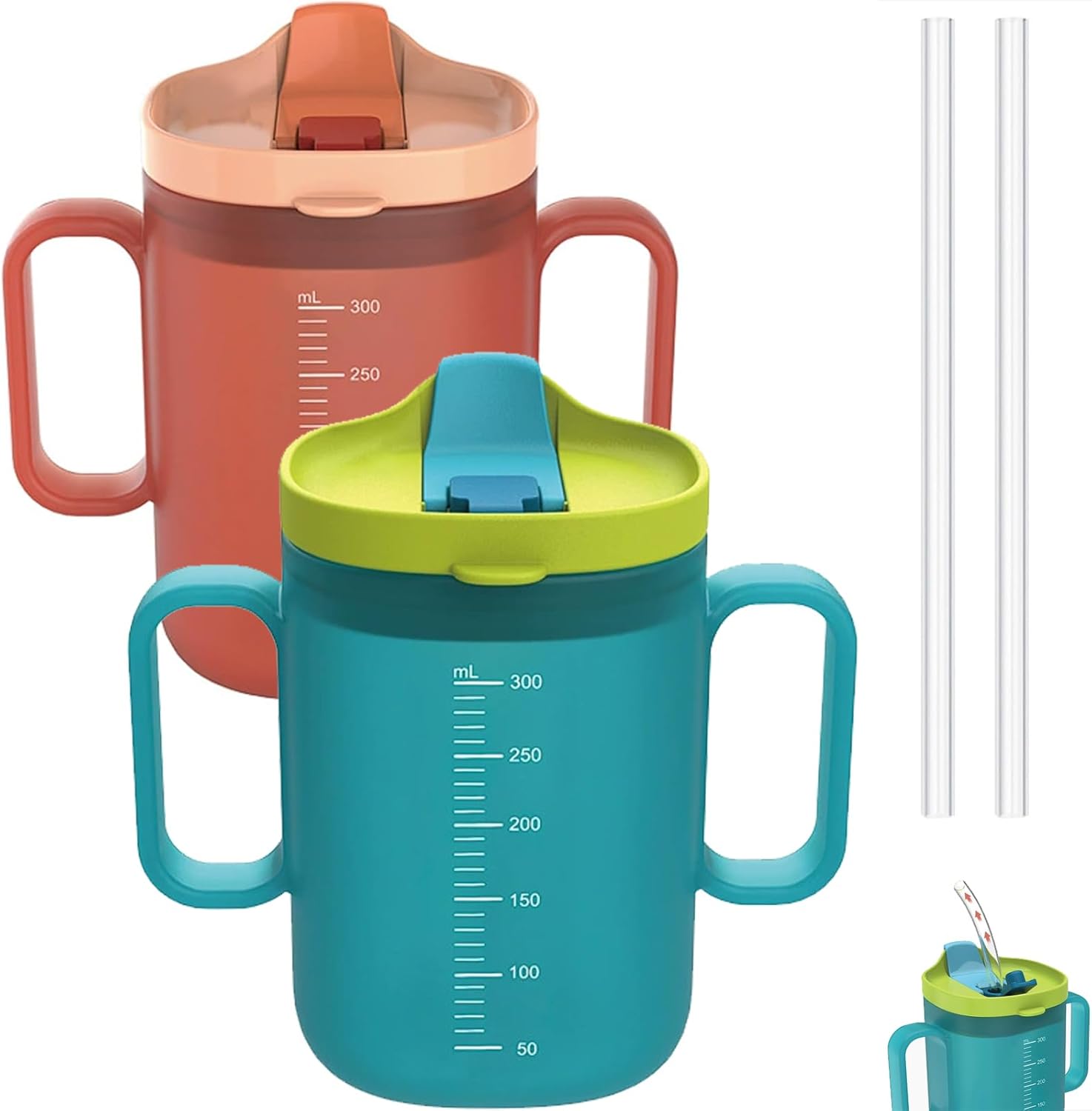
Spill-Proof Adult Cup
The best medication dispenser depends on the senior’s routine, memory, vision, and how much caregiver support is available. Simple organizers work for some people, while automatic, locked, or smart dispensers are better for more complex or higher-risk situations.
Choosing the best medication dispensers for seniors can make daily routines safer, simpler, and less stressful for everyone involved. The right dispenser helps reduce missed doses, double dosing, and confusion, especially when prescriptions change or memory becomes less reliable.
For many families, medication support is one of the most important parts of aging at home. A good system does not replace medical advice, but it can add structure and peace of mind. If you are also building a safer home routine, you may want to read about how seniors can use Alexa at home for reminders and everyday support.
- Match the routine: Simple organizers fit stable schedules best.
- Use more support when needed: Automatic or smart devices help with missed doses.
- Safety comes first: Locked dispensers can help control access.
- Check the details: Refill design, alarms, and battery backup matter.
- Review changes quickly: Ask a doctor or pharmacist when prescriptions change.
Why the Best Medication Dispensers for Seniors Matter in 2026
Medication routines are often more complex than they used to be. Many older adults take several prescriptions, over-the-counter products, or vitamins at different times of day, and even a small mix-up can create real problems.
In 2026, families are looking for tools that are easy to use, dependable, and flexible enough to handle changing health needs. The best medication dispensers for seniors help create a safer routine without making the day feel more complicated.
Medication safety risks seniors and caregivers face at home
At home, the most common risks are missed doses, taking a dose twice, or taking the wrong pill at the wrong time. These mistakes can happen when a senior is tired, distracted, in pain, or managing several medications at once.
Caregivers also face the challenge of keeping track of changes from doctors, pharmacists, or discharge papers after a hospital stay. A simple system can help, but it should be matched to the senior’s memory, vision, and hand strength.
A medication dispenser is only as safe as the instructions inside it. If a prescription changes, or if there is any confusion about timing, talk to your doctor or consult your pharmacist/healthcare provider before refilling the device.
How modern dispensers reduce missed doses, double dosing, and confusion
Modern dispensers can do more than hold pills. Some sort and release doses at the right time, sound alarms, or send alerts to a caregiver if a dose is missed.
That kind of support matters when a senior has a busy schedule, memory lapses, or a medication routine that changes during recovery. Even a basic organizer can help, but automatic and smart models may reduce the need for guesswork.
Many medication problems at home are not caused by forgetting alone. They also happen when pills look alike, schedules change, or the person setting up the pills is rushed.
How to Choose the Right Medication Dispenser for a Senior’s Needs
The best choice depends on the person using it, not just the product label. A dispenser that works well for one senior may be too complex, too small, or too restrictive for another.
Start with the medication routine itself, then think about the senior’s daily abilities. If the person needs help with other daily tasks, it may be useful to compare medication support with broader caregiving options, such as senior helping seniors services or family caregiving support.
Key factors: pill count, dosing frequency, dexterity, vision, and memory support
Look at how many pills need to be taken each day and how often they must be taken. A once-a-day routine is very different from a schedule that includes morning, noon, evening, and bedtime doses.
Also consider hand strength, arthritis, eyesight, and memory. Some seniors can open simple compartments easily, while others need larger buttons, louder alarms, or a device that keeps pills locked until the right time.
- How many pills are taken each day
- How often doses are scheduled
- Whether the senior can open compartments easily
- Whether labels and alarms are easy to see and hear
- Whether memory support or caregiver alerts are needed
Manual, automatic, locked, and smart dispensers: which type fits which situation
Manual pill organizers are the simplest option. They are often best for seniors who follow a stable routine and can manage their own medications with only a little support.
Automatic dispensers are better when the schedule is more complex or when someone is likely to forget a dose. Locked dispensers add another layer of safety, especially if a medication should not be taken freely or if a senior lives with someone else who should not access it.
Smart dispensers connect to apps or alert systems. These can be helpful when family members want reminders or remote updates, but they are not the best fit for every senior, especially if technology causes stress.
When caregiver oversight or remote alerts become necessary
Some seniors do fine with a basic organizer and a written schedule. Others need a caregiver to check the dispenser, refill it, or confirm that doses were taken.
Remote alerts become more useful when memory problems, fall risk, or medication safety concerns are increasing. If the senior has had recent confusion, repeated missed doses, or trouble managing daily tasks, ask a doctor or pharmacist whether a higher level of oversight is needed.
Best Medication Dispensers for Seniors: Top Types and What They Do Best
There is no single “best” dispenser for every older adult. The right choice depends on independence, safety needs, and how much help is available at home.
| Option | Best For | Note |
|---|---|---|
| Weekly pill organizer | Simple routines | Easy to use, but requires the senior to remember the schedule |
| Automatic dispenser | Complex schedules | Can reduce missed doses, but may need setup help |
| Locked dispenser | Safety and controlled access | Useful when pills must be secured |
| Smart dispenser | Caregiver monitoring | Often best when alerts and app access are needed |
Simple weekly pill organizers for independent seniors with stable routines
Weekly pill organizers are usually the easiest option to start with. They work well for seniors who take the same medications each day and can remember whether a dose has already been taken.
The main advantage is simplicity. The main drawback is that they do not prevent mistakes if the senior forgets, gets confused, or accidentally opens the wrong compartment.
- Low cost and easy to understand
- No app or internet needed
- Good for stable routines
- Does not stop double dosing
- Can be hard for people with arthritis
- May not work well for complex schedules
Automatic pill dispensers for complex schedules and missed-dose prevention
Automatic dispensers can release the right dose at the right time, often with alarms or lights. They are a strong choice for seniors who take multiple doses during the day or who need a reminder they can trust.
These devices can help reduce confusion, but they usually need careful setup. A caregiver, pharmacist, or family member may need to load the pills correctly and check the schedule often.
- Supports more complicated medication schedules
- Can reduce missed or repeated doses
- Often easier than sorting many separate pill boxes
Locked dispensers for medication safety and controlled access
Locked dispensers are useful when access must be controlled. This may be important if a senior has memory loss, if medications are being shared in the home, or if a doctor wants stricter oversight.
They can also help prevent accidental misuse by visitors or children. Still, a lock is not a substitute for supervision when a senior is having serious confusion or taking medications unsafely.
Locked models can improve safety, but they should still be easy for the right person to open. If the senior cannot access the medication when needed, the device may create new problems instead of solving old ones.
Smart dispensers with app alerts, reminders, and caregiver notifications
Smart dispensers are designed for families who want more visibility. They may send reminders, log doses, or notify a caregiver when medication was not taken on time.
These features can be helpful, but they may also add cost and setup complexity. Before buying, make sure the senior is comfortable with the device and that the app is truly necessary.
Practical Examples: Matching the Dispenser to Real-Life Senior Scenarios
Real life is usually more useful than product labels. The right dispenser depends on the senior’s habits, health, and support system.
Seniors managing one to two daily medications
If the routine is simple and the senior is mentally alert, a weekly organizer may be enough. Clear labels, a consistent refill day, and a written schedule can make this work well.
For some people, this setup is all they need. If the routine starts to feel confusing, though, it may be time to move to a dispenser with alarms or caregiver checks.
Seniors with Alzheimer’s, mild cognitive decline, or memory lapses
When memory becomes less reliable, a basic pill box may not be safe on its own. A locked or automatic dispenser may reduce the chance of repeated doses or forgotten doses.
Families should pay close attention to changes in behavior, missed meals, unusual sleep patterns, or signs that medication is being taken incorrectly. Talk to your doctor if these issues are becoming more frequent.
Care recipients who need help from family members or professional caregivers
When a caregiver is already involved, the dispenser should make their job easier, not harder. A model with clear refill steps, strong alarms, and easy tracking can help everyone stay organized.
This is especially useful when several people help with care. A shared routine can prevent confusion about who refilled the device, who checked it, and whether the dose was actually taken.
Post-surgery or short-term recovery medication schedules
Short-term recovery often brings temporary but complicated medication schedules. In these cases, an automatic dispenser or a clearly labeled organizer may help the senior stay on track while healing.
Because recovery instructions can change quickly, consult your pharmacist/healthcare provider before setting up the dispenser. A schedule that worked last week may not be correct today.
What to Compare Before Buying: Features, Cost, and Ease of Use
Before you buy, compare the practical details, not just the marketing claims. A device that looks advanced may still be frustrating if it is hard to refill or confusing to use.
Capacity, alarm strength, refill design, and lock options
Check how many doses the dispenser can hold and whether it fits the person’s actual routine. A unit that is too small will need frequent refilling, while one that is too large may be harder to manage.
Alarm strength matters too. Some seniors need a loud sound, while others may prefer a light or vibration. Refill design and lock options should also match the caregiver’s comfort level.
Battery life, power backup, and reliability during outages
Power matters more than many families expect. If a dispenser depends on electricity or batteries, find out what happens during an outage or when the battery runs low.
Reliable backup features can be especially important for seniors who live alone. If you are unsure how a device behaves during power loss, ask the seller before buying.
Price ranges in 2026: budget, mid-range, and premium models
Prices vary widely based on features. Budget models are usually simple organizers, mid-range options may include alarms or basic automation, and premium models often add smart features or caregiver alerts.
Medicare coverage for medication dispensers is not guaranteed and often depends on the plan, the reason for use, and whether the item is considered durable medical equipment or a retail purchase. Always check your plan and ask your pharmacist or healthcare provider if the device may be covered.
Subscription fees, app requirements, and hidden replacement costs
Some smart dispensers require a subscription, app account, or connected service to unlock all features. Others may need special trays, batteries, or replacement parts over time.
These extra costs can change the value of the device. Read the fine print so you know what you are paying for now and what may cost more later.
Common Mistakes Families Make When Using Medication Dispensers
Even a good device can fail if it is used the wrong way. Most problems come from setup mistakes or from assuming the dispenser will solve every medication issue by itself.
Choosing a device that is too complicated for the senior
Many families buy a device with too many features. If the senior cannot read the screen, hear the alert, or understand the buttons, the dispenser may go unused.
Whenever possible, choose the simplest option that still meets the safety need. Simpler is often better for older adults.
Overfilling compartments or setting up the wrong schedule
Refilling errors can create serious problems. A compartment may be filled with the wrong pill, the wrong count, or a schedule that no longer matches the prescription.
This is one reason to double-check every refill, especially after a doctor visit, hospital discharge, or pharmacy change. If you are not sure, ask the pharmacist to review the setup.
Ignoring medication changes from doctors or pharmacists
Medication lists change more often than families expect. A new prescription, a stopped pill, or a timing change can make an old dispenser setup unsafe.
Keep the medication list current, and update the dispenser right away when instructions change. Do not rely on memory alone.
Relying on the dispenser without a backup routine
Technology is helpful, but it should not be the only safety net. A written schedule, calendar reminder, or caregiver check-in can be useful if the device fails or is not used correctly.
Families caring for a loved one at home often benefit from combining tools. A dispenser, a simple checklist, and regular review with a healthcare provider can work better together than any one tool alone.
Expert Safety Tips and When to Ask a Doctor or Pharmacist for Help
Medication safety is not just about organization. It is also about knowing when a routine needs professional review.
Medication interactions, dosage changes, and timing concerns
Some medications should not be taken together, while others need to be spaced apart. Timing can matter just as much as the pill itself.
If a senior starts a new medicine, stops one, or has side effects, talk to your doctor or consult your pharmacist/healthcare provider before changing the dispenser setup.
If the senior is missing doses often, taking extra doses, becoming confused about medications, or showing new memory problems, ask for medical guidance right away. These can be signs that the current system is no longer safe enough.
Signs a senior may need supervised medication management
Warning signs can include repeated refill mistakes, unopened pill packs, duplicate bottles, or uncertainty about whether medication was taken. A senior may also need more help if they begin mixing up morning and evening doses.
When these signs appear, it may be time to move beyond a basic organizer. Supervised management can come from family, home care staff, or another qualified caregiver, depending on the situation.
When to involve a pharmacist, home health aide, or geriatric care professional
A pharmacist can help review pill timing, label confusion, and refill safety. A home health aide may help with daily reminders or routine support, depending on the care plan and local rules.
If the situation is becoming harder to manage, a geriatric care professional can help families think through next steps. The goal is not to take away independence, but to protect it safely.
Final Recap: Choosing the Best Medication Dispenser for Senior Safety and Peace of Mind
The best medication dispensers for seniors are the ones that match the person’s routine, abilities, and safety needs. A simple organizer may be enough for one senior, while another may need an automatic, locked, or smart device with caregiver oversight.
Quick summary of the best fit by senior need and caregiver situation
Choose a weekly pill organizer for stable routines and strong independence. Choose an automatic or smart dispenser when doses are often missed, schedules are complex, or family members need alerts.
Choose a locked dispenser when access control matters, and look for caregiver support when memory problems or medication errors are becoming more common.
Key takeaways for safer daily medication routines in 2026
Keep the setup simple, review medication changes quickly, and use a backup system in case the dispenser fails. Most importantly, consult your pharmacist/healthcare provider whenever you are unsure about timing, safety, or device fit.
With the right tool and a little planning, medication routines can become safer and less stressful for seniors and the people who care for them.
Frequently Asked Questions
A simple weekly organizer may work for a senior with a stable routine and good memory. If missed doses are common, an automatic or smart dispenser may be safer.
They can be helpful when family members want alerts or remote tracking. They are not always necessary, especially if the senior prefers a simpler setup.
Some automatic and locked dispensers can reduce the risk, but no device is perfect. A backup routine and regular checks are still important.
Coverage varies by plan, device type, and medical need. Check with your plan and ask your pharmacist or healthcare provider before buying.
That depends on the device and the medication schedule. Many families refill weekly, but some devices need more frequent checks.
Take a closer look if the senior is missing doses, repeating doses, or becoming confused about medications. Talk to your doctor or pharmacist if safety is becoming a concern.