
Best Elderly Care Plan Near Me for Peace of Mind

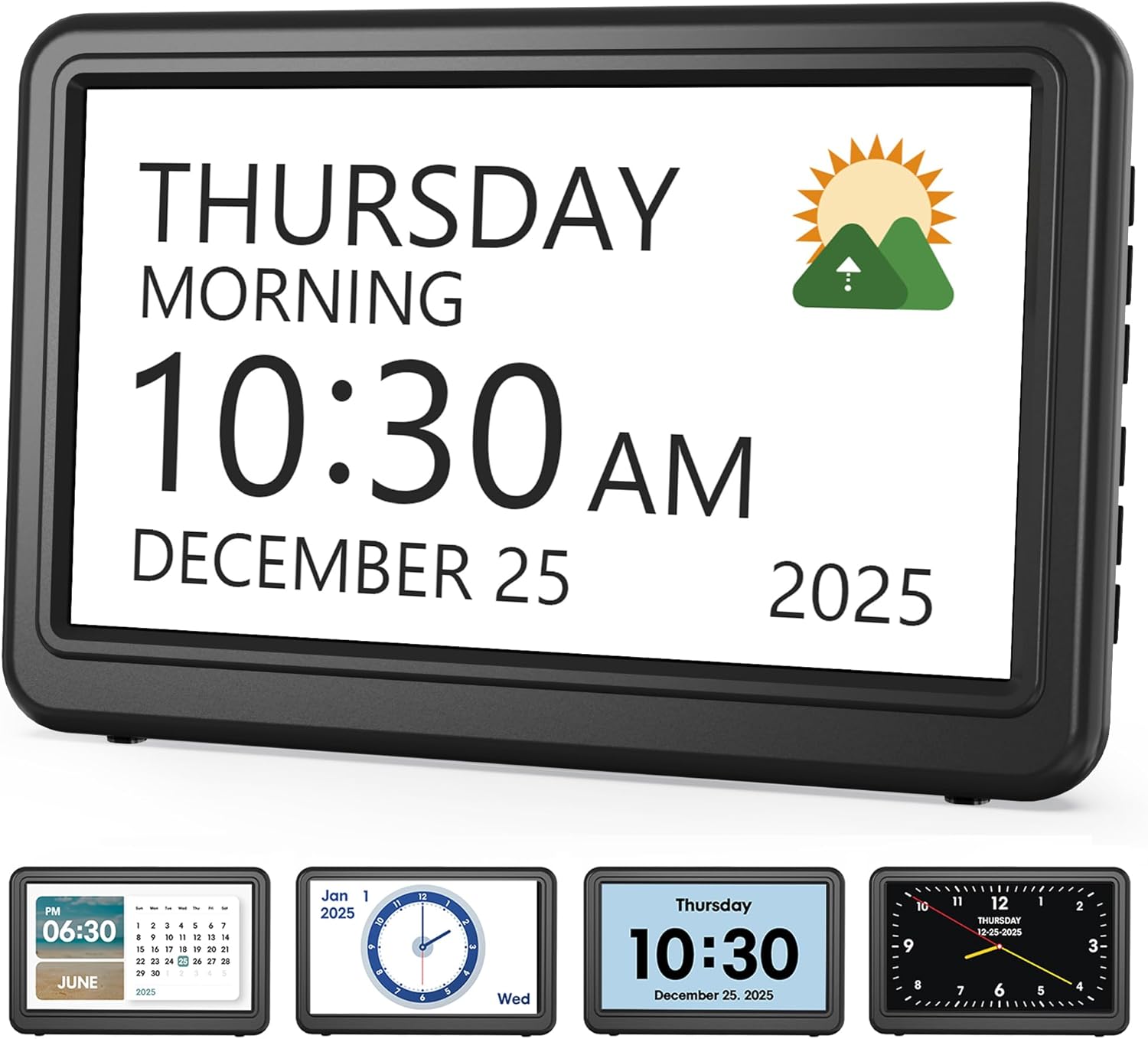
Medication Reminder Alarm

Folding Walking Stick with Seat

Upright Walker
The best elderly care plan near me is one that matches the senior’s daily needs, budget, and level of independence. Look for local providers that offer a clear assessment, flexible services, and reliable backup coverage.
Finding an elderly care plan near me is often about more than convenience. It is about making sure an older loved one gets the right help, in the right place, at the right time, with as little stress as possible for the whole family.
In 2026, local care planning can include in-home support, companionship, transportation, adult day services, or a move to assisted living. The best choice depends on health needs, budget, family availability, and how much independence your loved one wants to keep.
- Start early: Small daily changes can signal it is time for a formal plan.
- Match the service: Home care, assisted living, and adult day services fit different needs.
- Check safety: Training, background checks, and emergency readiness matter.
- Review costs: Medicare and insurance coverage vary, so confirm details first.
- Get help when needed: Talk to your doctor if health or memory changes are worsening.
What “Elderly Care Plan Near Me” Really Means in 2026
When people search for an elderly care plan near me, they are usually looking for practical support close to home. That may mean a local agency, a community program, or a care professional who can assess needs and help build a plan that fits daily life.
It is not just a list of services. A good care plan should match the person’s routines, health needs, and living situation. It should also be realistic for family members who may be helping from nearby, from another city, or while balancing work and caregiving.
How local care planning differs from general senior care advice
General senior care advice can be helpful, but local care planning is more specific. It considers what services are actually available in your area, how quickly help can start, and whether the provider can reach the home on the schedule you need.
Local planning also matters because rules, service areas, and pricing can vary by location. For example, one town may have strong transportation support, while another may have more home care options. If medical needs are part of the picture, talk to your doctor about what level of support is appropriate.
Why location, availability, and family support matter in your search
Location affects travel time, response time, and whether backup help is available when the regular caregiver cannot come. Availability matters too, especially if your loved one needs morning help, overnight monitoring, or weekend coverage.
Family support is another major factor. Some families can share tasks like errands and check-ins, while others need outside help for most daily care. If you are also exploring broader living options, a guide like senior living versus independent living can help you think through how much support is needed now versus later.
Signs It’s Time to Start an Elderly Care Plan for a Loved One
Many families wait until there is a crisis before making a plan. That can make decisions feel rushed and emotional. A better time to start is when you begin noticing changes that suggest daily life is becoming harder to manage alone.
Common daily-living changes families notice first
The first signs are often small. You may notice unpaid bills, spoiled food in the refrigerator, missed appointments, or a home that is less tidy than usual. These changes can point to trouble with memory, energy, vision, or organization.
Other early signs include forgetting to bathe, wearing the same clothes repeatedly, or struggling with shopping and meal preparation. These are not reasons to panic, but they are reasons to pay attention and start a gentle conversation.
Medical, mobility, and memory-related red flags
More urgent signs include falls, dizziness, trouble walking, confusion, missed medications, or repeated calls for help. If your loved one has diabetes, heart disease, stroke history, or another ongoing condition, even small changes can matter more.
Memory changes deserve special attention. Repeating questions, getting lost in familiar places, or leaving appliances on can create real safety risks. Home voice assistants for seniors may help with reminders, but they are not a substitute for supervision when memory problems are serious.
Practical examples of when “just helping out” is no longer enough
Helping out may be enough if the person only needs an occasional ride or help carrying groceries. It is usually not enough when the same problems keep happening and family members feel they are always reacting to the next issue.
For example, if one adult child is calling every day to remind a parent to take medication, arrange meals, and lock the door, the family may need a formal care plan. If you are unsure whether a mobility aid or bathroom support could reduce risk, a product guide such as shower chair options for older adults may be useful alongside professional advice.
What to Look for in the Best Elderly Care Plan Near Me
The best elderly care plan near me is not always the one with the biggest list of services. It is the one that matches the senior’s needs, explains the plan clearly, and can adapt when those needs change.
Personalized care assessments and flexible service options
Start with a proper assessment. A good provider should ask about health conditions, mobility, medications, fall history, eating habits, sleep, mood, and family support. The goal is to understand the whole person, not just one problem.
Flexibility matters too. Needs can change after an illness, a hospital stay, or a decline in memory or strength. A strong care plan should be able to increase or reduce hours and services without forcing the family to start over.
In-home support, companionship, medication help, and transportation
Many families begin with in-home support such as light housekeeping, meal preparation, bathing help, and mobility assistance. Companionship can also be valuable, especially for seniors who live alone and spend too much time without conversation.
Some plans also include help with medication reminders and transportation to appointments, though the exact services vary by provider and local rules. If medication management is part of the plan, consult your pharmacist or healthcare provider to make sure the support matches the prescription schedule and health condition.
Caregiver training, background checks, and emergency readiness
Caregiver quality matters as much as the service list. Ask whether caregivers are trained for senior care, whether background checks are used, and how the agency handles emergencies such as a fall, sudden confusion, or a missed visit.
A dependable provider should also explain how it communicates with families and what happens if the regular caregiver is unavailable. This kind of readiness can make a big difference when a loved one needs help quickly.
Comparing Local Elderly Care Plan Options: Home Care, Assisted Living, and Adult Day Services
There is no single best option for every older adult. Some people do well at home with a few hours of support. Others need more supervision, social contact, or a setting where help is available throughout the day.
| Option | Best For | Note |
|---|---|---|
| Home care | Seniors who want to stay at home with help | Good for flexible support, but family still needs a backup plan |
| Assisted living | Adults who need more daily supervision | May be better when safety and routine are becoming harder at home |
| Adult day services | Families needing daytime support and social activity | Can help with supervision while caregivers work or rest |
Which option fits different levels of independence and supervision
Home care often works best when a person wants to remain in familiar surroundings and only needs part-time help. Assisted living may fit better when meals, medication, and supervision are becoming difficult to manage safely at home.
Adult day services can be a good middle ground for families who need daytime coverage but still want to keep a loved one at home overnight. The right choice depends on how much independence remains and how much oversight is needed.
Pros and cons for families managing work, distance, or burnout
Home care can reduce stress for families who want to keep a loved one at home, but it still requires coordination. Assisted living may reduce the daily burden, though it involves a bigger change and may cost more depending on the situation.
Adult day services can give family caregivers a break during the day, which may help prevent burnout. The drawback is that transportation and scheduling still need to be managed carefully.
How to compare care quality, scheduling, and long-term fit
When comparing options, look at more than brochures and first impressions. Ask how care is scheduled, how often plans are reviewed, and how the provider handles changes in health or behavior.
Also think about long-term fit. A plan that works for mild help today may not work if walking becomes harder or memory problems increase. It is better to choose a provider that can adapt than to start over later.
What an Effective Care Plan Should Include
A strong care plan should be simple enough to follow and detailed enough to prevent confusion. It should tell everyone who is doing what, when, and what to do if something changes.
Daily routines, health monitoring, meal support, and mobility assistance
Daily routines help older adults feel secure. The plan should cover wake-up times, meals, bathing, medication reminders, exercise or walking, and bedtime routines if needed.
Health monitoring may include checking for swelling, changes in appetite, unusual tiredness, or signs of confusion. Meal support and mobility assistance are especially important when balance, strength, or appetite are declining.
- Clear routines reduce stress.
- Regular monitoring can catch changes early.
- Meal and mobility support can lower daily risk.
Communication plans for family members and care providers
Families often underestimate how important communication is. A good plan should explain who gets updates, how often updates are shared, and who makes decisions if the senior cannot speak for themselves.
It can help to keep one shared notebook or digital message thread for important notes. That way, everyone can track appointments, medication changes, and concerns without relying on memory alone.
Backup coverage for weekends, emergencies, and caregiver absences
Every care plan needs a backup. Caregivers get sick, family members travel, and emergencies happen. Without a backup plan, one missed visit can quickly become a bigger problem.
Ask whether the provider offers substitute caregivers, weekend help, or emergency response steps. If a senior has a medical condition that can worsen quickly, talk to your doctor about what warning signs should trigger immediate help.
Cost Factors and Budgeting for Elderly Care Near You
Cost is one of the biggest concerns for families searching for local senior care. The price depends on the type of service, how many hours are needed, and how complex the care is.
What affects pricing in 2026: hours, services, and local market rates
More hours usually mean higher cost. Services that require more skill or more supervision may also cost more than basic companionship or housekeeping help.
Local market rates vary by region, and availability can affect pricing too. In some areas, short-notice or overnight care may be harder to arrange, which can make it more expensive.
Private pay vs. insurance, long-term care coverage, and out-of-pocket costs
Some families pay privately, while others use long-term care insurance or other coverage if they have it. Medicare coverage can be limited for long-term help, so do not assume it will pay for every home care need.
Because coverage rules vary, review the policy carefully and consult your healthcare provider, insurer, or benefits specialist if you are unsure what is included. It is better to confirm details before care begins than to face surprise bills later.
How to compare quotes without sacrificing safety or quality
When comparing quotes, ask exactly what is included. A lower price may leave out transportation, weekend support, or backup coverage. A higher price may include services that make the plan more dependable.
Do not trade away safety for a small savings. Background checks, training, and communication matter, especially when a senior has fall risk, memory changes, or medication needs.
Common Mistakes Families Make When Choosing Local Elderly Care
Choosing care is emotional, and it is easy to rush. Families often focus on speed or cost first, then realize later that the plan does not fit daily life.
Choosing based on price alone
Price matters, but it should not be the only factor. The cheapest option may not provide enough consistency, training, or communication.
In senior care, a plan that looks affordable at first can become costly if it leads to missed visits, avoidable stress, or another move later on.
Skipping a home assessment or care plan review
A home assessment can reveal risks that are easy to miss, such as poor lighting, loose rugs, or difficult bathroom access. Without that review, the plan may be based on guesswork instead of real needs.
Care plans should also be reviewed over time. Health changes, new medications, and mobility issues can all require updates.
Overlooking caregiver compatibility and communication quality
Even the best service can fail if the caregiver and senior do not communicate well. Personality, patience, and respect matter a great deal, especially for someone who feels vulnerable or embarrassed about needing help.
Ask how the provider handles feedback and whether you can request a different caregiver if needed. Good communication can make the difference between a stressful arrangement and a reassuring one.
If your loved one’s condition changes quickly, or if there is repeated confusion, falls, chest pain, breathing trouble, or sudden weakness, seek medical help right away. A care plan should support medical care, not replace it.
When to Get Expert Help and Final Takeaways for Peace of Mind
Some situations call for more than family research. When health, safety, or decision-making ability is becoming uncertain, it is wise to bring in a licensed professional or medical guidance.
Warning signs that require a licensed professional, social worker, or medical guidance
Get expert help if your loved one is falling often, missing medications, wandering, becoming more confused, or unable to manage basic daily tasks. These signs may point to a need for more structured care.
A social worker, care manager, or healthcare provider can help you sort through options and match the care level to the person’s needs. If medications are part of the concern, consult your pharmacist or healthcare provider before making changes.
If you notice sudden memory loss, repeated falls, new weakness, breathing problems, swelling, or major changes in eating or sleeping, contact a doctor promptly. These may be signs that the care plan needs medical review.
How to move from research to a real care plan with confidence
Start with a short list of local providers or services, then ask for an assessment. Compare what each option offers, how flexible it is, and how well it fits your family’s schedule and comfort level.
Write down your top concerns before you call. That makes it easier to ask about supervision, backup care, communication, and costs without forgetting important details in the moment.
Recap of the most important factors in finding the best elderly care plan near me
The best elderly care plan near me is the one that fits the person, the home, and the family. It should be safe, flexible, and realistic for the long term.
Look for a provider that listens carefully, offers a clear assessment, and explains costs and coverage honestly. When the plan matches daily needs and includes a backup, it can bring real peace of mind.
Frequently Asked Questions
It usually means finding local support for an older adult, such as home care, companionship, transportation, or assisted living. The best plan depends on health needs, family support, and what services are available nearby.
Common signs include missed medications, falls, memory changes, unpaid bills, or trouble with meals and bathing. If these problems keep happening, it may be time to build a formal care plan.
A good plan should cover daily routines, health monitoring, meal support, mobility help, communication, and backup coverage. It should also be reviewed as needs change.
Medicare coverage can be limited for long-term care needs, and rules vary by situation and plan. Check your benefits carefully and speak with your healthcare provider or insurer for guidance.
Compare assessments, caregiver training, background checks, scheduling, communication, and backup coverage. Do not choose based on price alone, because safety and reliability matter too.
Talk to your doctor if there are falls, sudden confusion, medication problems, breathing trouble, or major changes in eating, sleeping, or mobility. Medical advice can help you choose the right level of care.