
Best Bruise Cream for Elderly: 5 Gentle Options


Medication Reminder Alarm

Bathtub Grab Bar

Lap Desk for Reading
Bruising becomes more common as skin gets thinner and the protective layer beneath it decreases. A small bump can leave a large purple mark, especially on the hands, arms, and legs.
The best bruise cream for elderly skin should be gentle and easy to use. It should also fit the reason you bruise. We compared formulas with ingredients such as arnica, vitamin K, skin moisturizers, and barrier-supporting ingredients.
Best Bruise Cream for Elderly
These five products stand out for different needs. DerMend is our best overall choice, while Arnicare is a simple option for fresh minor bruises.
Best Overall: DerMend Moisturizing Bruise Formula
DerMend is a strong choice for older adults who deal with frequent bruising and thin, mature skin.
The formula is designed specifically for recurring bruising. It also focuses on the skin barrier rather than treating a bruise as only a temporary discoloration. DerMend recommends applying the cream twice daily over the whole affected area.
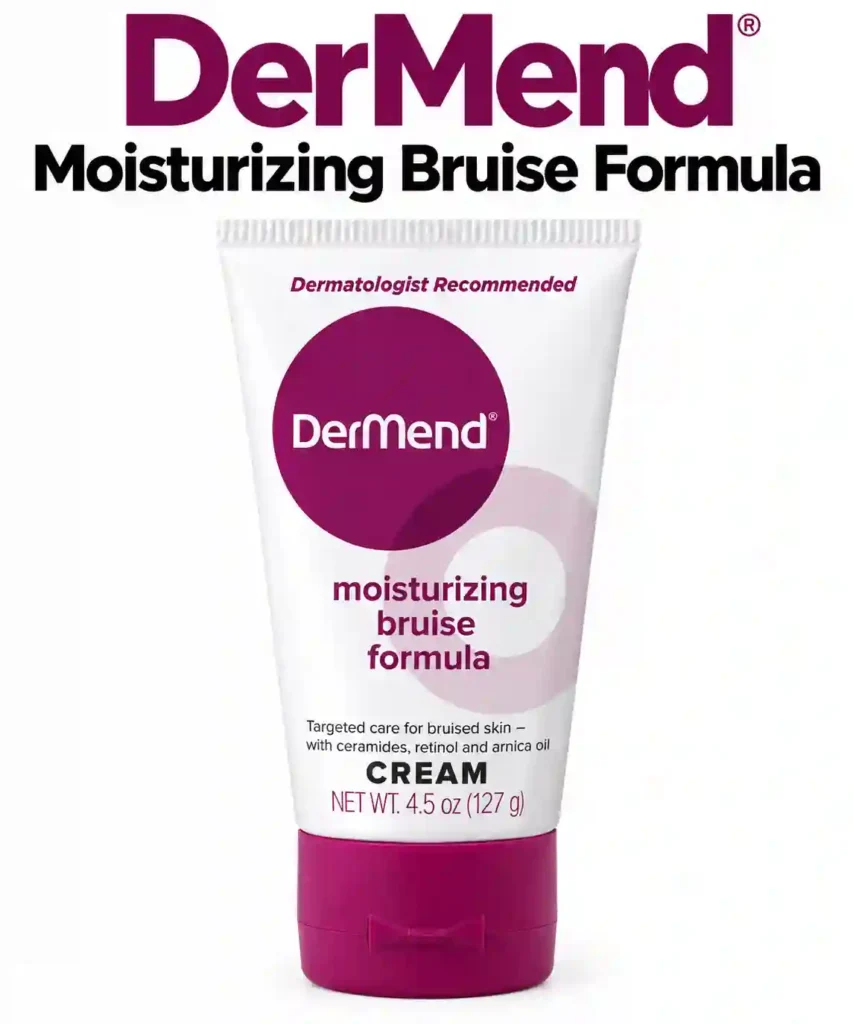
Its formula includes ingredients such as retinol, alpha hydroxy acid, ceramides, and arnica montana extract. These ingredients are intended to support the appearance and condition of mature skin.
One thing to consider is that the formula contains exfoliating and active skin-care ingredients. Very sensitive skin may not tolerate every ingredient well.
Product Overview
DerMend makes the most sense when bruising is a repeated problem rather than an occasional event. The cream is especially aimed at areas such as the arms and hands, where older adults often notice bruising.
The manufacturer says some users may see results in about one week, while others may need longer. Consistent use is important.
| Specification | Details | Why It Matters |
|---|---|---|
| Main use | Frequent bruising | Good for recurring concerns |
| Format | Cream | Easy to spread over larger areas |
| Key ingredients | Arnica, ceramides, retinol, AHA | Supports mature skin care |
| Suggested use | Twice daily | Simple routine |
Pros And Cons
Here are the main trade-offs to consider before buying.
| Feature | Pro | Con |
|---|---|---|
| Mature-skin focus | Designed for aging skin | Not ideal for every sensitive skin type |
| Arnica | Included in the formula | Evidence for bruise creams varies |
| Ceramides | Supports the skin barrier | More complex formula |
| Coverage | Suitable for larger areas | Requires regular application |
| Availability | Sold through major retailers | Prices can vary |
Who Should Consider This Product
DerMend is a good fit for an older adult who frequently develops bruises on the arms or hands and also wants a product aimed at mature skin.
It may not be the best choice for someone who reacts easily to active skin-care ingredients. A simpler formula may be preferable in that case.
Best For: Frequent bruising and mature, fragile-looking skin
Not Ideal For: People who prefer a very simple formula
Best Simple Option: Arnicare Bruise Cream
Arnicare Bruise Cream is a straightforward choice for minor bruises when you want a light cream with arnica.
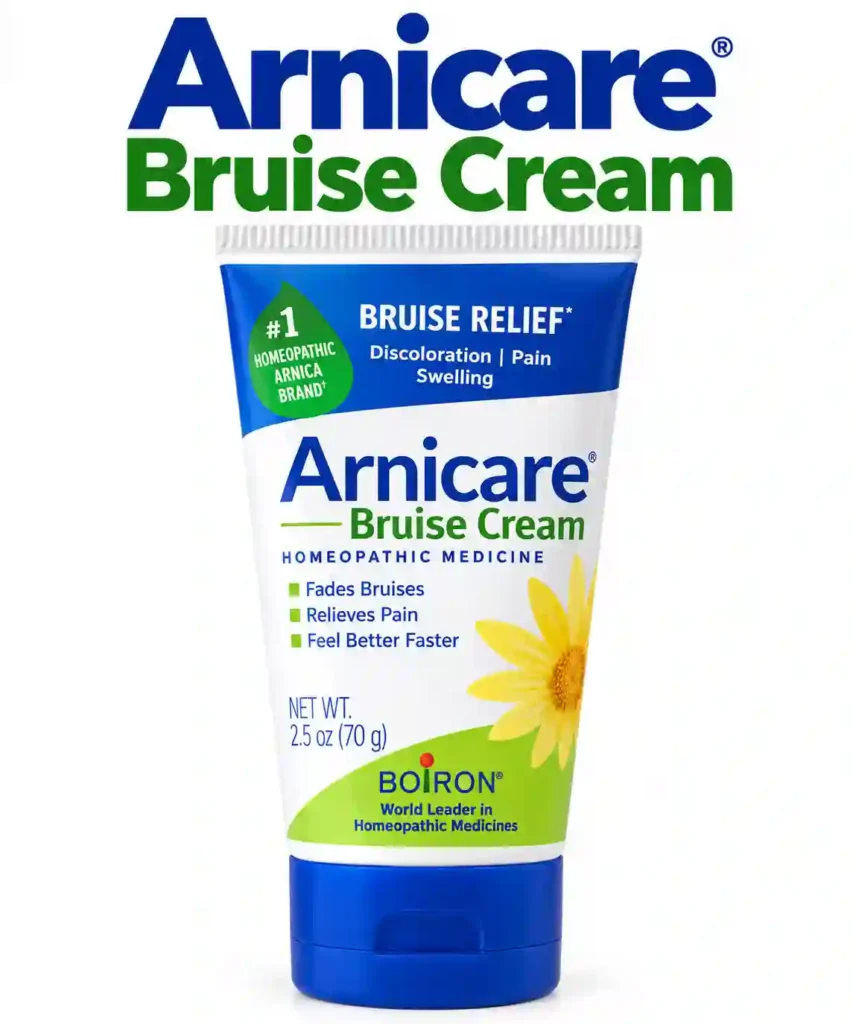
The manufacturer says it is designed to relieve the appearance of pain, swelling, and discoloration associated with bruises. It is also described as having a light texture suitable for fragile and delicate skin.
The directions call for a thin layer on the affected area up to three times daily after a minor bruise. The product is available in several tube sizes.
Product Overview
The biggest advantage of Arnicare is simplicity. There is no need to build a complicated skin-care routine around it.
However, shoppers should keep expectations realistic. Research on topical arnica is mixed, and evidence from controlled studies does not mean every arnica product will produce the same result.
| Specification | Details | Why It Matters |
|---|---|---|
| Main ingredient | Arnica montana | Traditional bruise-care ingredient |
| Format | Cream | Easy topical application |
| Texture | Light | Helpful for delicate skin |
| Suggested use | Up to 3 times daily | Flexible routine |
Pros And Cons
This option is especially appealing if you want a simple bruise cream.
| Feature | Pro | Con |
|---|---|---|
| Formula | Simple approach | Fewer skin-barrier ingredients |
| Texture | Light cream | May not suit everyone |
| Use | Easy to apply | Requires repeated use |
| Availability | Established product | Evidence for arnica is mixed |
Who Should Consider This Product
Arnicare may suit an older adult who wants a simple topical option for minor bruises.
It may not be the best pick when the main goal is long-term care for very thin or fragile skin.
Best For: Simple care for minor bruises
Not Ideal For: People seeking a more comprehensive mature-skin formula
Best for Fragile Skin: SKINTENSIVE Bruise Cream
SKINTENSIVE is worth considering when bruising comes with thin, aging, or easily irritated-looking skin.
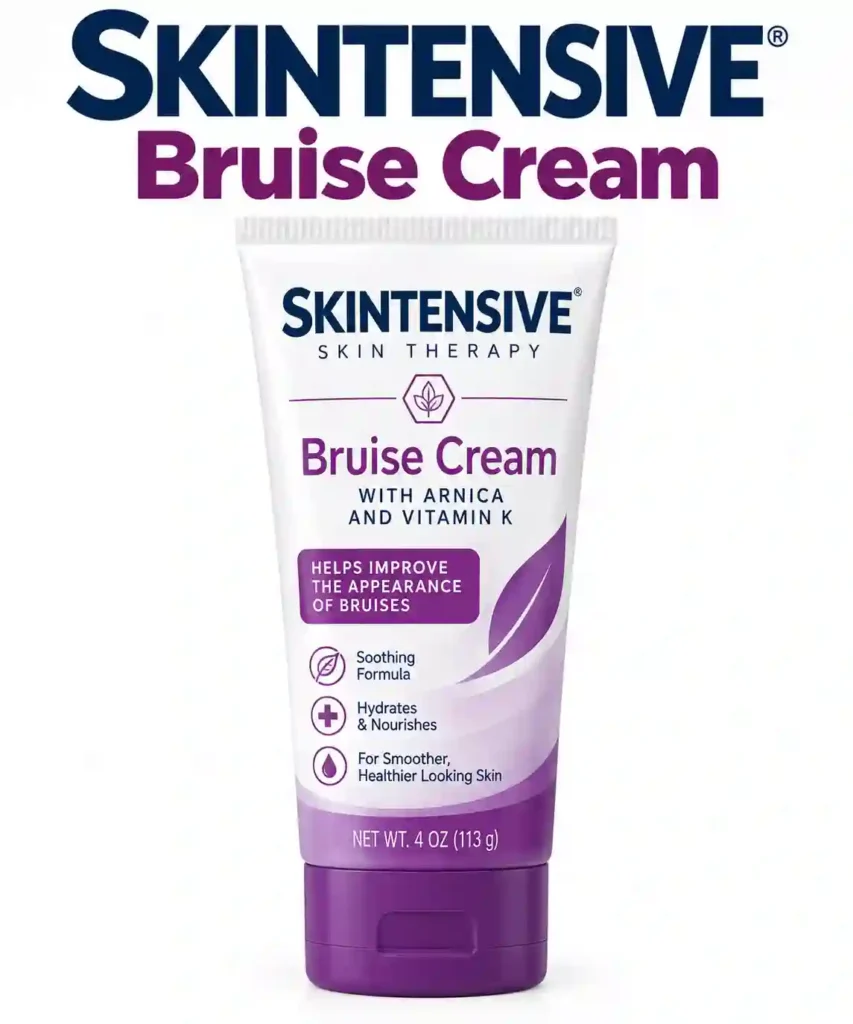
Its current formula combines arnica montana, vitamin K2, vitamins C and E, hesperidin, centella asiatica, and sea kelp extract. The manufacturer says the cream is designed to support the appearance of bruising while nourishing fragile or aging skin.
SKINTENSIVE recommends applying the cream two to three times daily to areas of concern. The current product is sold in a 4-ounce size, which can be useful when larger areas need regular application.
Product Overview
This formula has a broader skin-care approach than a basic arnica cream. That may appeal to older adults who want moisturizing support along with bruise-focused ingredients.
The downside is that more ingredients do not automatically mean better results for everyone. People with very reactive skin should still check the full ingredient list before use.
| Specification | Details | Why It Matters |
|---|---|---|
| Size | 4 oz | Useful for regular use |
| Key ingredients | Arnica, vitamin K2, C and E | Multi-ingredient approach |
| Skin focus | Fragile and aging skin | Relevant to older adults |
| Suggested use | 2–3 times daily | Requires consistency |
Pros And Cons
The formula offers several ingredients aimed at both bruising and skin care.
| Feature | Pro | Con |
|---|---|---|
| Vitamin K2 | Included for discoloration care | Results can vary |
| Arnica | Bruise-focused ingredient | Evidence is not universal |
| Moisturizing base | Helpful for dry skin | May feel richer than a gel |
| Large size | Better for repeated use | Higher upfront cost |
Who Should Consider This Product
SKINTENSIVE is a good option for an older adult who wants a bruise cream that also feels like a regular skin-care product.
It may be less appealing if you prefer a very minimal ingredient list.
Best For: Bruise-prone, mature-looking skin
Not Ideal For: Shoppers wanting the simplest possible formula
Best for Post-Procedure Bruising: BruiseMD Topical Bruise Gel
BruiseMD is a useful choice when the priority is targeted care for bruising and swelling, including after certain procedures or injuries.
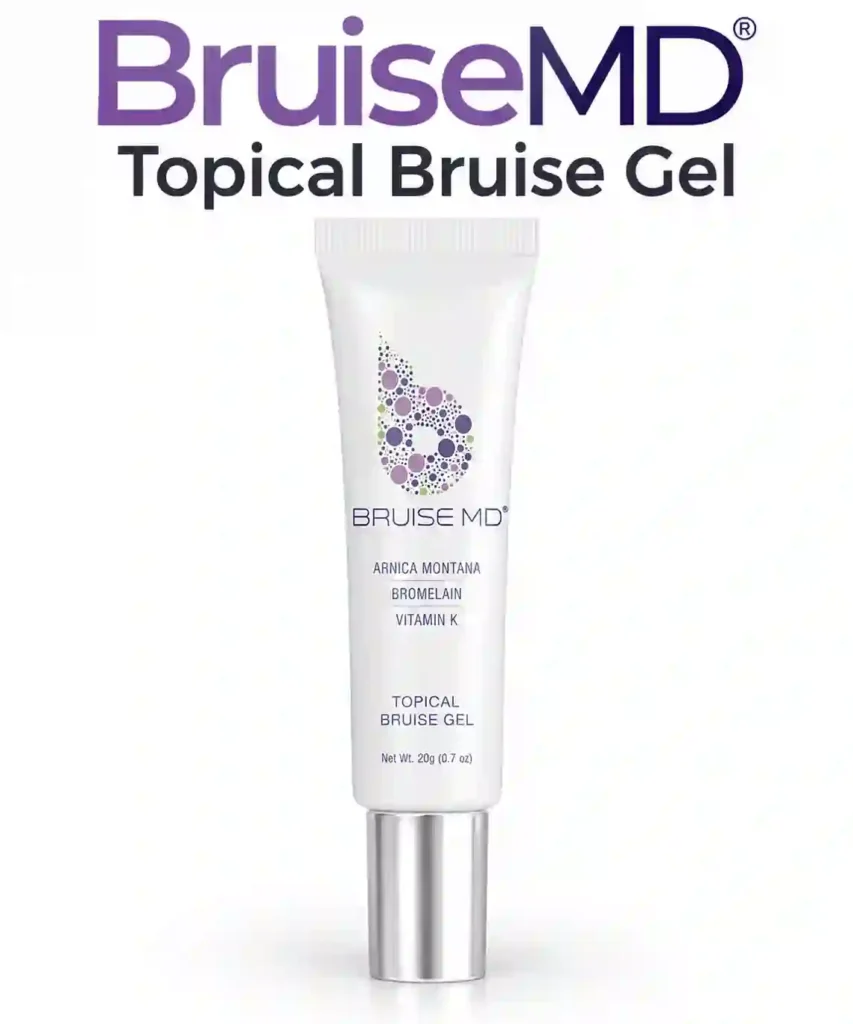
The current formula contains organic arnica montana and vitamin K oxide along with antioxidants, vitamins, citrus bioflavonoids, and other ingredients. The manufacturer recommends applying a thin layer and gently massaging it into the affected area three times daily or as needed.
The gel format may be convenient for spot treatment. It is also currently sold as a relatively small tube, so it may be less practical for covering large areas every day.
Product Overview
BruiseMD stands out because its intended uses include bruises, sprains, broken bones, and recovery following several types of surgery.
That makes it more of a targeted recovery product than a general daily moisturizer.
| Specification | Details | Why It Matters |
|---|---|---|
| Format | Topical gel | Convenient for spot treatment |
| Key ingredients | Arnica and vitamin K oxide | Bruise-focused formula |
| Suggested use | 3 times daily or as needed | Flexible application |
| Current listed price | $21.95 | Price can change |
Pros And Cons
A gel can be convenient when you only need to treat a small area.
| Feature | Pro | Con |
|---|---|---|
| Gel format | Easy spot application | Less ideal for large areas |
| Arnica | Bruise-focused | Evidence varies by product |
| Vitamin K oxide | Included | Not a guaranteed result |
| Targeted use | Useful after injuries | May be unnecessary for routine skin care |
Who Should Consider This Product
BruiseMD is worth considering for people looking for a targeted gel after minor injuries or procedures.
If you mainly have widespread dry, thin skin, a larger moisturizing cream may be more practical.
Best For: Targeted bruising and post-procedure care
Not Ideal For: Whole-arm or large-area daily moisturizing
Best for Sensitive Facial Skin: VitaMedica Arnica + Vitamin K Cream
VitaMedica Arnica + Vitamin K Cream is particularly interesting for small, delicate areas such as the face and backs of the hands.
The formula combines arnica montana with vitamin K oxide, vitamin C ester, and botanical ingredients. The manufacturer says it was formulated for sensitive facial skin and can be used after procedures such as injections and fillers.
The manufacturer recommends applying a thin layer up to three times daily as needed. It also warns users not to apply the cream to broken skin or directly into the eyes.
Product Overview
This is not the first product I would choose for treating large areas of bruising. Its strongest use case is smaller areas where a gentler facial formula is more useful.
The company currently lists the product at 4.4 out of 5 from 398 reviews, but customer reviews should be treated as individual experiences rather than proof that a product will work for everyone.
| Specification | Details | Why It Matters |
|---|---|---|
| Main ingredients | Arnica and vitamin K oxide | Focused bruise-care formula |
| Intended area | Face, neck, hands | Useful for delicate areas |
| Suggested use | Up to 3 times daily | Simple application |
| Skin focus | Sensitive skin | Better suited to delicate areas |
Pros And Cons
This formula makes the most sense for smaller areas rather than extensive bruising.
| Feature | Pro | Con |
|---|---|---|
| Facial use | Designed for delicate facial skin | Small-area focus |
| Vitamin K oxide | Included | Evidence is mixed |
| Texture | Easy to apply | May be expensive for large-area use |
| Ingredient profile | No synthetic fragrance listed | Contains several botanical ingredients |
Who Should Consider This Product
VitaMedica is a reasonable option for an older adult who needs a bruise-care cream for a small, delicate area.
It may not be the most economical choice for someone treating frequent bruises across both arms or legs.
Best For: Facial and small-area bruising
Not Ideal For: Large areas requiring frequent application
Comparison At A Glance
The right choice depends more on your skin and the type of bruising than on the number of ingredients.
| Product | Best For | Key Trade-Off |
|---|---|---|
| DerMend | Frequent bruising | More active formula |
| Arnicare | Simple bruise care | Limited skin-care focus |
| SKINTENSIVE | Fragile mature skin | More complex formula |
| BruiseMD | Targeted bruising | Smaller treatment format |
| VitaMedica | Face and small areas | Less practical for large areas |
How We Chose These Products
We looked at products that are currently marketed for bruising, mature skin, or delicate skin. We compared manufacturer information, ingredient lists, directions, product formats, current availability, and available evidence on common bruise-care ingredients.
We also considered what matters specifically to older adults. A product should be easy to apply, suitable for delicate skin, and appropriate for the area being treated.
| Evaluation Factor | Why It Matters |
|---|---|
| Senior usability | The product should be simple to apply |
| Skin sensitivity | Older skin can be thin and delicate |
| Ingredients | Helps identify the product’s intended role |
| Application | Frequent bruising may require regular use |
| Value | Larger areas can require more product |
| Evidence | Helps keep expectations realistic |
Evidence for topical bruise ingredients is not equally strong. For example, a small randomized study found that 20% topical arnica improved laser-induced bruising compared with petrolatum, while another review found that evidence for arnica and vitamin K in some post-surgical bruising settings remains inconsistent.
That is why we would not treat any bruise cream as a guaranteed way to make bruises disappear quickly.
What To Look For When Buying
Start by deciding what kind of bruising you are trying to manage. An older adult with occasional minor bruises may want a simple cream. Someone with frequent bruising and thin skin may benefit more from a product that also supports moisturization and the skin barrier.
Consider the Skin Type
Thin, dry, or fragile skin needs gentle care. A product with a richer moisturizing base may be more comfortable than a strong active formula.
Check the Main Ingredients
Arnica and vitamin K are common ingredients in bruise products. However, the presence of an ingredient does not guarantee that the product will work for every person.
Think About the Treatment Area
A small tube may be fine for a bruise on the face or hand. It can become inconvenient if you regularly treat both arms or legs.
Check Application Instructions
Some products are intended for once- or twice-daily use. Others recommend three applications a day. Choose a routine that the user can realistically follow.
Read the Warnings
Always check the label for allergies, broken-skin warnings, eye-area restrictions, and other precautions.
Common Buying Mistakes
A bruise cream is easy to buy, but it is also easy to choose the wrong type.
| Mistake | Better Approach |
|---|---|
| Choosing by ingredient alone | Consider the complete formula |
| Buying only by price | Compare size and intended use |
| Ignoring skin sensitivity | Check the ingredient list |
| Treating every bruise the same | Consider why the bruising occurs |
| Expecting instant results | Give appropriate time and monitor changes |
Another common mistake is assuming that frequent bruising is always harmless. Easy bruising is common with age, but it can sometimes be linked to medications or an underlying health problem.
Safety Considerations
Most ordinary bruises improve on their own, but older adults should pay attention to unusual or repeated bruising.
Do not apply a topical product to broken skin unless the product specifically says it is appropriate. For example, VitaMedica specifically advises against applying its cream to wounds or broken skin and says to stop use if irritation or a rash develops.
Older adults may also take medicines that increase bruising. If bruises appear frequently without an obvious injury, become unusually large, or occur along with other concerning symptoms, talk with a healthcare professional rather than relying only on a cream. Mayo Clinic notes that easy bruising can sometimes signal a more serious problem.
If a bruise follows a significant injury, causes severe pain or swelling, or does not seem to improve normally, medical advice is also appropriate.
Frequently Asked Questions
What is the best bruise cream for elderly skin?
DerMend Moisturizing Bruise Formula is our best overall pick for older adults who deal with frequent bruising. It is designed specifically for recurring bruising and mature skin.
Does arnica cream really help bruises?
Some research suggests topical arnica may help certain types of bruising, but the evidence is not strong enough to guarantee results for every product or person. A randomized trial found benefit from 20% topical arnica for laser-induced bruising, while broader evidence remains mixed.
Is vitamin K cream good for bruises?
Topical vitamin K has shown some benefit in certain studies of post-procedure bruising, but results have not been consistent across all research. It should not be viewed as a guaranteed treatment.
What is best for thin skin that bruises easily?
Look for a product that combines bruise-focused ingredients with gentle moisturizing or barrier-supporting ingredients. DerMend and SKINTENSIVE are two options that take this broader approach.
Conclusion
For frequent bruising and mature skin, DerMend Moisturizing Bruise Formula is our best overall choice. Its focus on recurring bruises and the skin barrier makes it a practical option for many older adults.
For a simpler approach, Arnicare is worth considering. SKINTENSIVE is a better fit when fragile-looking skin is also a concern, while BruiseMD works well as a targeted gel. For small or delicate facial areas, VitaMedica Arnica + Vitamin K Cream is the more specialized choice.
The biggest point is to match the cream to the person. No topical product can replace medical evaluation when bruising is unusually frequent, severe, or unexplained.
