
Best Aging in Place Checklist for Safe Home Living

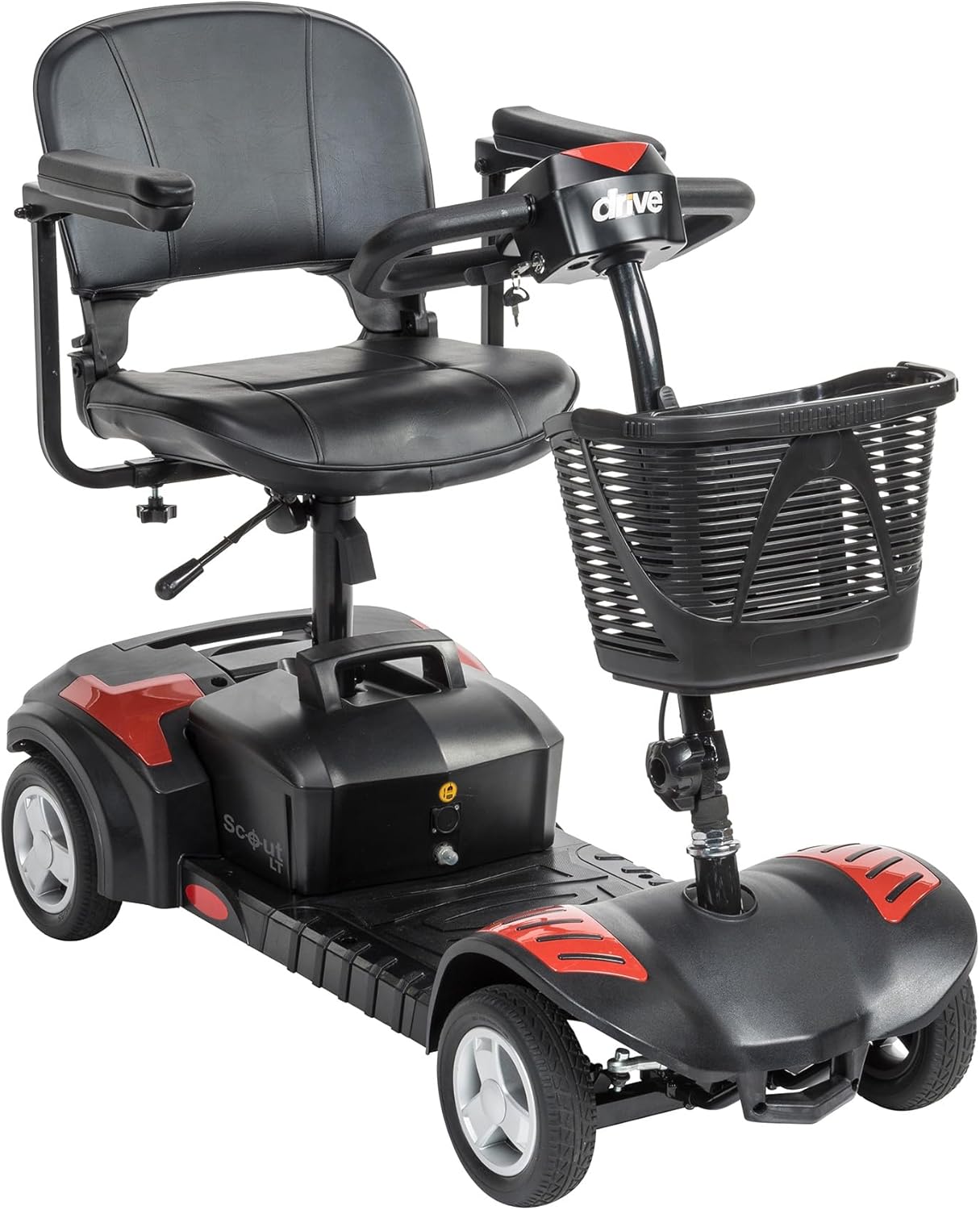
Electric Mobility Scooter

Kindle E-Reader

Orthopedic Sandals
The best aging in place checklist covers the whole home, not just the bathroom, and includes safety, mobility, emergency planning, and caregiving support. Start with low-cost fixes, then add bigger upgrades only when they match the person’s real needs.
If you are looking for the aging in place checklist best suited for safe home living, the goal is simple: make the home easier to move through, easier to use, and easier to recover from small mistakes. The best checklist looks at the whole home, not just the bathroom, and it also includes caregiving support, emergency planning, and realistic budget choices.
For many families, aging in place works best when changes are made early, before a fall or health setback forces quick decisions. A thoughtful plan can help an older adult stay independent longer while reducing stress for everyone involved. If you are also helping a parent or spouse stay organized day to day, a senior caregiver daily checklist template can be a helpful companion tool.
- Whole-home focus: Check entryways, stairs, kitchen, bedroom, and bathroom.
- Safety first: Improve lighting, grab bars, clear paths, and fall prevention.
- Plan ahead: Include medications, contacts, and emergency response steps.
- Use support: Bring in caregivers or professionals when needs increase.
What the Best Aging in Place Checklist Should Cover in 2026
The best aging in place checklist in 2026 should be practical, not trendy. It should focus on safety, comfort, mobility, and the ability to get help quickly when needed.
That means looking at how a person actually lives in the home. Can they get in and out safely? Can they reach the things they use every day? Can they respond to an emergency without confusion or delay?
- Safe entry and exit points
- Good lighting throughout the home
- Slip-resistant floors and rugs
- Easy access to the bathroom and bedroom
- Medication reminders and emergency contacts
- Support from family, caregivers, or home health help
A good checklist should also reflect health changes. Vision loss, arthritis, balance problems, memory loss, and side effects from medicines can all change what “safe” looks like. When in doubt, talk to your doctor, and consult your pharmacist or healthcare provider about whether any medicine may affect balance, alertness, or blood pressure.
Aging in place is not only about home repairs. It is also about planning for support, routines, and the right level of help as needs change.
Home Safety First: Room-by-Room Hazards Seniors Often Miss
Many homes have hidden risks that are easy to overlook because they seem small. A loose rug, dim hallway, or hard-to-turn knob can become a real problem when balance or strength changes.
Room-by-room checks are useful because they keep the focus on daily life. The home should support safe movement from one task to the next, especially during the busiest parts of the day.
Entryways, stairs, and lighting
Entryways should be clear, level, and easy to navigate with packages, a cane, a walker, or a stroller if grandchildren visit. Steps at the front door, uneven thresholds, and poor porch lighting can all increase fall risk.
Stairs need secure railings on both sides when possible, and each step should be easy to see. Bright lighting matters more than many families realize, especially at night or in hallways with shadows.
Many falls happen in familiar places, not just in unusual situations. Small changes like brighter bulbs and better stair rails can make a big difference.
Bathrooms: slips, transfers, and grab-bar placement
The bathroom is one of the most important places to review because wet floors and quick movements can be risky. Non-slip mats, a sturdy shower chair, and a handheld showerhead may help some people bathe more safely.
Grab bars should be placed where they are actually needed for standing, sitting, and stepping in and out of the tub or shower. Towel bars are not the same as grab bars, so do not rely on them for support.
If getting up from the toilet or stepping over a tub edge is difficult, an occupational therapist can help assess the safest setup. That kind of professional review is often more useful than guessing, especially if arthritis, weakness, or dizziness is involved.
Never assume a bathroom accessory is safe to use for body weight unless it is designed for that purpose and properly installed.
Kitchens, bedrooms, and daily-use pathways
Kitchens should allow simple movement between the sink, stove, refrigerator, and work surfaces. Heavy pots, high shelves, and cluttered counters can create unnecessary strain.
Bedrooms should be easy to enter at night, with a clear path to the bathroom and a lamp or switch that can be reached without walking in the dark. Daily-use pathways should stay open, with cords, baskets, and small furniture moved out of the way.
If a person uses a walker or has trouble turning quickly, even a narrow hallway can become a hazard. These details matter because safe aging in place depends on the whole route, not only on the biggest rooms.
Mobility and Accessibility Upgrades That Make the Biggest Difference
Some home changes have a bigger impact than others. The best upgrades reduce effort, lower fall risk, and make the home easier to use without constant help.
These improvements can also protect energy. When walking, reaching, or gripping takes less effort, many older adults feel less tired and more confident at home.
Ramps, railings, and wider clear paths
Ramps can help when steps are hard to manage, but they must be built and installed carefully. A poorly designed ramp can be more dangerous than a few steps, so professional guidance is worth considering.
Railings should feel steady and be easy to grip. Wider clear paths are also important, especially if a walker, wheelchair, or mobility scooter is used now or may be needed later.
Lever handles, smart locks, and easy-reach fixtures
Lever-style door handles are often easier than round knobs for people with arthritis, weak hands, or pain. Easy-reach fixtures, lower shelves, and pull-out storage can also reduce bending and stretching.
Smart locks may help some families by making entry simpler for trusted helpers. Still, any technology should be chosen with the user’s comfort in mind, because not everyone wants a phone app or a digital code system.
- Less hand strain
- Safer entry and exit
- Fewer awkward reaches
- More independence for daily routines
Smart home devices for safer independence
Smart lights, voice assistants, door cameras, and fall-alert devices can support safer living when used well. These tools are most helpful when they are simple, reliable, and easy to remember.
For example, voice-controlled lights can help at night, and reminder systems can support routines for medication or appointments. But technology should never replace human check-ins when memory problems, confusion, or repeated falls are becoming a concern.
Health, Caregiving, and Emergency Readiness Essentials
Aging in place is safer when the home plan includes health routines and backup support. Many emergencies are less about the event itself and more about how quickly help can be reached.
Good planning also lowers stress for family caregivers. It makes it easier to step in without confusion during a fall, illness, or sudden change in condition.
Medication organization and reminder systems
Medication routines should be simple and visible. Pill organizers, written schedules, alarms, or phone reminders can help, but they must match the person’s memory, vision, and routine.
Keep an updated list of all prescriptions, over-the-counter products, and supplements. This is especially important because some medicines can cause sleepiness, dizziness, or dehydration, which may increase fall risk.
If medicines seem to cause unsteadiness, confusion, or unusual fatigue, talk to your doctor and consult your pharmacist or healthcare provider. Never change a medicine on your own.
Fall response plans, emergency contacts, and medical info access
Every aging in place plan should include what to do after a fall. That means deciding who to call, where the phone is kept, and how emergency responders can get inside if needed.
Post emergency contacts in a visible place and keep medical information easy to find. Some families also keep a small folder with allergies, diagnoses, medication lists, and insurance cards near the main entry or kitchen.
If the older adult lives alone, check-in systems can be helpful. For some families, a regular phone call schedule works; for others, a home monitoring device or neighbor support may be better.
When to involve caregivers, home health aides, or occupational therapists
Professional support becomes important when daily tasks start to take too much energy or when safety concerns keep repeating. A caregiver may help with meals, bathing, transportation, or medication reminders, while a home health aide may assist with personal care depending on the situation and local rules.
An occupational therapist can evaluate how a person moves through the home and suggest practical changes. This is often especially useful after surgery, a stroke, a fall, or a noticeable drop in strength or balance.
Coverage for these services can vary by Medicare, supplemental insurance, and the specific care need, so it is wise to check benefits in advance. If you are unsure what level of help is appropriate, talk to your doctor before choosing services.
Cost Breakdown: Budget-Friendly Fixes vs. Major Aging-in-Place Renovations
Cost is one of the biggest reasons families delay home changes. The good news is that not every improvement needs to be expensive, and many safety upgrades can be done in stages.
Start with the highest-risk areas first. Then decide whether the home needs small fixes, mid-range upgrades, or a larger remodel.
Low-cost checklist items under $100
Many helpful changes are inexpensive. Better light bulbs, non-slip mats, night lights, cord management, faucet lever attachments, and simple organizers can improve safety without a major project.
These items are often a smart first step because they reduce risk quickly. They also help families see which areas need more attention before spending more money.
Mid-range improvements for long-term safety
Mid-range improvements may include grab bars installed by a professional, better handrails, improved lighting plans, or easier-to-use faucets and door hardware. These changes can make a home much safer without requiring a full remodel.
For some households, a stair lift or a walk-in shower may also fall into this category depending on the home and installation needs. Because prices and coverage vary widely, it helps to compare more than one option before deciding.
| Option | Best For | Note |
|---|---|---|
| Grab bars and lighting | Early safety upgrades | Useful in many homes |
| Walk-in shower | Bathroom access problems | May need professional installation |
| Stair lift | Hard-to-manage stairs | Not ideal for every layout |
When a remodel is worth the investment
A remodel may be worth it when the current layout creates daily risk or when the home must support long-term care. If the bathroom is too small, the hallway too narrow, or the entry too steep, patchwork fixes may not be enough.
That said, a remodel should still be based on realistic needs, not just wish lists. If health is changing quickly, spending heavily on a home may not make sense unless the person plans to stay there for the long term.
- Better long-term safety
- More usable space
- Less daily strain
- Higher upfront cost
- Possible disruption during work
- May not fit changing care needs
Common Mistakes Families Make When Using an Aging in Place Checklist
Even good intentions can miss important details. Families often focus on the most obvious problem and overlook the rest of the home or the person’s changing abilities.
A checklist works best when it is used as a living plan, not a one-time project.
Focusing only on bathrooms and ignoring the rest of the home
The bathroom is important, but it is not the only risky area. Hallways, stairs, kitchens, entryways, and bedrooms all affect safety every single day.
If the bathroom is improved but the rest of the path remains cluttered or dim, the overall risk may not change much. A full-home view is what makes an aging in place checklist truly useful.
Choosing style over safety or skipping professional assessment
It is understandable to want the home to look nice. But safety features should never be hidden or skipped just to preserve a certain style.
Families also sometimes guess instead of asking for help. A home assessment from an occupational therapist, contractor familiar with accessibility, or other qualified professional can prevent costly mistakes and reduce the chance of installing the wrong solution.
Delaying changes until after a fall or health decline
Waiting too long is one of the most common mistakes. After a fall or hospital stay, decisions often become urgent, stressful, and more expensive.
Making changes early gives the older adult time to adjust and helps the family plan calmly. If you are comparing senior living options as a backup plan, it may also help to review resources like Park View Place senior living reviews or Holland Place senior assisted living to understand what support looks like if home living becomes harder later.
Expert Warning Signs That a Home May No Longer Be the Right Fit
Sometimes the safest choice is not another modification, but more support or a different living arrangement. That does not mean giving up independence; it means matching the environment to the person’s real needs.
These warning signs are worth taking seriously, especially if they appear more than once.
Red flags for repeat falls, confusion, or mobility decline
Repeated falls, near-falls, or unexplained bruises suggest the home may no longer be supporting safe movement. So do new confusion, missed medications, or trouble getting to the bathroom in time.
When mobility declines quickly, the home can become unsafe even if it was fine before. A person who once managed stairs easily may later need a single-level setup or more hands-on help.
When home modifications are not enough without added care support
Sometimes the house is not the only issue. If bathing, dressing, cooking, or medication management are becoming too hard, the person may need more support than home changes alone can provide.
This is where family caregiving, home health services, or a move to a more supportive setting may need to be discussed. If you are unsure, talk to your doctor and ask for guidance based on the person’s condition, medications, and fall history.
Home modifications cannot fully solve memory loss, severe weakness, or repeated unsafe behaviors. In those cases, added care support is often necessary.
Final Recap: The Best Aging in Place Checklist for Safe, Confident Home Living
The best aging in place checklist is the one that looks at the whole picture: home safety, accessibility, health routines, emergency readiness, and the level of caregiving support needed. Small changes can make a big difference, but only when they match the older adult’s real abilities and daily habits.
Start with the highest-risk areas, fix the easiest problems first, and bring in professional help when the situation is unclear. With a thoughtful plan, many older adults can stay home longer with more comfort, confidence, and peace of mind.
- Check the entire home, not just the bathroom.
- Use low-cost fixes first, then plan larger upgrades if needed.
- Include medication, emergency, and caregiver planning.
- Ask for professional guidance when falls, confusion, or mobility decline appear.
Frequently Asked Questions
It should cover home safety, mobility access, medication routines, emergency planning, and caregiver support. A full-home review is better than focusing on one room.
Bathrooms are often a top concern because of slip risk, but entryways, stairs, kitchens, and bedrooms also matter. The safest plan looks at every daily path in the home.
Low-cost upgrades often include brighter lighting, non-slip mats, night lights, cord cleanup, and simple organizers. These can improve safety without a major remodel.
Outside help is worth considering when falls repeat, medications are missed, or daily tasks become too hard. An occupational therapist or doctor can help decide what level of support is appropriate.
Coverage varies by service, medical need, and plan. Some home health or therapy-related services may be covered, but many home modifications are out-of-pocket, so it is best to check benefits directly.
Warning signs include repeated falls, confusion, unsafe stairs, and trouble with bathing, cooking, or medication management. If these issues keep happening, talk to your doctor about next steps.