
Best Bed Transfer Aids for Seniors Safe Easy Picks


Weighted Blanket
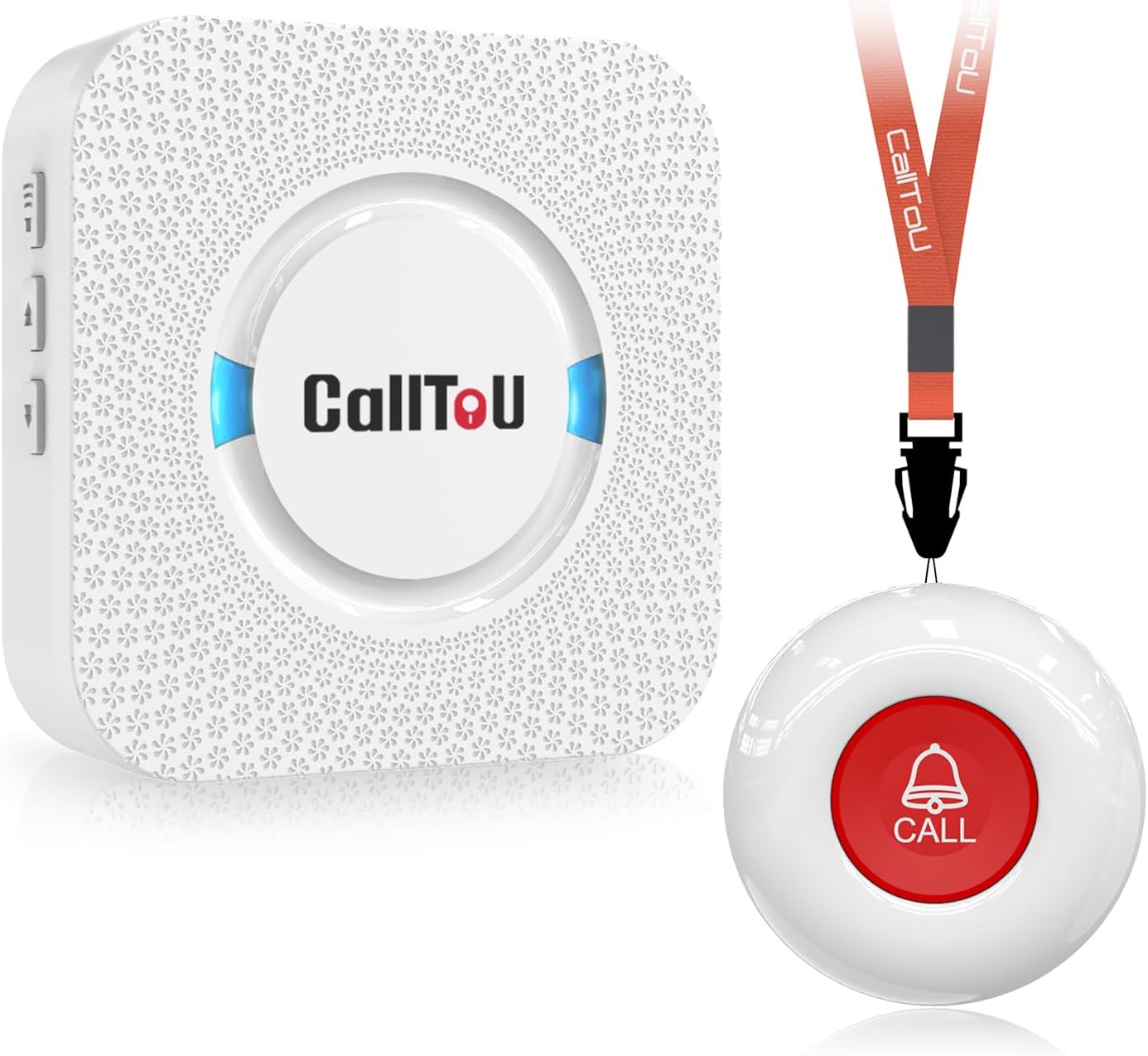
Medical Alert System

Tablet for Seniors
Bed transfer aids for seniors can help make getting in and out of bed safer and less tiring. The best choice depends on the senior’s strength, balance, bed height, and whether caregiver help is still needed.
Bed transfer aids for seniors can make a big difference when getting in and out of bed starts to feel difficult or unsafe. The right aid can support balance, reduce strain, and help both seniors and caregivers feel more confident during daily routines.
- Match the aid: Choose based on mobility, not just price.
- Check fit: Make sure it works with the bed and mattress.
- Look for stability: A secure, sturdy design is essential.
- Use support wisely: Some seniors still need caregiver help.
- Ask for guidance: Talk to a doctor or therapist if falls or pain are involved.
Best Bed Transfer Aids for Seniors: What They Are and Who Needs Them
Bed transfer aids are tools that help a person move more safely from lying down to sitting, standing, or repositioning in bed. They are often used by older adults who have weakness, joint pain, balance problems, limited arm strength, or recovery needs after surgery or illness.
Some aids are simple, like a bed rail that gives a steady handhold. Others are more supportive, such as a trapeze bar or transfer pole that helps with lifting and turning. The best choice depends on how much help is needed and how the bed is set up.
These products are not one-size-fits-all. A senior who only needs a little help turning over may do well with a light support bar, while someone with more limited mobility may need a sturdier system. If there is a medical condition involved, talk to your doctor or healthcare provider before choosing a device.
Bed transfer aids can help with safety, but they do not replace hands-on care when a senior cannot move independently or has a high fall risk.
How to Choose the Right Bed Transfer Aid for Safety, Strength, and Mobility
Choosing the right aid starts with understanding what the senior needs most: support, leverage, or a way to reduce caregiver lifting. A good match should feel stable, fit the bed, and be easy to use without causing extra effort or discomfort.
It also helps to think about the person’s usual movement pattern. For example, does the senior mostly need help sitting up, standing, or rolling to the side? A product that works well for one movement may not be the best for another.
Weight capacity, grip support, and bed height compatibility
Always check the weight capacity first. The aid should safely support the user and, if needed, the force created when pulling or shifting body weight. A weak or underbuilt device can become unsafe quickly.
Grip matters too. Handles should be easy to hold, even for someone with arthritis or weak hands. If the bed is unusually high, low, or adjustable, make sure the aid can work at that height without wobbling or blocking movement.
Bed frame type matters as well. Some aids work better with standard beds, while others are designed for hospital-style beds or thicker mattresses. If the setup is unusual, consult the product instructions carefully before buying.
Comfort, installation, and caregiver assistance needs
Comfort is important because a device that feels awkward may go unused. Look for padded grips, smooth edges, and a shape that does not press into the body when sitting or turning.
Installation should be simple enough for the caregiver or family member who will set it up. Some aids clamp to the bed frame, some slide under the mattress, and others stand on the floor for added support. The easier the setup, the more likely it is to be used correctly.
Think about how much caregiver help is still needed. If the senior needs frequent lifting, turning, or repositioning, a transfer aid may help, but it may not be enough on its own. In that case, a doctor, occupational therapist, or home care professional can suggest safer options.
- Weight limit and stability
- Bed height and mattress compatibility
- Grip comfort and hand size
- Ease of installation and removal
- Whether caregiver help is still needed
Top Types of Bed Transfer Aids for Seniors: Side Rails, Trapeze Bars, Transfer Poles, and Slides
There are several common bed transfer aids for seniors, and each serves a different purpose. Some are best for light support, while others are designed to help with lifting, turning, or moving from the bed to a standing position.
Understanding the basic types can make shopping much easier. It can also prevent buying a product that seems helpful at first but does not match the senior’s real needs.
When each aid works best for different mobility levels
Side rails are useful for seniors who need a steady handhold when rolling over, sitting up, or preventing accidental sliding. They are often a good fit for light to moderate support, but they should be used carefully because improper use can create a fall or entrapment risk.
Trapeze bars hang above the bed and give the user something to pull on when repositioning or sitting up. They may help seniors with upper-body strength, but they are not ideal for someone who cannot safely reach overhead or bear weight through the arms.
Transfer poles are vertical poles that help with standing, sitting, and balance near the bed. They can be useful for seniors who are still partly independent but want a secure handhold. These often work well when bedside support is more important than lifting help.
Slides and transfer sheets are designed to reduce friction during repositioning. They are especially helpful when a caregiver is assisting with turning or moving a person across the bed. These are not usually stand-alone mobility aids, but they can make caregiver tasks much easier.
- Can reduce strain during transfers
- May improve confidence and independence
- Often easier than repeated manual lifting
- May not fit every bed style
- Some options need careful setup
- Not enough for severe mobility limits
Best Bed Transfer Aids for Seniors in 2026: Safe, Easy Picks to Compare
When comparing options, it helps to think in terms of support level rather than brand hype. A “best” product is usually the one that fits the senior’s strength, the bed’s design, and the caregiver’s ability to use it safely.
Prices, availability, and insurance coverage can vary by retailer, location, and health plan. Medicare coverage for bed transfer aids is not automatic and may depend on whether the item is considered medically necessary and how it is prescribed or billed. Always check with your healthcare provider and insurance plan for current details.
| Option | Best For | Note |
|---|---|---|
| Bed rail | Light support and turning | Simple and useful, but must fit the bed securely |
| Trapeze bar | Upper-body assisted lifting | Helpful when the user can pull with their arms |
| Transfer pole | Standing and bedside balance | Good for seniors who still bear some weight |
| Slide sheet | Caregiver-assisted repositioning | Best as part of a broader care routine |
Budget-friendly options for light support
Budget-friendly aids often include basic bed rails, simple assist handles, or slide sheets. These can be a smart starting point for seniors who only need a little help with balance or turning.
For lighter support, look for products that are easy to install and easy to remove. A simple design can be helpful, but it should still feel stable and match the mattress and bed frame properly.
Mid-range picks for daily assisted transfers
Mid-range options often offer better grip, stronger construction, or more flexible placement. These may be a better fit for daily use when a senior needs regular help getting in and out of bed.
This range can be a good balance for families who want more support without moving to a hospital-style setup. If the senior has arthritis, poor balance, or trouble pushing up from bed, this category may be worth considering.
Premium solutions for limited mobility and caregiver use
Premium aids are often designed for more complex needs. They may include sturdier transfer poles, advanced bed rail systems, or equipment that works better with caregiver assistance and higher safety demands.
These products can be especially useful when there is a greater risk of falls, repeated nighttime transfers, or a need for frequent repositioning. If mobility is limited, it is wise to consult an occupational therapist or healthcare provider before buying a more advanced setup.
How Bed Transfer Aids Improve Daily Routines for Seniors and Caregivers
The biggest benefit of a bed transfer aid is often not dramatic independence, but small daily ease. Less effort getting out of bed can make mornings calmer and nighttime movement safer.
For caregivers, the right tool can reduce back strain and make assistance more predictable. That can matter a great deal when help is needed several times a day.
Getting in and out of bed with less strain
Many seniors struggle most with the first movement after lying down for a long time. A well-placed aid can provide leverage for sitting up, scooting over, or standing more steadily.
That extra support may also help preserve energy. When a task takes less effort, the senior may feel less tired and more willing to move around safely during the day.
Reducing fall risk during nighttime movement
Nighttime is a common time for slips, especially when a person wakes up quickly, feels unsteady, or needs to use the bathroom. A stable handhold near the bed can help reduce rushed movements.
Still, no transfer aid removes all fall risk. Good lighting, clear floor space, proper footwear, and a safe path to the bathroom are also important. A home safety review can be useful if falls have already happened.
Place frequently used items, like glasses, water, and a phone, within easy reach of the bed so the senior does not need to stretch or twist at night.
Common Mistakes to Avoid When Buying or Using Bed Transfer Aids
Even a well-made aid can become a problem if it is the wrong match for the person or the bed. Small setup mistakes can lead to instability, discomfort, or poor use over time.
Taking a few minutes to review fit and safety can prevent a lot of frustration later.
Choosing the wrong aid for a medical condition or bed setup
Aid choice should reflect the senior’s actual condition. For example, someone with severe weakness may need more than a simple rail, while someone with shoulder pain may not tolerate overhead lifting from a trapeze bar.
The bed setup matters just as much. Adjustable beds, thick mattresses, and unusual frame designs may not work with every product. If the aid does not fit correctly, it can shift or fail when weight is applied.
Overlooking installation, stability, or maintenance issues
Installation should never be rushed. A device that is not tightened, anchored, or positioned correctly may look fine but still be unsafe during use.
It is also important to inspect the aid regularly. Check for loose parts, worn grips, bent metal, or movement where the product should stay firm. If anything seems off, stop using it until it is reviewed.
Do not use a bed transfer aid if it shifts, creaks, or leaves the user feeling unstable. A poorly fitted device can increase fall risk instead of reducing it.
When to Ask a Doctor, Occupational Therapist, or Care Expert for Help
If the senior has fallen, feels dizzy when standing, or needs help with nearly every bed movement, it is time to get professional guidance. A doctor or occupational therapist can help match the aid to the person’s strength, range of motion, and safety needs.
This is especially important when there are conditions affecting balance, memory, bone strength, or arm and shoulder movement. The right recommendation can prevent trial-and-error buying that wastes money and may not be safe.
Warning signs that a transfer aid alone may not be enough
If the senior cannot hold their own weight, cannot follow transfer steps reliably, or needs two-person assistance, a simple aid may not be enough. Repeated near-falls, severe pain, or confusion during transfers are also warning signs.
In those cases, ask your doctor, occupational therapist, or home care expert about a broader plan. That may include mobility training, a different bed setup, or more supportive equipment.
If bed transfers are causing pain, dizziness, repeated falls, or major caregiver strain, get professional advice before buying or using a transfer aid.
Final Takeaway: The Safest Bed Transfer Aid Is the One Matched to the Senior’s Needs
The best bed transfer aids for seniors are not always the most advanced or expensive. They are the ones that fit the bed, match the person’s strength, and support the exact movement that feels hardest.
For light help, a simple rail or handle may be enough. For daily assisted transfers or limited mobility, a stronger system may be safer. When in doubt, consult your doctor or healthcare provider so the choice supports both safety and comfort.
- Can make bed transfers steadier and easier
- May reduce caregiver lifting and strain
- Helps support safer nighttime movement
- Works best when matched to the bed and the person
- Choose a bed transfer aid based on mobility level, not just price.
- Check weight capacity, bed compatibility, and stability before buying.
- Ask a doctor or therapist if falls, pain, or weakness are involved.
- Use the aid with good lighting, clear floors, and regular safety checks.
Frequently Asked Questions
The safest option depends on the senior’s strength, balance, and bed setup. A secure fit and proper use matter more than choosing the most expensive product.
Bed rails can be helpful, but they must fit the bed correctly and be used carefully. In some situations, they can create a fall or entrapment risk, so check with a healthcare provider if you are unsure.
Transfer poles and some bed rails can help with standing up by giving the user a steady handhold. The best choice depends on whether the person can bear weight and push up safely.
Many do, and the setup can range from simple to more involved. Always follow the manufacturer’s instructions and check that the device stays stable during use.
Coverage varies by plan and by whether the item is considered medically necessary. Check with Medicare, your insurance plan, and your healthcare provider before buying.
Ask a doctor if the senior has falls, dizziness, pain, confusion, or needs frequent hands-on help. These can be signs that a transfer aid alone is not enough.