
Bed Mobility Tips for Elderly to Improve Safety and Comfort


Voice Assistant Smart Speaker
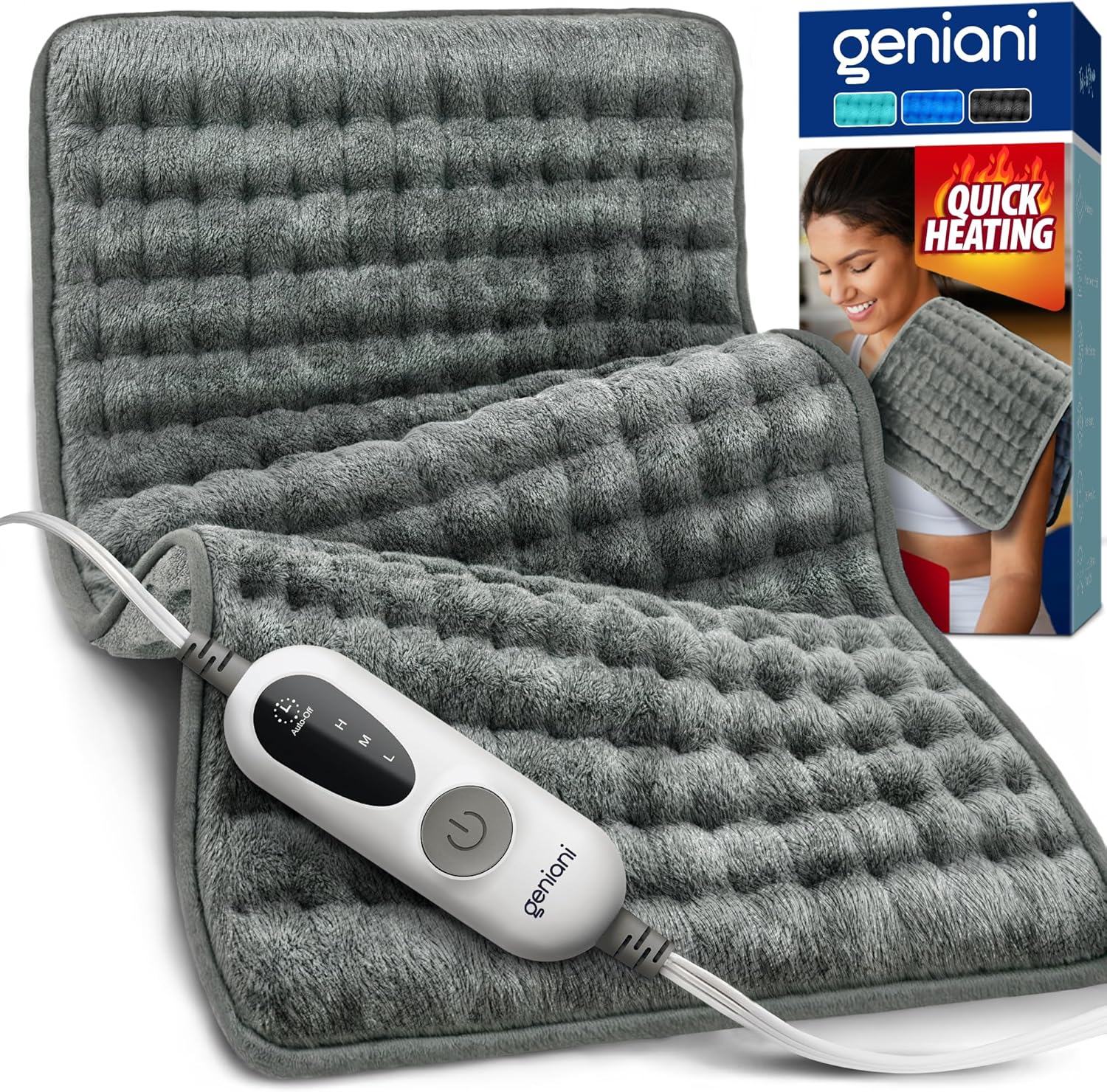
Electric Heating Pad

Heated Blanket
Bed mobility for older adults is safest when movement is slow, supported, and matched to the person’s strength and health needs. Small changes like better pillow placement, safer transfer steps, and the right equipment can improve comfort and reduce fall risk.
Bed mobility may sound like a small issue, but for many older adults it affects daily comfort, safety, and confidence. The ability to roll, sit up, and get out of bed smoothly can make mornings easier and help prevent falls at night.
Good bed mobility tips for elderly adults are not about forcing movement. They are about reducing strain, using the right supports, and making each transfer more predictable for both seniors and caregivers.
- Safety first: Reduce twisting, rushing, and pulling on arms during transfers.
- Use support wisely: Pillows, rails, and wedges can help when chosen correctly.
- Watch for red flags: Dizziness, pain, weakness, or new confusion need medical advice.
- Make the room easier: Improve lighting, clear clutter, and adjust bed height.
Why Bed Mobility Matters for Elderly Safety, Comfort, and Independence
When getting in and out of bed becomes difficult, a senior may start avoiding movement, sleeping poorly, or depending on others for tasks they used to do alone. That can lower confidence and make everyday routines feel harder than they should.
Simple movement problems in bed can also raise the risk of falls, skin pressure, stiffness, and pain. If a person cannot shift position easily, they may stay too long in one posture, which can worsen soreness and discomfort over time.
How limited bed mobility affects falls, pain, sleep, and confidence
Limited bed mobility can lead to unsafe twisting, sliding, or rushing when a person tries to get up. A sleepy or unsteady senior may grab furniture, lose balance, or put too much weight on one side.
Pain is another common issue. Arthritis, back pain, hip pain, and general weakness can make even a small turn in bed feel difficult, which may interrupt sleep and leave the person tired the next day.
Confidence matters too. When a senior worries about falling, they may move less, ask for help more often, or avoid getting up at night even when they need to use the bathroom.
Common situations where seniors struggle most in bed
Many older adults notice the most trouble when rolling over, scooting toward the edge of the mattress, sitting up from a flat position, or standing after waking. These movements often require core strength, balance, and coordination.
Difficulty may also show up after surgery, during recovery from illness, or when a person is using new medication that causes dizziness or sleepiness. If the problem is new or getting worse, talk to your doctor.
Assessing Bed Mobility Challenges Before Choosing a Solution
Before buying equipment or changing routines, it helps to understand exactly where the difficulty starts. Is the problem rolling, pushing up, standing, or simply staying comfortable through the night?
A clear assessment can prevent guesswork and help caregivers choose the safest support. In some cases, a physical therapist or occupational therapist can offer more specific guidance.
Signs a senior needs help turning, sitting up, or getting out of bed
Common signs include using the arms to pull hard, sliding down the mattress, needing several tries to sit up, or pausing because of pain or dizziness. You may also notice the person holding the bed frame tightly for stability.
Other warning signs include shortness of breath with movement, fear of falling, or needing help every time they change position. If these patterns are frequent, the bed setup may need to change.
Factors to consider: strength, balance, arthritis, surgery recovery, and dementia
Different health issues affect bed movement in different ways. Weak leg muscles may make standing harder, while arthritis can make bending and twisting painful. Hip or knee surgery recovery may limit how much a person can move safely.
Dementia can also change how a person understands instructions or remembers safe movement steps. In that situation, simple cues, calm repetition, and a consistent routine often work better than long explanations.
Bed mobility needs can change from day to day. Pain, fatigue, medication side effects, and sleep quality can all affect how safely an older adult moves.
When a caregiver should observe movement patterns in real time
It is smart to watch the actual movement, not just ask how it feels. A senior may say they are “fine,” but still show unsafe habits like twisting sharply, pushing off with one arm, or losing balance at the edge of the bed.
Real-time observation is especially useful after a fall, after hospitalization, or when the person has recently become weaker. If you are unsure what is safe, consult your healthcare provider or a therapist.
Essential Bed Mobility Tips for Elderly Adults at Home
The best approach is usually a mix of safer movement technique, supportive positioning, and a bedroom setup that reduces effort. Small changes can make a big difference.
These tips are meant to be practical and gentle. If any movement causes sharp pain, dizziness, or fear of falling, stop and get medical advice.
Safe techniques for rolling, scooting, and repositioning without strain
When rolling, encourage the senior to bend one knee and use the shoulders and hips together, rather than twisting the back alone. A caregiver can guide the trunk and hips as one unit if help is needed.
To scoot, it often helps to bend both knees, press the feet lightly into the mattress, and shift the hips in small steps. A smooth sheet or slide sheet can reduce friction if the person has a hard time moving on their own.
Move the shoulders and hips together instead of twisting the spine sharply.
Make short, controlled shifts rather than one big effort.
Sit at the edge of the bed for a moment to check balance and reduce dizziness.
How to sit up and stand from bed with less effort
To sit up, many seniors do better by rolling onto one side first, then using the arms to push the upper body up while the legs lower toward the floor. This “side-lying to sitting” method can be easier than trying to lift straight up.
To stand, place both feet flat on the floor, lean slightly forward, and push from the mattress or a stable support surface. Avoid pulling on a caregiver’s arm or on a shaky bedside object.
If the senior feels dizzy, weak, or unsteady when sitting up, do not rush the transfer. Let them rest, and seek medical guidance if the symptom keeps happening.
Using pillows, wedges, and strategic support for comfort and alignment
Pillows can help keep the body in a more comfortable position and reduce pressure on sore joints. A pillow between the knees may help side sleepers, while a small wedge can support the upper body for those who breathe better at an incline.
Support should feel helpful, not restrictive. Too many pillows can make it harder to turn or stand, so it is worth testing a few arrangements and choosing the simplest one that works.
Practical examples for back pain, hip pain, and post-surgery recovery
For back pain, a firmer pillow under the knees while lying on the back may reduce strain. For hip pain, side-lying with a pillow between the knees can help keep the hips aligned.
After surgery, follow the specific instructions from the surgeon or rehabilitation team. Movement restrictions vary a lot by procedure, so always ask your doctor before trying a new technique.
Small changes in bed height, pillow placement, and mattress firmness can sometimes make transfers feel much easier without major home remodeling.
Helpful Equipment That Can Improve Bed Mobility
Equipment can be useful when technique alone is not enough. The best choice depends on the person’s strength, the caregiver’s ability to help, and the layout of the bedroom.
It is also worth checking whether a device fits the mattress and bed frame correctly. An aid that is unstable or too hard to reach can create more risk than benefit.
Bed rails, grab bars, transfer poles, and their best use cases
Bed rails and grab bars can give a senior something stable to hold while turning or sitting up. A transfer pole may help when a person needs extra support to rise from bed and there is enough floor space for safe placement.
These devices are not right for everyone. For some people with confusion, limited shoulder movement, or high fall risk, a rail can be unsafe if used incorrectly, so professional guidance is helpful.
Adjustable beds, wedge cushions, leg lifters, and slide sheets
An adjustable bed can raise the head or legs to reduce effort and improve comfort. Wedge cushions can create a similar effect at a lower cost, though they may be less flexible.
Leg lifters are often helpful after surgery or when a person has trouble moving one leg into bed. Slide sheets can reduce friction and make repositioning easier for both the senior and the caregiver.
| Option | Best For | Note |
|---|---|---|
| Bed rail | Extra support when sitting up | Must be installed and used safely |
| Transfer pole | Standing support near the bed | Needs a stable floor and enough clearance |
| Slide sheet | Repositioning with less friction | Often useful with caregiver assistance |
| Adjustable bed | Comfort and easier transfers | Higher cost, but very convenient for some homes |
Simple comparison of low-cost aids vs. higher-cost upgrades
Low-cost items such as pillows, wedge cushions, and slide sheets may solve many everyday problems. They are a good starting point if the difficulty is mild or still changing.
Higher-cost upgrades like adjustable beds or installed transfer supports may be worth considering when the person has ongoing pain, frequent nighttime transfers, or a caregiver who helps often. If you are unsure about coverage, ask the supplier and your insurance plan; Medicare coverage varies by item and medical need.
How to choose equipment based on bedroom layout and caregiver support
Measure the space around the bed before buying anything. A device that blocks walking paths, creates a tripping hazard, or does not fit the mattress height may be hard to use safely.
Also consider how much help is available at home. A person who is mostly alone may need simpler, self-use supports, while someone with a caregiver may benefit from aids designed for assisted transfers.
Common Mistakes That Make Bed Transfers Less Safe
Even well-meaning helpers can make bed transfers harder by using the wrong technique or rushing the process. A safer transfer is usually slower, steadier, and less forceful.
When possible, think support first and speed second. That mindset can prevent pain and reduce the chance of a sudden slip.
Pulling on arms or shoulders instead of supporting the trunk and hips
Pulling on an arm can strain the shoulder and does not always help the body move as a whole. Supporting the trunk and hips is usually safer and more effective.
If a caregiver needs help with body mechanics, a therapist can teach proper hand placement and movement strategies. This is especially important for people with weak bones or shoulder pain.
Using the wrong mattress height or unstable surfaces
If the bed is too high, feet may not touch the floor well. If it is too low, standing up may require too much effort from the knees and hips.
Unstable chairs, rolling bedside tables, and soft surfaces can also cause trouble. The safest transfer usually starts with a stable bed, clear floor, and secure support point.
Overlooking nighttime hazards like poor lighting, clutter, and slippery flooring
Nighttime trips to the bathroom are a common time for falls. Poor lighting can make it hard to find the edge of the bed, slippers, or a walker.
Keep the path clear, use a night light, and remove loose rugs or slippery mats when possible. A small change in lighting can make a big difference in confidence.
- Bed height feels manageable for standing
- Floor is clear of cords, rugs, and clutter
- Lighting is easy to reach at night
- Support tools are stable and within reach
Ignoring pain, dizziness, or fatigue during movement
Pain is a signal, not something to push through blindly. If movement suddenly hurts more, the person may need a different technique, a different support, or a medical checkup.
Dizziness and fatigue should also be taken seriously. If these symptoms are new, frequent, or severe, talk to your doctor before continuing the same routine.
When to Get Professional Help or Medical Guidance
Some bed mobility problems can be improved at home, but others need expert evaluation. If the issue is getting worse, do not wait too long to ask for help.
Professional guidance can prevent injury and make home care easier for everyone involved.
Warning signs that suggest fall risk, neurological issues, or mobility decline
Be alert for new weakness, repeated balance loss, confusion during transfers, numbness, shaking, or a major change in walking ability. These may point to a bigger health issue that should be assessed.
Frequent near-falls, inability to sit up without help, or a sudden drop in confidence can also be red flags. If these changes appear, consult a healthcare provider promptly.
When a physical therapist, occupational therapist, or home care aide can help
A physical therapist can help improve strength, balance, and safe movement patterns. An occupational therapist can suggest practical home setups and adaptive tools for daily tasks.
A home care aide may help with regular transfers, repositioning, and bedtime routines when family caregivers need support. The right service depends on the person’s condition, local availability, and insurance coverage.
Situations after surgery, stroke, or hospitalization that need expert evaluation
After surgery, stroke, or a hospital stay, bed mobility can change quickly. Instructions may include movement limits, weight-bearing restrictions, or special transfer rules that should be followed closely.
If the person seems weaker than expected, has trouble following directions, or cannot move safely with the current setup, ask for a professional reassessment. When in doubt, talk to your doctor before making major changes.
Creating a Safer Bed Mobility Routine for Daily Use
Routine brings comfort. When the same safe steps are used every day, seniors often feel more secure and caregivers feel less rushed.
A predictable pattern can also reduce nighttime confusion and make transfers smoother in the morning.
Step-by-step bedtime and morning movement routines for seniors and caregivers
At bedtime, keep essentials close by, position pillows before lying down, and make sure the call bell, phone, or walker is within reach if needed. At waking, pause before moving quickly and check for dizziness.
A simple routine might include rolling to one side, sitting up slowly, placing both feet on the floor, and standing only after balance feels steady. Repeating the same sequence can build confidence.
How to reduce nighttime awakenings and make transfers more predictable
Try to reduce unnecessary trips by placing water, tissues, glasses, and a clear pathway within easy reach. Good sleep habits and a comfortable mattress setup can also help limit restless repositioning.
If nighttime bathroom trips are frequent, ask your doctor whether a medical cause, fluid timing issue, or medication side effect may be contributing. Do not make medication changes on your own.
Simple home setup changes that support consistency and confidence
Use the same lighting, the same support tools, and the same transfer steps each day whenever possible. Familiarity helps the body and mind work together more smoothly.
Small improvements may include raising the bed slightly, moving furniture to create a wider path, or keeping a sturdy chair nearby for dressing. For some families, broader living changes may also matter, such as exploring senior living vs independent living when home safety needs become harder to manage.
If a senior uses voice assistance or reminders, tools like how seniors can use Alexa at home may help with lighting, reminders, and daily routines. For families balancing many care tasks, outside help such as senior nannies may also reduce strain.
Final Recap: Best Bed Mobility Tips for Elderly Comfort and Independence
Safe bed mobility is about reducing strain, preventing falls, and keeping daily routines as comfortable as possible. The best solutions usually combine gentle movement technique, the right support tools, and a bedroom setup that matches the person’s needs.
If a senior has new pain, dizziness, weakness, or repeated trouble getting in and out of bed, do not ignore it. Talk to your doctor or healthcare provider, especially after surgery, hospitalization, or a recent fall.
Key takeaways on safety, support tools, and when to seek help
Start with simple changes like better pillow placement, safer transfer steps, and improved lighting. Add equipment only when it clearly improves safety and comfort.
When movement is painful, unstable, or changing quickly, professional guidance is the safest next step.
Encouraging a comfort-first, fall-prevention approach in 2026
A comfort-first approach is not about doing less. It is about helping older adults move with less effort and more confidence so they can stay as independent as possible.
With the right plan, bed mobility can become safer, calmer, and more manageable for both seniors and caregivers.
Frequently Asked Questions
A common safe method is to roll onto one side, push up with the arms, and let the legs lower toward the floor before standing. The person should pause at the edge of the bed first to check balance and dizziness.
Helpful items may include bed rails, transfer poles, wedge cushions, slide sheets, and adjustable beds. The best choice depends on strength, pain level, bedroom space, and whether a caregiver is available.
Talk to your doctor if the trouble is new, getting worse, or linked to dizziness, weakness, pain, or falls. Medical advice is also important after surgery, stroke, or hospitalization.
Yes, pillows can improve comfort and alignment by supporting the knees, hips, or upper body. They can also make turning and resting easier, as long as they do not create too many obstacles.
Caregivers should avoid pulling on arms and instead support the trunk and hips with controlled, close-to-body movements. A therapist can teach safer transfer techniques if help is needed often.
Good lighting, a clear floor, stable support tools, and a bed height that allows both feet to touch the floor can all help. Removing clutter and slippery rugs also makes nighttime transfers safer.