
Bathroom Safety Tips for Elderly People That Prevent Falls

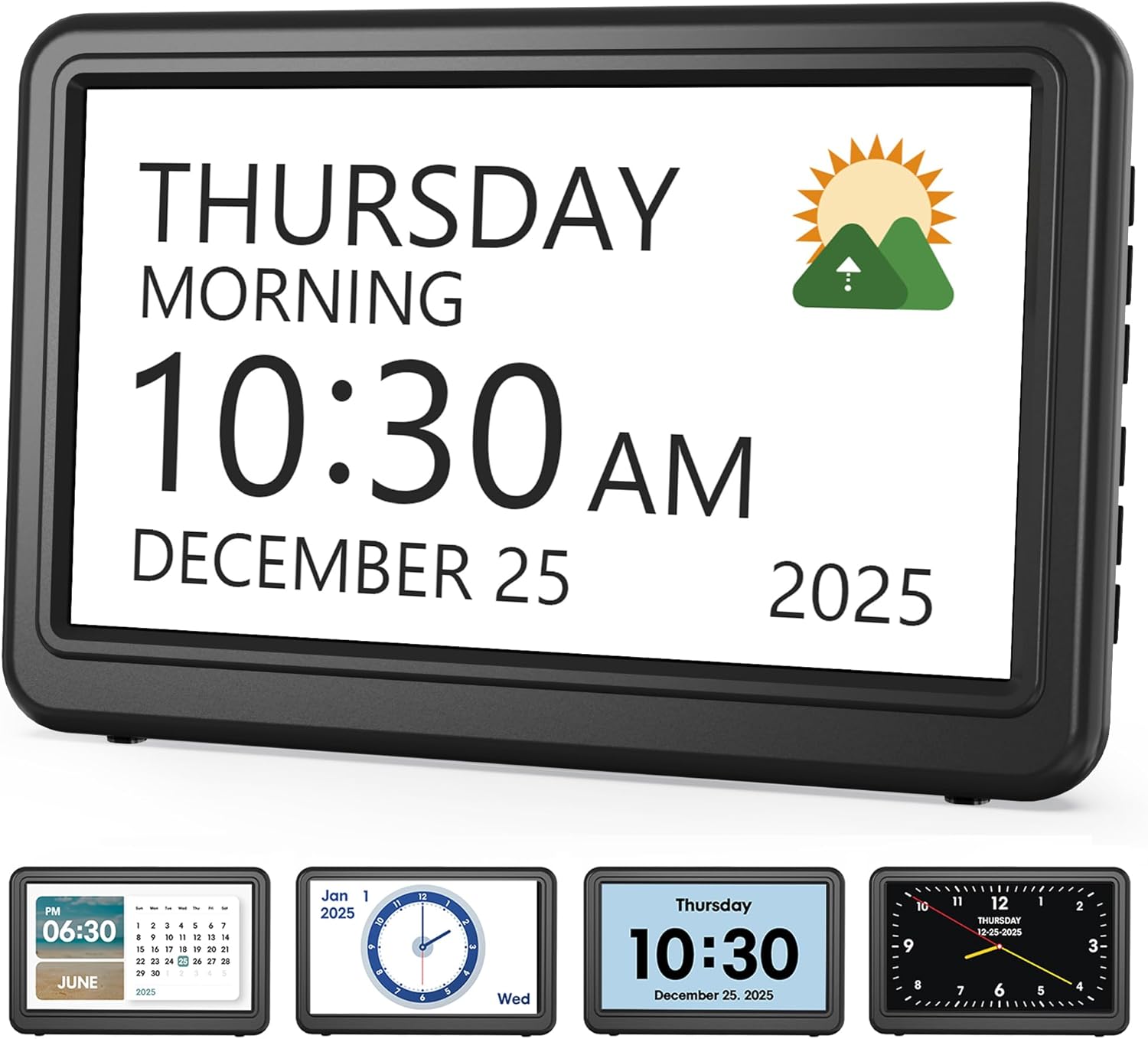
Medication Reminder Alarm

Mattress Topper Memory Foam

Compression Socks
Bathroom safety for older adults starts with reducing slips, improving support, and making the space easier to see and use. The most effective changes are grab bars, non-slip surfaces, better lighting, and safer shower or toilet setups.
Bathroom falls are one of the most preventable home safety problems for older adults, yet they still happen often because bathrooms combine water, hard surfaces, and tight movement. The good news is that a few smart changes can make bathing, toileting, and nighttime bathroom trips much safer.
- Grab bars matter: Install them near the shower, tub, and toilet for steady support.
- Reduce slips: Use non-slip mats, adhesive strips, and keep floors dry.
- Improve access: Raised toilet seats and shower chairs can make transfers safer.
- Light the path: Motion-sensor lights help with nighttime bathroom trips.
- Get help early: Repeated falls, dizziness, or fear of bathing should prompt a professional review.
Why Bathroom Falls Are So Common for Older Adults in 2026
Bathrooms are small spaces where people often move quickly, turn suddenly, or stand on slippery surfaces. That combination can be risky for anyone, but it becomes much more serious as balance, strength, and reaction time change with age.
High-risk bathroom hazards: wet floors, tight spaces, and poor lighting
Wet tile, soap residue, condensation, and splashes around the tub or shower can turn a normal step into a slip. Tight layouts also make it harder to use a walker, cane, or even steady hand support when turning around.
Poor lighting adds another layer of danger, especially at night. A senior who cannot clearly see the edge of a tub, a raised threshold, or a small object on the floor is more likely to misstep.
How reduced balance, vision, and mobility increase fall risk
Many older adults have slower balance recovery, weaker leg muscles, or joint pain that makes stepping over a tub wall harder than it used to be. Vision changes can also make it harder to judge distance, height, and wet spots.
Mobility limitations matter too. If standing for long periods is tiring or painful, a person may rush through bathing or grab the nearest object for support, even if it is not stable.
If bathroom safety concerns are part of a larger decline in daily function, it may help to review home support options and aging-in-place planning with a trusted family member or caregiver. In some cases, a broader home safety review is a better next step than buying one device at a time.
Bathroom Safety Tips for Elderly People That Prevent Falls
The safest bathroom setup is usually the one that reduces the need to step, twist, reach, or balance on one foot. Small upgrades can make a real difference, especially when they are placed where the person actually moves during daily routines.
Install grab bars in the shower, tub, and near the toilet
Grab bars give older adults a stable place to hold while entering the shower, lowering into a tub, or sitting down and standing up from the toilet. They should be mounted into wall studs or installed with hardware designed for the wall type, not just stuck on with adhesive unless the product is specifically made for that use and the surface is appropriate.
It is important not to confuse grab bars with towel bars. Towel bars are not designed to hold body weight and can pull out under stress.
Use non-slip mats, adhesive strips, and a shower chair
Non-slip mats can help inside and outside the tub or shower, but they should lie flat and stay in place. Loose mats that curl at the edges can create a trip hazard instead of reducing one.
Adhesive strips are useful on smooth shower floors, especially where soap and water make surfaces slick. A shower chair can also reduce fatigue and lower the chance of slipping while washing, shaving, or rinsing.
Raise the toilet seat and keep essentials within easy reach
A higher toilet seat can make sitting and standing easier for people with stiff knees, weak hips, or balance issues. Some homes use a raised seat attachment, while others benefit from a toilet safety frame or rails.
Keep toilet paper, wipes, soap, shampoo, and a change of clothes within arm’s reach so the person does not need to stretch, twist, or step away from support. Reaching for items on a high shelf is a common way to lose balance.
Improve lighting with motion-sensor or night lights
Better lighting is one of the simplest bathroom safety upgrades. Motion-sensor lights can help during nighttime trips without requiring the person to search for a switch in the dark.
Night lights near the doorway, toilet, and sink can also reduce confusion and help define the walking path. For people with low vision, brighter lighting may be needed, but glare should be avoided because it can make surfaces harder to judge.
Place commonly used items at waist height so the person can reach them without bending low or stretching overhead. That small change can reduce both slips and sudden loss of balance.
Safe Shower and Bath Setup: Practical Changes That Make a Difference
Not every bathroom needs a full remodel to become safer. In many homes, the biggest improvement comes from choosing the right bathing setup for the person’s balance, strength, and comfort level.
Walk-in showers vs. traditional tubs: which is safer
Walk-in showers are often easier to use because they remove the need to step over a high tub wall. They can be a strong option for someone who uses a walker, has limited leg strength, or feels unsteady when lifting a foot high.
Traditional tubs can still be workable if they have sturdy grab bars, a bath seat or transfer bench, and a safe way to enter and exit. The safest choice depends on the person’s mobility, the bathroom layout, and whether the shower floor drains well.
Handheld showerheads and anti-scald controls for safer bathing
A handheld showerhead makes it easier to bathe while seated and reduces the need to stand under a fixed stream. It also helps caregivers assist without forcing the older adult to turn or twist as much.
Anti-scald controls are worth considering because older adults may react more slowly to sudden temperature changes. Water that feels briefly “too hot” can lead to a startled movement, which is a common way slips happen.
Choosing the right bath bench, transfer bench, or seat
A bath bench is usually used inside a shower, while a transfer bench extends across the tub edge to help someone sit down outside the tub and slide across safely. A simple shower seat may be enough for a person who can step in safely but cannot stand for long.
The right choice depends on height, weight support needs, and how much help the person needs getting in and out. If the person has had recent falls, uses mobility aids, or feels unsure about transfer devices, it is wise to ask an occupational therapist or other professional for guidance.
Bathing equipment works best when it matches the user’s abilities. A device that is too small, too low, or difficult to move can create new hazards.
Common Bathroom Safety Mistakes Families Often Miss
Families often focus on the obvious risks, like a slippery shower floor, but miss smaller problems that matter just as much. A bathroom can look tidy and still be unsafe if the wrong items are being used for support or storage.
Using loose rugs, unstable step stools, or cluttered storage
Loose rugs are a classic fall hazard because they can slide, bunch up, or curl at the corners. Step stools are also risky in bathrooms because they force an older adult to climb and balance in a wet environment.
Cluttered storage creates hidden problems too. Bottles, cleaning supplies, and extra towels on the floor or on low shelves can block safe movement and force awkward reaching.
Placing towel bars where grab bars should be used
This mistake is common because towel bars are often installed near the toilet or tub where support seems useful. The problem is that they are not built to bear weight and may loosen over time.
If a person needs something to hold onto while sitting, standing, or stepping, a real grab bar is the safer option. In many cases, replacing a towel bar with a properly installed support bar is one of the most important upgrades a family can make.
Ignoring slippery soap, poor drainage, and worn flooring
Soap buildup and shampoo residue can leave surfaces slick even after the water is turned off. Poor drainage can also leave standing water in the shower or around the tub, which increases the chance of a slip.
Worn flooring, cracked tile, or uneven transitions between surfaces can be just as dangerous. If the bathroom floor is damaged or the shower pan is unstable, a repair professional may be needed before adding accessories.
Do not rely on suction-mounted products unless they are rated for the specific surface and installed exactly as directed. If a support device slips even once, it should be removed and replaced.
Bathroom Safety Equipment: What to Buy and What It Costs
Bathroom safety products vary widely in price and quality, so it helps to think in terms of function rather than brand name. The best choice is usually the one that fits the bathroom, supports the user’s body size and mobility, and can be installed securely.
Budget-friendly upgrades for renters and low-cost fixes
For renters or families on a tighter budget, simple non-slip mats, adhesive traction strips, a shower chair, and motion-sensor night lights can make a meaningful difference. These are often the easiest changes to try first because they do not require a full remodel.
Temporary products can be helpful, but they should still be checked regularly for wear, movement, or water damage. If a product depends on suction or adhesive, the surface condition matters a lot.
Mid-range and premium options for aging-in-place homes
Mid-range upgrades often include sturdier grab bars, toilet safety frames, raised toilet seats, and better shower seating. Premium changes may include a walk-in shower conversion, threshold removal, or more extensive bathroom remodeling.
These larger projects can improve long-term safety, but they also cost more and may require permits, contractors, or plumbing changes depending on the home. When the project is more than a simple accessory swap, it is smart to get professional estimates and compare options carefully.
How to compare grab bars, mats, seats, and toilet aids
When comparing products, look at weight rating, installation method, surface compatibility, and ease of cleaning. A product that is easy to install but hard to sanitize may not be ideal in a bathroom setting.
It also helps to think about the user’s routine. A person who mainly struggles with standing may need a seat, while someone who feels unsteady during transfers may need rails or a transfer bench instead. For readers researching bathing accessories, our guides on non-slip bathroom mats, toilet safety rails, and a shower chair for elderly users can help narrow the choices.
When Bathroom Fall Risk Means It’s Time to Get Professional Help
Some bathroom problems can be fixed with simple products, but others signal a bigger mobility or safety issue. If the risk is rising, waiting too long can lead to a serious fall or injury.
Warning signs that a senior needs a home safety assessment
A home safety assessment may be worth considering if the older adult avoids bathing, needs help getting in and out of the tub, or seems afraid of the bathroom. Repeated near-falls, holding onto walls, or sitting down unexpectedly are also warning signs.
If the bathroom is already modified but the person still feels unsafe, the issue may be less about products and more about the overall setup or the person’s current physical needs.
When to involve an occupational therapist or caregiver
An occupational therapist can help match the bathroom setup to the person’s movement patterns and recommend practical changes for safety. A caregiver may also help by supervising bathing, organizing supplies, or noticing risks the senior no longer sees clearly.
If the person has dementia, severe arthritis, stroke effects, or frequent balance problems, professional input becomes even more valuable. In those situations, a one-size-fits-all solution is rarely enough.
Red flags after a fall: pain, dizziness, or repeated near-falls
After any bathroom fall, watch for pain, bruising, trouble walking, confusion, dizziness, or reluctance to move. Even if the person says they are “fine,” symptoms can appear later and should not be ignored.
Repeated near-falls are also a red flag because they often mean the next incident could be worse. If falls are happening more than once, or if the person is now afraid to bathe alone, it is time to ask a professional for a fuller assessment.
Seek medical advice promptly after a fall if there is head impact, severe pain, new weakness, dizziness, or any change in alertness. These signs can point to an injury that needs evaluation.
Final Recap: The Most Effective Bathroom Safety Steps for Seniors
The best bathroom safety plan is usually a combination of steady support, better lighting, and fewer obstacles. For many families, the highest-impact changes are the ones that reduce slipping, improve transfers, and make nighttime bathroom trips safer.
Quick summary of the highest-impact changes to prevent falls
Start with grab bars, non-slip surfaces, proper lighting, and a safer bathing seat if needed. Then remove loose rugs, replace towel bars used as supports, and keep essentials within easy reach.
If the person’s bathroom is hard to enter, hard to stand in, or hard to move through safely, consider whether a walk-in shower, raised toilet seat, or transfer bench would better match their needs.
Simple next steps for families improving safety in 2026
Walk through the bathroom with the older adult and note where they feel unsteady, reach awkwardly, or need extra support. That conversation often reveals the most useful changes faster than guessing from the outside.
For families wanting to support aging in place, bathroom safety is one of the most worthwhile places to start. A few well-chosen upgrades can reduce risk, build confidence, and make daily routines easier to manage.
Frequently Asked Questions
Grab bars are often one of the most important upgrades because they provide stable support near the shower, tub, and toilet. They work best when installed correctly and paired with non-slip surfaces and good lighting.
Some suction products can help in limited situations, but they should not be treated like permanent support unless the manufacturer clearly states they are safe for that use. If a bar slips even once, it should be replaced with a more secure option.
A shower chair or bench can help if standing is tiring or unsteady. The best choice depends on the person’s balance, the shower layout, and whether they need help entering or exiting the tub.
You can often improve safety with non-slip mats, adhesive strips, motion-sensor lights, a shower chair, and a raised toilet seat. These changes are usually easier and less expensive than a full renovation.
A safety assessment is a good idea if there are repeated near-falls, fear of bathing, trouble getting in or out of the tub, or a recent fall. An occupational therapist can help identify the most useful changes.
Check for pain, dizziness, confusion, weakness, or head impact, and seek medical advice if any of those are present. Even if the fall seems minor, repeated falls or near-falls should be taken seriously.