
At What Age Is a Cat Senior


Digital Thermometer

Non-Slip Slippers

Button Hook Dressing Aid
Most cats are considered senior at age 7, but aging varies by breed, health, and lifestyle. Recognizing the signs early helps you provide better care, from diet changes to vet checkups, ensuring your cat stays happy and healthy in their golden years.
Key Takeaways
- Cats are typically considered senior at age 7: While some sources say 10, most veterinarians agree that cats begin showing age-related changes around 7 years old.
- Large breeds age slower, small breeds faster: Breeds like Maine Coons may not be senior until 8–10, while smaller cats may show signs earlier.
- Senior cats need more frequent vet visits: Biannual checkups help catch diseases like kidney failure or arthritis early.
- Diet and exercise matter more than ever: Senior cats benefit from age-appropriate food, hydration, and gentle play to maintain muscle and joint health.
- Behavioral changes are common: Increased sleep, litter box issues, or confusion can signal cognitive decline or pain.
- Home adjustments improve quality of life: Ramps, soft beds, and easy-access litter boxes make daily life easier for aging cats.
- Early detection saves lives: Catching conditions like hyperthyroidism or diabetes early leads to better outcomes and longer, healthier lives.
📑 Table of Contents
Understanding When a Cat Becomes a Senior
Cats are mysterious, graceful, and often seem ageless—until one day, you notice they’re not quite as spry as they used to be. Maybe they’re sleeping more, grooming less, or hesitating before jumping onto the couch. These subtle shifts can leave pet parents wondering: At what age is a cat senior? The truth is, there’s no single magic number, but most experts agree that cats begin entering their senior years around age 7.
Unlike dogs, where size plays a huge role in aging, cats age more uniformly—though breed and lifestyle still matter. Indoor cats, for example, tend to live longer and stay healthier than outdoor ones. Genetics, diet, and access to veterinary care also influence how gracefully a cat ages. So while 7 is a good benchmark, it’s not a hard rule. Some cats remain playful and energetic well into their teens, while others show signs of aging as early as 6.
Understanding when your cat becomes a senior isn’t just about labeling them—it’s about adjusting your care to meet their changing needs. Just like humans, senior cats benefit from proactive health management, tailored nutrition, and a little extra love and attention. The earlier you recognize the shift, the better you can support your feline friend through this important life stage.
Why “Senior” Isn’t Just a Number
Age is more than a number—especially when it comes to cats. While 7 is widely accepted as the starting point for senior status, it’s important to remember that aging is a gradual process, not a switch that flips overnight. Think of it like human middle age: you don’t suddenly wake up one day and feel “old.” Instead, small changes accumulate over time.
For cats, these changes might include slower movement, weight fluctuations, or changes in sleep patterns. A 7-year-old cat might still chase toys and nap in sunbeams, but they may not recover as quickly from play or groom as thoroughly. These are normal signs of aging, not necessarily illness—but they do signal that your cat’s needs are evolving.
That’s why labeling a cat as “senior” isn’t about treating them like they’re fragile. It’s about being more observant, more proactive, and more intentional with their care. It’s about shifting from reactive to preventive health strategies. And it’s about celebrating the wisdom and companionship that come with age, while ensuring your cat remains comfortable, active, and loved.
Signs Your Cat Is Entering Their Senior Years
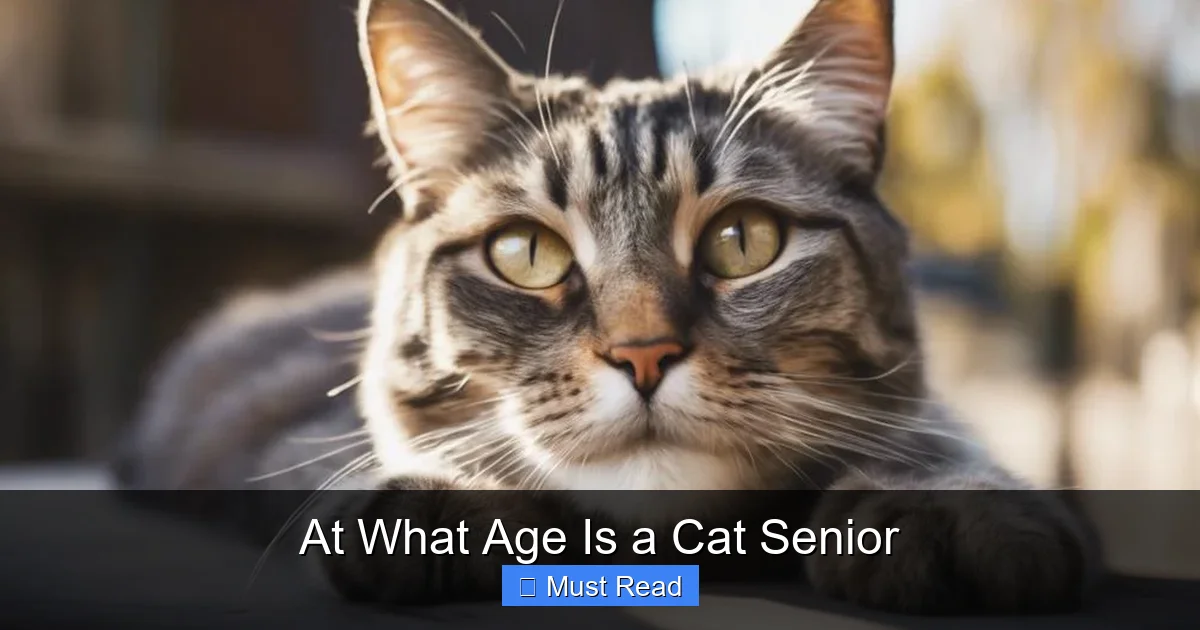
Visual guide about At What Age Is a Cat Senior
Image source: catcafecentral.com
Recognizing the signs of aging in cats can be tricky. Unlike dogs, cats are masters at hiding discomfort—a survival instinct from their wild ancestors. That means subtle changes often go unnoticed until they become more serious. But with a little attention, you can spot the early signs that your cat is becoming a senior.
One of the first things many owners notice is a change in activity level. Your once-bouncy kitten may now prefer lounging over leaping. They might hesitate before jumping onto high surfaces or take the stairs one at a time. This doesn’t always mean arthritis, but it’s a red flag worth discussing with your vet.
Grooming habits often change, too. Senior cats may groom less frequently, leading to matted fur or a dull coat. Some cats over-groom certain areas due to pain or stress. Dental issues are also common—bad breath, drooling, or reluctance to eat hard food can signal gum disease or tooth decay.
Behavioral and Physical Changes to Watch For
Behavioral shifts are among the most telling signs of aging. Your cat might sleep more—up to 18–20 hours a day—or become more vocal, especially at night. Some senior cats develop confusion or disorientation, a condition sometimes called feline cognitive dysfunction (similar to Alzheimer’s in humans). They might wander aimlessly, forget where the litter box is, or seem anxious in familiar spaces.
Physical changes are easier to spot. Weight loss or gain can indicate underlying issues like hyperthyroidism or diabetes. Cloudy eyes, reduced hearing, or a slower reaction to stimuli are also common. You might notice your cat drinking more water or urinating more frequently—both potential signs of kidney disease, which is prevalent in older cats.
Even their coat can tell a story. A once-glossy fur may become dry, thin, or patchy. Skin may lose elasticity, and nails might grow thicker and more brittle. These changes aren’t just cosmetic—they can affect your cat’s comfort and mobility.
When to Talk to Your Veterinarian
If you notice any of these changes, don’t panic—but do schedule a vet visit. Many age-related conditions are manageable with early intervention. For example, kidney disease can be slowed with a special diet and hydration support. Arthritis pain can be eased with medication, supplements, or physical therapy.
Your vet can also help distinguish between normal aging and illness. A cat who’s less active might just be slowing down—or they could be in pain. A blood panel, urine test, or X-ray can reveal hidden problems before they become serious.
The key is to be proactive. Don’t wait for obvious symptoms. Regular checkups, especially after age 7, are your best tool for keeping your senior cat healthy.
How to Care for a Senior Cat

Visual guide about At What Age Is a Cat Senior
Image source: cat-world.com
Caring for a senior cat is one of the most rewarding parts of pet ownership. It’s also one of the most important. As your cat ages, their needs change—and so should your care routine. The good news? With a few thoughtful adjustments, you can help your cat live a long, comfortable, and joyful life.
Start with nutrition. Senior cats have different dietary needs than younger ones. They often require fewer calories but more high-quality protein to maintain muscle mass. Many senior-specific cat foods are formulated to support kidney function, joint health, and digestion. Look for options with added omega-3 fatty acids, antioxidants, and reduced phosphorus.
Hydration is equally important. Older cats are prone to dehydration, which can worsen kidney issues. Encourage water intake by offering multiple water bowls, using a cat fountain, or adding water to wet food. Some cats prefer running water, so a fountain can be a game-changer.
Creating a Comfortable Environment
Your home should adapt to your cat’s changing mobility. If your cat struggles to jump, provide ramps or steps to favorite spots like the bed or windowsill. Orthopedic beds with extra cushioning can ease joint pain and improve sleep quality.
Litter boxes should be easily accessible—low-sided boxes are ideal for arthritic cats. Place them in quiet, private areas, and consider having one per floor if you live in a multi-level home. Scoop daily and clean weekly to encourage use.
Temperature matters, too. Senior cats are less able to regulate their body heat. Keep your home warm in winter and provide cool, shaded areas in summer. A heated pet bed or a cozy blanket can make a big difference on chilly nights.
Mental and Physical Stimulation
Just because your cat is older doesn’t mean they don’t need playtime. Gentle, low-impact activities like feather wands or puzzle toys can keep their mind sharp and muscles toned. Short, frequent sessions are better than long, intense ones.
Mental stimulation is crucial for preventing cognitive decline. Rotate toys, introduce new scents, or hide treats around the house to encourage exploration. Even a simple cardboard box can spark curiosity and joy.
Don’t forget affection. Senior cats often crave more attention and reassurance. Gentle petting, soft voices, and quiet companionship can reduce anxiety and strengthen your bond.
Health Concerns in Senior Cats
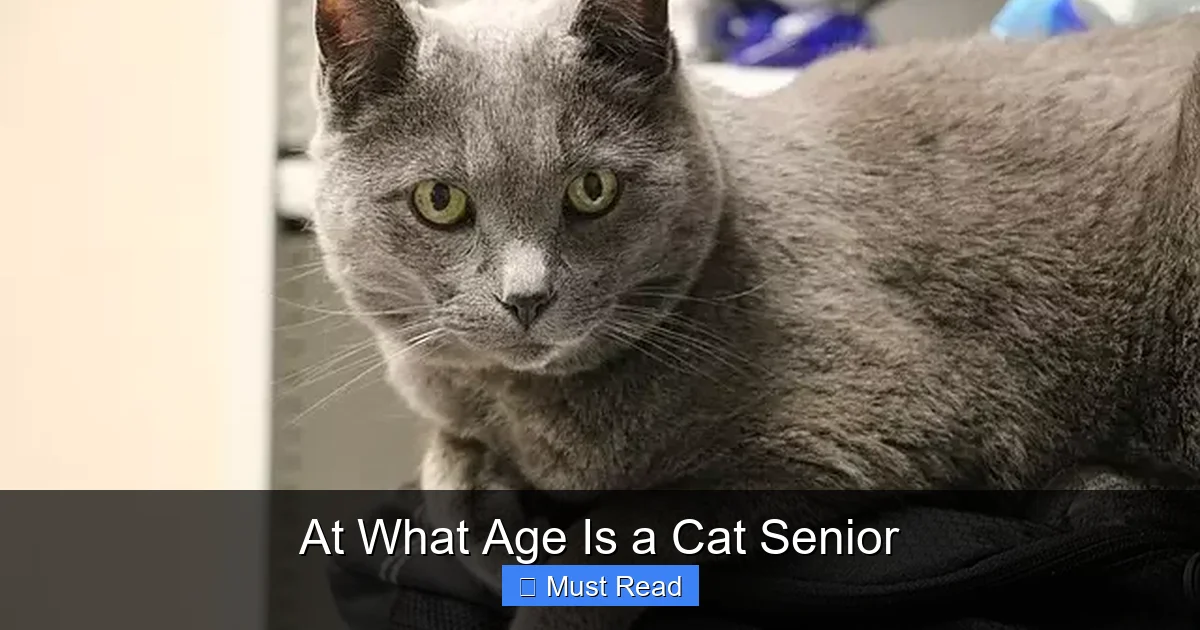
Visual guide about At What Age Is a Cat Senior
Image source: cattitudedaily.com
As cats age, they become more vulnerable to certain health conditions. The good news? Many of these are treatable—especially when caught early. Being aware of common senior cat ailments can help you spot problems before they escalate.
Kidney disease is one of the most prevalent issues in older cats. It develops slowly and often goes unnoticed until it’s advanced. Signs include increased thirst, frequent urination, weight loss, and lethargy. Regular blood and urine tests can detect kidney dysfunction early, and dietary changes can slow progression.
Hyperthyroidism is another common condition, especially in cats over 10. It occurs when the thyroid gland becomes overactive, leading to weight loss despite a ravenous appetite, hyperactivity, and vomiting. It’s highly treatable with medication, diet, or radioactive iodine therapy.
Arthritis and Mobility Issues
Arthritis affects up to 90% of cats over 12, but it can start as early as 7. Unlike dogs, cats rarely limp—they just move less. You might notice stiffness after resting, reluctance to climb stairs, or changes in gait. Joint supplements like glucosamine and chondroitin, along with anti-inflammatory medications, can provide relief.
Physical therapy, gentle massage, and controlled exercise also help maintain mobility. Avoid letting your cat become overweight, as excess strain worsens joint pain.
Dental Disease and Oral Health
Dental problems are incredibly common in senior cats—over 70% have some form of dental disease by age 3. Tartar buildup, gum inflammation, and tooth loss can cause pain, infection, and difficulty eating. Regular dental cleanings under anesthesia are essential, along with daily brushing if possible.
Bad breath isn’t normal. If your cat’s breath smells foul, schedule a dental checkup. Untreated dental issues can lead to heart, liver, or kidney damage.
Cognitive Dysfunction and Behavioral Changes
Feline cognitive dysfunction (FCD) affects about 30% of cats aged 11–15 and over 50% of those over 15. Symptoms include disorientation, changes in sleep-wake cycles, increased vocalization (especially at night), and litter box accidents.
While there’s no cure, medications, environmental enrichment, and supplements like SAMe or omega-3s can slow decline. Keeping a consistent routine and minimizing stress also helps.
Veterinary Care for Senior Cats
Regular veterinary care is the cornerstone of senior cat health. While younger cats may only need annual checkups, senior cats benefit from biannual visits—every six months. These appointments allow your vet to monitor weight, blood pressure, organ function, and overall well-being.
During a senior wellness exam, your vet will likely perform a full physical, including checking eyes, ears, teeth, and joints. Blood work (a complete blood count and chemistry panel) and a urinalysis are standard to screen for kidney disease, diabetes, liver issues, and more.
Diagnostic Tools and Preventive Screenings
Advanced diagnostics like X-rays, ultrasounds, or blood pressure monitoring may be recommended based on your cat’s health history. These tools help detect problems before symptoms appear.
Preventive care also includes dental cleanings, parasite control, and vaccination updates. While senior cats may not need as many vaccines, core immunizations (like rabies) should still be maintained.
When to Consider Palliative or Hospice Care
As cats reach their final years, the focus may shift from treatment to comfort. Palliative care aims to manage pain and maintain quality of life when curing a disease isn’t possible. This might include pain medication, appetite stimulants, or fluid therapy.
Hospice care provides support for both cat and owner during end-of-life decisions. It’s not about giving up—it’s about ensuring dignity, peace, and love in your cat’s final days.
Emotional Support and Bonding in the Senior Years
The senior years are a time of deep connection. Your cat may become more affectionate, seeking out your lap or following you from room to room. This isn’t clinginess—it’s trust. They’re relying on you for comfort, security, and care.
Be patient. Senior cats may move slowly, nap often, or need help with grooming. They might not respond to loud noises or sudden movements. Create a calm, predictable environment where they feel safe.
Celebrate the small joys: a purr, a slow blink, a head bump. These moments are precious. And remember, your presence is their greatest comfort.
Frequently Asked Questions
At what age is a cat considered senior?
Most veterinarians consider cats to be senior at age 7, though some sources suggest 10. This is when age-related changes often begin, such as reduced activity, weight shifts, or early signs of disease.
Do indoor cats age differently than outdoor cats?
Yes. Indoor cats typically live longer and stay healthier due to reduced exposure to dangers like traffic, predators, and disease. They also tend to receive more consistent veterinary care and nutrition.
Can a senior cat still play and be active?
Absolutely. Many senior cats remain playful and enjoy gentle activities like feather toys or puzzle feeders. The key is adapting play to their mobility and energy level.
How often should I take my senior cat to the vet?
Senior cats should have veterinary checkups every six months. These visits help catch diseases early and ensure your cat’s care plan is up to date.
What should I feed my senior cat?
Choose a high-quality senior cat food with balanced protein, reduced phosphorus, and added joint and kidney support. Wet food can also help with hydration.
Is it normal for my senior cat to sleep more?
Yes, increased sleep is common in older cats. However, if your cat seems unusually lethargic, disoriented, or uninterested in food, consult your vet to rule out illness.