
Air Mattress vs Memory Foam: Which Is Better for Seniors?


Lightweight Vacuum Cleaner
Electric Heating Pad

Toilet Safety Rails
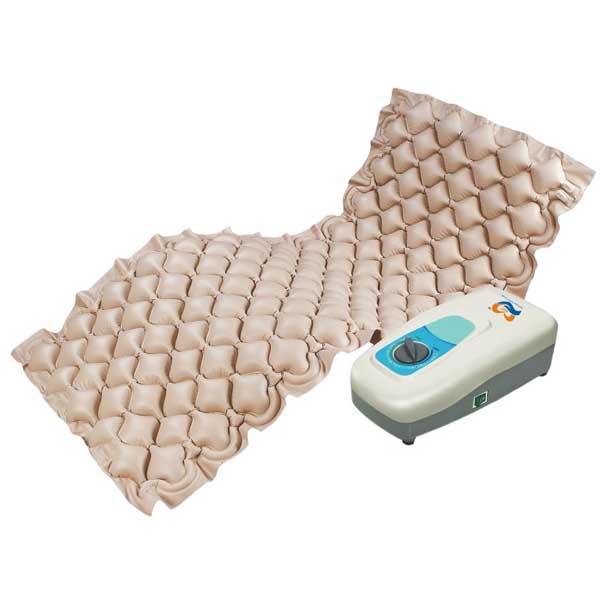
Air Mattress vs Memory Foam is a useful comparison when comfort, ease of use, and cost all matter. But these two mattress types serve very different needs. A basic air mattress is often made for temporary sleep, while memory foam is built for regular use.
For seniors, the choice is not just about softness. Getting in and out of bed, keeping the mattress stable, cleaning it, and finding a comfortable firmness can all matter. The right choice depends on how the mattress will be used.
Quick Comparison
For everyday sleep, memory foam is usually the better choice for most seniors. It offers steady support and does not need inflation or an electric pump.
An air mattress makes more sense for temporary sleep, guests, travel, or occasional use. If adjustable firmness is the main goal, however, a true adjustable airbed can be a different story.
The biggest question is simple: Do you need a temporary bed or a mattress for everyday sleep?
Air Mattress vs Memory Foam At a Glance
The two options differ most in purpose, support, setup, and care.
| Feature | Air Mattress | Memory Foam |
|---|---|---|
| Best use | Temporary sleep | Everyday sleep |
| Setup | Needs inflation | Usually simple |
| Firmness | Adjustable by air | Fixed feel |
| Power | Often needs a pump | No power needed |
| Pressure relief | Depends on design | Usually strong |
| Maintenance | May need air checks | Low |
| Storage | Easy to deflate | Bulky |
| Portability | Excellent | Poor |
| Long-term use | Model dependent | Usually better suited |
Basic air mattresses are generally intended for temporary sleeping, while airbeds with adjustable chambers are designed for regular nightly use.
Air Mattress: A Practical Look for Seniors
An air mattress can be handy when a full mattress is not practical. It can be inflated when needed and stored away when the sleeping space is no longer required.
For seniors who need a temporary bed, that can be a major advantage.
Ease of Use
Setup is simple in theory. Place the mattress, connect the pump if included, and inflate it.
The catch is that someone still needs to handle the pump, power connection, and mattress placement. A basic air mattress may also need occasional adjustment if the feel changes.
For a senior with limited strength, this setup may be easier with help from a caregiver or family member.
Key Strengths
- Easy to store after use
- Much easier to move than a full foam mattress
- Useful for guests or temporary sleeping
- Firmness can often be changed by adding or removing air
- Usually takes less storage space when deflated
Potential Drawbacks
- Not usually the best choice for permanent daily sleep
- Requires inflation and deflation
- Can be affected by leaks or air loss
- A pump may create extra setup work
- The feel can be less stable than a regular mattress
A basic air mattress should not be confused with a premium adjustable airbed. Adjustable airbeds use internal air chambers and are designed for regular sleep.
Memory Foam: A Practical Look for Seniors
Memory foam takes a very different approach. Instead of using air, it uses foam layers that respond to body weight and pressure.
This gives it a close, cushioned feel that many sleepers prefer.
Ease of Use
Once the mattress is set up, there is very little to operate. There is no pump, no inflation setting, and no daily adjustment.
That simplicity can be useful for seniors who want a mattress that is always ready to use.
Memory foam can also provide good pressure relief because it contours around areas such as the shoulders and hips.
Key Strengths
- Simple everyday use
- No pump or electricity needed
- Good pressure relief
- Good motion isolation
- No regular inflation
- Well suited to permanent bedroom use
Potential Drawbacks
- Harder to move and store
- Some models can retain heat
- Deep foam can make movement harder for some sleepers
- Initial odor can occur with some foam mattresses
- Firmness cannot be changed as easily as an adjustable airbed
Which Is Easier for Seniors to Use?
For everyday use, memory foam usually wins on simplicity.
Once it is in place, there are no controls to learn. There is also no need to inflate it before sleeping.
An air mattress wins when portability and storage matter most. It can be deflated and put away, which is useful for temporary sleeping arrangements.
The choice can therefore change based on the situation:
- For a permanent bedroom, memory foam is usually easier.
- For occasional guests, an air mattress is often more practical.
- For frequent firmness changes, an adjustable airbed deserves consideration.
- For a caregiver setting, setup and maintenance should be considered carefully.
Performance Comparison
Performance depends on the exact model, but the basic difference is clear.
Memory foam is known for body contouring and pressure relief. This can make it appealing to sleepers who like a softer, cushioned feel.
Air mattresses offer a different benefit: adjustability. Adding or removing air changes the firmness. More advanced airbeds can even provide separate firmness settings for each side of the bed.
| Performance Area | Air Mattress | Memory Foam |
|---|---|---|
| Firmness adjustment | Strong | Limited |
| Body contouring | Model dependent | Strong |
| Pressure relief | Model dependent | Strong |
| Ease of movement | Often easier | Can feel slower |
| Stability | Model dependent | Usually consistent |
| Long-term simplicity | Lower | Higher |
For most seniors who want a simple daily mattress, the steady feel of memory foam is easier to manage.
Comfort, Accessibility, and Senior-Friendly Design
Comfort is highly personal. A softer mattress is not automatically better, and a firmer mattress is not automatically safer.
For seniors, the height and edge of the bed can also matter. A mattress that sinks deeply may make sitting on the edge or getting up harder. Experts also recommend considering whether the bed height lets the sleeper place their feet comfortably on the floor.
Memory foam can provide good cushioning, but some sleepers may find deep contouring harder to move on.
An air mattress may feel more flexible, but a basic inflatable design may not provide the same stable support as a full-time mattress.
Features Comparison
The most useful feature depends on how the mattress will be used.
| Feature | Air Mattress | Memory Foam |
|---|---|---|
| Adjustable firmness | Yes, on most models | No |
| Pump required | Usually | No |
| Power needed | Often | No |
| Storage | Excellent | Poor |
| Pressure relief | Varies | Usually strong |
| Everyday convenience | Moderate | Strong |
If adjustable firmness is important, do not assume every air mattress offers the same level of control. Advanced airbeds may have multiple chambers and remote or app controls, while basic air mattresses are much simpler.
Price, Maintenance, and Long-Term Value
An air mattress can be attractive because it avoids the size and cost of a traditional full-time mattress. It also becomes much easier to store when deflated.
But long-term value depends on intended use.
For occasional use, an air mattress can offer excellent practical value.
For everyday sleep, memory foam is usually the more sensible comparison because it is designed to remain in place and requires no inflation system.
Airbeds designed for nightly use are a separate category and can be much more expensive. Sleep Foundation notes that adjustable airbeds are among the more expensive mattress types.
Memory foam also has fewer operating parts. There is no pump, hose, or air chamber to manage.
Who Should Choose an Air Mattress?
Choose an air mattress if:
- You need a temporary sleeping surface.
- You have limited storage space.
- You want something easy to move.
- You need an occasional guest bed.
- Portability matters more than long-term convenience.
- You want to adjust firmness through inflation.
For nightly use, consider an actual adjustable airbed rather than assuming a basic inflatable mattress will provide the same experience.
Who Should Choose Memory Foam?
Choose memory foam if:
- You need a mattress for everyday sleep.
- You want a simple setup.
- You prefer a stable sleeping surface.
- Pressure relief is important to you.
- You do not want to use a pump.
- You want low day-to-day maintenance.
Memory foam can be especially appealing to seniors who prefer a cushioned feel and do not want to deal with inflation or controls.
Air Mattress vs Memory Foam — Final Verdict
Best for most seniors: Memory Foam
Best for temporary use: Air Mattress
Best for portability: Air Mattress
Best for everyday simplicity: Memory Foam
Best for adjustable firmness: Air Mattress, or more specifically an adjustable airbed
The biggest difference is purpose. A basic air mattress is convenient when you need a temporary bed that can disappear into storage. Memory foam is better suited to a permanent sleeping setup.
If firmness adjustment is the main reason you are considering an air mattress, look closely at adjustable airbeds. They are a different category and may offer much more control.
Scoring Summary
The scores below are practical editorial ratings based on the typical characteristics of each category, not laboratory test results.
| Category | Air Mattress | Memory Foam |
|---|---|---|
| Ease of Use | 7/10 | 9/10 |
| Senior-Friendly Design | 7/10 | 8/10 |
| Everyday Performance | 6/10 | 9/10 |
| Maintenance | 6/10 | 9/10 |
| Portability | 10/10 | 3/10 |
| Value for Everyday Use | 6/10 | 9/10 |
How We Evaluate Products
This comparison focuses on practical factors that can affect a senior’s buying decision.
These include:
- Ease of use
- Comfort
- Accessibility
- Stability
- Maintenance
- Setup
- Portability
- Safety
- Long-term value
The comparison does not claim hands-on testing or laboratory testing.
Senior-Specific Buying Considerations
Before choosing either option, think about how the mattress will actually be used.
Physical Effort
Consider whether inflating, deflating, moving, or rotating the mattress will be difficult.
Setup
A memory foam mattress needs little daily operation. An air mattress needs inflation before use.
Storage
An air mattress is much easier to store. Memory foam needs a permanent space.
Firmness
Think about whether you want one fixed feel or the ability to change firmness.
Getting Out of Bed
Bed height and edge stability matter. A mattress that sinks too much can make getting up less comfortable for some people.
Safety
Keep the mattress on a stable, suitable surface. For seniors with balance or mobility concerns, bed height and ease of getting in and out should be considered carefully.
If a mattress choice relates to a specific medical condition or significant mobility issue, it is sensible to ask a healthcare professional for individual guidance.
Common Buying Mistakes
Avoid these mistakes when comparing the two:
- Choosing an air mattress for daily use without checking its intended purpose.
- Assuming every air mattress offers adjustable firmness.
- Ignoring the need for a pump and electricity.
- Choosing very soft foam without considering ease of movement.
- Forgetting about bed height.
- Comparing a basic air mattress with a premium adjustable airbed as if they were the same product.
Conclusion
Air Mattress vs Memory Foam is less about finding one universal winner and more about choosing the right tool for the job. A basic air mattress is portable, easy to store, and useful for temporary sleeping. Memory foam is simpler for everyday use and offers consistent cushioning and pressure relief.
For most seniors looking for a permanent mattress, memory foam is the more practical choice. For temporary sleeping or easy storage, an air mattress has the clear advantage. And if adjustable firmness is the real goal, an adjustable airbed may be worth considering instead of a basic inflatable mattress.
