
Aging in Place Checklist Step by Step for Safe Living


Hearing Aid Cleaning Kit

Lap Desk for Reading
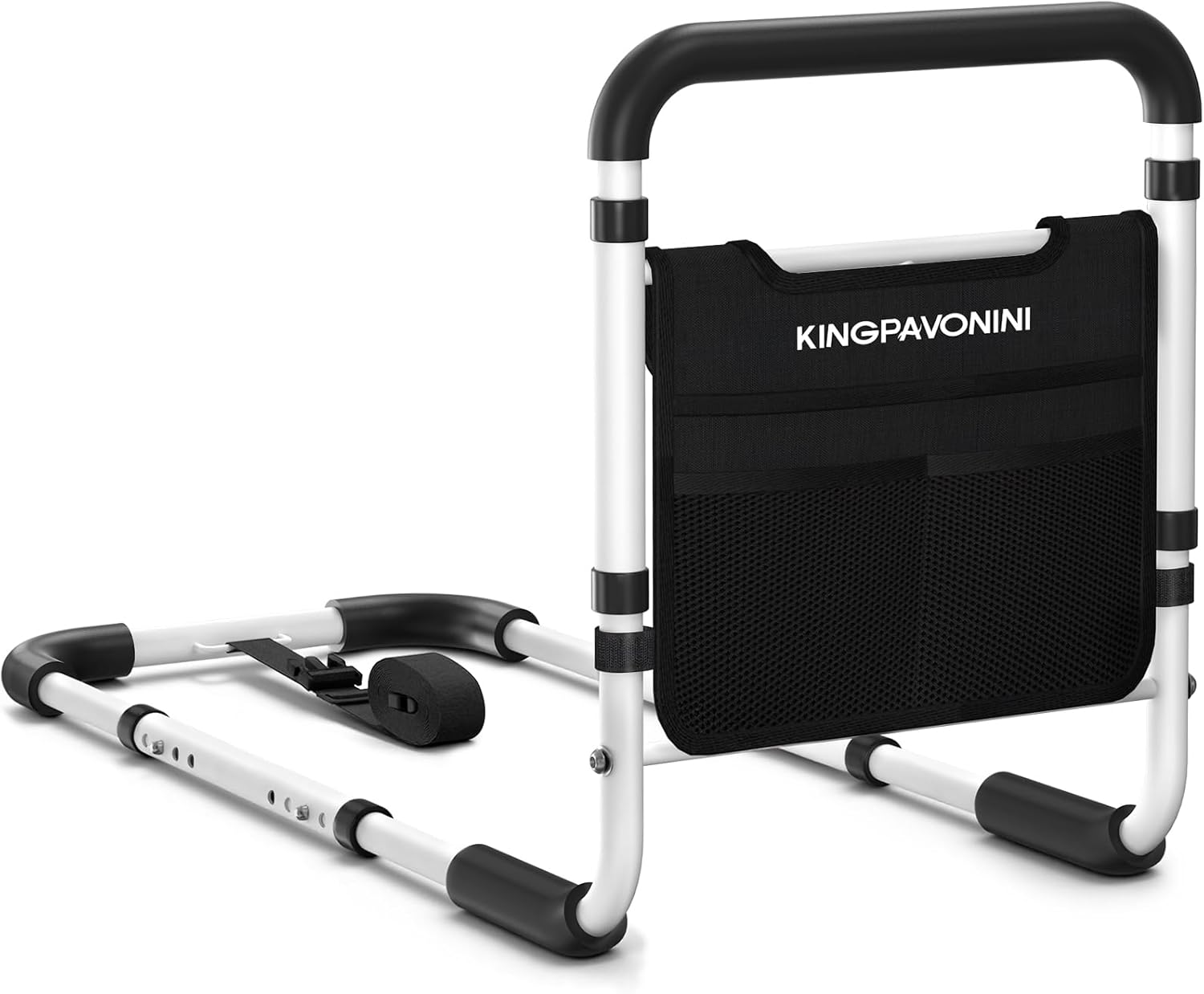
Bed Rail for Seniors
Aging in place works best when you check the home step by step, starting with fall hazards and the bathroom and kitchen. Add daily support, match the home to changing needs, and ask for professional help when safety problems keep growing.
If you want to stay at home safely as you age, a clear aging in place checklist step by step can make the process much easier. It helps you spot hazards, plan smart upgrades, and decide when to bring in extra support.
- Start with safety: Check entryways, stairs, lighting, and floor hazards first.
- Focus on high-risk rooms: Bathrooms and kitchens usually need the earliest upgrades.
- Match the home to needs: Mobility, vision, hearing, and memory changes should guide updates.
- Plan daily support: Medication, meals, and check-ins can reduce risk and stress.
- Get help early: Falls, confusion, or structural issues may need professional input.
What “Aging in Place” Means in 2026 and Why a Step-by-Step Checklist Matters
Aging in place means living in your own home for as long as possible while adjusting the home and daily routine to fit changing needs. In 2026, that often includes a mix of low-cost home fixes, simple technology, and outside help when needed.
A step-by-step checklist matters because safety problems rarely appear all at once. They usually build over time, and it is easier to prevent trouble than recover from a fall, medication mix-up, or avoidable injury.
How the checklist supports safer daily living, independence, and caregiver peace of mind
A good checklist breaks a big goal into smaller actions. That makes it easier to focus on what matters first, such as preventing falls, improving lighting, and making daily tasks less tiring.
It also gives family caregivers a shared plan. Instead of guessing what to fix next, everyone can see the priorities and work through them in order.
Who benefits most: older adults, adult children, and family caregivers
Older adults benefit because the home becomes easier to move around in and use every day. Adult children benefit because they can see where support is needed without taking over too much at once.
Family caregivers also benefit from fewer emergencies and less stress. If you are comparing support options, it may help to review resources like a senior caregiver daily checklist template and local community support such as senior services that help at home.
Step 1: Assess the Home From the Front Door to the Bedroom
Start with a full walk-through of the home. Look at the path from the entryway to the bedroom, because that is where many daily trips, stumbles, and balance problems happen.
Entryways, stairs, doorways, lighting, and floor hazards to inspect first
Check whether the front steps are sturdy, the handrails are secure, and the doorway is easy to enter with groceries, a cane, or a walker. Good lighting at entrances and hallways matters, especially at night.
Also look at floor surfaces. Uneven thresholds, slippery tile, loose mats, and dark corners can all increase fall risk.
Room-by-room red flags that increase fall risk or limit mobility
Walk through each room and ask a simple question: “Can I move safely without reaching, bending, or stepping around clutter?” If the answer is no, that area needs attention.
Bedrooms should have a clear path to the bed and bathroom. Living rooms should have stable furniture, clear walking space, and enough light to see edges and cords.
Practical examples: rugs, cords, narrow hallways, and hard-to-reach storage
Common trouble spots include throw rugs that slide, lamp cords across walkways, and narrow hallways blocked by baskets or furniture. High shelves are another issue if you must climb, stretch, or use a chair to reach them.
- Secure handrails at stairs and entrances
- Bright lighting in hallways and bedrooms
- Clear walkways with no loose cords or clutter
- Non-slip flooring and stable rugs
- Easy access to beds, chairs, and storage
Step 2: Prioritize Bathroom and Kitchen Safety Upgrades
The bathroom and kitchen deserve special attention because they combine water, heat, sharp objects, and fast movement. Small changes here can prevent serious injuries.
Bathroom essentials: grab bars, non-slip mats, shower seating, and toilet support
Install grab bars where you need steady support, especially near the toilet and inside the shower or tub. Use non-slip mats or strips to reduce slipping on wet floors.
A shower chair or bench can make bathing safer and less tiring. A raised toilet seat or toilet support frame may also help if sitting down and standing up is difficult.
Kitchen changes: reachable cabinets, anti-scald protection, and safer appliances
Keep everyday items in lower, easy-to-reach cabinets. Store heavy pots, dishes, and food items where they can be reached without climbing or bending too far.
Anti-scald devices, clear appliance controls, and automatic shut-off features can reduce kitchen risks. If vision or memory is changing, simpler appliances may be safer than complicated ones.
Common mistakes: waiting until after a fall or choosing style over function
Many families wait until after a fall to make changes, but that can be a costly mistake. It is usually better to make the home safer before an emergency happens.
Another common problem is choosing a home feature because it looks nice, not because it works well. Safety should come first, especially in wet or high-use areas.
Do not ignore repeated slipping in the bathroom or trouble getting up from the toilet or tub. These are warning signs that the home may need immediate changes.
Step 3: Match the Home to Mobility, Vision, Hearing, and Cognitive Needs
Aging in place works best when the home matches the person, not the other way around. Needs can change after surgery, illness, a fall, or simply with age, so it helps to review them regularly.
Checklist items for walkers, canes, wheelchairs, and limited balance
If a walker or cane is used, hallways and doorways need enough room to move without scraping walls or furniture. Chairs should have sturdy arms, and beds should be easy to get in and out of.
For wheelchair users, check turning space, doorway width, and surface transitions between rooms. If balance is limited, remove anything that requires stepping over, climbing, or twisting.
Visibility and hearing improvements: brighter bulbs, contrast tape, alarms, and labels
Brighter bulbs can make steps, switches, and countertops easier to see. Contrast tape on stair edges or light switches can also help if vision is weaker.
For hearing changes, use smoke alarms and door alerts that are easier to notice. Clear labels on drawers, switches, and appliances can reduce confusion and make the home feel more manageable.
Memory-friendly adjustments for medication routines, appliance use, and reminders
Memory-friendly changes can be simple. Keep medications in one place, post reminders near the bathroom or kitchen, and use appliance settings that are easy to understand.
If confusion is becoming more common, talk to your doctor. Memory changes can have many causes, including medication side effects, hearing loss, dehydration, or a health condition that needs treatment.
If you notice new confusion, repeated missed medications, or sudden changes in balance or vision, ask a healthcare provider to review the cause before making major home decisions.
Step 4: Build a Daily Support Plan for Medications, Meals, and Personal Care
Safety at home is not only about the house itself. It also depends on whether daily routines are simple enough to do consistently and without strain.
Medication management tools and examples of simplified routines
Use a pill organizer, a written medication list, or reminder alarms if that helps you stay on schedule. Keep the routine as simple as possible, and review it with your pharmacist if you take several prescriptions.
Never change medication timing or stop a medicine on your own without asking your doctor or pharmacist. Some medicines need to be taken with food, at certain times, or with special caution because of side effects.
Meal prep, hydration, and easy-access storage for safer independent living
Easy meals can support energy and reduce the temptation to skip eating. Keep healthy snacks, water, and simple meal ingredients in places that are easy to reach.
Hydration matters too, especially in warm weather or when taking medicines that can cause dry mouth or dizziness. If appetite, chewing, or swallowing is becoming difficult, talk to your doctor.
When to bring in help: home care, meal delivery, transportation, or check-in services
Some people do well with a little outside help rather than a major move. Home care, meal delivery, transportation, and regular check-in services can fill the gaps while preserving independence.
If you want to compare support options, it can help to look at local resources such as senior check benefits and support services or community-oriented senior community centers that may offer helpful programs.
Keep a simple daily routine visible in the kitchen or bedroom. A written schedule can reduce stress for both the older adult and the caregiver.
Step 5: Compare Low-Cost Fixes vs. Bigger Home Modifications
Not every aging in place improvement has to be major. In many homes, a few low-cost updates make a big difference right away.
Budget-friendly upgrades: lighting, rails, decluttering, and smart devices
Budget-friendly changes include brighter bulbs, better night lighting, extra handrails, and removing clutter from walkways. Simple smart devices, such as voice assistants or reminder systems, may also help with daily routines.
These smaller fixes are often the best place to start because they are practical, flexible, and easier to adjust later if needs change.
Midrange and major changes: walk-in showers, ramps, stair lifts, and widened doorways
Some homes need bigger changes, especially when stairs, narrow doors, or a tub become hard to manage. Walk-in showers, ramps, stair lifts, and widened doorways can improve access and reduce strain.
These projects usually need planning, permits, or professional work. Costs and insurance coverage can vary, and Medicare often does not cover standard home remodeling, so it is smart to check your plan and ask about any benefits before you begin.
How to decide what to do now, what to plan for later, and what to avoid overspending on
Do the changes that reduce immediate danger first. Then plan for upgrades that will matter in the next year or two, especially if mobility is already changing.
Avoid overspending on features that look impressive but do not solve a real problem. If you are unsure, a simple home review can help you decide what is urgent and what can wait.
| Option | Best For | Note |
|---|---|---|
| Low-cost fixes | Quick safety improvements | Good first step for most homes |
| Midrange upgrades | Ongoing mobility concerns | Often worth planning ahead |
| Major modifications | Long-term accessibility needs | Usually requires professional help |
Step 6: Know When to Ask for Professional Help
Some situations can be handled with simple fixes, but others need expert attention. Knowing the difference can prevent injury and avoid costly mistakes.
Warning signs that a home assessment, occupational therapist, or contractor is needed
Consider a professional home assessment if the person is having trouble moving safely through the house, getting in and out of the bathroom, or using stairs. An occupational therapist can suggest practical changes based on daily function.
A contractor may be needed for ramps, structural changes, or bathroom remodeling. If you are comparing senior living options as part of the bigger plan, you may also find helpful background in senior living reviews when thinking about future care needs.
Safety concerns that should not be DIY projects, especially electrical, structural, or bathroom work
Do not treat electrical problems, loose stair structures, major plumbing issues, or support-bar installation as casual weekend projects if you are unsure what you are doing. A poor repair can create a bigger hazard than the original problem.
Bathroom work is especially important because water and slippery surfaces increase the chance of injury. When in doubt, consult a qualified professional.
Caregiver red flags: repeated falls, confusion, missed medications, or trouble with stairs
Caregivers should pay attention to patterns, not just one bad day. Repeated falls, skipped medicines, trouble using the stairs, or growing confusion may mean the current home setup is no longer enough.
At that point, it is wise to reassess the plan with the older adult, the doctor, and any relevant home care professional. A safer home is important, but so is getting the right level of support.
Insurance coverage for home modifications varies widely. If a change is related to a health need, ask your healthcare provider, pharmacist, or insurance plan whether any part of the cost may be covered.
Final Aging in Place Checklist Recap for Safer Living at Home
The best aging in place checklist step by step starts with a home safety walk-through, then moves to bathroom and kitchen upgrades, daily support planning, and realistic budget decisions. From there, match the home to mobility, vision, hearing, and memory needs, and bring in professional help when the situation calls for it.
Quick summary of the step-by-step priorities for 2026 households
First, remove fall hazards and improve lighting. Next, make the bathroom and kitchen safer, then simplify daily routines for medications, meals, and personal care.
After that, compare low-cost changes with larger modifications and decide what is needed now versus later. If health or safety concerns are growing, do not wait to ask for help.
How to turn the checklist into an ongoing seasonal review for long-term safety
Aging in place is not a one-time project. Review the home every season, after any fall, and whenever health, vision, balance, or memory changes.
That kind of regular check-in helps the home stay safe, comfortable, and workable for the long term.
Frequently Asked Questions
Start with a full home walk-through from the front door to the bedroom. Look for fall hazards, poor lighting, narrow paths, and anything that makes daily movement harder.
Bathroom safety, clear walkways, better lighting, and easier access to daily items usually matter most. These changes can reduce fall risk and make the home easier to use.
Repeated falls, trouble with stairs, missed medications, or growing confusion are signs the plan may need more support. A doctor, occupational therapist, or contractor may be needed.
Coverage varies, and Medicare often does not pay for standard home remodeling. Ask your plan, healthcare provider, or pharmacist about any possible coverage or related benefits.
Better lighting, decluttering, adding rails, and using non-slip mats are often low-cost starting points. Smart devices and reminder tools can also help without major remodeling.
Talk to your doctor if there are repeated falls, new confusion, sudden balance problems, or medication issues. These may point to a health problem that needs medical review.