
Aging in Place Checklist Cost Guide for Smart Planning


LED Clip Reading Light
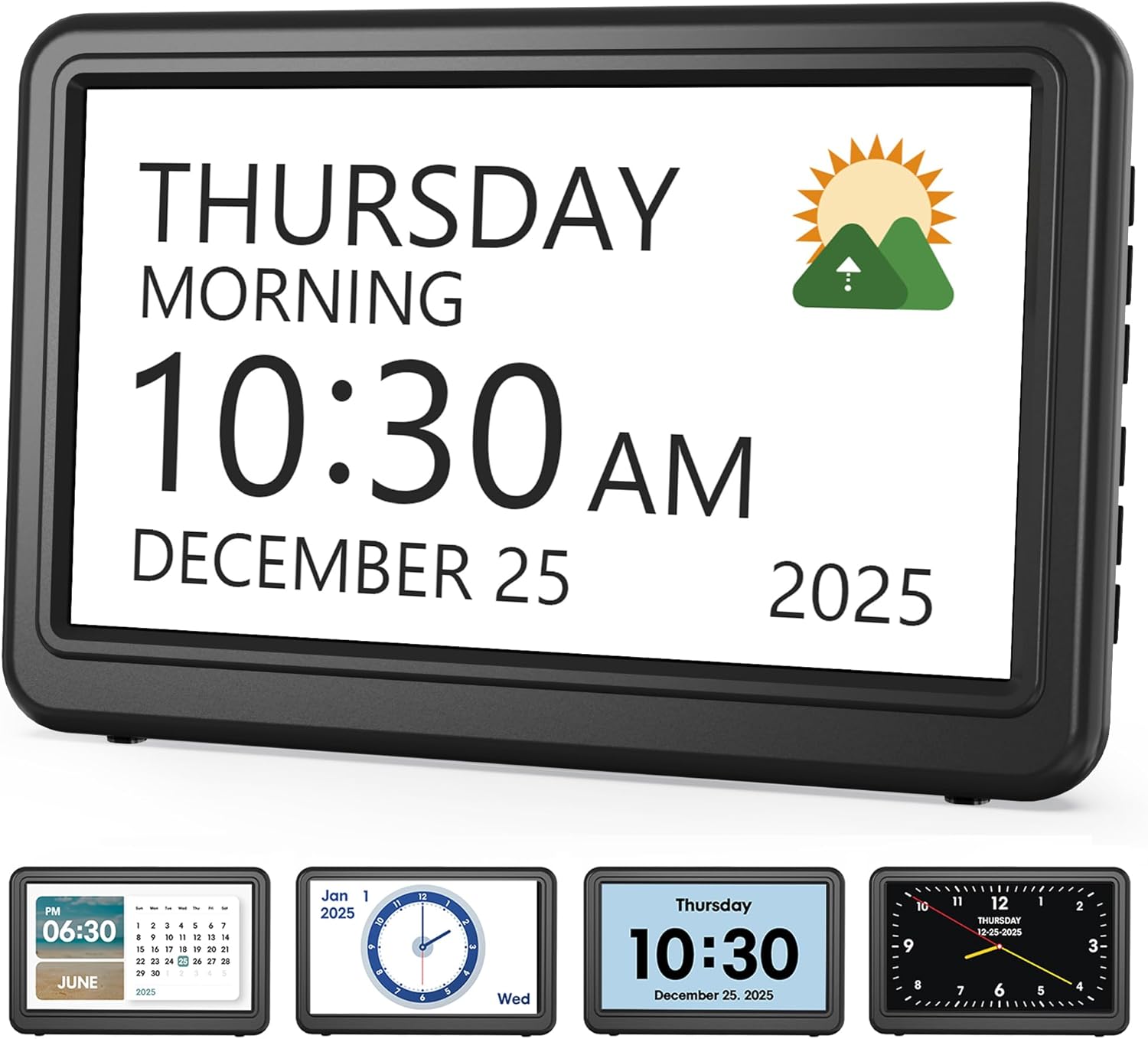
Medication Reminder Alarm

Spill-Proof Travel Mug
The aging in place checklist cost depends on the home, the person’s health needs, and whether you choose small safety fixes or larger renovations. A phased budget and a professional home assessment usually help keep spending under control.
Planning to stay in your own home can be deeply comforting, but it also takes honest budgeting. The aging in place checklist cost depends on the condition of the home, your mobility needs, and whether you choose simple fixes or larger renovations.
For many families, the smartest approach is to treat the checklist as a planning tool, not just a shopping list. That means looking at safety, access, daily support, and future care needs together. If you are also comparing home care options, a senior caregiver daily checklist template can help you think through the kind of help that may be needed at home.
- Start with safety: Focus first on fall risks, bathrooms, stairs, and entryways.
- Budget in phases: Spread projects out if you live on a fixed income.
- Use expert input: A contractor or occupational therapist can prevent costly mistakes.
- Watch hidden costs: Maintenance, permits, and replacement parts add up.
What “Aging in Place Checklist Cost” Really Includes in 2026
The phrase aging in place checklist cost covers much more than grab bars and a shower chair. In 2026, it usually includes a home review, small repairs, accessibility upgrades, smart technology, and sometimes ongoing support from caregivers or maintenance help.
The final cost can vary a lot by home size, local labor rates, and the person’s health needs. A checklist for someone who uses a cane will look very different from one for a person with memory changes, arthritis, or a wheelchair.
Why a checklist is more than a home safety list
A home safety list checks for hazards like loose rugs or poor lighting. An aging in place checklist goes further by asking whether the home still works for daily life: bathing, cooking, getting in and out, answering the door, and moving safely from room to room.
That broader view matters because safety problems often show up in small ways first. A doorway that feels “a little tight” today may become a real barrier later if balance, strength, or joint pain changes.
Core cost categories: assessment, repairs, safety upgrades, and ongoing support
Most budgets include four main parts. First is the assessment, which may be done by a contractor, occupational therapist, or aging-in-place specialist. Second are repairs, such as fixing steps, handrails, or damaged flooring.
Third are safety upgrades, like improved lighting, bathroom changes, and mobility aids. Fourth is ongoing support, which can include home care visits, maintenance, monitoring devices, or periodic re-checks as needs change. If you are comparing community living with home changes, articles like Park View Place senior living reviews can also help you think through the cost of staying home versus moving.
How to Build an Aging in Place Budget Before You Start
A good budget starts before any product is purchased. The best way to avoid overspending is to list needs room by room, then rank them by urgency, safety, and how long they are likely to remain useful.
Costs vary by region, home layout, and the level of assistance needed. If a health condition affects balance, memory, vision, or strength, talk to your doctor before making major home changes.
Assessing the home room by room to avoid surprise expenses
Walk through the home slowly and note where daily tasks feel difficult. Pay special attention to bathrooms, stairs, entryways, hallways, lighting, and places where someone might carry laundry, groceries, or medications.
This room-by-room review helps you see hidden costs early. For example, a simple ramp may also require threshold changes, better drainage, or a new handrail to be truly useful.
Prioritizing must-have changes versus nice-to-have upgrades
Not every improvement needs to happen at once. Must-have changes are the ones that reduce immediate fall risk or help with essential tasks, such as bathing safely or reaching the front door.
Nice-to-have upgrades may improve comfort, but they are not always urgent. A new finish or decorative fixture can wait if the budget is tight and a safer bathroom floor cannot.
Using a phased budget for seniors on fixed incomes
A phased budget spreads projects across months or seasons. This is often the most realistic approach for people living on Social Security, retirement income, or limited savings.
Start with items that reduce fall risk, improve access, or prevent injury.
Decide how much to spend now and what can wait until later.
Recheck what is still needed before buying the next item.
Typical Costs for the Most Common Aging in Place Modifications
Every home is different, so the numbers below should be treated as general planning ranges, not fixed prices. Labor, permits, product quality, and local demand can change the final bill quickly.
Bathroom upgrades: grab bars, walk-in tubs, shower conversions, and non-slip flooring
Bathroom changes are often the first priority because wet surfaces increase fall risk. Simple additions like grab bars and non-slip mats are usually less expensive than full remodels, while shower conversions and walk-in tubs can become much larger projects.
If a bathroom change is being made because of a medical condition, ask your healthcare provider what features matter most. For example, a person with arthritis may need easier controls, while someone with dizziness may need more stable seating and support.
Entryway and mobility improvements: ramps, widened doorways, stair lifts, and threshold fixes
Entryway changes help a person get in and out of the home safely. Small threshold fixes may be enough in some houses, but ramps, stair lifts, and widened doors can become necessary when walking becomes harder.
These projects often cost more because they may involve carpentry, materials, and sometimes permits. If the home already has narrow halls or steep steps, the budget should include a little extra for unexpected structural work.
Kitchen and living area changes: lighting, reachable storage, lever handles, and seating
Kitchen and living room upgrades are usually about reducing strain. Better lighting, lower shelves, lever-style handles, and sturdy seating can make everyday tasks easier without a major remodel.
- Improves daily comfort and confidence
- Reduces reaching, bending, and twisting
- Can often be done in stages
These changes are especially helpful when fatigue is a problem. A person who tires easily may benefit as much from a better chair and clearer walkway as from a larger renovation.
Smart home and emergency tech: medical alert systems, sensors, voice assistants, and monitoring devices
Technology can add a layer of support, especially for people who live alone. Medical alert systems, motion sensors, voice assistants, and monitoring devices can help with reminders, communication, and emergency response.
Many families use technology as a backup, not a replacement, for human help. It works best when paired with regular check-ins and a clear emergency plan.
Before buying monitoring equipment, check whether the person is comfortable using it. If memory loss, hearing problems, or vision issues are present, simpler tools may work better than a complicated system. Consult your pharmacist or healthcare provider if reminders are needed for medications or health routines.
Cost Comparison: DIY Fixes vs Professional Aging in Place Services
Some projects are safe and affordable to do yourself, while others are worth hiring out. The right choice depends on the person’s skill level, the home’s structure, and whether the change affects safety or medical access.
What homeowners can safely handle themselves
Many homeowners can manage low-risk tasks such as replacing light bulbs, adding night lights, installing non-slip mats, organizing shelves, or moving furniture to create clearer paths.
Simple products can make a meaningful difference when installed correctly. Still, anything involving plumbing, electrical work, or major balance support should be handled carefully.
When licensed contractors or occupational therapists are worth the cost
Professional help is often worth it when a project involves stairs, bathrooms, structural changes, or repeated fall risk. An occupational therapist can also help match the home to the person’s real abilities, not just the current floor plan.
This can prevent expensive mistakes. A contractor may build a ramp, but a therapist may notice that the doorway, turning space, or bathroom layout also needs adjustment for safe use.
How labor, permits, and accessibility standards affect the final price
Labor is often the biggest part of the bill, especially for remodeling. Permits may be required for certain projects, and accessibility standards can add to the cost but also improve safety and long-term usefulness.
| Option | Best For | Note |
|---|---|---|
| DIY | Small, low-risk updates | Good for simple fixes if you are steady and confident |
| Contractor | Structural or bathroom work | Better for safety, code compliance, and durability |
| Occupational therapist | Complex mobility or care needs | Helpful when health changes affect daily function |
Common Mistakes That Make Aging in Place More Expensive
Many families spend more than they need to because they rush the process. A careful plan usually costs less in the long run than buying items one by one without a full picture.
Buying equipment before getting a proper home assessment
It is easy to buy a product that seems helpful online, only to find it does not fit the space. A proper assessment can prevent wasted money and reduce the chance of unsafe installation.
Ignoring future mobility needs and caregiver access
The home should work not only for today, but for the next few years as well. If a spouse, adult child, or home care worker may need to help, there should be room for safe movement and support.
Overlooking maintenance, utility, and replacement costs
Some upgrades have ongoing costs that are easy to forget. Batteries, filters, service calls, higher utility use, and replacement parts can slowly add up.
Choosing low-cost products that fail quickly or create safety risks
Cheaper is not always better when safety is involved. A weak grab bar, poor lighting, or unstable step stool can create more risk than no product at all.
Do not rely on temporary fixes for serious balance, vision, or memory problems. If falls, confusion, or pain are getting worse, get medical advice before making major home decisions.
When to Bring in an Expert: Safety and Care Planning Red Flags
Some situations call for more than a checklist. When safety concerns are growing, expert guidance can save money and reduce stress for everyone involved.
Warning signs that a home needs an occupational therapist or aging-in-place specialist
Consider expert help if the person has trouble bathing, climbing stairs, getting out of chairs, or using the bathroom safely. Frequent near-falls, poor grip strength, or trouble turning around in small spaces are also warning signs.
Situations where falls, dementia, or chronic illness require more than a checklist
When falls, dementia, stroke recovery, or chronic illness are part of the picture, the home may need more than basic updates. In those cases, the plan should also consider supervision, medication routines, and emergency response.
If balance, memory, pain, breathing, or medication side effects are affecting daily safety, talk to your doctor before making major changes at home.
How to coordinate family caregivers, home care, and medical guidance
Aging in place works best when everyone understands the plan. Family caregivers, paid home care workers, and healthcare providers should agree on what support is needed now and what may be needed later.
If you are also comparing supportive housing options, reading about a community like Arcadia Place senior living reviews may help you compare the cost of home changes with the cost of a move.
Smart Ways to Stretch the Budget Without Sacrificing Safety
You do not need to do everything at once to make a home safer. The goal is to spend first where the risk is highest and use lower-cost options where they still do the job well.
Using grants, tax credits, veterans benefits, and local nonprofit programs
Some homeowners may qualify for financial help through local programs, nonprofit groups, veterans benefits, or tax-related support. Availability varies by location and personal situation, so it is worth checking local resources carefully.
Because rules change and coverage depends on the program, ask questions before you start work. That can help you avoid paying for something that might have been partially covered.
Choosing high-impact upgrades first for the best return on safety
Focus first on changes that reduce the chance of a fall or make essential daily tasks easier. Good examples include bathroom safety, stair support, clear walkways, and better lighting.
Comparing quotes and planning seasonal projects to reduce labor costs
Getting more than one quote can help you understand what is reasonable. It also gives you a better view of what is included, such as removal of old materials, cleanup, or permit handling.
Some families save money by planning projects during slower seasons or grouping small jobs together. That can reduce repeat service calls and make the overall aging in place checklist cost easier to manage.
Final Recap: Planning an Aging in Place Checklist Cost That Fits Real Life
The best aging in place plan is realistic, flexible, and built around the person’s actual needs. It should protect safety today while also leaving room for future changes in health, strength, or support.
Key takeaways for safer, more affordable home aging in 2026
Start with a home assessment, separate urgent needs from optional upgrades, and remember that professional help can prevent costly mistakes. Keep in mind that Medicare and insurance coverage for home changes is often limited and depends on the situation, so confirm details before spending.
How to turn the checklist into a practical long-term plan
Turn the checklist into a living plan, not a one-time project. Review it after each change, after any health change, and at least once a year so the home keeps matching real life.
For many older adults, that steady approach is the most affordable one. It helps protect both independence and peace of mind while keeping the aging in place checklist cost under control.
Frequently Asked Questions
It usually includes a home assessment, safety repairs, accessibility upgrades, and sometimes ongoing support like monitoring or home care. The total depends on the home, the person’s needs, and local labor costs.
There is no single price because small fixes and major renovations can differ a lot. A phased budget is often the safest approach, especially for seniors on fixed incomes.
Bathroom changes can become expensive because they often involve plumbing, flooring, and labor. Simple safety items cost less, while walk-in tubs and shower conversions usually cost more.
Yes, some small updates like lighting, organization, and non-slip products can be DIY projects. Anything involving plumbing, electrical work, stairs, or major mobility support is better handled by a professional.
Medicare coverage for home modifications is usually limited and depends on the situation. Check your plan details and ask your healthcare provider or insurer before assuming a change will be covered.
Bring in an occupational therapist if falls, mobility changes, memory issues, or daily tasks are becoming harder. They can help match the home to real needs and may prevent costly mistakes.