
Hair Cuts for Senior Men


AUVON Plug-in LED Night Light 4 Pack, Motion & Dusk to Dawn Sensor

Fixodent Complete Denture Adhesive Cream, Original, 2.4 oz (3-Pack)

Bed Rails for Elderly Adults Safety, 380 LBS
Choosing the right hair cut for senior men can make a world of difference in how you look and feel. As hair thins and textures change with age, the right style can add volume, frame the face, and project confidence—without requiring hours of maintenance.
Key Takeaways
- Choose low-maintenance styles: Senior men benefit from cuts that are easy to style and require minimal daily effort, like short crops or classic side parts.
- Embrace thinning hair: Instead of fighting it, work with it—textured crops and layered cuts can make thinning hair look intentional and stylish.
- Consider face shape: The right hair cut can balance facial features; for example, longer sides can soften a square jaw, while volume on top can elongate a round face.
- Prioritize comfort and health: Avoid tight styles that pull on the scalp and opt for cuts that allow natural hair movement and scalp ventilation.
- Stay updated, not trendy: Modern classics like the French crop or slick back offer timeless appeal without looking dated or trying too hard.
- Consult a skilled barber: A professional who understands aging hair can recommend personalized cuts that suit your lifestyle and hair type.
- Use the right products: Lightweight pomades, texturizing sprays, and volumizing mousses help maintain style without weighing hair down.
📑 Table of Contents
- Why Hair Cuts for Senior Men Matter More Than You Think
- Understanding How Hair Changes with Age
- Top Hair Cuts for Senior Men: Style That Works for You
- Choosing the Right Cut for Your Face Shape
- Styling Tips and Product Recommendations
- Common Mistakes to Avoid
- How to Talk to Your Barber
- Embracing Confidence at Any Age
Why Hair Cuts for Senior Men Matter More Than You Think
As we age, our hair goes through noticeable changes. It may thin, gray, or become coarser and drier. These shifts aren’t just cosmetic—they can affect how we feel about ourselves. A great hair cut for senior men isn’t about chasing youth; it’s about embracing maturity with confidence and style.
Think of your hair as part of your personal brand. Whether you’re retired, still working, or enjoying time with family and friends, your appearance sends a message. A well-groomed, thoughtfully chosen hair cut can say, “I take care of myself,” without saying a word. It can boost self-esteem, make you look more approachable, and even influence how others perceive your energy and vitality.
But here’s the truth: not all hair cuts work for every senior man. What looked sharp in your 30s might not suit you in your 60s or 70s. The key is adapting—choosing styles that complement your current hair texture, face shape, and lifestyle. The good news? There are more flattering, modern options than ever before. From clean, classic cuts to relaxed, textured looks, the right hair cut can make you look and feel your best at any age.
Understanding How Hair Changes with Age
Visual guide about Hair Cuts for Senior Men
Image source: trendyuniverse.com
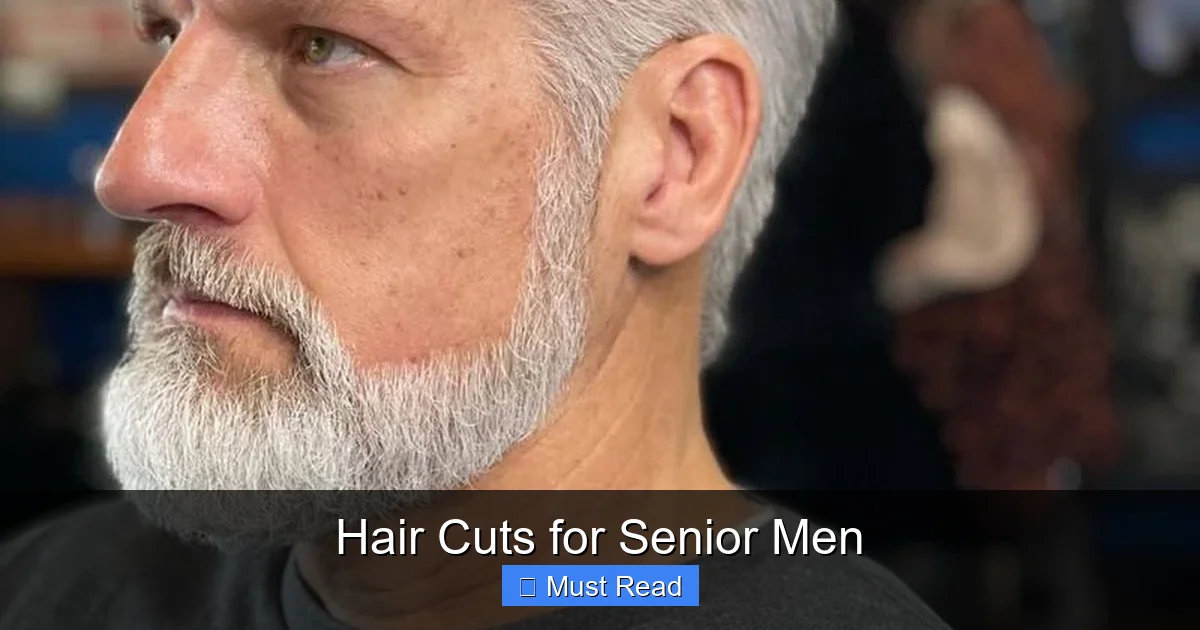
Before diving into specific styles, it helps to understand why hair changes as we get older. This knowledge empowers you to make smarter choices about your look.
Thinning Hair and Receding Hairlines
One of the most common changes is hair thinning, especially on the crown and temples. This is often due to genetics, hormonal shifts, or natural aging. Receding hairlines are also typical, and many men worry this makes them look older. But here’s a secret: embracing it with the right cut can actually make you look more confident and put-together.
Instead of trying to hide thinning areas with long, flat styles, consider shorter cuts that reduce contrast between thick and thin zones. A textured crop or buzz cut, for example, can make sparse hair look intentional and stylish—not like you’re “losing” your hair.
Changes in Texture and Color
Hair often becomes coarser, drier, or more wiry with age. Gray or white hair can feel rougher and be harder to manage. This doesn’t mean you need to avoid styling—it just means you need the right products and techniques.
For instance, coarse gray hair responds well to light moisturizing products like leave-in conditioners or light pomades. Avoid heavy gels that can make hair look stiff or greasy. Also, consider a trim every 3–4 weeks to keep split ends at bay and maintain a neat appearance.
Scalp Sensitivity and Hair Loss
As skin ages, the scalp can become more sensitive. Tight styles like high ponytails or cornrows (though less common for men) can cause tension and even contribute to hair loss. For senior men, it’s best to avoid styles that pull on the roots.
Instead, opt for relaxed cuts that allow natural movement. If you’re experiencing significant hair loss, consult a dermatologist. But in the meantime, a skilled barber can help you choose a cut that minimizes the appearance of balding while maximizing your remaining hair.
Top Hair Cuts for Senior Men: Style That Works for You
Visual guide about Hair Cuts for Senior Men
Image source: content.latest-hairstyles.com
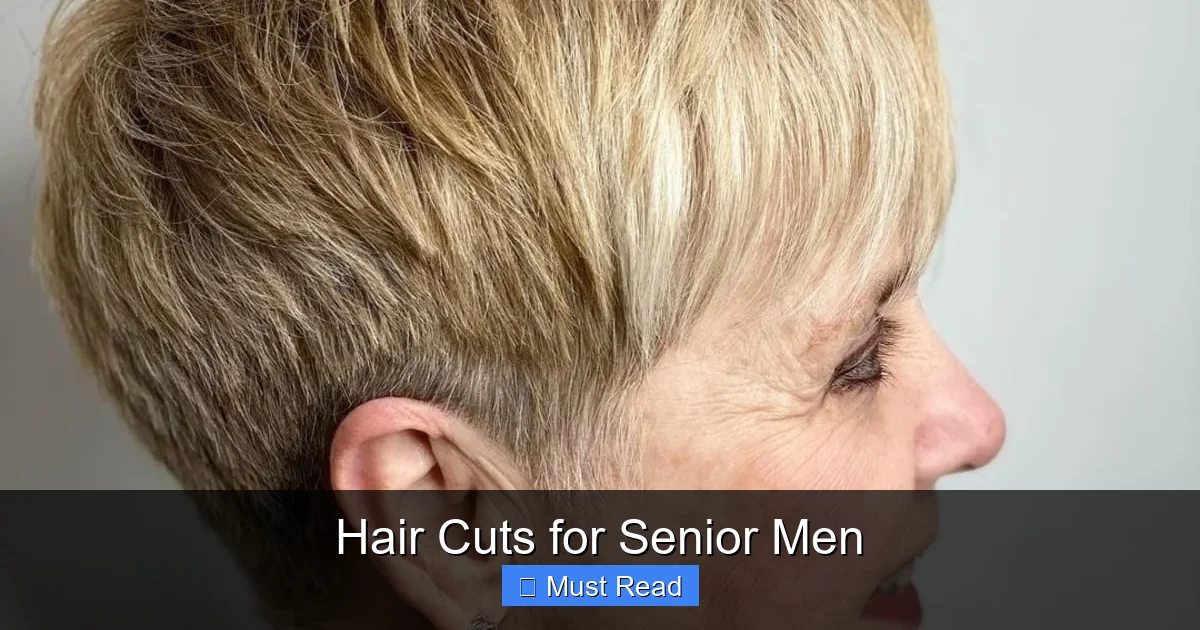
Now that we understand the changes, let’s explore some of the best hair cuts for senior men. These styles are chosen for their versatility, ease of maintenance, and ability to enhance your natural features.
The Classic Side Part
Timeless and elegant, the side part is a go-to for men who want a polished, professional look. It works well with medium-length hair and can be adapted to thinning hair by keeping the sides slightly longer to blend with the top.
To style, blow-dry the hair slightly to the side and use a light-hold pomade for definition. This cut suits oval, square, and rectangular face shapes and pairs perfectly with a suit or casual button-down.
The French Crop
A modern favorite, the French crop features short sides and back with slightly longer hair on top that’s textured and swept forward. It’s low-maintenance, stylish, and great for thinning hair because the texture adds volume.
This cut is ideal for men with round or square faces, as the height on top elongates the face. Use a texturizing spray to add lift and keep it looking fresh throughout the day.
The Buzz Cut
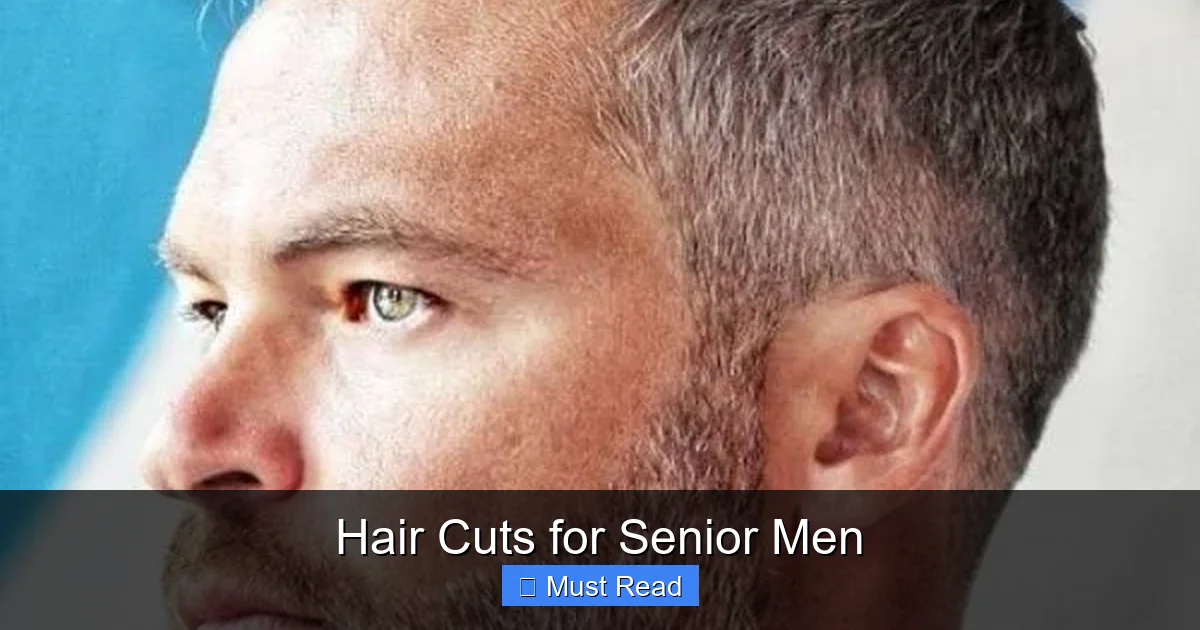
Simple, clean, and incredibly easy to maintain, the buzz cut is perfect for men who want zero fuss. It’s especially flattering for those with thinning or receding hair, as it creates a uniform look.
Choose a length between a #2 and #4 guard depending on your preference. Pair it with a well-groomed beard for a balanced, masculine appearance. This cut is great for active lifestyles or hot climates.
The Slick Back
For a sophisticated, slightly retro vibe, the slick back is hard to beat. It works best with thicker hair, but can be adapted for thinning hair by keeping the sides shorter and using a light product to smooth the top.
Use a water-based pomade for a natural shine without stiffness. This style suits oval and long face shapes and adds a touch of elegance to both casual and formal outfits.
The Textured Crop
This versatile cut combines short sides with layered, choppy hair on top. It’s perfect for adding movement and volume, making it ideal for fine or thinning hair.
The texture creates the illusion of fullness, and it’s easy to style with your fingers and a bit of product. It’s a great choice for men who want a modern, relaxed look without looking messy.
The Short Pompadour
A refined take on the classic pompadour, this version keeps the sides short and the top slightly longer, swept up and back. It adds height and structure, which can balance a round face or soften a strong jawline.
Use a medium-hold product to shape it in the morning. This cut works well for men who want a bit of flair without going over the top.
Choosing the Right Cut for Your Face Shape
Visual guide about Hair Cuts for Senior Men
Image source: i.pinimg.com
One of the most important factors in picking a hair cut is your face shape. The right style can balance proportions, highlight your best features, and create a harmonious look.
Oval Face
Lucky you—oval faces are the most versatile. Almost any hair cut works, from short crops to longer styles. You can experiment with side parts, French crops, or even longer layered cuts.
Just avoid styles that add too much height on top, as they can make your face look longer than it is.
Round Face
For round faces, the goal is to add length and definition. Choose cuts with height on top, like the textured crop or short pompadour. Keep the sides short to avoid widening the face.
Avoid flat, blunt cuts that emphasize roundness. Instead, go for styles with volume and texture to create the illusion of a longer face.
Square Face
Square faces have strong jawlines and broad foreheads. The best hair cuts soften these features without hiding them. Try a side part or French crop with slightly longer sides to balance the angles.
Avoid very short, flat tops that can make the jaw look even stronger. Instead, opt for styles with soft layers or a bit of sweep to the side.
Long or Rectangular Face
For longer faces, the aim is to add width and reduce height. Choose cuts with volume on the sides, like a classic side part with fuller sides or a textured crop with wider layers.
Avoid tall styles like high pompadours, which can make the face look even longer. Instead, go for horizontal movement and softness around the cheeks.
Heart-Shaped Face
Heart-shaped faces are wider at the forehead and narrower at the chin. Balance this with cuts that add volume around the jawline, like a textured crop with slightly longer sides.
Avoid styles that are too heavy on top, as they can exaggerate the width of the forehead. Instead, go for medium-length cuts with soft layering.
Styling Tips and Product Recommendations
Even the best hair cut needs the right care and products to look its best. Here’s how to keep your style fresh and manageable.
Wash and Condition Regularly
Use a gentle, sulfate-free shampoo to avoid drying out your scalp and hair. Follow with a lightweight conditioner, focusing on the ends. Over-washing can strip natural oils, so aim for 2–3 times per week unless your hair is very oily.
Blow-Dry for Volume
A quick blow-dry can make a big difference, especially for thinning hair. Use a round brush to lift the roots and create volume. Blow-dry on a cool or warm setting to avoid heat damage.
Choose the Right Products
– Light pomade: Great for side parts and slick backs. Look for water-based formulas that wash out easily.
– Texturizing spray: Adds grit and volume to crops and textured styles. Spray lightly at the roots and work through with your fingers.
– Volumizing mousse: Perfect for fine hair. Apply to damp hair before blow-drying for extra lift.
– Sea salt spray: Creates a natural, tousled look. Ideal for casual, beachy styles.
Avoid heavy waxes or greasy gels that can weigh hair down or look shiny and unnatural.
Maintain with Regular Trims
Even low-maintenance cuts need upkeep. Visit your barber every 3–4 weeks to keep the shape sharp and prevent split ends. A well-maintained cut always looks more intentional and polished.
Common Mistakes to Avoid
Even with the best intentions, it’s easy to fall into styling traps. Here are a few common mistakes senior men make—and how to avoid them.
Trying to Hide Thinning Hair with Long Styles
Long, flat hair can actually emphasize thinning areas. Instead, go shorter and embrace texture. A well-executed short cut can make sparse hair look intentional and stylish.
Using Too Much Product
Heavy gels or waxes can make hair look stiff, greasy, or dated. Use a small amount of lightweight product and build up as needed. Less is often more.
Ignoring the Neck and Sideburns
A great hair cut includes the details. Keep neck hair trimmed and sideburns neat. Uneven or overgrown sideburns can ruin an otherwise sharp look.
Choosing Trends Over Fit
Just because a style is popular doesn’t mean it’s right for you. Focus on cuts that suit your face shape, hair type, and lifestyle—not what’s on Instagram.
Skipping the Barber
DIY cuts can save money, but they often lack precision. A skilled barber understands how to blend, layer, and shape hair for a professional finish. Invest in regular visits.
How to Talk to Your Barber
Communication is key to getting the hair cut you want. Here’s how to make the most of your appointment.
Bring Reference Photos
Show your barber 2–3 photos of styles you like. Point out what you do and don’t want—length, texture, part, etc.
Describe Your Lifestyle
Tell your barber how much time you’re willing to spend styling. If you want low-maintenance, say so. If you enjoy experimenting, let them know.
Ask for Their Opinion
A good barber will assess your hair type, face shape, and growth patterns. Trust their expertise—they’ve seen it all.
Be Open to Suggestions
Your barber might recommend a slight variation to better suit your features. Be open to their advice—it’s part of the service.
Embracing Confidence at Any Age
At the end of the day, the best hair cut for senior men is one that makes you feel confident and comfortable. It’s not about looking younger—it’s about looking like the best version of yourself.
Aging is natural, and so is changing your style to match. Whether you prefer a clean buzz cut, a classic side part, or a modern textured crop, the right cut can enhance your features, simplify your routine, and boost your self-image.
Don’t be afraid to experiment. Try a new style every few months. Talk to your barber. Pay attention to how different cuts make you feel. Over time, you’ll find the look that truly fits.
Remember: style isn’t about age—it’s about attitude. And with the right hair cut, you can wear that attitude with pride.
Frequently Asked Questions
What is the best hair cut for senior men with thinning hair?
The best hair cuts for senior men with thinning hair include the French crop, textured crop, and buzz cut. These styles reduce contrast between thick and thin areas and create the illusion of volume.
Can senior men still wear long hair?
Yes, senior men can wear long hair, but it requires more maintenance. Opt for layered cuts that add movement and avoid flat, heavy styles that emphasize thinning.
How often should senior men get a hair cut?
Most senior men should get a trim every 3–4 weeks to maintain shape and prevent split ends. This keeps the style looking sharp and intentional.
What products should senior men use for styling?
Lightweight products like water-based pomades, texturizing sprays, and volumizing mousses work best. Avoid heavy gels that can weigh hair down or look greasy.
Is it okay for senior men to dye their hair?
Yes, many senior men dye their hair to cover grays. Choose natural-looking shades and use gentle, ammonia-free formulas to protect aging hair.
How do I find a barber who understands senior men’s hair?
Look for barbers with experience cutting older clients or ask for recommendations from friends. A good barber will assess your hair type and suggest flattering, low-maintenance styles.