
Sit-to-Stand Lift vs Patient Lift for Home Care


Leg Massager for Circulation

Digital Blood Pressure Monitor

Indoor Security Camera
When choosing between a sit-to-stand lift vs patient lift, the right choice depends on mobility. Both tools help caregivers move older adults safely at home. They reduce the risk of drops and strains.
However, these two lifts do very different jobs. One requires the senior to hold some weight. The other does all the heavy lifting. Picking the wrong one can cause stress or injury. Caregivers need to know exactly how these tools work. This guide will help you decide which one is best for your home.
Quick Comparison
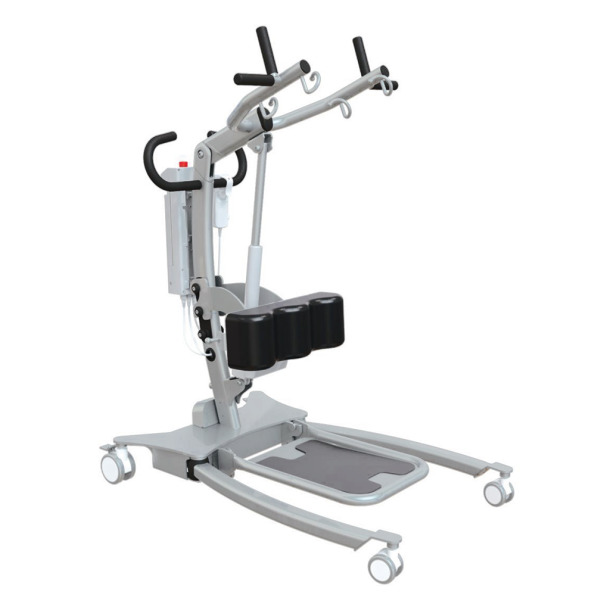
A sit-to-stand lift is best for seniors who can still bear some weight on their legs and sit up on their own. A full patient lift is best for seniors who have very little or no mobility. The most important difference is the user’s core strength and leg strength. Do not force a senior to use a stand lift if they feel weak.
At a Glance Comparison
Here is a quick look at how these two transfer aids compare for daily home use.
| Feature | Sit-to-Stand Lift | Patient Lift |
| User Mobility | Must hold some weight | No mobility needed |
| Caregiver Effort | Low to medium | Very low |
| Space Needed | Moderate | Large |
Sit-to-Stand Lift Review for Seniors
A sit-to-stand lift helps a senior move from a bed to a chair or toilet. It is a great tool for those who have some leg strength left. It helps keep their muscles working daily.
Ease of Use
This lift is fairly easy for a single caregiver to run. You place a padded sling around the user’s lower back. The user holds the grips. They place their feet on the base plate. The machine then gently pulls them up to a standing pose.
Key Strengths
- Keeps the user active.
- Uses their own leg muscles.
- Much faster to put the sling on.
- Fits through narrow home doors easily.
- Makes trips to the bathroom much simpler.
- Keeps the bottom free for clothing changes.
Potential Drawbacks
- Not safe if the user cannot stand on one leg.
- Requires the senior to have good upper body control.
- Can cause knee pain if the pad is not soft.
- The user must be able to hold the handles.
Full Patient Lift Review for Seniors
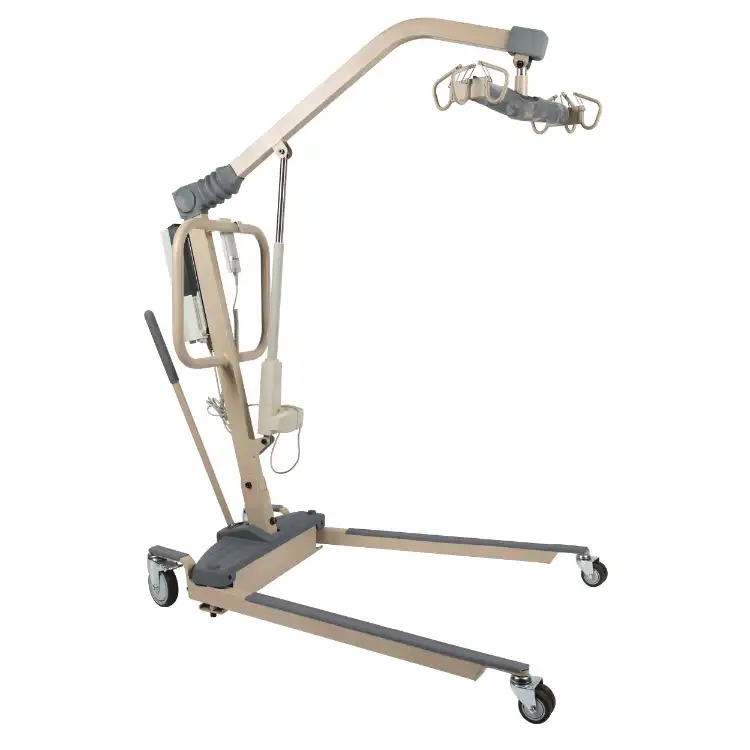
A full patient lift, often called a Hoyer lift, moves a person in a big sling. It does all the work for you. This is the top choice for total care needs.
Ease of Use
This device takes more steps to set up. Caregivers must roll the user side to side in bed. This is how you place the full-body sling under them. Once the sling is hooked to the bar, the lift raises them fully into the air.
Key Strengths
- Perfect for seniors with no leg strength.
- Keeps caregivers from hurting their backs.
- Can lift a person straight from the floor after a fall.
- Very safe for total bed rest transfers.
- Does not need the user to hold on.
Potential Drawbacks
- Takes up a lot of room in the house.
- Slings are harder and slower to put on.
- The user might feel scared while in the air.
- The wide legs can get stuck in small rooms.
Ease of Use for Seniors
Seniors often prefer the sit-to-stand model if they can use it. It feels much more natural. They stay a part of the moving process. It is also faster, which is nice for urgent bathroom trips. It brings a sense of pride.
Full patient lifts demand zero effort from the senior. This is easier for the user physically. But it can feel a bit scary at first. The user must trust the sling completely. Caregivers need more space to turn and push a full patient lift. It takes time to learn how to hook the loops right.
“The right lift makes the senior feel safe and keeps the caregiver from getting hurt.”
Performance Comparison
Both lifts perform very well when used right. A sit-to-stand lift moves people quickly between sitting spots. It is highly effective for bed-to-chair moves. It rolls nicely on hard floors.
A full patient lift performs better for complex moves. If an older adult falls on the floor, a full lift can pick them up safely. A stand lift cannot do this. You must match the lift to the exact physical needs of the user. Safety always comes down to using the right tool for the job.
Battery life is also key for electric models. Most electric models can do dozens of lifts on one full charge. You just plug them into the wall at night. Manual models do not need batteries at all. This means they are always ready to go. But manual models do require the caregiver to pump a lever. This pumping action can get tiring if you do it many times a day.
Comfort, Accessibility, and Senior-Friendly Design
Sit-to-stand lifts often win on comfort for active seniors. The sling only wraps around the back. The bottom stays open. This makes it highly accessible for toilet use. The knee pads give a soft place to rest.
Full patient lifts use large hammocks. Sitting on the sling fabric for a long time can make the skin sore. You must take the sling out after they sit down in a chair. However, for a very weak senior, a full sling gives the best total body rest. It supports the head and neck.
Skin care is a big deal for older adults. The skin gets thin and tears easily. The right lift helps protect their skin. Stand lifts do not drag across the skin. You just place the belt around the waist. Full lifts require you to roll the person on the bed. You tuck the fabric under their hips and back. You must be careful to smooth out any wrinkles. Wrinkles in the fabric can cause skin sores over time.
Features Comparison
Here is how the main parts of each lift compare for everyday home use.
| Feature | Sit-to-Stand Lift | Patient Lift |
| Sling Style | Back support only | Full body hammock |
| Base Legs | Opens to fit chairs | Opens very wide |
| Floor Pick-Up | Cannot do this | Can pick up from floor |
Price, Maintenance, and Long-Term Value
Both lift types come in manual and electric models. Electric models cost more but save the caregiver’s arms. A sit-to-stand lift usually costs a bit less than a full heavy lift. Prices change, so always check with local medical supply stores.
Maintenance is about the same for both. You must charge the batteries daily if you buy an electric one. You must also wash the slings often. Long-term value depends on health. If mobility might get worse soon, a full lift is a safer long-term buy. You will not have to buy a second lift later.
Some full lifts fold up for storage. This is a nice feature if you have a small home. You can slide it in a closet when friends come over. Stand lifts are usually smaller overall. They do not fold up, but they fit neatly in a corner.
Who Should Choose Product A?
- Choose a sit-to-stand lift if the senior can hold weight on their legs.
- Choose this if the senior can sit up on the edge of the bed alone.
- Choose this for faster, easier trips to the toilet.
- Choose this if you want to keep their leg muscles active.
- Choose this if they can follow simple spoken rules well.
- Choose this to help improve their daily blood flow.
- Choose this if you have a very small bathroom space.
Who Should Choose Product B?
- Choose a patient lift if the senior cannot stand at all.
- Choose this if the user has very poor core strength.
- Choose this if the caregiver cannot help lift any weight safely.
- Choose this for maximum safety during total bed rest.
- Choose this if you need a way to lift someone from the floor.
- Choose this if the senior sleeps in a hospital bed at home.
- Choose this if the user is much heavier than the caregiver.
Final Verdict
Best for most seniors with some mobility: Sit-to-Stand Lift
Best for total care and weak mobility: Patient Lift
Best value for long-term health decline: Patient Lift
Best for ease of use in the bathroom: Sit-to-Stand Lift
Talk to a physical therapist before you buy. They can tell you exactly what your loved one needs. The safest choice is always the one that fits their current health.
Scoring Summary
Here is a quick look at how they score on daily home use for caregivers.
| Category | Sit-to-Stand Lift | Patient Lift |
| Ease of Use | 8/10 | 6/10 |
| Active Comfort | 9/10 | 7/10 |
| Safety for Weak User | 4/10 | 10/10 |
| Bathroom Trips | 9/10 | 5/10 |
| Value | 8/10 | 9/10 |
How We Evaluate Products
We look closely at what matters most for home care. We check how easy the device is to push around tight rooms. We look at the physical strength needed from the caregiver. We also care deeply about the senior’s comfort in the sling.
Safety is always our top focus. We read user guides and check safe weight limits. We compare the real-world space these tools take up in a standard bedroom. We focus on real home needs, not just hospital setups.
Senior-Specific Buying Considerations
Before you buy, look closely at your daily routine. Think about these main points for your home.
Physical Effort
Does the caregiver have the strength to pump a manual lift? Manual lifts require arm strength. Electric lifts are much easier on the back and shoulders. Just push a button to go up.
Home Space
Do you have thick carpets? Lifts are very hard to roll on thick rugs. Hard floors are best. Also, check if the metal legs will fit under your bed and chairs.
Sling Types
Slings come in many fabrics. Mesh slings are great for the shower. Padded slings are best for thin skin. Always buy the right size for the senior’s body weight.
Health Changes
Will the senior get weaker soon? It might be wise to skip the stand lift. Buying the full lift now can save money and stress later.
Common Buying Mistakes
- Buying a stand lift for someone who cannot lock their knees.
- Forgetting to check if the lift legs fit under the home bed.
- Choosing a manual lift when the home caregiver has a bad back.
- Buying the wrong size sling for the senior’s body weight.
- Trying to use a heavy lift on thick, soft home carpet.
- Not checking the width of bathroom doors first.
Safety Considerations
Safety is the most vital part of using any lift at home. Never use a stand lift if the senior feels dizzy that day. If their legs give out, they could slip and fall. Always check how they feel first.
Always lock the wheelchair brakes before starting a move. Check the sling often for rips or worn threads. Replace old slings right away. If you are unsure how to hook the loops, ask a home health nurse to show you.
Keep the floor clear of rugs and cords. The small wheels on the lift can get stuck on a rug. A stuck wheel makes the lift tip. Always clear the path before you lift the senior into the air.
“A safe transfer takes patience. Never rush when moving a senior from a bed to a chair.”
Conclusion
The main difference comes down to the senior’s leg strength and core control. A sit-to-stand lift keeps the user active and makes bathroom trips fast. A full patient lift does all the heavy work for those who cannot move well.
If the senior can stand and follow basic cues, a stand lift is a great home tool. If they need total support, the full lift is the only safe choice. Always put safety first when moving a loved one. Talk to your doctor to make the best choice for your home.