
Patient Lift vs Transfer Board: What to Choose


Folding Walking Stick with Seat

Compression Socks

Spill-Proof Travel Mug
Choosing the right tool for moving an adult is a big step. A patient lift vs transfer board comparison helps you find the safest option for your home. Both tools help move seniors from a bed to a chair safely.
Making the best choice depends on the senior’s health. It also depends on the caregiver’s physical strength. Let us break down the details to help you decide.
Quick Comparison
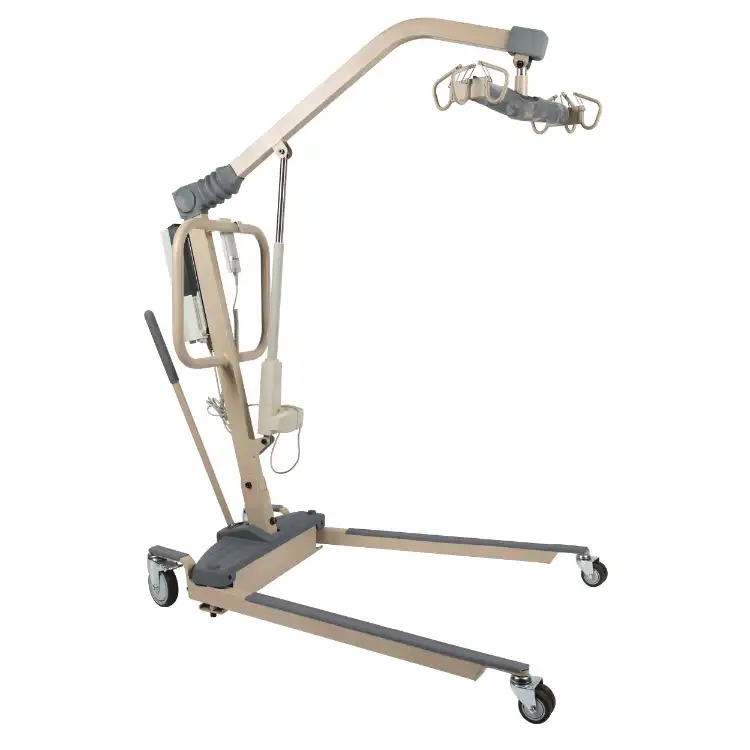
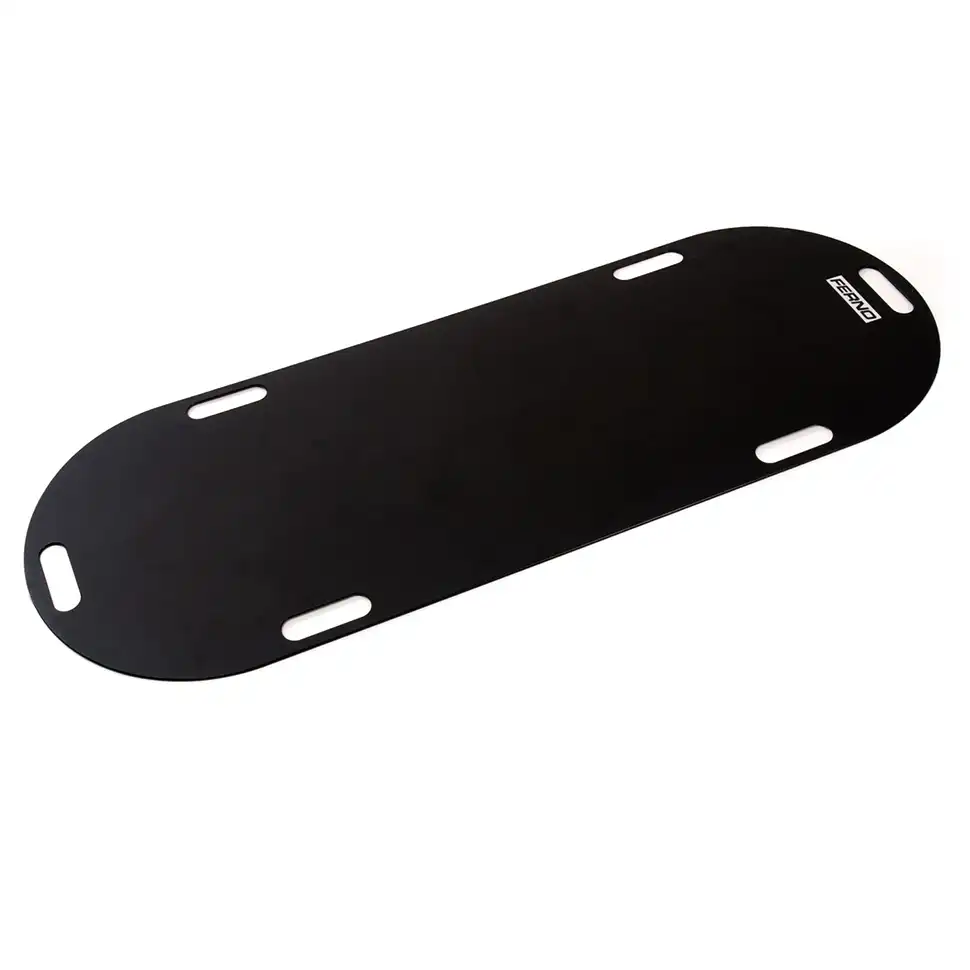
A transfer board is a flat piece of wood or hard plastic. It works best for seniors who can sit up and have strong arms. A patient lift is a large machine holding a soft sling. It works best for seniors who cannot stand or help with the move.
At A Glance Comparison
Here is a fast look at how these two mobility aids stack up. Each tool fits a very different need for home care.
| Feature | Patient Lift | Transfer Board |
| User Effort | Low | High |
| Caregiver Effort | Low | Medium |
| Home Space Needed | Large | Small |
Patient Lift Review
A patient lift does all the heavy work for you. It uses manual pumps or electric motors to raise a person safely.
Ease of Use
These lifts are large and take up floor space. Caregivers must learn how to place the soft sling under the senior. Once the sling is secure, the machine does the actual lifting. It saves the caregiver from severe back strain.
Key Strengths
- Takes all the heavy weight off the caregiver.
- Very safe for total body transfers.
- Great for seniors with weak legs and arms.
- Low risk of drops when used the right way.
Potential Drawbacks
- Costs a lot of money to buy.
- Needs a lot of clear room to turn and roll.
- Takes extra time to set up the sling.
Transfer Board Review
A transfer board acts exactly like a small bridge. It fills the empty gap between a bed and a wheelchair so the user can slide across.
Ease of Use
A board is very easy to store and grab when needed. The senior must learn the right sliding motion. The caregiver stands close by to guide the senior safely. It is fast but requires real physical effort from both people.
Key Strengths
- Very cheap to buy and replace.
- Light and easy to pack for trips.
- Keeps the senior active and moving.
- Fast to set up and use every day.
Potential Drawbacks
- Senior needs good sitting balance to use it.
- Senior needs strong arms and hands.
- Can cause skin rubs or sores if not careful.
Which Is Easier for Seniors to Use?
Ease of use depends totally on the senior’s current body strength. Each tool asks for a different kind of effort.
For a senior with strong arms, a transfer board is easier. It is fast and gives them a strong sense of control. They just slide across the smooth board at their own pace. They do not have to wait for a machine.
For a senior with weak arms, a patient lift is much easier. The lift holds them up fully in the air. The senior just rests safely in the sling. They do not need to push or pull.
Performance Comparison
Both tools perform well when matched with the right user. They just do the job in different ways.
A transfer board works great for quick moves. It is ideal for short gaps, like a bed to a chair. It works well for getting into a car. However, it fails if the gap is too wide. It also fails if the two surface heights do not match.
A patient lift excels at moving a person from the floor. It holds a lot of weight. Most home lifts can hold up to 400 pounds safely. Electric models are smooth and very quiet. Manual lifts work great but require the caregiver to pump a lever. Lifts roll best on hard floors, not thick carpets.
Comfort, Accessibility, and Senior-Friendly Design
Comfort looks very different for each of these options. Skin protection is a big deal for older adults.
A patient lift uses a soft fabric sling. The sling wraps around the whole body. This feels secure and stops fragile skin from rubbing. But, hanging high up in a sling can feel scary at first. It takes time to build trust.
A transfer board is a hard, flat surface. Sliding on it can pinch soft skin or catch on loose clothes. Many boards have smooth coatings to help with this. Caregivers often use thin slide sheets to make the move smoother.
“A safe transfer is a comfortable transfer. Always match the tool to the senior’s current physical strength.”
Features Comparison
Compare the key features of both tools to see what fits your home. Here is how they match up on the basics.
| Feature | Patient Lift | Transfer Board |
| Power Source | Manual or Battery | None |
| Portability | Very hard to move | Very easy to pack |
| Skin Protection | High (uses soft sling) | Low (hard surface) |
Price, Maintenance, and Long-Term Value
Cost is a major difference between these two aids. They fit very different budgets.
A transfer board is very cheap. Most cost under fifty dollars. They need almost no care. Just wipe the board clean and check for small cracks. A good solid board can last for many years. It is a great cheap value.
A patient lift costs hundreds or even thousands of dollars. Electric lifts cost the most. You must buy slings, which wear out and need replacing over time. Electric lifts also need routine battery charges. They cost a lot more but offer huge value by stopping costly caregiver back injuries.
Who Should Choose a Patient Lift?
A lift is the right pick for specific health needs. It is built for total care.
- Choose a lift if the senior cannot stand at all.
- Choose a lift if the senior lacks arm strength.
- Choose a lift if the caregiver has a bad back.
- Choose a lift if the senior cannot sit up straight.
- Choose a lift for heavy adults to ensure safety.
Who Should Choose a Transfer Board?
A board is a great tool for seniors who still have some strength. It promotes active movement.
- Choose a board if the senior has strong arms.
- Choose a board if the senior can sit up alone.
- Choose a board for fast, daily wheelchair moves.
- Choose a board if you travel a lot in a car.
- Choose a board if your home has tight spaces.
Patient Lift vs Transfer Board — Final Verdict
The best tool is the one that fits the user’s body right now. Safety is the top goal.
Best for most seniors with low mobility: Patient Lift.
Best for active seniors in wheelchairs: Transfer Board.
Best value for the money: Transfer Board.
Best for caregiver safety: Patient Lift.
If the senior can safely slide, a board is great. If they cannot bear weight, a lift is an absolute must.
Scoring Summary
Here is a quick look at how we rate these tools. We score them based on safe daily home care.
| Category | Patient Lift | Transfer Board |
| Ease of Use | 7/10 | 8/10 |
| Senior Safety | 9/10 | 6/10 |
| Caregiver Safety | 10/10 | 5/10 |
| Budget Value | 6/10 | 10/10 |
How We Evaluate Products
We look at what matters most for daily home care. Practical daily use guides our views.
We check how safe a tool is for weak seniors. We look at the exact physical strain put on the caregiver. We also weigh the starting cost against how long the item lasts. Real home spaces dictate our views on product size and storage.
Senior-Specific Buying Considerations
Keep these key points in mind before you buy a transfer aid. Each home setup is unique.
Caregiver Strength
Think about the person doing the hard work. Can they catch a falling adult safely? If not, you must buy a lift to prevent bad falls.
Home Layout
Lifts need wide doors and clear open floors. Measure your halls and doors before you buy a lift. A lift must roll under the bed to work right.
Senior Skin Health
Thin skin tears very fast. If a senior bruises fast, a soft lift sling is safer than a hard board. Friction on a board can cause bad skin sores.
Professional Advice
Always ask a physical therapist. They can test the senior’s body strength to see which tool is safe. A pro can teach you the right way to move.
Common Buying Mistakes
Avoid these traps when shopping for home care aids. Mistakes here can lead to injuries.
- Buying a board when the senior lacks arm strength.
- Buying a lift that does not fit under the home bed.
- Forgetting to check the strict weight limit on a board.
- Using the wrong size sling for a patient lift.
- Assuming a board will work without any practice.
- Overlooking the heavy weight of the lift itself.
Safety
Safety must come first when moving an adult. Rushing a move is a big danger.
Falls are the biggest risk. A transfer board can slip if not placed right. Always lock wheelchair brakes before you use a board. Check the board for cracks that can pinch skin or break. Use a gait belt for extra grip on the senior.
For lifts, the main risk is a bad sling setup. If the sling loops are wrong, a person can slip out and fall. Always read the safety manual. Never rush a lift transfer. If you feel unsure, ask a nurse or physical therapist for a quick hands-on lesson.
Conclusion
The choice between a patient lift vs transfer board comes down to muscle strength. You have to match the tool to the person.
A board works well for those with strong arms and good sitting balance. It keeps seniors active and costs very little. A lift is best for seniors who cannot support their own body weight. It keeps the senior completely safe and stops the caregiver from getting hurt.
Always think about what the senior can do safely today. Pick the tool that matches their current health and your home floor space.