
Bed Handle vs Bed Rail: Which Is Right for You?


Reading Light for Bed

Automatic Jar Opener

Electric Recliner Lift Chair
Comparing a bed handle vs bed rail is a vital first step for home safety. Both tools help older adults stay safe. Yet, they serve very different basic needs. A handle helps you stand up safely. A rail stops you from rolling out of bed.
Picking the wrong option creates hidden safety risks. A bulky rail might get in the way. A small handle might lack enough support. You must match the proper device to the user. This guide breaks down both helpful options. We look at ease of use, daily safety, and price. Read on to find the perfect fit for your home.

Quick Comparison
A bed handle is best for seniors who just need a firm grip to stand up. It is small, simple, and very easy to use. A bed rail is best for seniors who move a lot in their sleep. It is much wider and blocks the edge of the bed. If fall prevention is the main goal, choose the wide rail. If easy daily mobility is the goal, choose the small handle. Do not force a large rail on a senior who only needs balance support.
At-a-Glance Comparison
Here is a fast look at how these two safety tools compare. We highlight the main uses for each one to help you choose.
| Feature | Bed Handle | Bed Rail |
| Main Purpose | Standing and sitting | Fall prevention |
| Size and Shape | Small and narrow | Long and wide |
| Entrapment Risk | Very low risk | Moderate to high risk |
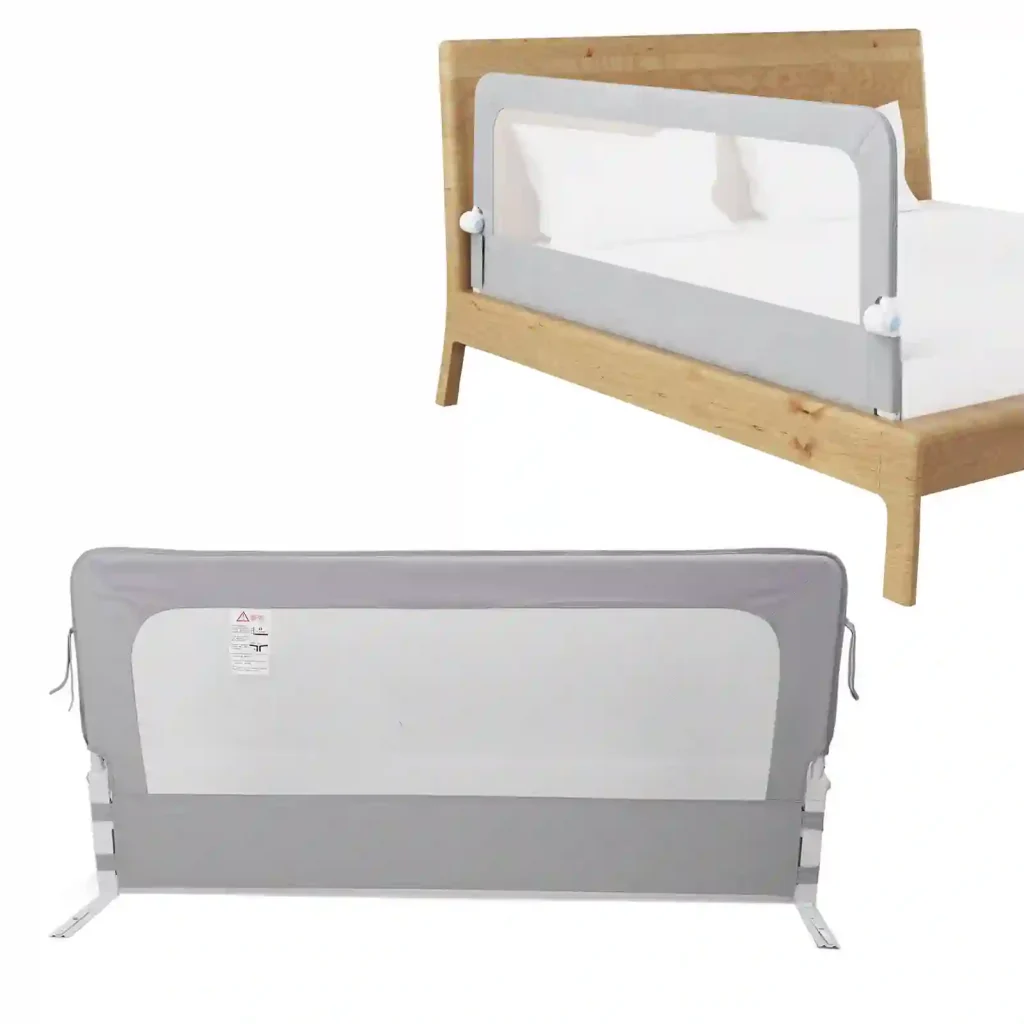
The Benefits of a Senior Bed Handle
A bed handle offers a firm grip for getting out of bed. It is a simple tool for daily freedom.
Ease of Use
A bed handle takes up very little space. You can easily reach it from a sitting position. Most handles slide right under your mattress. They do not block your legs when you swing out.
Key Strengths
- Low profile design fits most normal rooms.
- Very easy to install without heavy tools.
- Allows for a fast, easy exit from bed.
- Poses a very low risk of getting stuck.
- Does not feel like sterile hospital gear.
Potential Drawbacks
- Does not stop someone from rolling out of bed.
- May not support very heavy weights safely.
- Requires good upper body strength to use well.
The Benefits of a Senior Bed Rail Aid
A bed rail creates a physical wall along the side of the mattress. It keeps the user safely in bed all night long.
Ease of Use
A bed rail requires more daily effort to use. Some models fold down to let you out of bed. Folding a rail requires good hand strength. It can make changing the bed sheets a bit harder for caregivers.
Key Strengths
- Stops dangerous falls during the dark night.
- Provides a wide area to grab for steady support.
- Often supports much more total user weight.
- Works very well for restless, active sleepers.
- Creates a strong visual border for the bed.
Potential Drawbacks
- Can make getting out of bed much harder.
- High risk of getting stuck if fitted poorly.
- Looks far more like medical hospital equipment.
- Blocks open access to bedside tables and lamps.
Ease of Use for Seniors
Ease of use depends heavily on your daily routine. We look closely at how these aids affect morning habits. A bed handle clearly wins for easy, fast movement. It gives you a specific spot to grab. You pull yourself up, swing your legs, and stand. It stays completely out of your way. This is ideal for active, independent seniors who just need a tiny boost.
A bed rail takes much more daily work. If the rail is long, you must scoot down to the end to get out. If it folds, you have to push tight release buttons. Those buttons can be very hard for stiff hands. A handle is simply easier for most standard daily routines. Caregivers also find simple handles much easier to work around when making the bed.
Performance Comparison
Both tools must stay firmly in place all day long. Let us see how they perform under heavy daily pressure.
| Performance Area | Bed Handle | Bed Rail |
| Weight Support | Moderate | High |
| Mattress Grip | Good | Excellent |
| Fall Protection | Poor | Excellent |
Bed rails secure deeply under the mattress. They often use long safety straps that attach to the solid bed frame. This makes them very rigid and strong. Bed handles also use safety straps. However, their smaller base means they can shift slightly if you pull sideways. Rails perform better for heavy-duty body support. Handles perform better for quick, brief balance checks.
Comfort, Accessibility, and Senior-Friendly Design
A bedroom should still feel like a cozy home. The daily design of these aids matters greatly for peace of mind. Bed handles look sleek and small. Many feature soft foam grips. This soft grip feels warm and easy to hold. The handle does not trap your heavy blankets. You can easily sit on the edge of the bed to get dressed.
Bed rails are bulky and very large. They block a large part of the mattress. This can make the user feel trapped inside their own bed. Reaching over a tall rail to grab a glass of water is hard. Handles offer much better daily comfort and open access to the rest of the room.
“The best home safety device is one that fits your life safely without getting in the way.”
Features Comparison
Many modern models come with extra helpful features. Here is what to look for when you shop for safety aids.
| Feature | Bed Handle | Bed Rail |
| Storage Pouch | Often included | Sometimes included |
| Folding Hinge | Rarely needed | Very common |
| Glowing Grips | Available on some | Very rare |
A soft storage pouch is a great daily addition. It holds glasses, books, or a television remote safely. Both options often include these handy pouches. Rails sometimes feature extending metal frames. You can pull the frame out to make it longer at night. Handles sometimes offer glowing grips for dark rooms so you never miss your grab point.
Price, Maintenance, and Long-Term Value
Budget is always a key factor for families. Both options are quite affordable for most average homes. Bed handles usually cost between forty and eighty dollars. They have no complex moving parts. This means they last a very long time. You just need to check the safety strap once a month to ensure it is tight.
Bed rails cost between sixty and one hundred fifty dollars. Folding rails have metal hinges that can wear out over time. You must check the hinges and straps very regularly. The handle offers better long-term value because it requires almost zero daily maintenance. It is a one-time purchase that works for years.
Who Should Choose a Bed Handle?
A handle is best for very specific mobility needs. Consider this simple option if these helpful points apply to you.
- Choose a bed handle if you only need help standing up.
- Choose this if you have good balance once you are on your feet.
- Choose this if you want to keep your bedroom looking perfectly normal.
- Choose this if you get up often during the night for the bathroom.
- Choose this if you like to sit safely on the edge of the bed to dress.
Who Should Choose a Bed Rail?
A rail serves a much different bedroom safety need. It is built to stop bad accidents during deep sleep.
- Choose a bed rail if you often roll out of bed.
- Choose this if you take medicine that makes you very dizzy.
- Choose this if a doctor suggests a strong physical bed barrier.
- Choose this if you have a heavy, thick mattress that can anchor it well.
- Choose this if you rarely need to get up often at night.
Bed Handle vs Bed Rail — Final Verdict
Here is the final summary of our careful comparison. Choose the tool that matches your exact daily physical needs.
- Best for most seniors: Bed Handle. It is safer, smaller, and easier to use.
- Best for fall prevention: Bed Rail. It keeps restless sleepers safely in bed.
- Best overall value: Bed Handle. It costs less and lasts for many years.
- Best for ease of use: Bed Handle. It never blocks your safe morning exit.
Scoring Summary
Here is how we rate both options across key home categories. Higher scores mean better daily performance for seniors.
| Category | Bed Handle | Bed Rail |
| Ease of Use | 9/10 | 6/10 |
| Senior-Friendly Design | 9/10 | 5/10 |
| Fall Prevention | 2/10 | 9/10 |
| Daily Maintenance | 10/10 | 7/10 |
| Overall Value | 9/10 | 7/10 |
How We Evaluate Products
We look closely at practical daily use in real homes. Safety is always our top priority. We check how easy the item is to install safely. We look at the total strength of the anchor straps. We deeply consider the risk of a senior getting stuck in the device. We also check if the foam grip is comfortable for frail hands. Finally, we compare the final cost to the real daily living benefits.
Senior-Specific Buying Considerations
Do not buy any bed aid without checking these details first. The wrong fit can cause major safety problems.
- Mattress Height: Make sure the grip reaches high enough above a very thick mattress.
- Bed Frame Type: Some heavy aids do not work on moving beds. Check your bed frame first.
- Weight Capacity: Look for a strong device that supports at least three hundred pounds safely.
- Hand Strength: Avoid tight folding buttons if the senior has weak, stiff hands.
- Strap Length: Ensure the long safety strap can easily reach across your entire bed.
Here is a quick look at matching devices to different bed types.
| Bed Type | Best Option | Main Reason |
| Standard Flat Bed | Both work well | Easy to secure the straps |
| Moving Adjustable Bed | Bed Handle | Less rigid metal structure |
| Very Tall Frame Bed | Bed Handle | Much easier to swing legs |
Common Buying Mistakes
Many people buy the wrong product for their physical needs. Watch out for these frequent home shopping errors.
- Buying a full rail when the senior only needs a small handle.
- Forgetting to attach the safety strap safely to the hard bed frame.
- Using a heavy rail on a soft, light foam mattress.
- Ignoring the dangerous gap between the rail and the soft mattress.
- Choosing a vital safety device based only on the lowest cost.
- Buying a heavy tool that is too hard to install alone.
Safety
Safety is vital when adding hard metal hardware to a bed. You must clearly know the exact risks involved. Bed rails pose a known, serious risk of getting stuck. A senior can slide safely between the soft mattress and the hard rail. This can cause very severe injury. The FDA has strict, clear guidelines about safe bed rail gaps.
You must secure the device very tightly to the solid frame. Always check for loose gaps every single day. A bed handle has a much smaller safety profile. This makes it far safer for seniors with bad memory issues. Always ask a doctor if you are unsure about bad fall risks. Proper setup prevents the most common bedroom injuries.
Conclusion
Choosing safely between a bed handle vs bed rail comes down to one main simple question. Do you need simple help standing up, or do you need heavy help staying safely in bed?
A handle is the very best choice for simple daily mobility. It is safe, small, and highly effective for most active adults. A rail is best only if rolling out of bed is a major daily risk. Always secure your chosen safety device properly with the heavy straps. Talk to a home care doctor if you are unsure about daily fall risks. A safe bedroom always leads to much better, calmer sleep.