
Home Monitor vs Wrist Monitor: Which Is Best?


Electric Kettle with Auto Shutoff
Medical Alert System

Adjustable Bed Wedge Pillow
Choosing between a home monitor vs wrist monitor is a common step when tracking your heart health. Both devices check your blood pressure, but they fit and function in very different ways.
Finding the right style helps ensure you get accurate readings without added stress. This guide will help you decide which option is best for your daily routine.
Upper arm home monitors are generally the best choice for most seniors because they offer the highest accuracy. However, wrist monitors are a great option for those who travel often or have physical conditions that make arm cuffs too painful to use. The biggest difference is that wrist cuffs require perfect arm positioning to get a correct reading, while arm cuffs are much more forgiving.
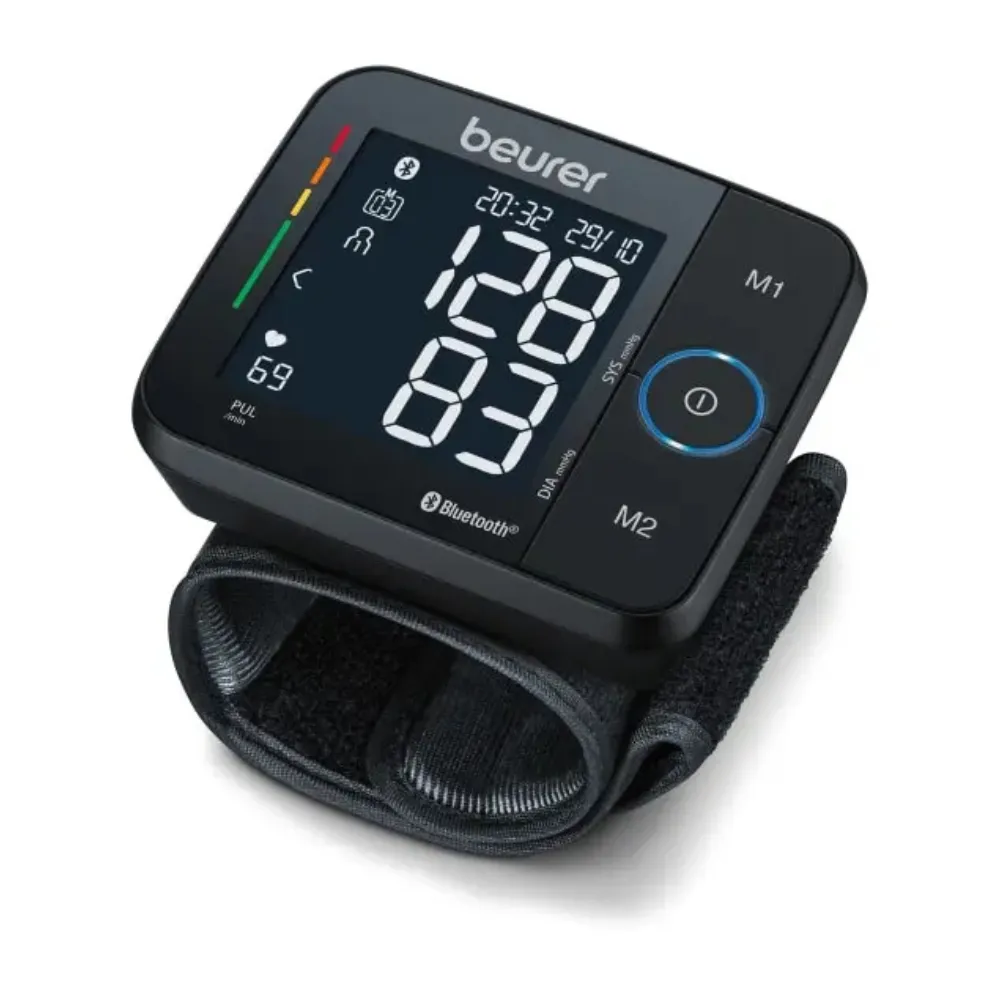
Home Monitor vs Wrist Monitor At A Glance
Here is a fast look at how these two types of blood pressure monitors compare. This chart covers the most common features you will find.
| Feature | Upper Arm Home Monitor | Wrist Monitor |
| Placement | Upper bicep | Lower wrist |
| Accuracy | Very high | Moderate to high |
| Portability | Bulky, stays at home | Small, great for travel |
Upper Arm Home Monitors: Reliable Pick
Upper arm monitors are the standard choice in most medical clinics. They wrap around the bicep to measure blood flow close to your heart.
Ease of Use
These devices are built for simple daily use at a desk or kitchen table. You just slide the cuff up your arm, rest your arm on a flat surface, and press the start button. The screens are usually very large and easy to read.
Key Strengths
- Provides the most accurate and consistent readings.
- Features large screens with big, clear numbers.
- Approved and recommended by most doctors.
- Often includes extra features like irregular heartbeat alerts.
Potential Drawbacks
- The cuff can be hard to tighten with just one hand.
- Thick clothing must be removed before testing.
- The device takes up more storage space on a table.
Wrist Monitors: Compact and Portable
Wrist monitors are much smaller devices that wrap around the lower arm. They are very light and easy to pack in a small bag or purse.
Ease of Use
Putting on a wrist monitor is as simple as putting on a thick watch. However, you must hold your wrist exactly at heart level to get a true reading. If your arm is too high or too low, the numbers will be wrong.
Key Strengths
- Very easy to put on and take off with one hand.
- No need to roll up tight shirt sleeves to use it.
- Extremely lightweight and perfect for travel.
- Great for seniors with very large upper arms.
Potential Drawbacks
- Highly sensitive to arm position and posture.
- Readings can be less accurate than upper arm models.
- Screens are smaller and harder to read for some eyes.
Which Is Easier for Seniors to Use?
Daily blood pressure checks should never feel like a chore or a struggle. Here is how both styles handle daily operation.
| Ease of Use Area | Home Monitor | Wrist Monitor |
| Putting it on | Requires two hands | Easy with one hand |
| Screen clearly | Very large text | Smaller text |
| Body position | Sit naturally at a table | Hold arm across the chest |
For raw simplicity, a wrist monitor wins because you can strap it on with one hand. However, holding your arm perfectly still across your chest can tire out your shoulder. An upper arm monitor requires a bit more stretching to put on. But once it is on, you just rest your arm flat on a table, which is much more relaxing.
Performance Comparison
Accuracy is the most vital part of checking your blood pressure at home. Let us look at how they perform in real life.
“A monitor is only helpful if the numbers it gives you are consistently accurate and reliable.”
Upper arm monitors measure the artery deep in your bicep. This artery is wide and sits right next to your heart. Because of this, arm monitors give very reliable numbers. Wrist monitors measure smaller arteries close to the skin. These smaller blood vessels can give slightly mixed results. Cold weather or poor circulation in your hands can also change a wrist reading.
Comfort, Accessibility, and Senior-Friendly Design
A good health device must fit well without causing pain or pinching. Accessibility features make a big difference for daily users.
Upper arm cuffs can squeeze very tightly. For seniors with sensitive skin or frail arms, this heavy squeezing can hurt. Wrist monitors squeeze much less gently. They are often far more comfortable for thin or sensitive arms. However, upper arm monitors usually have better accessibility tech. They often include voice-readout features for the blind and massive buttons for shaky hands.
Features Comparison
Both styles offer helpful technology to make tracking your health easier. Here is how the added features stack up.
| Feature | Home Monitor | Wrist Monitor |
| Memory Storage | Holds months of data | Holds weeks of data |
| Voice Readout | Common on many models | Very rare |
| Power Source | Plug-in or batteries | Batteries only |
Home monitors almost always hold more data. Many can store readings for two different users at once. They also often plug directly into the wall. This means you do not have to worry about changing dead batteries. Wrist monitors rely on small batteries, which must be swapped out every few months.
Price, Maintenance, and Long-Term Value
Knowing the ongoing costs helps you make a smart choice for your budget. Both devices are generally very affordable.
Basic upper arm monitors and wrist monitors often cost about the same at the pharmacy. However, premium upper arm monitors with Bluetooth and smart apps will cost more. Maintenance for both is very simple. You just wipe the cuff with a damp cloth. In terms of long-term value, an upper arm monitor usually lasts longer. Cuffs can often be replaced on arm monitors if they wear out. Wrist monitors are one single piece, so if the strap breaks, you must buy a whole new device.
Who Should Choose a Home Monitor?
An upper arm model is the standard recommendation for a very good reason. It provides peace of mind through trusted accuracy.
- Choose a home monitor if your doctor requires highly accurate daily logs.
- Choose a home monitor if you have poor circulation in your hands.
- Choose a home monitor if you want voice alerts or very large screen numbers.
- Choose a home monitor if you prefer to plug the device into the wall.
Who Should Choose a Wrist Monitor?
A wrist cuff fills a very specific need for comfort and travel. It is a helpful tool for many older adults.
- Choose a wrist monitor if upper arm cuffs cause you severe pain or bruising.
- Choose a wrist monitor if you travel frequently and need a small device.
- Choose a wrist monitor if you cannot easily put on an arm cuff alone.
- Choose a wrist monitor if your upper arm is too large for standard cuffs.
Home Monitor vs Wrist Monitor: Final Verdict
Making the right choice comes down to your personal health needs and physical comfort. Both options can help you track your heart health at home.
- Best for most seniors: Upper Arm Home Monitor
- Best for travel and small spaces: Wrist Monitor
- Best value: Upper Arm Home Monitor
- Best for ease of putting on: Wrist Monitor
For the vast majority of seniors, the upper arm home monitor is the clear winner. The trusted accuracy outweighs the slight hassle of putting the cuff on.
Comparison Scoring Summary
Here is a quick breakdown of how these two styles score across important daily categories.
| Category | Home Monitor | Wrist Monitor |
| Accuracy | 9/10 | 7/10 |
| Ease of Use | 8/10 | 9/10 |
| Readability | 9/10 | 7/10 |
| Comfort | 7/10 | 9/10 |
| Overall Value | 9/10 | 8/10 |
How We Evaluate Products
We look closely at the features that actually matter to older adults. We focus on daily practical use over flashy marketing claims.
Our review process looks at screen readability, button size, and how much physical effort is needed to use the item. We also consider the reliability of the readings and how easy the device is to maintain over time. Safety, comfort, and simple setup are always our top priorities.
Senior-Specific Buying Considerations
Keep these practical details in mind before making your final choice at the store.
Physical Effort
Can you easily slide the cuff up your arm? If you have a bad shoulder, a wrist cuff might save you from daily pain.
Display Readability
Make sure the screen has high contrast. Black numbers on a bright white or blue screen are best for aging eyes.
Cuff Size
Always check the box for the cuff size. A cuff that is too tight will hurt and give wrong readings. A cuff that is too loose will simply not work.
Power Options
Changing tiny batteries can be hard for fingers with arthritis. An AC adapter cord is a great feature to look for.
Common Buying Mistakes
Avoid these frequent errors when shopping for a blood pressure device.
- Buying a wrist monitor without asking your doctor if it is right for you.
- Ignoring the cuff size limits printed on the outside of the box.
- Choosing a complex smart monitor when a simple one-button model is better.
- Forgetting to sit still for five minutes before taking a reading.
- Not bringing the new monitor to the doctor to check its accuracy against their machines.
Safety and Medical Considerations
Blood pressure tracking directly impacts your health management. Always prioritize your safety above convenience.
Do not change your medication based solely on home readings without talking to your doctor. If you choose a wrist monitor, you must follow the posture instructions exactly. Holding your arm wrong will give false high or low numbers. We strongly suggest bringing your new monitor to your next medical visit. Your nurse can watch you use it to ensure you are doing it safely and correctly.
Conclusion
Both types of blood pressure monitors serve an important role in senior health care. An upper arm home monitor remains the gold standard for accurate, reliable daily tracking.
A wrist monitor is a wonderful backup tool for travel or for seniors who cannot use traditional cuffs. The most important step is choosing a device you feel comfortable using every single day. Talk to your healthcare team to see which style best fits your personal medical needs.
