
Automatic vs Manual BP Monitor: Which Is Best?


Talking Clock

Sudoku Puzzle Book

Upright Walker
Choosing between an automatic vs manual BP monitor is a major step for daily home health. You want clear and accurate numbers without extra stress or confusion.
Many older adults and family caregivers need a simple way to track blood pressure at home. The right choice makes this daily routine quick, safe, and entirely painless.
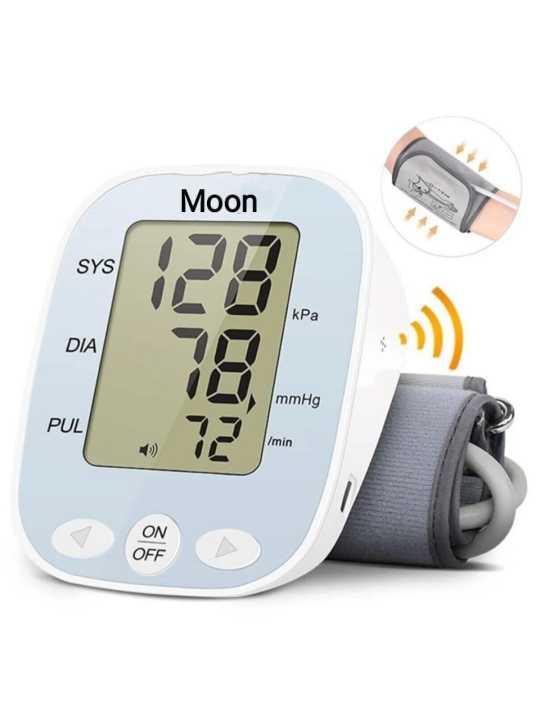
Quick Comparison
Most seniors should choose an automatic digital monitor for home use. They are much easier to use alone without help.
Manual units require good hearing, sharp vision, and strong hands. Automatic units do all the hard work with just one push of a button.
At-A-Glance Comparison
Here is a quick look at how these two options compare. Each type has distinct traits for home care.
| Feature | Automatic Monitor | Manual Monitor |
| Ease of Use | Very simple to use | Very hard alone |
| Screen Type | Large digital text | Small dial gauge |
| Power Source | Batteries or wall plug | No power needed |
Automatic BP Monitors: A Close Look
An automatic monitor uses digital parts to read your pressure. You just wrap the arm cuff and press a button to start.
Ease of Use
These devices are built for complete simplicity. You do not need a stethoscope to hear your heartbeat. The digital screen shows big numbers that are easy to read. You do not need hand strength to pump the cuff. The machine fills the cuff with air on its own.
Key Strengths
- One-touch button operation.
- Large screens for poor eyesight.
- Saves past readings in a digital memory.
- Alerts you to an irregular heartbeat.
- Needs zero physical effort to work.
Potential Drawbacks
- Relies on batteries or a wall cord.
- Can show false numbers if you move too much.
- Must be calibrated every few years.
Manual BP Monitors for Daily Home Use
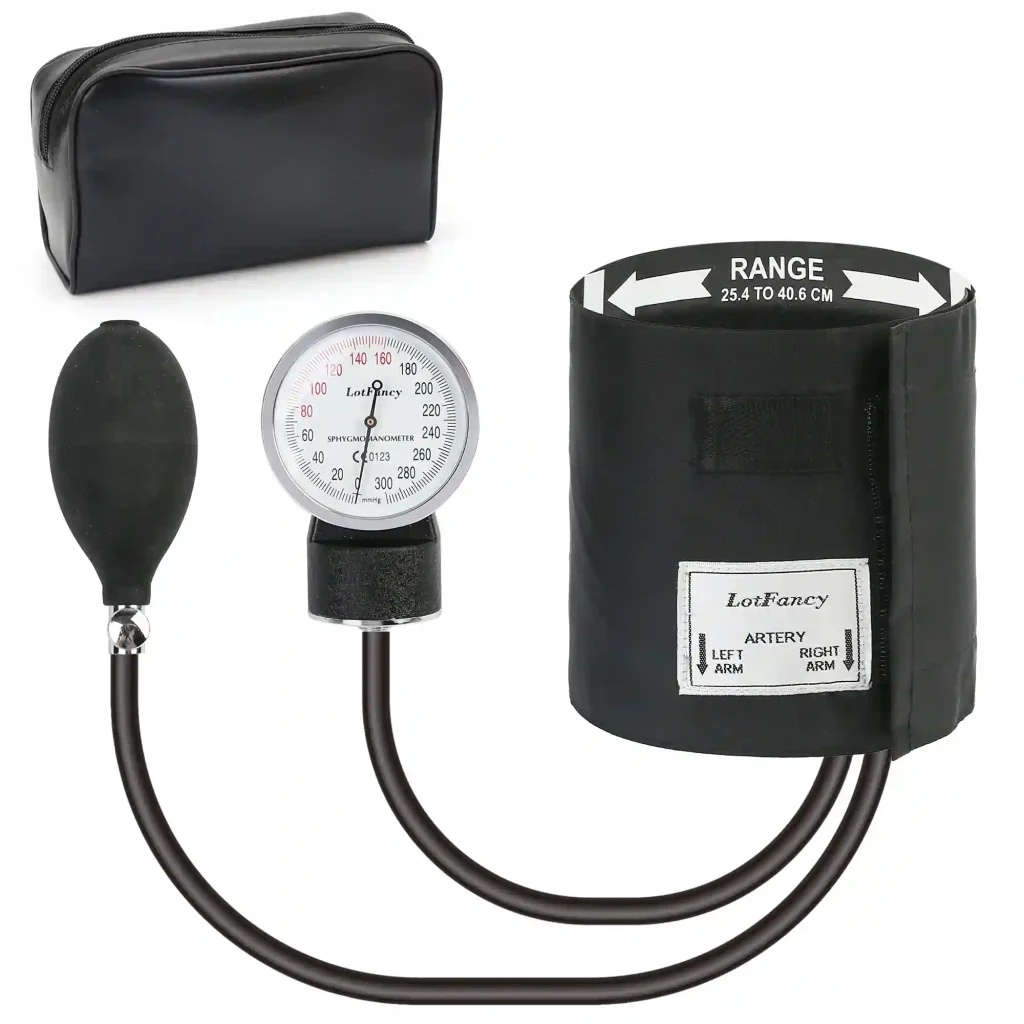
A manual monitor is the classic medical tool used in clinics. It uses a small rubber bulb, an arm cuff, and a dial gauge.
Ease of Use
These are very difficult for seniors to use alone. You must pump the bulb to fill the cuff. You also need a stethoscope to listen to your pulse. At the same time, you must watch a tiny needle drop on the dial. This takes sharp focus and lots of practice.
Key Strengths
- Does not need any batteries.
- Highly accurate if used perfectly.
- Costs less than digital options.
- Lasts for many years with basic care.
Potential Drawbacks
- Requires strong hands to pump the bulb.
- Needs good hearing to catch the pulse.
- Very hard to place on your own arm.
- Tiny dial numbers are hard to read.
Which Is Easier for Seniors to Use?
Automatic monitors win this category easily. They require almost no physical effort.
Manual units demand fine motor skills. You must hold the stethoscope, pump the bulb, and control the air valve all at once. This is frustrating for seniors with arthritis. It is also hard for people with mild hand tremors. An automatic machine does this all for you. You just sit still and wait for a clear beep.
“The best blood pressure monitor is the one you can use correctly every single time.”
Performance Comparison
Both types give good results when used the right way. Your choice depends on how you take the test.
A manual unit is highly accurate in the hands of a trained nurse. However, user error is very common at home. If you let the air out too fast, your reading will be wrong. Automatic monitors remove this human error. They inflate and deflate at the perfect speed every single time. Just make sure you buy a clinically validated digital model.
Comfort, Accessibility, and Senior-Friendly Design
Comfort matters when you check your health every day. A good device should not cause pain or strain.
Automatic monitors often use a D-ring cuff. You slide your arm through it like a sleeve. You can tighten it with just one hand. Manual cuffs are floppy and hard to wrap using one arm. Also, many digital monitors talk out loud. Voice features are great for seniors with very poor vision.
Features Comparison
Digital options come with many helpful tools. Manual units only do one basic job.
Here is how the features stack up. These tools help track your health over time.
| Feature | Automatic Monitor | Manual Monitor |
| Memory Storage | Keeps past numbers | None |
| Heartbeat Alerts | Warns of bad rhythms | None |
| Voice Output | Reads numbers aloud | None |
Price, Maintenance, and Long-Term Value
You want a machine that offers great value for years. Both options fit well into most home budgets.
Manual units are very cheap to buy. They rarely break down. However, they lack the tools that make daily life easy. Automatic monitors cost slightly more upfront. They also require fresh batteries. Yet, the extra cost brings immense value. The memory feature alone saves you from writing numbers down on paper.
Here is a quick look at cost and upkeep factors. Maintenance is key for accurate results.
| Cost Factor | Automatic Monitor | Manual Monitor |
| Initial Price | Moderate | Low |
| Power Needs | Needs fresh batteries | None |
| Care Needed | Check calibration | Check for air leaks |
Who Should Choose an Automatic Monitor?
- Choose an automatic monitor if you check your pressure alone.
- Choose this if you have sore hands or weak wrists.
- Choose this if you want the machine to save your daily logs.
- Choose this if you have poor hearing or bad vision.
- Choose this if you want a fast and simple routine.
Who Should Choose a Manual Monitor?
- Choose a manual monitor if a trained caregiver takes your reading.
- Choose this if you want a device that never needs batteries.
- Choose this if you have strict budget limits.
- Choose this if you already know how to use a stethoscope.
Final Verdict
The choice comes down to who actually uses the device. Safety and ease of use matter most.
Best for most seniors: Automatic monitor.
Best for caregivers: Manual monitor.
Best value: Automatic monitor.
Best for ease of use: Automatic monitor.
An automatic unit is the safest bet for personal home use. It takes away the stress of manual pumping and listening.
Scoring Summary
Here is a simple score chart for both types. Scores focus purely on senior home care.
| Category | Automatic Monitor | Manual Monitor |
| Ease of Use | 9/10 | 3/10 |
| Senior Design | 9/10 | 2/10 |
| Performance | 8/10 | 8/10 |
| Maintenance | 7/10 | 8/10 |
| Value | 9/10 | 6/10 |
How We Evaluate Products
We look closely at real facts that help older adults. We study how easy a product is to hold, read, and run.
We check if the buttons are large enough for shaking hands. We note if the screen is bright and clear. We compare weight, setup time, and overall safety. We do not focus on flashy marketing words. We focus purely on safe and practical daily use for seniors.
Senior-Specific Buying Considerations
Keep these simple details in mind before you buy. The right fit changes everything.
- Cuff Size: A cuff that is too small gives high readings. Measure your arm first.
- Screen Size: Look for thick, black numbers on a bright screen.
- Power Cord: Batteries die. A wall plug option is very handy.
- Button Layout: Choose a machine with one huge start button.
- D-Ring Cuff: This shape is much easier to slide onto your arm alone.
Common Buying Mistakes
Avoid these traps when shopping for home medical tools. Small errors can waste your money.
- Choosing a cheap manual unit just to save a few dollars.
- Buying a wrist monitor instead of an arm monitor. Arm models are better.
- Forgetting to measure your upper arm for the right cuff fit.
- Ignoring the need for a clinical validation seal on the box.
- Buying a unit with a tiny screen that is hard to read.
Safety and Health Notes
Blood pressure devices directly impact your daily health plan. Wrong numbers can lead to poor medical choices.
Always sit still for five minutes before a reading. Do not place the cuff over thick clothing. A cuff that pumps too tight can bruise thin skin. If you get very high numbers, do not panic. Wait a few minutes and test again. Always share strange or high numbers with your doctor right away.
Conclusion
The choice between an automatic vs manual BP monitor is clear for most homes. Digital units simply make life much easier.
An automatic machine gives you independence. You do not need to rely on a nurse or family member to squeeze a bulb or listen to a pulse. For any senior living alone, a one-touch digital monitor is the smartest and safest path forward.
