
Blood Pressure Cuff vs Wrist Monitor for Seniors


Upright Walker

Emergency SOS Phone
Bed Rail for Seniors
Choosing between a blood pressure cuff vs wrist monitor is a major decision for many older adults. Both tools help you track your heart health at home. However, they work in very different ways.
Finding the right fit matters a lot. The best choice depends on your daily routine. It also depends on your arm size and how easily you can move your hands.
Quick Comparison
For most seniors, a standard upper arm cuff is the best choice. Doctors trust it. It gives the most accurate numbers.
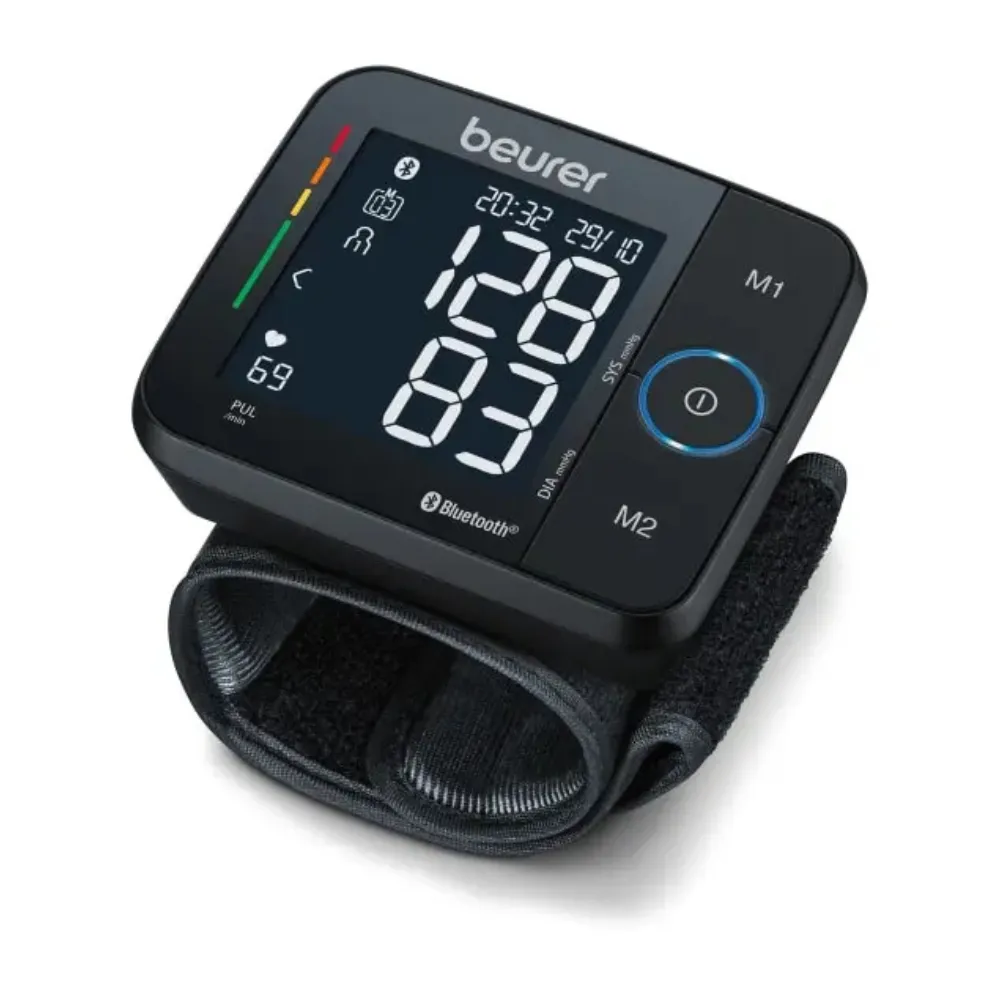
A wrist monitor is a good backup plan. It works well for seniors who have very large arms. It is also great for people with shoulder pain.
The main difference is accuracy. Arm cuffs rest close to your heart naturally. Wrist monitors force you to hold your arm up in a strict pose.
At A Glance Comparison
Here is a quick look at how these two home devices compare.
| Feature | Upper Arm Cuff | Wrist Monitor |
| Accuracy | Highest (Doctor preferred) | Sensitive to position |
| Placement | Bicep (Needs bare skin) | Wrist (Like a watch) |
| Effort to Put On | Needs shoulder reach | Very easy |
Upper Arm Blood Pressure Cuff Review
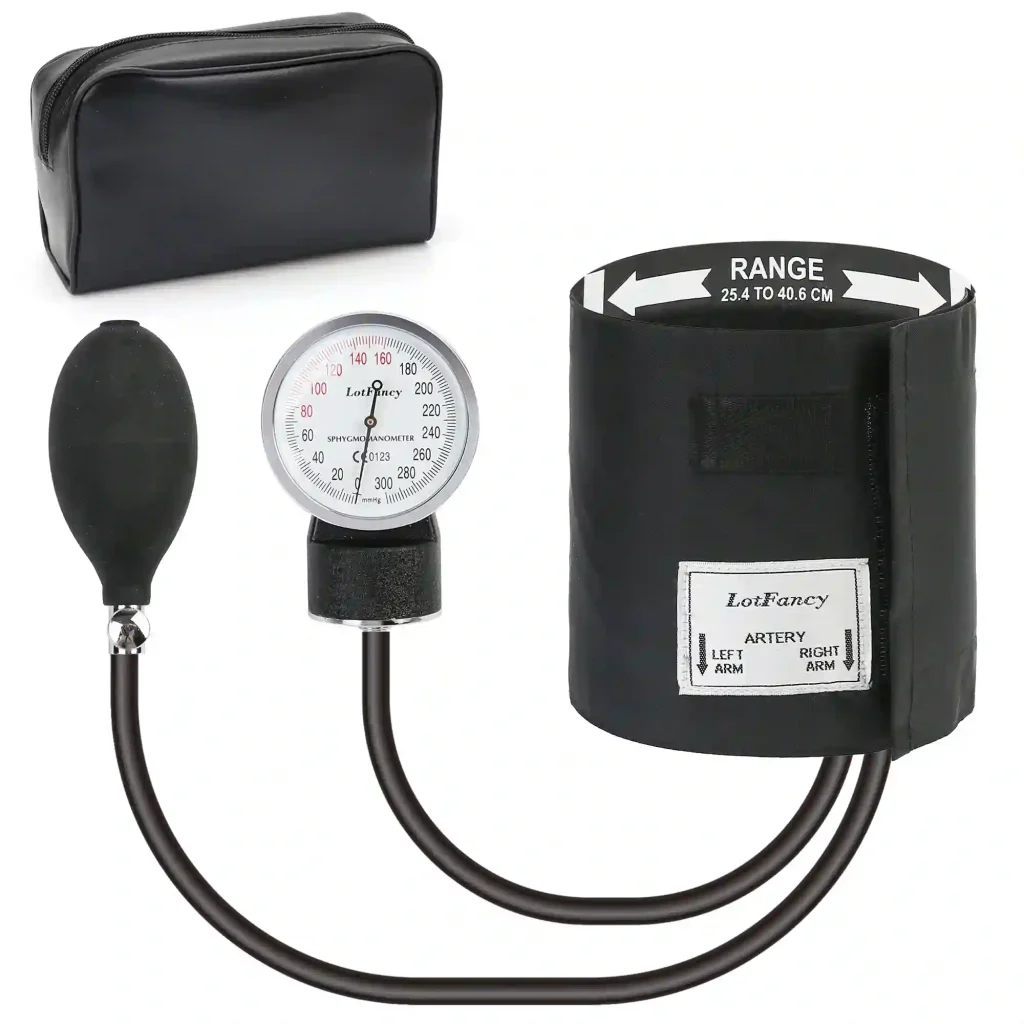
The classic upper arm cuff is the gold standard for home care. It wraps around your bicep to read blood flow.
Ease of Use
Most upper arm models feature big screens. They use simple buttons. The hardest part is putting the cuff on. You must slide it up your arm. Then, you pull it tight with one hand.
Key Strengths
- It is highly accurate and widely trusted by heart doctors.
- The cuff sits right at heart level to reduce simple errors.
- The screens are usually huge and very easy to read.
Potential Drawbacks
- It can pinch your skin when it fills with air.
- It is hard to put on if your shoulders are stiff.
- You must take off thick shirts to use it safely.
Wrist Blood Pressure Monitor Review
A wrist monitor offers a small and portable way to check your numbers. It wraps around your wrist just like a thick watch.
Ease of Use
This tool shines for seniors with stiff joints. You just wrap it on your wrist. Then, you press a button. You do not need to roll up tight sleeves.
Key Strengths
- It is very easy to put on with just one hand.
- It fits seniors with large arms when standard cuffs do not fit.
- It travels easily in a purse or a small bag.
Potential Drawbacks
- It is very sensitive to how you sit.
- You must hold your wrist right at heart level.
- Aging wrist veins can sometimes cause wrong numbers.
Which Is Easier for Seniors to Use?
Daily health checks should not feel hard. Let us look at how physical limits change your choice.
A wrist monitor is easier to put on. Seniors with weak grips can secure it fast. You do not have to stretch to get it in place. It takes very little work.
However, an upper arm cuff is easier to use the right way. Once the cuff is on, you just sit back. You rest your arm on a table. With a wrist device, you must hold your arm up in the air.
Performance Comparison
Getting the right numbers is the most important goal. Here is how they perform.
Upper arm cuffs perform much better. They measure a deep vein close to your heart. This makes the numbers highly reliable.
Wrist monitors measure small veins near the skin. These vessels narrow as we age. A slight drop of your hand changes the reading completely.
| Performance Area | Upper Arm Cuff | Wrist Monitor |
| Vein Measured | Deep brachial artery | Small wrist vessels |
| Reading Stability | Very stable | Changes if you move |
| Doctor Trust | Very high | Moderate |
Comfort, Accessibility, and Senior-Friendly Design
A good health tool should not cause pain. Here is how they compare on pure comfort.
Upper arm cuffs squeeze tightly. This firm hug can bruise thin skin. But their giant screens make them great for poor vision.
Wrist monitors apply less squeeze. They are much gentler on bare skin. But their screens are small. This makes the numbers harder to see.
| Design Factor | Upper Arm Cuff | Wrist Monitor |
| Screen Size | Extra large and bright | Smaller display |
| Squeeze Pressure | Firm, can pinch skin | Gentle and mild |
| Device Weight | Heavier base unit | Very light |
Features Comparison
Both styles offer modern tools to help you track your health.
Most new monitors share smart features. They save past numbers. They look for bad heartbeats. Some send numbers to a phone.
Upper arm models often let two users save their data. Wrist models usually only save data for one person.
| Feature | Upper Arm Cuff | Wrist Monitor |
| Memory Storage | Usually for 2 users | Often for 1 user |
| Heartbeat Alerts | Yes, checks bad beats | Yes, checks bad beats |
| Position Sensor | Not needed | Often guides your arm |
Price, Maintenance, and Long-Term Value
Home health tools cost money. Let us look at what they cost over time.
Upper arm cuffs cost a little more up front. However, they hold their value. They last for years. You can buy a new cuff if the cloth tears.
Wrist monitors are often cheaper. But they are a single unit. If the band breaks, you must buy a whole new machine. Both run on simple batteries.
Who Should Choose an Upper Arm Cuff?
For most older adults, this remains the smartest buy.
- Choose an upper arm cuff if you want the most accurate numbers.
- Choose an upper arm cuff if your doctor asks for a daily log.
- Choose an upper arm cuff if you have poor vision.
- Choose an upper arm cuff if you can easily reach your bicep.
Who Should Choose a Wrist Monitor?
This style solves specific problems for some seniors.
- Choose a wrist monitor if you have a very large upper arm.
- Choose a wrist monitor if shoulder pain stops you from pulling on a sleeve.
- Choose a wrist monitor if arm pressure causes bad bruises.
- Choose a wrist monitor if you travel a lot.
Blood Pressure Cuff vs Wrist Monitor — Final Verdict
Making the right choice ensures you get numbers you can trust.
Best for most seniors: Upper Arm Cuff.
Best for stiff shoulders: Wrist Monitor.
Best value: Upper Arm Cuff.
Best for travel: Wrist Monitor.
“The best monitor is the one you can use correctly every single day without feeling pain or stress.”
Scoring Summary
Here is a simple look at how these devices score for senior needs.
| Category | Upper Arm Cuff | Wrist Monitor |
| Accuracy | 10/10 | 6/10 |
| Putting It On | 6/10 | 10/10 |
| Ease of Reading | 9/10 | 7/10 |
How We Evaluate Products
We look closely at real life routines. We judge these tools on ease of use and screen clarity.
We weigh the accuracy of the readings against the comfort of the device. We focus strictly on factors that help older adults manage their health safely at home.
Senior-Specific Buying Considerations
Keep these practical details in mind before you buy a new monitor.
Physical Effort
Can you pull a strong strap with one hand?
Arm Size
Does the standard cuff fit your bicep? You might need a larger size.
Screen Clarity
Are the black numbers big enough to read without glasses?
Cuff Rigidity
Some arm cuffs are pre-formed into a stiff circle. These are much easier to slide on.
Common Buying Mistakes
Avoid these frequent errors when shopping for a home monitor.
- Buying a wrist monitor just because it is cheap.
- Ignoring the cuff size limits printed on the box.
- Assuming all wrist monitors will be perfectly accurate.
- Forgetting to check if the buttons are too small.
- Buying a smart monitor when a basic one is better.
Safety
Your health data guides your daily care. Accuracy is a matter of safety.
A false reading can lead to taking wrong medicine amounts. Wrist monitors change readings if you move. They carry a higher risk of user error.
Always take your new monitor to your next doctor visit. Ask your nurse to check your home machine against their clinic tool. This ensures your home readings are safe to trust.
Conclusion
Deciding between a blood pressure cuff vs wrist monitor comes down to a simple choice. You must balance pure accuracy with daily comfort. For the most reliable numbers, the upper arm cuff wins easily.
But if stiff joints make an arm cuff hard to use, a wrist monitor is a helpful tool. Pick the one that fits your body. Then, checking your numbers becomes an easy daily habit.
