
Forehead vs Oral Thermometer: Which Is Right for You?

Spill-Proof Adult Cup

Easy Grip Kitchen Utensils

Shower Chair for Elderly
Choosing a forehead vs oral thermometer involves balancing the unmatched speed and non-invasive convenience of infrared scanning with the traditional, highly trusted clinical precision of a sublingual digital probe. Families and caregivers frequently weigh these two popular diagnostic tools to find a device that matches daily health monitoring needs without causing undue frustration or physical discomfort.
For most households, a forehead thermometer offers superior convenience for quick, hassle-free temperature checks, especially when monitoring resting individuals or those who resist traditional methods. Meanwhile, a traditional oral thermometer remains a gold standard for consistent, clinical-grade accuracy when proper positioning and the essential fifteen-minute wait rule are strictly followed.
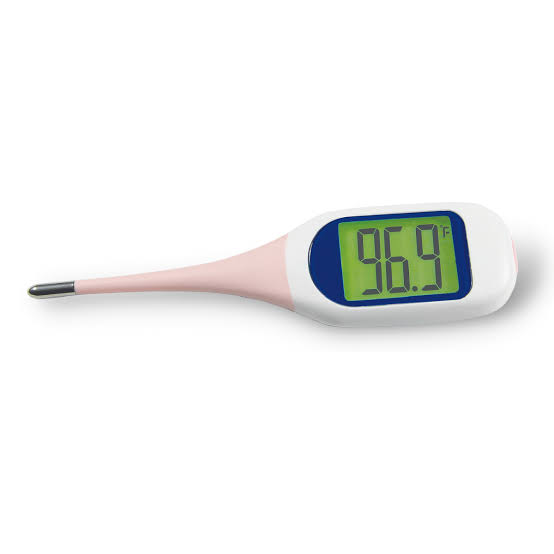
Comprehensive Forehead Thermometer Review
Infrared forehead models have transformed home health monitoring by allowing fast, touch-free measurements from the temporal artery. The following table highlights the primary differences in design, operation, and daily use between these two common household thermometers.
| Feature | Forehead Thermometer | Oral Thermometer |
| Measurement Method | Non-contact infrared sensor | Sublingual digital probe |
| Typical Speed | 1 to 3 seconds | 10 to 60 seconds |
| Contact Level | None (surface scanning) | Direct mouth contact |
Ease of Use
Infrared forehead devices excel in user-friendly operation, often featuring a simple one-button design that requires minimal physical effort or dexterity. They eliminate the need for patient cooperation, making them exceptionally straightforward for caregivers assisting family members.
Key Strengths
- Delivers temperature readings in under three seconds without disturbing a resting user.
- Operates entirely non-contact, drastically reducing sanitation and cross-contamination concerns across multiple family members.
- Features large, backlit digital displays that remain easy to read in dimly lit nighttime environments.
Potential Drawbacks
- Surface readings can be temporarily skewed by perspiration, heavy drafts, or coming in from cold outdoor air.
- Typically commands a higher retail price point compared to standard digital probe alternatives.
Comprehensive Oral Thermometer Review
Oral digital thermometers represent the familiar, reliable standard found in medicine cabinets for generations, relying on direct contact for steady performance. The following overview details their practical strengths and limitations in daily home use.
Ease of Use
Operating an oral thermometer requires the user to place the sensor probe securely under the tongue and hold it still while keeping the lips closed. While simple in concept, this method requires steady cooperation and proper positioning to prevent skewed results.
Key Strengths
- Delivers highly dependable, clinical-grade accuracy when used according to standard medical guidelines.
- Features a budget-friendly price point, making it an accessible health tool for every household budget.
- Compact, lightweight body design fits easily into any medicine cabinet or travel pouch.
Potential Drawbacks
- Requires a strict fifteen-minute waiting period after eating, drinking hot or cold liquids, or smoking before measurement.
- Direct contact requires careful cleaning and sanitizing after every single use to maintain proper hygiene.
Ease of Use for Seniors
Evaluating daily usability for older adults requires looking closely at physical dexterity, visual comfort, and the level of cooperation needed. The following comparison outlines how each device supports senior-friendly operation.
| Usability Factor | Forehead Thermometer | Oral Thermometer |
| Dexterity Required | Minimal (one-button scan) | Moderate (stable hand placement) |
| Cooperation Need | None (passive reading) | Active (holding under tongue) |
| Visual Readout | Large backlit digital screen | Standard digital readout |
For seniors with limited hand strength or arthritis, the large button layout and touch-free nature of a forehead model remove the physical strain of holding a probe correctly in place. On the other hand, traditional oral devices require maintaining a closed mouth and steady posture for up to a minute, which can prove challenging for individuals experiencing fatigue or respiratory discomfort. Display clarity also plays a vital role; backlit screens on forehead units help prevent misreading numbers in low light.
Performance Comparison
Understanding how these devices perform in real-world home environments ensures reliable health tracking over time.
Oral thermometers measure sublingual temperature near major blood vessels, offering close proximity to core body metrics when the probe rests in the correct mouth pocket. Forehead models capture infrared heat emitted by the temporal artery, providing rapid approximations that serve well for general fever screening. However, environmental variables such as room temperature or a damp brow can occasionally cause minor variances in forehead outputs, whereas oral metrics remain remarkably stable provided the user avoids recent eating or drinking.
Comfort, Accessibility, and Senior-Friendly Design
Comfort and ergonomic design directly influence whether a health monitoring tool is used correctly and consistently.
Infrared forehead devices offer superior comfort by eliminating intrusive physical contact, which is especially beneficial when checking resting individuals or those sensitive to sensory input. Ergonomically, they are shaped like a small remote control with a comfortable grip. Oral thermometers require holding a rigid plastic probe under the tongue, which may cause minor discomfort for individuals with sensitive gums or dental appliances. Lightweight bodies and clear audio beeps on both options aid accessibility, though quiet mode options on infrared models help prevent startling sensitive users.
Features Comparison
Examining distinct product features helps clarify which tool offers the best functional support for your daily routine. The comparison table below highlights key functional differences.
| Feature Category | Forehead Thermometer | Oral Thermometer |
| Power Source | Standard AAA batteries | Coin cell or AAA battery |
| Memory Storage | Stores past 10 to 30 readings | Stores last reading only |
| Special Alerts | Color-coded fever alarm lights | Standard audible beep |
Price, Maintenance, and Long-Term Value
Long-term ownership involves evaluating initial costs, hygiene upkeep, and ongoing maintenance requirements.
Oral thermometers represent an economical choice, often costing just a few dollars, though they require meticulous cleaning with alcohol wipes after each use. Forehead models carry a higher initial investment due to advanced infrared sensors and microprocessors, but they require zero physical contact, saving time on sanitation. Neither device demands expensive replacement consumables, though both require occasional battery changes to maintain peak operational reliability.
Who Should Choose Forehead Thermometer?
Consider this infrared option if your daily health routine prioritizes speed, touch-free operation, and maximum convenience.
- Choose a forehead thermometer if you need rapid, touch-free temperature checks without disturbing a resting family member.
- Choose a forehead thermometer if the primary user struggles to keep an oral probe securely positioned under the tongue.
- Choose a forehead thermometer if caregiver ease and quick screening capability are top operational priorities.
Who Should Choose Oral Thermometer?
Opt for the traditional digital probe style if you prefer classic reliability, budget-friendly simplicity, and proven clinical precision.
- Choose an oral thermometer if you want maximum measurement precision at a minimal upfront cost.
- Choose an oral thermometer if you do not mind waiting fifteen minutes after eating or drinking to take a measurement.
- Choose an oral thermometer if you prefer a compact device that takes up minimal storage space in a drawer.
Final Verdict
Balancing speed, comfort, and precision helps determine the ideal temperature monitoring solution for your household.
- Best for most seniors: Forehead Thermometer, due to its effortless, non-contact operation.
- Best for traditional precision: Oral Thermometer, offering reliable clinical tracking at a low cost.
- Best value: Oral Thermometer, providing essential functionality on an economical budget.
- Best for ease of use: Forehead Thermometer, eliminating the need for strict mouth placement or waiting rules.
Scoring Summary
The following scores reflect a balanced evaluation of each thermometer type across key senior-focused criteria.
| Evaluation Category | Forehead Thermometer | Oral Thermometer |
| Ease of Use | 9.5 / 10 | 7.0 / 10 |
| Senior-Friendly Design | 9.0 / 10 | 6.5 / 10 |
| Performance Accuracy | 8.0 / 10 | 9.5 / 10 |
How We Evaluate Products
Our product evaluations focus strictly on practical factors that directly impact older adults, caregivers, and family households.
We assess daily ease of use, physical ergonomics, display visibility, maintenance requirements, and overall reliability without relying on laboratory testing claims or unverified manufacturer promises. Every comparison prioritizes real-world usability to help readers make confident, informed purchasing decisions.
Senior-Specific Buying Considerations
Before purchasing a home health thermometer, keep these essential senior-focused factors in mind to ensure a practical fit.
- Physical Effort: Ensure the device does not require complex button sequences or awkward hand twists during operation.
- Display Visibility: Look for large, brightly lit digital numbers that are easy to read without straining aging eyes.
- Maintenance Needs: Consider whether cleaning the device involves simple wipe-downs or intricate disassembly.
- Storage and Handling: Check that the physical shape fits comfortably in the hand and stores securely in an accessible location.
Common Buying Mistakes
Avoiding common purchasing pitfalls ensures you select a temperature monitoring tool that truly serves your daily needs.
- Choosing a device based solely on the lowest price tag without evaluating daily ease of use.
- Ignoring display readability and backlight options, which causes frustration in nighttime emergencies.
- Overlooking hygiene requirements and cleaning complexity for multi-person household use.
- Assuming all forehead models offer non-contact scanning when some require gentle skin contact.
- Forgetting to verify battery types and replacement ease for long-term ownership convenience.
Safety
Safe operation of home diagnostic tools ensures accurate readings while protecting vulnerable household members.
Always inspect your thermometer for cracked casings or battery compartment damage before use. Never submerge electronic thermometer bodies in water unless explicitly rated as waterproof by the manufacturer. If temperature readings consistently conflict with physical symptoms or indicate a persistent high fever, consult a qualified healthcare professional promptly for proper medical guidance.
Frequently Asked Questions
Here are clear answers to common questions regarding home temperature measurement options.
Do forehead thermometers require skin contact to work?
Most modern infrared forehead units offer a non-contact mode that operates efficiently from a distance of one to two inches, though some traditional models require a gentle sweep directly across the temple skin.
Why do forehead and oral readings sometimes differ?
Forehead scanners measure surface skin temperature above the temporal artery, while oral probes measure internal sublingual cavity heat, meaning minor variations of nearly one degree are completely normal.
Can an oral thermometer be used under the arm instead?
While axillary measurements are possible under the arm, they typically run cooler and require longer holding times, making them less reliable than standard oral or forehead methods.
How often should home thermometers be calibrated or replaced?
Quality digital and infrared home thermometers do not require routine professional calibration, but batteries should be replaced annually or whenever low-power indicators appear.
Conclusion
Selecting between a forehead and oral thermometer ultimately depends on balancing modern touch-free convenience with traditional clinical precision.
Whether you choose the rapid, effortless scanning of an infrared forehead device or the trusted, budget-friendly accuracy of a digital oral probe, picking the right tool ensures stress-free health monitoring for years to come.
