
Heating Pad vs Heated Blanket: Which Is Better for Seniors?


Pulse Oximeter Finger Monitor

Smart Doorbell Camera

Reacher Grabber Tool
Heating Pad vs Heated Blanket is mainly a choice between targeted warmth and full-body warmth. A heating pad focuses heat on one area, while a heated blanket warms a larger part of the body.
For seniors, the better choice depends on how the warmth will be used. A heating pad may suit someone who wants simple, focused heat. A heated blanket may be better for someone who often feels cold while sitting or resting.

Quick Comparison
A heating pad is the better choice for focused warmth, simple storage, and smaller areas. It is often easier to place exactly where warmth is wanted.
A heated blanket is better for broader warmth. It can cover more of the body while sitting or resting.
The key difference is simple: choose a heating pad for targeted heat and a heated blanket for wider coverage.
Heating Pad vs Heated Blanket At a Glance
Both products can add warmth, but they work best in different situations.
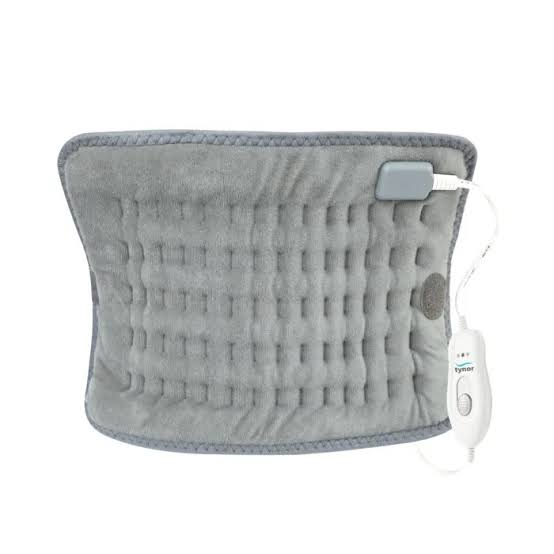
| Feature | Heating Pad | Heated Blanket |
|---|---|---|
| Heat coverage | Small, focused area | Larger body area |
| Best use | Targeted warmth | General warmth |
| Storage | Easier | Needs more space |
| Setup | Usually simple | Usually simple |
| Portability | Often easier | Less convenient |
| Controls | Usually simple | Usually simple |
| Comfort | Focused warmth | Broader warmth |
| Safety | Follow heat-use instructions | Follow blanket-use instructions |
Heating Pad Review for Senior Use
A heating pad is a simple option when only one area needs warmth. Its smaller size can also make it easier to store.
Ease of Use
A heating pad usually has a straightforward design. Many models use a wired controller with heat settings.
This can be useful for seniors who prefer fewer controls. The main task is placing the pad correctly and choosing a comfortable setting.
A cord can be a minor nuisance, especially when the pad is used in a chair or bed. It is also important to keep the cord away from places where it could catch or cause a trip.
Key Strengths
- Focuses warmth on a smaller area
- Usually easy to store
- Often simple to operate
- Useful when only part of the body needs warmth
- Does not require a large blanket surface
Potential Drawbacks
- Covers less area
- May need repositioning
- The cord can limit movement
- Not ideal when broad warmth is the main goal
A heating pad makes the most sense when you want warmth in one place, not everywhere.
Heated Blanket Review for Everyday Comfort
A heated blanket takes a different approach. Instead of focusing heat on one small area, it provides warmth across a larger surface.
This can be useful when sitting in a chair or resting on a bed.
Ease of Use
A heated blanket usually requires little setup. The blanket is placed over the user, and the controller is used to select the heat setting.
The larger size can make handling less simple than a small heating pad. Folding and storing it may also take more space.
For seniors who like broad, gentle warmth, though, the larger coverage can be a major advantage.
Key Strengths
- Warms a larger area
- Good for sitting or resting
- Can provide more even coverage
- Useful for people who want general warmth
- Can be shared with a normal blanket setup, depending on the product
Potential Drawbacks
- Takes more storage space
- Can be harder to handle
- May be less convenient for targeted warmth
- Cord and controller placement still matter
Which Is Easier for Seniors to Use?
Ease of use depends on the person’s needs and the specific design.
A heating pad may be easier for someone who wants a small, simple product. It takes less space and is usually easy to move.
A heated blanket may be easier for someone who wants warmth across a larger area without moving a small pad around.
| Senior Need | Better Fit | Why |
|---|---|---|
| Small area of warmth | Heating pad | More focused |
| Larger area of warmth | Heated blanket | Wider coverage |
| Easy storage | Heating pad | Smaller size |
| Warmth while sitting | Heated blanket | Covers more of the body |
| Easy carrying | Heating pad | Usually less bulky |
| Simple targeted use | Heating pad | Less material to handle |
The best choice is not about age alone. It is about comfort, movement, strength, and how the product will be used.
Performance Comparison
The biggest performance difference is coverage.
A heating pad is designed for concentrated warmth. That makes it useful when the user wants heat in one specific place.
A heated blanket spreads warmth across a much larger surface. It is better suited to someone who wants to feel warm while sitting or resting.
| Performance Area | Heating Pad | Heated Blanket |
|---|---|---|
| Targeted warmth | Excellent fit | Limited |
| Broad warmth | Limited | Excellent fit |
| Easy repositioning | Usually easier | Less convenient |
| Coverage | Smaller | Larger |
| Everyday sitting comfort | Good | Very good |
Neither product is automatically better. The right option depends on whether coverage or focus matters more.
Comfort, Accessibility, and Senior-Friendly Design
Comfort can vary from person to person. A smaller heating pad may feel easier to manage, while a heated blanket may feel more comfortable for longer periods of sitting.
Controls also matter.
A simple controller with clear settings may be easier to understand than a complicated control system. Seniors with limited hand strength or dexterity may prefer large, easy-to-use controls.
Storage is another small but useful factor. A heating pad normally needs less space. A heated blanket needs more room to fold and store.
For either option, the cord should be positioned safely.
Features Comparison
The useful features are the ones that make heat easier and safer to control.
| Feature | Heating Pad | Heated Blanket |
|---|---|---|
| Heat settings | Common | Common |
| Controller | Usually handheld | Usually handheld |
| Coverage | Focused | Broad |
| Auto shutoff | Model dependent | Model dependent |
| Portability | Usually better | Usually lower |
| Storage needs | Lower | Higher |
Features can differ by model. Check the product instructions before assuming a specific feature is included.
Price, Maintenance, and Long-Term Value
A heating pad is often the simpler purchase because it is smaller and has fewer material requirements.
A heated blanket may cost more depending on its size, fabric, controls, and features. But a higher price can make sense if the user needs broad warmth.
Maintenance is also important. Neither product should be treated like an ordinary washable blanket or cloth item unless the manufacturer says it can be cleaned that way.
Always follow the care instructions.
| Cost Factor | Heating Pad | Heated Blanket |
|---|---|---|
| Initial cost | Often lower | Often higher |
| Storage | Simple | More space needed |
| Cleaning | Follow product instructions | Follow product instructions |
| Replacement | Usually smaller item | Larger item |
| Long-term value | Strong for targeted use | Strong for broad warmth |
The better value is the product that matches the user’s actual need.
Who Should Choose a Heating Pad?
Choose a heating pad if:
- You want focused warmth.
- You prefer a smaller product.
- Storage space is limited.
- You want something easy to move.
- You do not need broad body coverage.
- Simple operation is important.
A heating pad is especially practical when the goal is targeted warmth rather than full-body coverage.
Who Should Choose a Heated Blanket?
Choose a heated blanket if:
- You want warmth over a larger area.
- You often feel cold while sitting or resting.
- Broad coverage matters more than portability.
- You prefer warmth around more of the body.
- You have enough space for storage.
A heated blanket can be a better fit for someone who wants a warm, cozy layer rather than a small heat source.
Heating Pad vs Heated Blanket — Final Verdict
Best for most seniors: Heating pad for simple, targeted warmth.
Best for broad warmth: Heated blanket.
Best for easy storage: Heating pad.
Best for larger coverage: Heated blanket.
Best for simple targeted use: Heating pad.
There is no universal winner. A heating pad is more practical when the user wants focused warmth. A heated blanket makes more sense when wider coverage is the priority.
Scoring Summary
The scores below compare the general product types, not specific models.
| Category | Heating Pad | Heated Blanket |
|---|---|---|
| Ease of use | 9/10 | 8/10 |
| Senior-friendly design | 9/10 | 8/10 |
| Coverage | 7/10 | 10/10 |
| Portability | 9/10 | 7/10 |
| Storage | 9/10 | 7/10 |
| Value | 9/10 | 8/10 |
These scores are category-level judgments based on practical use. A specific model may perform differently.
How We Evaluate These Products
The comparison focuses on practical factors that matter when choosing warmth products for older adults.
We look at:
- Ease of use
- Control simplicity
- Comfort
- Coverage
- Physical effort
- Storage
- Maintenance
- Safety
- Portability
- Long-term value
The goal is to compare how each product type fits different everyday needs.
Senior-Specific Buying Considerations
A few checks can make the choice easier.
Physical Effort
Think about how easy the product is to lift, move, fold, and position.
A heating pad is usually easier to move. A heated blanket may take more effort because of its larger size.
Controls
Look for controls that are easy to see and understand.
Large, clear settings can be helpful for anyone who does not want to deal with complicated controls.
Storage
Check where the product will be kept when it is not being used.
A heating pad needs less space. A heated blanket needs enough room to fold without damaging it.
Setup
The product should be easy to place and connect.
Avoid setups that require awkward bending, reaching, or complicated steps.
Safety
Heat products need careful use.
Follow the manufacturer’s instructions. Check cords and connections before use. Do not use a damaged product.
Common Buying Mistakes
Avoid these simple mistakes:
- Choosing based only on price
- Ignoring the amount of coverage needed
- Buying a large blanket without enough storage space
- Overlooking controller readability
- Ignoring cord placement
- Assuming every model has the same safety features
A cheaper product is not always better value if it does not suit the user’s daily routine.
Safety
Heating pads and heated blankets use electricity and produce heat, so safe use matters.
Always follow the instructions supplied with the specific product. Check the cord, controller, and fabric for signs of damage.
Do not assume that every heated product is safe to use while sleeping. Safety features vary by model, so check the manufacturer’s instructions carefully.
Keep the product away from situations that could damage the heating elements or create a hazard. If a person has a medical condition that affects heat sensation or circulation, it is sensible to ask a healthcare professional before using a heated product.
Frequently Asked Questions
Is a heating pad better than a heated blanket?
It depends on the goal. A heating pad is better for focused warmth, while a heated blanket is better for wider coverage.
Which is easier to store?
A heating pad is usually easier to store because it is smaller and takes up less space.
Which provides more coverage?
A heated blanket provides much broader coverage than a typical heating pad.
Is a heated blanket harder to use?
Not always. The controls can be simple, but the larger size may make the blanket harder to fold, move, and store.
Which is better for sitting in a chair?
A heated blanket may be more suitable when the goal is broad warmth while sitting. A heating pad may be better when only a small area needs warmth.
Can seniors use heated products safely?
Many people can use them safely when they follow the product instructions. However, heat sensitivity and other personal health factors can matter, so extra care may be needed in some situations.
Conclusion
Heating Pad vs Heated Blanket comes down to targeted warmth versus broad warmth. A heating pad is smaller, easier to store, and well suited to focused heat. A heated blanket covers more of the body and may feel better for general warmth while sitting or resting.
For seniors, the best choice is the one that fits the person’s routine, comfort, mobility, and storage space. Keep the controls simple, check the safety instructions, and choose coverage based on how the product will actually be used.