
Knee Brace vs Compression Sleeve for Seniors


Adult Coloring Book

Arthritis Gloves

Sudoku Puzzle Book
Knee Brace vs Compression Sleeve is mainly a choice between more structured support and lighter compression. A sleeve usually feels simpler and less bulky, while a knee brace can offer more stability depending on its design.
For seniors, the better choice depends on why the knee needs support. Mild stiffness or a desire for light compression may favor a sleeve. A knee that feels unstable may call for a more supportive brace, but the right type depends on the problem.
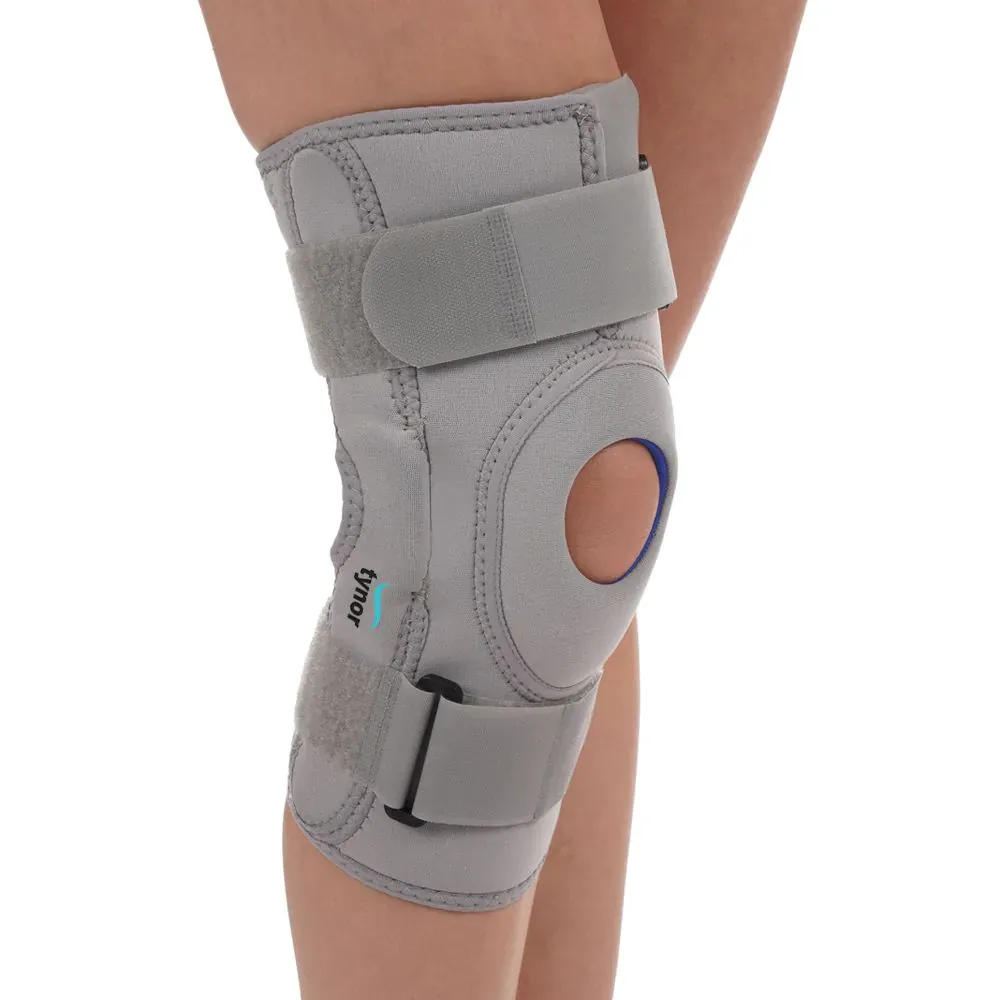
Quick Comparison
For most seniors who want something simple for everyday wear, a compression sleeve is the easier starting point. It is usually lighter, less complicated, and easier to put on.
A knee brace is the better choice when additional stability or specific support is needed. Some braces include stays, hinges, or other structures that provide more support than a basic sleeve.
Knee Brace vs Compression Sleeve At a Glance
The biggest difference is structure. A sleeve mainly provides compression, while a brace can be designed to support or control knee movement.
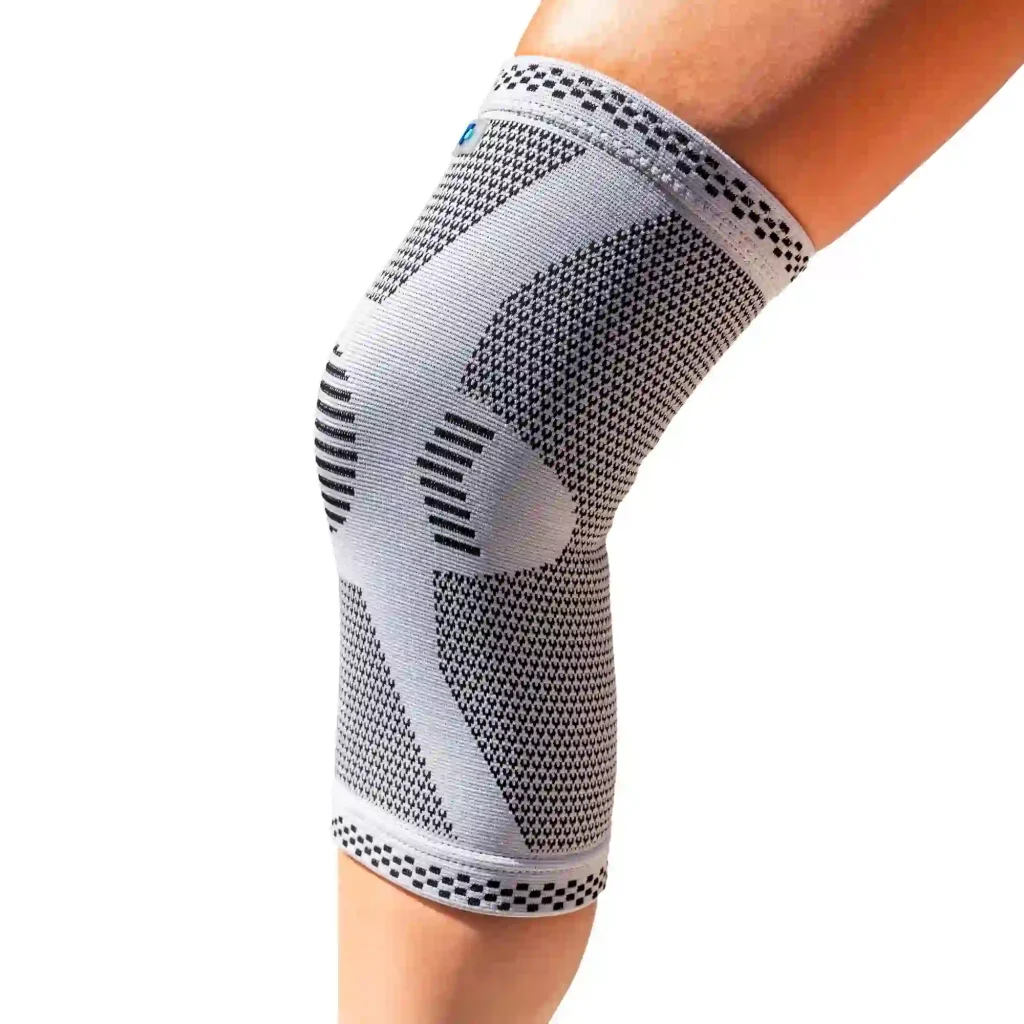
| Feature | Knee Brace | Compression Sleeve |
|---|---|---|
| Main purpose | Support and stability | Compression and light support |
| Structure | May include straps, stays, or hinges | Usually stretchy fabric |
| Ease of use | Varies by design | Usually simple |
| Bulk | Often higher | Usually lower |
| Everyday comfort | Depends on design | Often comfortable |
| Best suited to | Specific support needs | Mild support and compression |
| Maintenance | Depends on materials | Usually simple |
Knee Brace: What Seniors Should Know
A knee brace can range from a simple sleeve-style design to a more structured device. Some models use straps, side supports, or hinges to provide additional stability.
The important point is that “knee brace” is a broad category. A lightweight brace and a rigid brace can feel very different.
Ease of Use
A simple brace may be easy to put on. More structured models can take extra time because of multiple straps or adjustment points.
For someone with limited hand strength or dexterity, fewer adjustments may be easier.
Key Strengths
- Can provide more structured support
- Some designs help stabilize the knee
- Different brace types can target different needs
- May be useful when the knee feels unstable
Potential Drawbacks
- Some models are bulky
- Multiple straps can take more effort to adjust
- Incorrect sizing can reduce comfort
- A specialized brace may need professional guidance
Compression Sleeve: What Seniors Should Know
A compression sleeve is generally a simpler option. It fits around the knee and applies compression without the larger structure found in many supportive braces.
Compression-type sleeves can provide warmth and may help with mild stiffness or swelling. Cleveland Clinic notes that sleeve-type braces can be useful for people with mild pain or stiffness that limits activity.
Ease of Use
A sleeve usually has fewer parts to manage. There are no hinges or multiple straps on a basic design.
That can make it appealing for everyday use, especially when simplicity matters.
Key Strengths
- Simple design
- Usually lightweight
- Less bulky than many structured braces
- Easy to wear under some clothing
- Provides compression around the knee
Potential Drawbacks
- Provides less structural support than some braces
- May not be suitable for significant instability
- Fit is important
- Too much tightness can cause discomfort
Which Is Easier for Seniors to Use?
For basic everyday use, a compression sleeve usually has the advantage.
There are fewer parts to adjust, and the design is generally straightforward. This can matter for someone who wants to put on knee support without dealing with several straps.
A knee brace can still be easy to use, but it depends heavily on the design. A simple pull-on brace is very different from a hinged or highly adjustable brace.
The best choice may therefore come down to the amount of support needed versus the amount of adjustment the user is comfortable handling.
Performance Comparison
These products are not really designed to do exactly the same job.
A compression sleeve focuses on compression and light support. A more structured brace can provide additional stabilization. Cleveland Clinic notes that some sleeve-type braces may also include plastic stays or a hinge for extra support.
If the main goal is a comfortable layer of support during walking or daily activity, a sleeve may be enough.
If the knee feels unstable or requires more controlled support, a brace may be more appropriate. For certain ligament injuries, healthcare providers may recommend a protective knee brace.
Comfort, Accessibility, and Senior-Friendly Design
Comfort can make or break a knee support.
A sleeve generally has an advantage when low bulk and simple handling are priorities. A brace may offer more support but can feel heavier or more noticeable.
Look for:
- A secure but comfortable fit
- Materials that do not irritate the skin
- Easy-to-handle straps, if present
- A design that does not restrict normal movement unnecessarily
- A size that matches the manufacturer’s instructions
Do not assume that every senior needs the lightest option. Someone who values stability may reasonably prefer a more structured brace.
Features Comparison
The useful features depend on the type of brace or sleeve being compared.
| Feature | Knee Brace | Compression Sleeve |
|---|---|---|
| Compression | Often available | Core feature |
| Straps | Common on some models | Usually absent |
| Hinges | Available on some models | Usually absent |
| Side support | Possible | Limited |
| Adjustability | Often higher | Usually limited |
| Bulk | Can be higher | Usually lower |
A basic sleeve and a hinged brace should not be treated as interchangeable products.
Price, Maintenance, and Long-Term Value
Price varies widely because knee braces come in many designs. A simple sleeve-style brace can cost relatively little, while specialized braces can be considerably more expensive. Cleveland Clinic gives broad examples ranging from inexpensive sleeve braces to much more costly unloader braces.
For long-term value, consider more than the initial price.
Check:
- Material durability
- Ease of washing
- Replacement needs
- Whether straps or other parts can wear out
- Warranty, if offered
- How often the support will actually be used
Basic sleeves are generally easier to maintain. Cleveland Clinic recommends regular cleaning based on the brace type and activity level and notes that moisture can affect both the brace and skin.
Who Should Choose a Knee Brace?
Choose a knee brace if:
- You need more than simple compression.
- Your knee feels unstable and a healthcare professional recommends support.
- You need a specific type of knee stabilization.
- You are recovering from an injury and have been advised to use a brace.
- You are comfortable managing straps or other adjustments.
The exact brace matters. A brace intended for one problem may not be appropriate for another.
Who Should Choose a Compression Sleeve?
Choose a compression sleeve if:
- You mainly want light support.
- You prefer a simple design.
- Low bulk matters to you.
- You want something easy to put on and remove.
- Mild stiffness or swelling is the main concern.
- You do not need substantial structural stabilization.
A sleeve should not be viewed as a replacement for a medically recommended brace when a specific injury requires greater support.
Knee Brace vs Compression Sleeve — Final Verdict
Best for most simple everyday support: Compression Sleeve
Best for additional stability: Knee Brace
Best for ease of use: Compression Sleeve
Best for specialized support: Knee Brace
Best for low bulk: Compression Sleeve
There is no universal winner. A compression sleeve makes more sense when simplicity, comfort, and light compression are the priorities. A knee brace becomes more useful when additional stability or a specific support function is needed.
Scoring Summary
These scores are practical editorial ratings for the general product categories, not laboratory measurements.
| Category | Knee Brace | Compression Sleeve |
|---|---|---|
| Ease of Use | 7/10 | 9/10 |
| Senior-Friendly Design | 8/10 | 9/10 |
| Support | 9/10 | 6/10 |
| Comfort | 7/10 | 9/10 |
| Maintenance | 7/10 | 9/10 |
| Versatility | 9/10 | 8/10 |
| Value | 7/10 | 9/10 |
The scores can change significantly depending on the specific model.
How We Evaluate Products
This comparison focuses on practical factors that can affect everyday senior use.
We consider:
- Ease of use
- Comfort
- Accessibility
- Support
- Safety
- Maintenance
- Durability
- Value
- Long-term practicality
The comparison does not assume hands-on testing or laboratory testing. Product categories can also vary considerably between models. The supplied article framework emphasizes avoiding unsupported testing claims and specifications. Pasted markdown
Senior-Specific Buying Considerations
Physical Effort
Think about how much pulling, stretching, bending, or strap adjustment is required.
Fit
A knee support should fit properly. A loose sleeve may move around, while an overly tight one can become uncomfortable.
Dexterity
If hand strength or finger dexterity is limited, a pull-on sleeve may be easier than a brace with several small straps.
Comfort
Consider how the support feels during the activities you actually plan to do.
Medical Need
If the knee is unstable, seriously injured, swollen without a clear reason, or causing significant pain, choosing a support based only on appearance is not a good idea.
Common Buying Mistakes
Avoid these mistakes:
- Choosing only by price
- Assuming every knee brace provides the same support
- Buying the wrong size
- Ignoring how easy the product is to put on
- Choosing maximum support when light compression is all that is needed
- Assuming a compression sleeve can replace a medically recommended brace
Safety
Knee supports should feel secure, not painfully tight.
Stop using one and seek appropriate medical advice if you develop concerning symptoms such as significant numbness, unusual skin changes, worsening pain, or other unexpected problems. A healthcare professional can help determine the cause of knee symptoms and whether a particular type of brace is appropriate.
If you have a known knee injury or instability, it is especially important not to assume that a basic sleeve provides enough protection. Some injuries may require a specific protective brace.
Frequently Asked Questions
Is a knee brace better than a compression sleeve?
Not always. A brace generally offers more potential support, while a sleeve is simpler and focuses more on compression and light support.
Can a compression sleeve help with knee stiffness?
It may. Compression-type sleeves can provide warmth and compression, which may make mild stiffness feel more manageable.
Is a knee sleeve easier to put on than a knee brace?
Usually, yes. A basic sleeve has fewer components than many adjustable braces.
Can a compression sleeve stabilize the knee?
It can provide some support, but a basic sleeve generally does not provide the same level of structural stabilization as a more supportive brace.
Should I wear a knee brace for an injury?
That depends on the injury. Some injuries benefit from a protective brace, but the appropriate type and duration of use should be determined with suitable professional guidance.
Can I wear a knee brace all day?
It depends on the type of brace and why you are wearing it. Follow the instructions provided for the specific brace and any advice from your healthcare professional.
Conclusion
Knee Brace vs Compression Sleeve comes down to support versus simplicity. A compression sleeve is usually the easier everyday option for light compression, comfort, and low-bulk wear.
A knee brace is the stronger choice when additional stability or a specific support function is needed. For seniors, the best option is the one that matches the knee’s actual needs while remaining comfortable and easy to use.
