
Compression Socks vs Regular Socks for Seniors


Hearing Aid Cleaning Kit

Emergency SOS Phone

Leg Massager for Circulation
Compression Socks vs Regular Socks can be a useful comparison for seniors who want comfortable socks for daily wear. The two types look similar, but they serve different purposes.
Regular socks mainly provide warmth, comfort, and protection between the foot and shoe. Compression socks are designed to apply graduated pressure to the legs. That difference can make one option more suitable than the other for certain needs.
The best choice depends on why you wear socks, not simply which type feels softer.
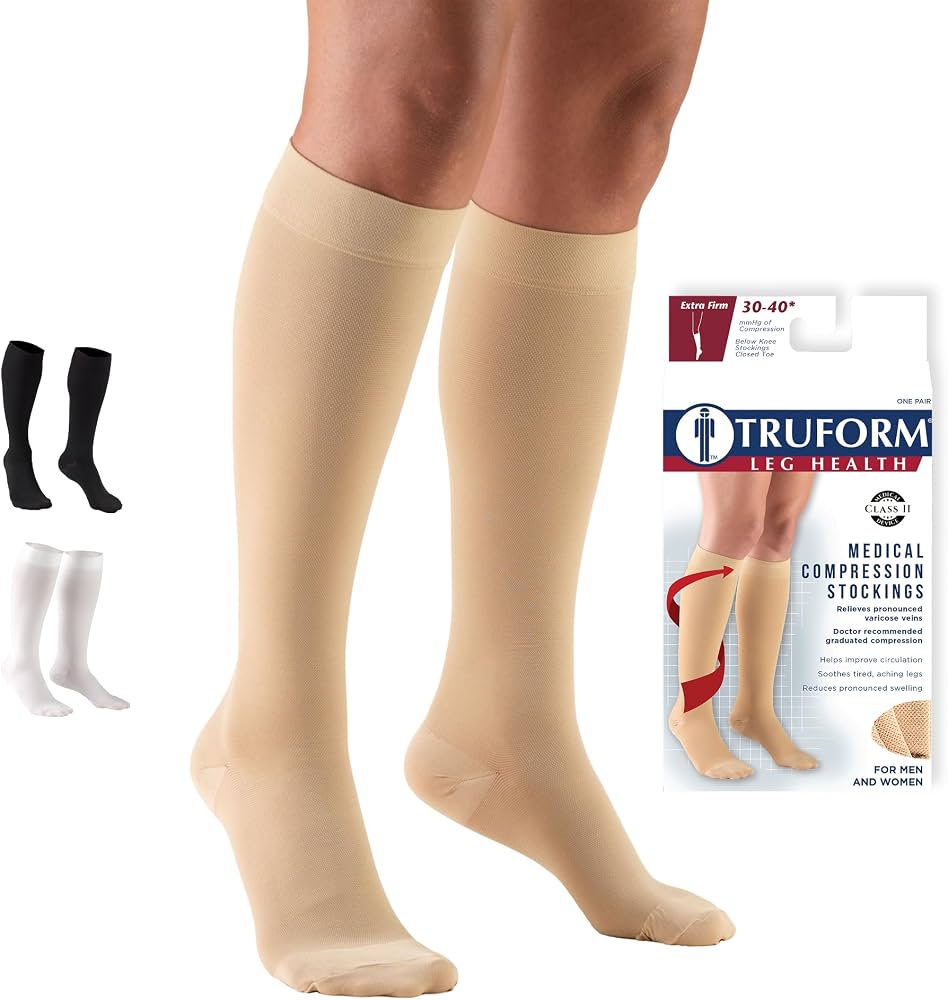
Quick Comparison
For everyday comfort, regular socks are usually the simpler choice. They are easy to put on, easy to remove, and available in many materials and styles.
Compression socks may be a better choice when controlled leg compression is appropriate. They can provide more support than ordinary socks, but the tighter fit can also make them harder to put on.
The key difference is compression versus general comfort. Seniors who need compression for a medical or circulation-related reason should discuss the appropriate compression level with a healthcare professional.
Compression Socks vs Regular Socks At a Glance
Both types can work well, but they solve different problems. This table shows the main practical differences.
| Feature | Compression Socks | Regular Socks |
|---|---|---|
| Main purpose | Graduated leg compression | Comfort and foot coverage |
| Fit | Usually snug | Usually relaxed |
| Ease of putting on | May require more effort | Generally easy |
| Support | More structured support | Basic comfort |
| Everyday comfort | Depends on fit and compression | Usually simple and comfortable |
| Maintenance | Similar to regular socks | Usually simple |
| Best for | People who need appropriate compression | General daily wear |
Compression Socks Review for Seniors
Compression socks are made to fit more closely than ordinary socks. Their main difference is the pressure they apply to the leg, often with greater pressure around the ankle that gradually decreases higher up the leg.
For some seniors, this design may be useful. However, compression is not automatically better than a regular sock. The correct product depends on the individual’s needs, fit, and health situation.
Ease of Use
The biggest practical challenge can be putting compression socks on correctly.
A snug fit may require more hand strength and flexibility than a regular sock. Seniors with limited dexterity may find this frustrating, especially with higher-compression designs.
Some compression socks are easier to handle than others. Material, size, length, and construction can all affect how difficult they are to put on.
Key Strengths
- Provides more structured compression than regular socks
- Can offer a secure, close-fitting feel
- May be useful when appropriate compression has been recommended
- Less likely to bunch around the lower leg when properly fitted
- Available in different lengths and compression levels
Potential Drawbacks
- Can be harder to put on and remove
- Incorrect sizing may cause discomfort
- Higher compression can feel restrictive
- May not be appropriate for everyone
- The correct compression level matters
Regular Socks Review for Seniors
Regular socks are designed primarily for everyday comfort and foot protection. They come in many thicknesses, materials, lengths, and fits.
For seniors who simply need comfortable socks for walking around the house, going outside, or wearing with shoes, regular socks are often the easiest option.
Ease of Use
Regular socks generally require less effort to put on. Their more relaxed construction can make them easier to pull over the foot and remove later.
This can be useful for anyone who values simple dressing. It may also make regular socks a practical choice for caregivers helping with everyday clothing.
Key Strengths
- Usually easy to put on and remove
- Wide range of materials and styles
- Generally comfortable for everyday wear
- Easy to wash and replace
- Available in different thicknesses and lengths
Potential Drawbacks
- Do not provide the same compression as compression socks
- Loose designs may move or bunch
- Tight elastic can still leave marks on some legs
- They are not a substitute for medically appropriate compression when compression is needed
Which Is Easier for Seniors to Use?
Regular socks win on simplicity. Their relaxed fit usually makes dressing easier and requires less effort.
Compression socks can take more work because they need to be positioned correctly and pulled into place. This does not mean every senior will struggle with them. It simply means that fit and physical ability matter more.
Seniors with limited hand strength or dexterity may want to consider easier-to-don compression designs or a suitable sock aid.
For someone who wears compression socks regularly, learning the correct technique can also make the process easier.
Performance Comparison
The two products should not really be judged by the same performance standard.
Regular socks perform their basic job well: they cover the foot, reduce friction, add warmth when needed, and help keep footwear comfortable.
Compression socks have a different purpose. Their defining feature is graduated compression. When compression is appropriate for the individual, the pressure pattern is the main reason to choose them.
So there is no universal performance winner.
Regular socks are better for basic everyday sock use. Compression socks are better when appropriate compression is the priority.
Comfort, Accessibility, and Senior-Friendly Design
Comfort depends heavily on fit.
A regular sock that is too loose may slide down or bunch inside a shoe. A compression sock that is too tight may feel uncomfortable or difficult to manage.
For seniors, useful factors include:
- Easy-to-handle fabric
- Correct sizing
- A comfortable toe area
- A secure but comfortable fit
- Easy removal
- Appropriate sock length
- Minimal bunching
- Simple care instructions
A senior-friendly design is not necessarily the loosest design. It is the one that provides the needed function without creating unnecessary difficulty.
Features Comparison
The most important feature is not the number of features. It is whether the sock matches the user’s actual needs.
| Feature | Compression Socks | Regular Socks |
|---|---|---|
| Graduated compression | Yes, depending on product | No |
| Relaxed everyday fit | Usually less relaxed | Usually yes |
| Easy dressing | Can be more difficult | Usually easier |
| Multiple thicknesses | Available | Widely available |
| Different lengths | Available | Widely available |
| Supportive feel | More structured | Basic |
Price, Maintenance, and Long-Term Value
Regular socks are generally inexpensive and easy to replace. Their long-term value is simple: buy a comfortable pair that fits well and lasts.
Compression socks can cost more depending on their construction, compression level, and materials. However, price should not be the only consideration when compression is actually needed.
Maintenance is usually similar for both. Follow the washing and drying instructions provided with the product. Poor care can affect elasticity over time.
The better value is the option that performs the job you actually need.
Who Should Choose Compression Socks?
Compression socks may be worth considering if:
- A healthcare professional has recommended compression.
- You specifically need a compression garment rather than an ordinary sock.
- You prefer a closer, more supportive fit.
- You are willing and able to put them on correctly.
- The available size and compression level match your needs.
If compression is being considered because of a medical condition, ask a healthcare professional which type and compression level are appropriate.
Who Should Choose Regular Socks?
Regular socks may be the better choice if:
- You mainly want everyday comfort.
- You want socks that are easy to put on.
- You do not need compression.
- You prefer a more relaxed fit.
- You want many choices in materials, thicknesses, and styles.
- Easy dressing is more important than additional compression.
For ordinary daily wear, there is little reason to choose compression simply because it sounds more advanced.
Compression Socks vs Regular Socks — Final Verdict
Best for most everyday use: Regular socks
Best when appropriate compression is needed: Compression socks
Best for ease of use: Regular socks
Best for simple daily comfort: Regular socks
Best when a specific compression need exists: Compression socks
The winner depends on the purpose. Regular socks are the simpler everyday option, while compression socks have a more specific function.
Scoring Summary
These scores are practical usability estimates based on the differences between the two sock types, not laboratory test results.
| Category | Compression Socks | Regular Socks |
|---|---|---|
| Ease of Use | 7/10 | 10/10 |
| Senior-Friendly Design | 7/10 | 9/10 |
| Everyday Comfort | 8/10 | 9/10 |
| Specialized Support | 10/10 | 4/10 |
| Maintenance | 8/10 | 9/10 |
| Value | 8/10 | 9/10 |
How We Evaluate Products
This comparison focuses on practical factors that can matter to older adults, including ease of use, comfort, accessibility, maintenance, safety, performance, and long-term value.
The goal is not to treat one sock type as universally better. Instead, the comparison looks at which option makes more sense for different everyday needs.
No personal testing or laboratory testing is claimed here.
Senior-Specific Buying Considerations
A few details are worth checking before choosing either type.
Physical Effort
Think about how much effort is needed to put the socks on and remove them. Compression socks can require more pulling and adjustment.
Fit
Check the sizing carefully. A poor fit can make either type uncomfortable.
Ease of Dressing
If independent dressing is important, choose a design that can be handled without excessive effort.
Material
Look for a material that feels comfortable against the skin and works with the intended use.
Compression Level
Do not choose a compression level simply because it provides more pressure. If compression is needed for a health reason, discuss the appropriate level with a healthcare professional.
Common Buying Mistakes
Avoid these common mistakes when comparing the two types:
- Choosing compression socks without considering whether compression is appropriate
- Buying the wrong size
- Assuming tighter always means better
- Ignoring how difficult the socks are to put on
- Choosing based only on price
- Forgetting to consider comfort during long periods of wear
Safety
Compression socks deserve extra care because they apply pressure to the legs.
If you have a medical condition affecting circulation, sensation, swelling, or the skin of your legs, ask a healthcare professional before using compression garments. Do not assume that a higher compression level is automatically safer or more effective.
Stop using a product and seek appropriate medical advice if it causes significant discomfort or other concerning symptoms.
Regular socks generally have fewer specialized considerations, but they should still fit comfortably and should not have excessively tight elastic.
Frequently Asked Questions
Are compression socks better than regular socks for seniors?
Not necessarily. Regular socks are usually better for simple everyday comfort, while compression socks may be better when appropriate compression is needed.
Are compression socks harder to put on?
They can be. Their tighter construction may require more hand strength and flexibility than regular socks.
Can seniors wear compression socks every day?
Some people may wear them regularly when appropriate, but the suitable type and compression level depend on individual needs. Follow professional guidance when compression is being used for a health-related reason.
Do regular socks provide compression?
Regular socks may have elastic around the leg, but they are not designed to provide the same graduated compression as compression socks.
Which is more comfortable, compression socks or regular socks?
Regular socks are often easier to wear because they have a more relaxed fit. However, comfort is personal, and a properly fitted compression sock may feel comfortable to someone who needs or prefers that type of support.
Should I choose tight compression socks for better results?
No. More pressure is not automatically better. The appropriate compression level should match the user’s needs.
Conclusion
Compression Socks vs Regular Socks comes down to purpose. Regular socks are the easy choice for everyday comfort, simple dressing, and general foot coverage.
Compression socks are more specialized. They may be the better option when appropriate compression is needed, but they require more attention to sizing, fit, and ease of use.
For seniors, the smartest choice is not necessarily the more advanced product. It is the sock that provides the right level of comfort and function without creating unnecessary difficulty.vvvvvvvvvvv
