
Memory Foam vs Latex Mattress for Seniors Guide


Indoor Security Camera

Bed Exit Alarm Sensor

Memory Foam Seat Cushion
Memory Foam vs Latex Mattress can feel very different, even when both are designed to support the body. Memory foam gives a close, soft hug, while latex feels more springy and makes movement easier.
For older adults, the better choice often depends on sleep feel, ease of movement, temperature, and how much effort is needed to get in and out of bed. A senior who likes deep cushioning may prefer memory foam. Someone who wants a cooler and more responsive surface may prefer latex.
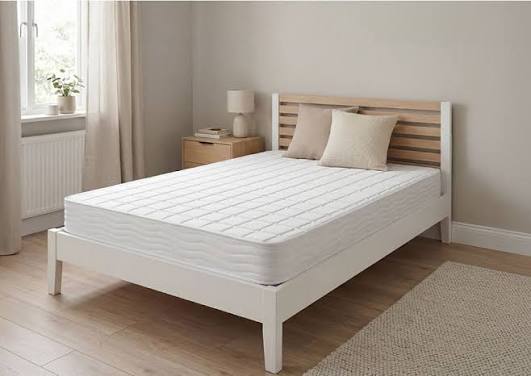
Quick Comparison
For many seniors, memory foam is the better choice for pressure relief and motion isolation, while latex is better for cooling, durability, and ease of movement. Neither material is best for every sleeper.
Memory foam may suit someone who likes a soft, body-hugging feel. Latex may suit someone who does not want to sink deeply into the mattress and wants a more responsive surface.
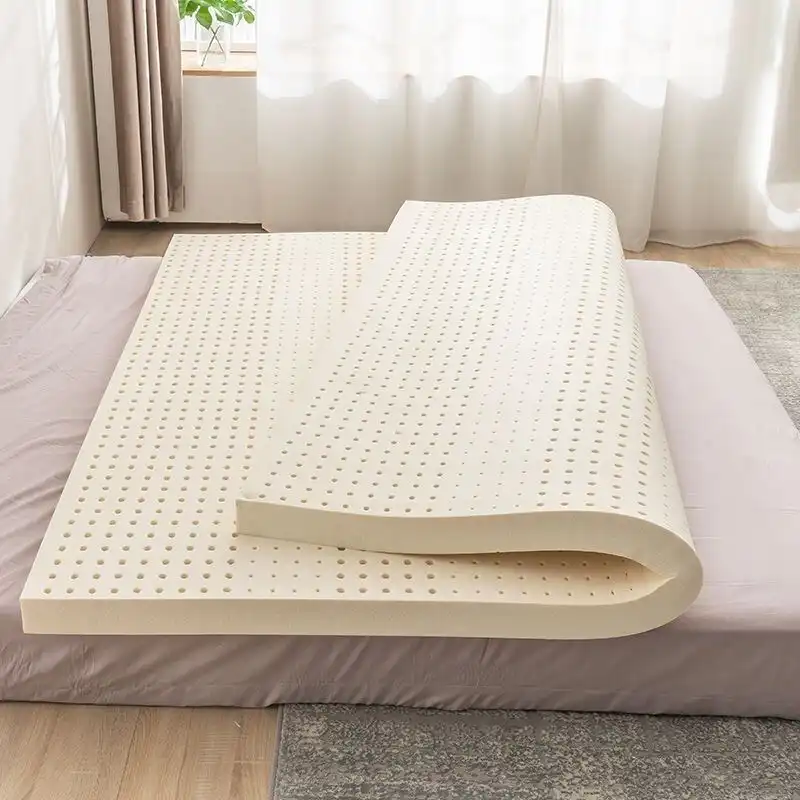
Memory Foam vs Latex Mattress At a Glance
Both materials can work well for older adults, but their feel and handling are quite different.
| Feature | Memory Foam | Latex |
|---|---|---|
| Feel | Soft, close hug | Springy and responsive |
| Pressure Relief | Excellent | Very good |
| Ease of Movement | Moderate | Excellent |
| Motion Isolation | Excellent | Good |
| Cooling | Fair to good | Very good |
| Durability | Good | Very good |
| Bounce | Low | High |
| Weight | Usually moderate | Often heavier |
| Price | Often lower | Often higher |
| Best For | Cushioning and quiet sleep | Cooling and easy movement |
These are general material traits. Mattress construction, firmness, density, and layer design can change the final feel.
Memory Foam Mattress for Senior Comfort and Support
Memory foam is made from a type of polyurethane foam. It responds to body heat and pressure, creating the familiar feeling of sinking gently into the mattress.
For seniors who like a cushioned sleep surface, this can be appealing.
Ease of Use
Memory foam does not usually require controls, batteries, or special setup. The main issue is how easily a person can move across the surface.
A deep memory foam design can make turning or getting up feel slower. This may matter for seniors who have limited strength or find it harder to change position.
Key Strengths
- Strong pressure relief
- Excellent motion isolation
- Quiet during movement
- Comfortable for sleepers who like a soft hug
- Often available at a lower price than latex
Memory foam is especially strong at limiting motion transfer, which can help couples who do not want one person’s movement to disturb the other.
Potential Drawbacks
- Traditional memory foam can retain heat.
- Deep sinkage may make movement harder.
- Lower-quality foam may wear faster.
- Some models can have an initial foam odor.
Open-cell designs and cooling materials can improve temperature control, but construction varies between mattresses.
Latex Mattress for Responsive Senior Support
Latex has a very different feel. It responds quickly to pressure instead of slowly molding around the body. Natural latex is made from rubber tree sap, although synthetic and blended latex options also exist.
For seniors who prefer a mattress that feels easier to move on, this responsiveness can be useful.
Ease of Use
Latex quickly returns to its shape after pressure is removed. This creates a more buoyant feel and can make changing positions easier than on deeply conforming memory foam.
The trade-off is weight. Latex mattresses can be heavy and harder to move, so setup or rotation may require help.
Key Strengths
- Responsive feel
- Easier movement
- Good temperature regulation
- Strong durability
- Good balance of support and pressure relief
Potential Drawbacks
- Usually costs more than memory foam.
- Can be heavier.
- Has more bounce and may transfer more movement.
- The feel may not suit someone who wants a deep, soft hug.
Latex generally lasts longer than memory foam, although actual lifespan depends on the full mattress construction and material quality.
Which Is Easier for Seniors to Use?
Ease of movement is one of the biggest differences.
Memory foam allows the body to sink more deeply into the surface. That can feel comfortable, but it may take more effort to turn or push up from the mattress.
Latex responds quickly and limits sinkage. That can make position changes easier for seniors who prefer a firmer, more responsive surface.
If getting comfortable is the main goal, memory foam has a strong advantage. If moving around the bed is more important, latex deserves close attention.
Performance Comparison
Performance depends on the sleeper and the mattress design, but the basic differences are fairly clear.
Pressure relief: Memory foam generally has the edge because it conforms closely to the body. Latex still provides pressure relief but usually has less deep contouring.
Motion isolation: Memory foam generally performs better because its slow response absorbs movement. Latex can isolate motion well, but its springier feel allows more movement to travel across the surface.
Cooling: Latex generally has the advantage. Its structure and reduced sinkage allow more airflow around the sleeper. Traditional memory foam is more likely to retain heat.
Movement: Latex is usually easier to move across. Memory foam can make the sleeper feel more surrounded by the mattress.
Comfort, Accessibility, and Senior-Friendly Design
Comfort is personal, so there is no single firmness that works for every older adult.
Memory foam may feel better for someone who wants cushioning around pressure points. Latex may feel better for someone who dislikes sinking deeply into the mattress.
Weight is another practical issue. A latex mattress may be harder for one person to lift or move. This matters when changing bedding, moving the mattress, or rearranging a bedroom.
For a senior with limited strength, it can be helpful to consider not only sleeping comfort but also how easy it is to sit, turn, and get out of bed.
Features Comparison
The material itself matters, but the complete mattress matters more.
| Feature | Memory Foam | Latex |
|---|---|---|
| Body Contouring | High | Low to medium |
| Responsiveness | Low | High |
| Heat Control | Fair to good | Good to very good |
| Motion Isolation | Very good | Good |
| Movement in Bed | Moderate | Very good |
| Durability | Fair to good | Very good |
A mattress may combine several materials. A latex hybrid, for example, can feel different from an all-latex mattress. Always check the full construction rather than judging a mattress by one material name.
Price, Maintenance, and Long-Term Value
Memory foam is usually the more budget-friendly option. Latex mattresses tend to cost more, although their longer expected lifespan can reduce the difference in long-term value.
| Cost Factor | Memory Foam | Latex |
|---|---|---|
| Upfront Cost | Usually lower | Usually higher |
| Durability | Good | Very good |
| Replacement Frequency | May be sooner | Often longer-lasting |
| Moving | Easier than heavy latex models | Can be difficult |
| Long-Term Value | Good | Strong if used for many years |
Do not compare price alone. Check the mattress construction, warranty, firmness, material quality, and expected durability.
Who Should Choose Memory Foam?
Choose memory foam if:
- You want strong pressure relief.
- You like a soft, body-hugging feel.
- You share a bed and want strong motion isolation.
- You prefer a quieter sleep surface.
- You want more budget-friendly options.
- You do not mind a slower, less responsive feel.
Who Should Choose Latex?
Choose latex if:
- You want easier movement on the mattress.
- You tend to sleep warm.
- You prefer a springy, responsive surface.
- Durability is a major priority.
- You dislike deep sinkage.
- You are comfortable paying more for a long-lasting material.
Memory Foam vs Latex Mattress — Final Verdict
For pressure relief and motion isolation, memory foam has the advantage. For cooling, responsiveness, movement, and durability, latex has the advantage.
The right choice depends on what matters most. A senior who enjoys a soft, cushioned feel may be happier with memory foam. A senior who wants a cooler surface and easier movement may prefer latex.
Scoring Summary
These scores summarize the general material differences rather than rating every mattress on the market.
| Category | Memory Foam | Latex |
|---|---|---|
| Ease of Use | 8/10 | 9/10 |
| Senior-Friendly Design | 8/10 | 9/10 |
| Pressure Relief | 10/10 | 8/10 |
| Cooling | 7/10 | 9/10 |
| Durability | 8/10 | 10/10 |
| Motion Isolation | 10/10 | 8/10 |
| Value | 9/10 | 8/10 |
Actual performance can vary by firmness, density, construction, and mattress quality.
How We Evaluate Products
We compare mattress materials around practical factors that matter in everyday senior use.
The main areas are:
- Comfort
- Pressure relief
- Ease of movement
- Temperature control
- Durability
- Motion isolation
- Physical effort
- Setup and handling
- Maintenance
- Long-term value
This comparison is based on available material and mattress research, not personal testing.
Senior-Specific Buying Considerations
Physical Effort
Think about how easily you can turn, sit, and get up from the mattress. A deeply conforming surface may require more effort for some sleepers.
Firmness
Do not assume that softer is always better. The right firmness depends on body shape, sleep position, comfort, and personal preference.
Movement
If changing positions is important, a responsive latex surface may be worth considering.
Temperature
If you often feel warm at night, latex may have an advantage over traditional memory foam.
Mattress Weight
Consider who will handle the mattress during setup or future moves. Latex can be quite heavy.
Safety
A mattress should provide a stable surface for normal movement. If a senior has a significant mobility issue or medical condition that affects sleep positioning, it is sensible to discuss mattress needs with a healthcare professional.
Common Buying Mistakes
Avoid these mistakes when comparing the two:
- Choosing only by price.
- Assuming every memory foam mattress feels the same.
- Assuming every latex mattress is soft.
- Ignoring mattress weight.
- Forgetting about heat retention.
- Choosing a firmness level without considering sleeping position.
- Looking only at the comfort layer and ignoring the complete construction.
Conclusion
Memory foam and latex solve different sleep needs. Memory foam focuses on deep cushioning, pressure relief, and motion isolation. Latex focuses more on responsiveness, cooling, and long-term durability.
For seniors, the most important question is not simply which material is better. It is which feel makes everyday sleep and movement easier. If cushioning is the priority, memory foam may fit better. If cooling and easy movement matter more, latex may be the better match.
