
Best Waterproof Mattress Protector for Elderly Comfort

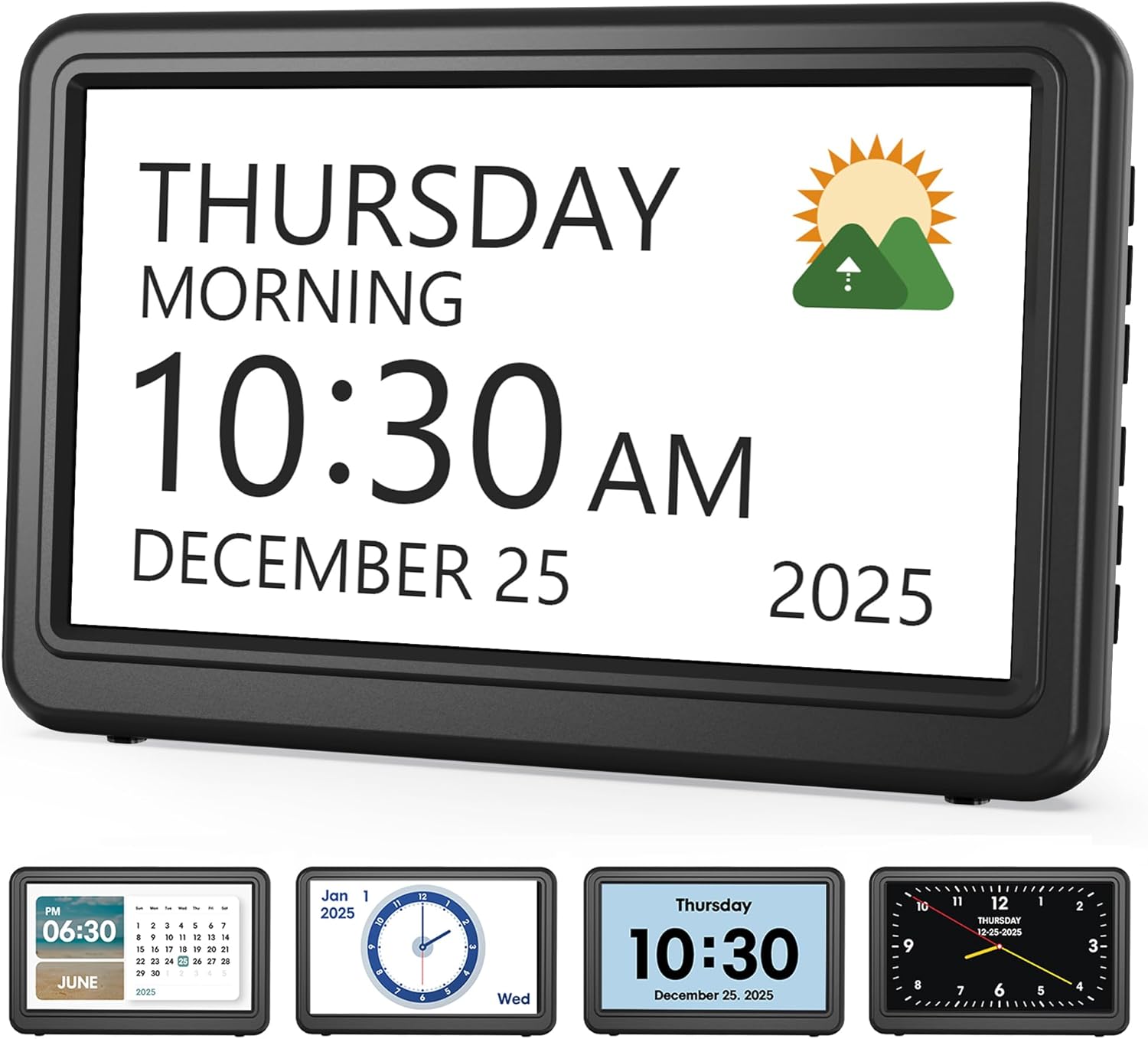
Medication Reminder Alarm

Kitchen Timer with Large Display

Lightweight Aluminum Walker
The best waterproof mattress protector for elderly comfort is soft, breathable, well-fitted, and truly waterproof. The right choice should protect the mattress without trapping heat or feeling noisy.
Choosing the best waterproof mattress protector for elderly comfort is about more than keeping a bed dry. It can help protect skin, reduce cleanup for caregivers, and make sleep feel cleaner and more restful.
For many families, the right protector needs to balance waterproofing with softness, breathability, and an easy fit. That matters whether the bed is at home, in assisted living, or set up for short-term recovery.
- Comfort matters: Soft, quiet materials help seniors sleep better.
- Fit is essential: Check mattress depth and bed style before buying.
- Easy care wins: Machine-washable protectors are best for caregivers.
- Match the need: Light leaks and heavy incontinence need different protection.
- Ask for help: New or frequent accidents should be discussed with a doctor.
Why the Best Waterproof Mattress Protector for Elderly Comfort Matters in 2026
In 2026, caregivers are looking for bedding that does more than block moisture. They want a protector that supports dignity, comfort, and easier daily care without making the bed feel stiff or noisy.
How protection supports sleep, hygiene, and skin health
A waterproof mattress protector helps keep urine, sweat, spills, and other moisture from reaching the mattress. That can reduce odors, limit staining, and make overnight cleanup much easier.
For older adults, dry bedding also matters for skin comfort. Skin becomes thinner and more delicate with age, so staying in wet sheets too long can raise the risk of irritation. If skin problems are already present, talk to your doctor or healthcare provider for guidance.
Many caregivers choose a protector not only to guard the mattress, but also to make nighttime sheet changes faster and less disruptive.
Common senior-care situations that call for waterproof bedding
Waterproof bedding can be helpful in a wide range of situations. These include occasional nighttime leakage, incontinence, sweating, recovery after surgery, and use of adjustable or hospital-style beds.
It can also be useful for guest rooms, respite care, and hospice setups where quick cleaning is important. If accidents are frequent or sudden, consult your doctor to rule out a medical cause such as a urinary issue, medication side effect, or mobility concern.
What Seniors and Caregivers Should Look for in a Waterproof Mattress Protector
The best choice is rarely the thickest or most expensive one. The right protector is the one that fits the mattress well, feels comfortable enough for nightly use, and is easy to wash often.
Absorbency vs. full waterproofing: what actually matters
Some protectors are designed to absorb small amounts of moisture, while others are made to block liquid from reaching the mattress entirely. For senior care, full waterproofing is usually the more important feature.
That said, a thin absorbent layer on top can improve comfort and reduce the damp feeling that some people dislike. The goal is not just to stop leaks, but to keep the sleeping surface dry and pleasant.
Breathability, softness, and noise reduction for sensitive sleepers
A protector should not feel like crinkly plastic. Look for materials described as soft, quiet, and breathable so the bed still feels inviting at night.
Breathability matters for hot sleepers and frail users who may be bothered by trapped warmth. A quieter fabric can also help light sleepers rest more easily, especially if they turn often during the night.
Fit, deep pockets, and secure edges for adjustable beds and hospital beds
A protector that slips off the corners can become frustrating fast. Deep pockets, strong elastic edges, and clear size guidance help the protector stay in place on thicker mattresses and adjustable beds.
If the bed has a special shape, rails, or a hospital-style frame, check the product dimensions carefully. A poor fit can reduce protection and make bed changes harder for caregivers.
Hypoallergenic and skin-friendly materials for aging skin
Older skin may be more sensitive to rough fabrics, heat, and friction. A soft, skin-friendly surface can help reduce discomfort, especially for people who spend long hours in bed.
Hypoallergenic materials may also be helpful for those with allergies or sensitivities. If rashes, itching, or pressure marks appear, stop using the product and speak with a healthcare provider.
Top Features That Make a Protector Elderly-Friendly
For senior care, the most useful features are often the simplest ones: reliable waterproofing, easy washing, and a comfortable feel. The protector should support care, not create extra work.
Protection against incontinence, spills, sweat, and nighttime accidents
The protector should be able to handle common moisture sources, not just the occasional spill. Incontinence, night sweats, and medicine-related sweating can all happen in older adults.
For this reason, many families prefer a protector with a full waterproof barrier rather than a water-resistant finish. Water-resistant products may slow moisture, but they do not always stop it completely.
Machine-washable convenience for caregivers
Caregivers often need bedding that can go straight into the washer and dryer. Machine-washable care saves time and makes it easier to keep a clean routine.
Before buying, check whether the protector requires gentle cycles, low heat, or air drying. A product that is too delicate may not be practical for frequent use.
Keep at least one spare protector on hand. Having a backup makes it easier to change the bed quickly after an accident without waiting for laundry.
Durability for frequent laundering and long-term use
Senior bedding often gets washed more often than regular household bedding. That means seams, elastic, and waterproof layers should hold up over time.
Low-cost protectors may work well at first, but some wear out faster after repeated washing. If you wash bedding often, durability can matter more than the lowest price.
Temperature control for hot sleepers and frail users
Some older adults run warm at night, while others are sensitive to cold. A protector that helps regulate temperature can make sleep more comfortable.
Look for breathable fabrics and avoid overly thick, heat-trapping materials unless extra absorbency is truly needed. If night sweats are new or severe, talk to your doctor because they may point to a health issue.
How to Compare Mattress Protector Types for Senior Care Needs
There is no single protector type that works best for everyone. The right choice depends on the mattress, the level of protection needed, and how much comfort matters for daily sleep.
Fitted sheet style vs. encasement style
Fitted sheet protectors cover the top and sides of the mattress like a regular sheet. They are easier to remove and replace, which many caregivers appreciate.
Encasement protectors wrap around the entire mattress. They offer more complete coverage, but they can be harder to put on and take off, especially on heavier mattresses.
| Option | Best For | Note |
|---|---|---|
| Fitted sheet style | Easy daily use | Simple to wash and replace |
| Encasement style | Full mattress coverage | More protective, but less convenient |
Vinyl, polyurethane, cotton terry, and bamboo blends
Vinyl protectors are usually very waterproof, but they can feel less comfortable and may make noise. Polyurethane-backed protectors often feel softer and quieter while still blocking liquid well.
Cotton terry surfaces can feel familiar and absorbent, while bamboo blends are often chosen for softness and breathability. The best material depends on whether comfort, quietness, or maximum protection is the priority.
Budget options vs. premium comfort-focused picks
Budget protectors can be a smart choice for guest beds, short-term use, or backup bedding. They may not last as long, but they can still do the job if the fit is right.
Premium options often cost more because they use softer fabrics, stronger seams, or quieter waterproof layers. For daily senior care, that extra comfort may be worth it.
Best choice for memory foam, innerspring, and adjustable mattresses
Memory foam mattresses often benefit from breathable protectors so heat does not build up. Innerspring mattresses may be easier to fit, but depth still matters.
Adjustable mattresses need flexible fabric with strong stretch and secure edges. If the mattress is unusually thick or has a special shape, measure before buying to avoid returns and frustration.
Practical Use Cases: Matching the Protector to Real Elderly Care Needs
The best waterproof mattress protector for elderly comfort depends on the real situation at home. A light leak is very different from full overnight caregiving, and the bedding should match that level of need.
Light nighttime leakage and occasional accidents
For occasional accidents, a soft fitted protector with reliable waterproof backing is often enough. It should be comfortable enough for everyday sleep and easy to wash after use.
This is often the best starting point for families who want protection without changing the feel of the bed too much.
Heavy incontinence and overnight caregiving
For heavier leakage, choose a more robust protector with strong liquid blocking and secure edges. Some families also use a washable absorbent pad on top for added protection.
If accidents are frequent or worsening, consult a healthcare provider. The cause may be treatable, and a care plan can reduce stress for both the older adult and the caregiver.
If a person has open skin, pressure sores, or repeated wetness, moisture management becomes a health issue, not just a laundry issue. Do not wait if the skin looks red, broken, or painful.
Post-surgery recovery and short-term mobility issues
After surgery, a protector can help keep the bed clean during a period of limited movement or temporary bladder control issues. Easy-to-remove fitted styles are often practical during recovery.
If the person is taking new medications after surgery, ask the pharmacist or healthcare provider whether any side effects could increase sweating, dizziness, or bathroom urgency.
Protecting guest beds, assisted living rooms, and home hospice setups
In guest rooms or assisted living settings, the priority is often fast cleaning and dependable protection. A quiet, washable protector can make the bed feel more welcoming while still being practical.
For hospice or end-of-life care, comfort and ease for caregivers matter deeply. A protector should support dignity, reduce disruption, and make nighttime care simpler.
Common Mistakes to Avoid When Buying a Waterproof Mattress Protector
Many shoppers focus on waterproofing first and learn later that comfort and fit matter just as much. A protector that is hard to sleep on will not get used consistently.
Choosing a protector that traps heat or feels plasticky
One of the most common complaints is a protector that feels hot, sticky, or noisy. That can disturb sleep and make the bed feel less restful.
Look for breathable, quiet fabrics whenever possible. If the product description sounds more like a rain cover than bedding, it may not be the best fit for nightly senior use.
Ignoring mattress depth and bed size compatibility
A protector that is too shallow may pop off during the night. A protector that is too loose can bunch up and create discomfort.
Always check mattress depth, especially for pillow-top, memory foam, or adjustable beds. Measure before buying so the fit is correct the first time.
Overlooking care instructions and wash frequency
Some protectors need special washing or low-heat drying. That may be fine for occasional use, but it can be inconvenient for daily caregiving.
If the protector cannot handle regular laundering, it may not be practical. Caregivers need products that fit into real routines, not ideal ones.
Buying for waterproofing alone and forgetting comfort
Waterproofing is important, but it is only one part of the decision. The older adult still has to sleep on the protector every night.
Comfort, softness, and breathability can make the difference between a product that is used and one that is removed. The best choice protects the mattress and supports better rest.
Cost, Value, and What Caregivers Should Expect in 2026
Prices vary widely depending on material, size, and how much protection the protector offers. In general, better comfort and stronger construction tend to cost more.
Price ranges by material and protection level
Basic waterproof protectors are usually the most affordable. Mid-range options often improve softness, quietness, and fit, while premium products may include better temperature control and stronger durability.
Because prices change by retailer and location, it is best to compare several options before buying. If the protector is for medical-related care, check whether any part of the cost can be reimbursed through a health plan or flexible spending account, if applicable to your situation.
When a higher upfront cost saves money over time
A better-made protector may last longer and need fewer replacements. It can also reduce the chance of mattress damage, which is often much more expensive to fix.
For caregivers who do laundry often, a durable protector can save time and frustration. That practical value often matters more than the sticker price alone.
How to evaluate warranty, replacement cycle, and long-term value
Some brands offer warranties, but the details can vary a lot. Read the fine print carefully so you know what is covered and what is not.
Also think about replacement timing. If the waterproof layer starts peeling, leaking, or becoming noisy, it may be time to replace it even if the fabric still looks fine.
Expert Guidance and When to Seek Help for Senior Bedding Concerns
Mattress protectors are helpful, but they are not a substitute for medical care. If problems are ongoing, it is wise to look at the bigger picture.
When skin irritation, pressure sores, or frequent accidents need medical advice
Skin that stays red, sore, or broken should be checked by a healthcare professional. Pressure sores and moisture-related irritation can worsen if they are ignored.
Frequent accidents can also signal a bladder issue, infection, medication effect, or mobility challenge. Talk to your doctor for proper evaluation.
If wetting is new, suddenly worse, or paired with pain, fever, confusion, or burning, seek medical advice promptly.
When to consult a caregiver, nurse, or occupational therapist
A nurse or occupational therapist can help if bed changes are difficult, if the person needs help turning, or if the current bedding setup is not safe. They may suggest better layering or easier-to-manage products.
In some cases, a caregiver can also help build a routine that keeps the bed drier overnight and reduces stress for everyone involved.
Signs the mattress itself may already need replacement
If moisture has reached the mattress repeatedly, it may keep odors, stains, or mold even after cleaning. A protector can only do so much once the mattress is damaged.
Deep stains, lingering smells, sagging, or visible wear are signs the mattress may need to be replaced. If you are unsure, ask a healthcare professional or experienced caregiver for practical advice.
Final Recap: Choosing the Best Waterproof Mattress Protector for Elderly Comfort
The best waterproof mattress protector for elderly comfort is the one that balances protection, softness, and a secure fit. It should make sleep easier, not more complicated.
Quick decision checklist for families and caregivers
- Does it fit the mattress depth and bed size?
- Is it fully waterproof, quiet, and breathable?
- Can it be machine washed and dried easily?
- Will it feel soft enough for nightly use?
- Is it suited to the person’s level of care needs?
Best-fit priorities based on comfort, protection, and ease of care
For light use, comfort and easy washing may be the top priorities. For heavy incontinence or overnight caregiving, stronger waterproofing and secure edges matter more.
Whatever you choose, make sure it supports the person’s comfort and your caregiving routine. If health concerns are part of the picture, consult your doctor or healthcare provider before making bedding changes that affect skin or sleep.
Frequently Asked Questions
A soft, breathable fitted protector with a reliable waterproof backing is often the best starting point. It balances comfort, easy cleaning, and everyday protection for many older adults.
Some are, especially vinyl-style products. Look for quiet, fabric-backed options if the person is a light sleeper or dislikes a plastic feel.
Wash it as often as needed after spills, accidents, or sweating. For routine care, follow the product label and caregiver schedule.
Yes, it can protect the mattress from moisture and make cleanup easier. For frequent accidents, pair it with medical advice and any recommended absorbent layers.
Many will, but fit is important. Check mattress depth, stretch, and elastic edges so the protector stays in place when the bed moves.
Coverage varies by plan and situation, so it is not guaranteed. Check with your plan, supplier, or healthcare provider to see whether any part of the cost may be covered.