
Senior Care Medical Binder for Easy Health Record Keeping


Adjustable Walker with Wheels

Folding Walking Stick with Seat
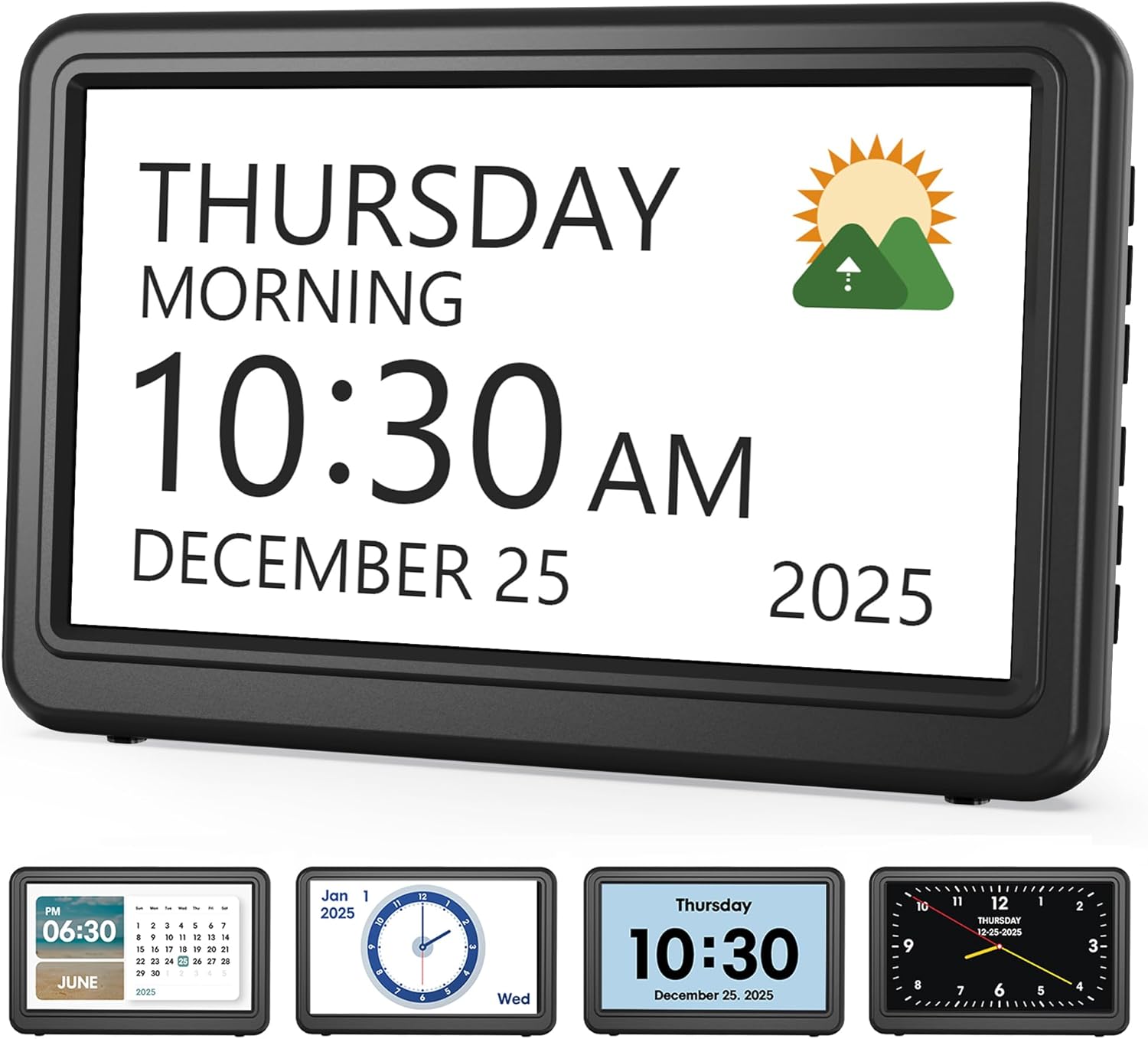
Medication Reminder Alarm
A senior care medical binder keeps health records, medication lists, and emergency details in one easy-to-find place. It is especially helpful for appointments, hospital visits, and family caregiving in 2026.
- Keep it current: Update the binder after every major medical change.
- Put essentials first: Medications, allergies, and provider contacts should be easy to reach.
- Use simple structure: Tabs, color-coding, and one-page summaries speed up access.
- Plan for backups: Paper works well, but digital copies add safety and sharing options.
Frequently Asked Questions
A senior care medical binder is a paper organizer for health records, care notes, and emergency information. It helps families keep important details in one easy-to-reach place.
Include medication lists, allergies, diagnoses, provider contacts, insurance details, emergency contacts, and advance directive papers if available. You can also add recent discharge summaries and brief daily notes.
Update it after doctor visits, medication changes, hospital stays, or new test results. The goal is to keep the most current information at the front.
A paper binder is often easier to use in emergencies and does not require a phone, password, or internet access. Many families use both a binder and digital backups.
One person should be responsible for keeping the binder current, even if several family members help. That reduces confusion and helps avoid outdated pages.
Yes, it is a good idea to ask your doctor or pharmacist to confirm medication lists and other key details. This is especially important after hospital stays or major treatment changes.
