
Senior Meal Planning Checklist for Easy Healthy Meals


Large Button TV Remote

Hands-Free Neck Magnifier
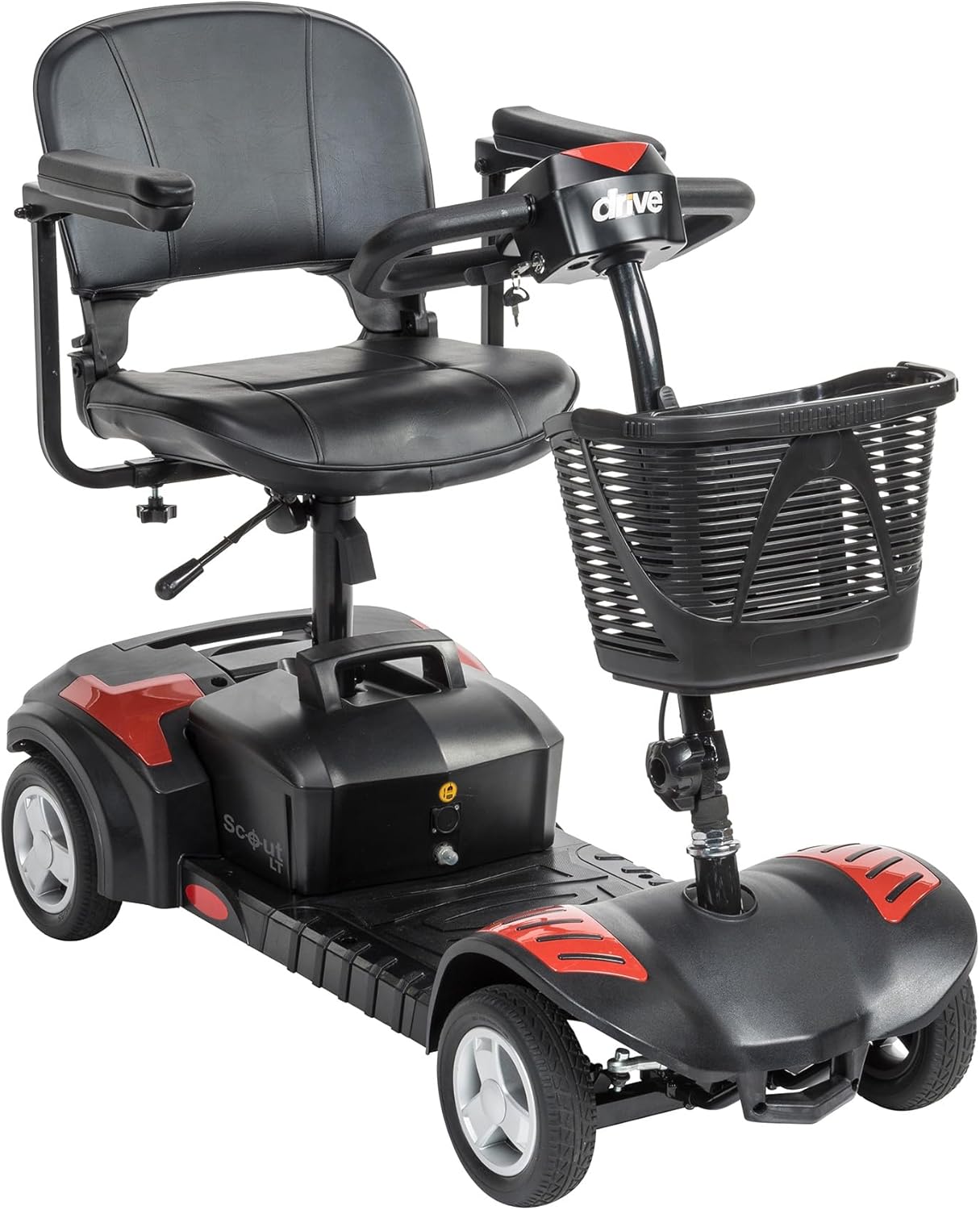
Electric Mobility Scooter
A senior meal planning checklist helps older adults and caregivers build easy meals that are safe, nourishing, and realistic to repeat each week. The best plans keep food simple, account for health needs, and include backup options for low-energy days.
A good senior meal planning checklist can make everyday eating simpler, safer, and more nourishing. It also helps older adults and caregivers save time, reduce stress, and keep meals realistic for changing health needs.
- Start simple: Repeated meals are often easier and more sustainable.
- Check health needs: Consider medications, chewing, swallowing, and hydration.
- Shop smart: Use budget-friendly staples, frozen foods, and shelf-stable backups.
- Prep safely: Store leftovers well and watch food dates closely.
- Ask for help: Talk to your doctor, pharmacist, or dietitian if needs change.
What a Senior Meal Planning Checklist Should Cover in 2026
A senior meal planning checklist is more than a grocery list. It should help you plan meals that fit changing appetites, dental needs, health conditions, budget limits, and daily energy levels.
For many families, the goal is not perfect meal prep. The goal is meals that are easy to prepare, easy to eat, and easy to repeat without creating more work.
Why senior meal planning is different from standard meal prep
Meal planning for older adults often needs more flexibility than standard meal prep. A person may eat smaller portions, need softer foods, or take medications that affect appetite or digestion.
It also needs to account for safety. Simple steps like checking food temperature, avoiding slippery cutting tasks, and keeping meals easy to reheat can matter a lot for seniors living alone.
How this checklist supports independence, safety, and nutrition
The right checklist can help a senior stay independent by making meals predictable and manageable. When food is already planned, it is easier to avoid skipping meals or relying only on snacks.
It also supports nutrition by helping you include protein, fiber, fluids, and enough calories for the person’s needs. If you are unsure what those needs are, talk to your doctor or a registered dietitian.
Assessing Senior Nutrition Needs Before Planning Meals
Before building a weekly menu, it helps to look at the person’s current health, eating habits, and any concerns that may affect food choices. Needs can change over time, especially after illness, surgery, or medication changes.
Diet changes tied to age, medications, and chronic conditions
Some older adults need less salt, more protein, or more fluids. Others may need to watch sugar, potassium, or vitamin K depending on their medical situation and prescriptions.
Because medication effects vary, it is wise to consult your pharmacist or healthcare provider before making major diet changes. They can help you spot food-drug interactions and timing issues.
Texture, hydration, and appetite considerations for older adults
Chewing problems, dentures, dry mouth, or swallowing trouble can make some foods hard to manage. Softer textures like oatmeal, yogurt, eggs, soups, and cooked vegetables may be easier for many seniors.
Hydration is just as important. Water, milk, broth, fruit, and other fluids can help, but some people need specific fluid guidance from their doctor.
If a senior is losing weight, skipping meals often, choking on food, or has a sudden change in appetite, ask a doctor promptly. These can be signs of a health problem that needs attention.
When to involve a doctor, dietitian, or caregiver
Involve a doctor if there is unexplained weight loss, diabetes, kidney disease, swallowing trouble, or a new stomach problem. A dietitian can help with meal structure, portion sizes, and condition-specific nutrition.
Caregivers can help by tracking what is actually being eaten, not just what was planned. That real-world view often shows where the plan needs to be simpler or more filling.
Building a Weekly Senior Meal Plan That Is Easy to Follow
The best meal plan is the one that can be repeated. Start with a few dependable meals and rotate them instead of trying to create something new every day.
If you want more support with daily routines, a senior caregiver daily checklist template can help organize meals, reminders, and other care tasks.
Choosing simple breakfasts, lunches, dinners, and snacks
Simple meals are often the most successful. Good options include oatmeal with fruit, eggs and toast, soup with crackers, tuna or chicken salad, baked fish, rice bowls, and smoothies when chewing is difficult.
Snacks can help fill gaps between meals. Try cheese, nuts if safe to chew, applesauce, peanut butter on toast, pudding, cottage cheese, or cut fruit.
Balancing protein, fiber, healthy fats, and easy-to-chew foods
Protein helps maintain muscle, which is important as people age. Fiber supports digestion, and healthy fats from foods like avocado, olive oil, nuts, and fish can make meals more satisfying.
For many seniors, the best balance comes from soft but nutrient-rich foods. Think scrambled eggs with spinach, oatmeal with nut butter, lentil soup, or salmon with mashed sweet potatoes.
- Helps prevent skipped meals
- Makes shopping and cooking easier
- Supports steadier energy through the day
- Can reduce waste and extra spending
Sample one-week meal structure for seniors at home
A sample structure can make planning feel less overwhelming. Use it as a starting point, then adjust portions and food choices based on appetite, chewing needs, and medical advice.
- Breakfast with protein and a soft carbohydrate
- Lunch with soup, sandwich, salad, or leftovers
- Dinner with protein, vegetable, and starch
- One to two planned snacks if appetite is low
- At least one fluid source at each meal
A simple weekly rhythm might include eggs or oatmeal at breakfast, soup or a sandwich at lunch, and a soft protein with vegetables at dinner. Keep one or two “backup meals” on hand for low-energy days.
Smart Grocery Shopping and Pantry Staples for Senior Meals
Smart shopping makes the checklist easier to follow. The goal is to buy foods that are versatile, affordable, and likely to be eaten before they spoil.
Budget-friendly foods that support healthy aging
Budget-friendly staples often include eggs, beans, lentils, canned tuna, peanut butter, oats, brown rice, frozen vegetables, yogurt, and seasonal fruit. These foods can stretch across several meals.
Buying a few flexible ingredients can help reduce waste. For example, one rotisserie chicken can become soup, sandwiches, and a rice bowl later in the week.
Fresh, frozen, and shelf-stable options: what to choose and why
Fresh foods are great when they will be used quickly. Frozen fruits and vegetables are often just as useful and may be easier for seniors who shop less often.
Shelf-stable foods like canned beans, tuna, broth, and oatmeal are helpful for backup meals. Choose lower-sodium versions when possible, especially if your doctor has advised salt limits.
Frozen vegetables can be a practical choice for seniors because they are easy to store, reduce food waste, and can be cooked in minutes.
Reading labels for sodium, sugar, protein, and portion size
Label reading gets easier with practice. Look at serving size first, then compare sodium, added sugar, protein, and calories to the person’s needs.
For seniors with diabetes, heart concerns, or kidney disease, label details matter even more. If you need help understanding what is appropriate, ask your healthcare provider or pharmacist.
Meal Prep Tips That Save Time and Reduce Daily Stress
Meal prep does not have to mean cooking all day. Even a little planning can make mornings calmer and evenings easier.
Batch cooking, portioning, and safe storage for older adults
Batch cooking means making a larger amount of one meal and saving portions for later. Soups, casseroles, chili, and cooked grains are often good choices because they reheat well.
Use shallow containers, label leftovers with dates, and store food safely in the refrigerator or freezer. If you are unsure about food storage times, use trusted food safety guidance or ask a healthcare professional.
Older adults are more vulnerable to foodborne illness. Always refrigerate leftovers promptly, reheat food thoroughly, and discard anything that looks or smells unsafe.
Using kitchen tools that improve safety and convenience
Helpful tools may include lightweight pans, non-slip cutting boards, jar openers, slow cookers, air fryers, or electric kettles. The right tools can reduce strain and lower the chance of kitchen accidents.
For someone with arthritis, tremors, or limited grip strength, safety tools can make the difference between cooking confidently and avoiding the kitchen altogether.
Easy make-ahead meal ideas for caregivers and seniors living alone
Make-ahead ideas include egg muffins, cooked oatmeal cups, pasta with vegetables, turkey or bean chili, and cut fruit with yogurt. These can be portioned into single servings for easy access.
Caregivers may also prepare “mix and match” plates with protein, vegetables, and a starch already divided. This can help a senior eat more regularly without extra decision-making.
Common Senior Meal Planning Mistakes to Avoid
Even a thoughtful plan can fall apart if it is too demanding or does not reflect real-life needs. A good checklist should make meals simpler, not harder.
Planning meals that are too complicated or expensive
Complicated recipes often lead to skipped cooking and wasted groceries. It is usually better to repeat a few familiar meals than to shop for many special ingredients.
Expensive ingredients can also make a plan hard to sustain. If the budget is tight, focus on low-cost proteins, frozen produce, and pantry staples.
Ignoring chewing, swallowing, and hydration needs
Some meal plans look healthy on paper but are hard to chew or swallow. Tough meats, dry breads, and raw vegetables may not work well for every senior.
Hydration is another common gap. If drinking enough fluids is difficult, ask your doctor whether there is a safe strategy for increasing fluids during the day.
Overlooking food safety, expiration dates, and medication timing
Food safety matters more as people age. Check expiration dates, keep the refrigerator cold enough, and do not leave perishable food out for long periods.
Medication timing can also affect meals. Some drugs are taken with food, while others should not be taken with certain foods. Always consult your pharmacist if you are unsure.
Cost Comparison: Homemade Senior Meals vs. Convenience Foods
Food costs can be a major part of caregiving. A meal plan can help reduce waste, but it is also worth comparing the true cost of convenience options.
How meal planning can lower weekly food costs in 2026
Planning ahead often lowers impulse purchases and reduces takeout. It also helps you use ingredients more fully, which means fewer spoiled items in the fridge.
For seniors on fixed incomes, this can make a meaningful difference. It may also help with budgeting for other care needs, though health-related food spending can vary by plan and location.
When prepared meals, delivery services, or meal kits may be worth it
Convenience foods may be worth the cost when cooking is no longer safe or practical. This can include times after surgery, during recovery, or when mobility is limited.
Some Medicare or insurance plans may cover certain nutrition-related services only in specific situations, but coverage varies widely. Check with your plan and healthcare provider before assuming meals or delivery are included.
| Option | Best For | Note |
|---|---|---|
| Home-cooked meals | Lower cost and more control | Works best with simple recipes and planning |
| Prepared meals | Low energy or limited cooking ability | Can cost more, but saves time |
| Meal kits | People who still enjoy cooking | May be useful, but not always budget-friendly |
Best value choices for caregivers managing a tight budget
Best-value choices are usually foods that can be used in several meals. Eggs, beans, oats, rice, frozen vegetables, and canned fish are common examples.
If you are comparing services, ask about delivery fees, portion sizes, and cancellation rules. The lowest advertised price is not always the lowest total cost.
Final Senior Meal Planning Checklist Recap for Easy Healthy Meals
A strong senior meal planning checklist should keep meals simple, safe, nourishing, and realistic. It should match the person’s health needs, budget, and daily routine.
Quick review of the most important planning steps
Start by checking nutrition needs, chewing or swallowing concerns, and any medication-related food issues. Then build a weekly plan around a few easy meals, useful pantry staples, and safe storage habits.
Keep the plan flexible. A good checklist should support independence without creating pressure to cook elaborate meals every day.
- Keep meals simple, balanced, and easy to repeat.
- Plan for texture, hydration, and food safety.
- Use budget-friendly staples and make-ahead options.
- Ask for medical help when appetite, weight, or swallowing changes.
When to seek expert help for nutrition or caregiving concerns
Seek expert help if the senior is losing weight, eating much less, choking, or struggling to shop and cook safely. A doctor, dietitian, pharmacist, or caregiver support professional can help adjust the plan.
If you are building a plan for long-term caregiving, it can also help to connect meal planning with other daily routines. For broader support, some readers also review senior living vs independent living and senior living no buy in when food prep and daily support needs are changing.
Meal needs can change with age, illness, medications, and recovery. When in doubt, talk to your doctor or consult your pharmacist before making major changes to a senior’s diet.
Frequently Asked Questions
A senior meal planning checklist should cover nutrition needs, meal textures, hydration, grocery staples, food safety, and simple prep steps. It should also account for medications, budget, and any chewing or swallowing concerns.
Choose a few simple meals that can be repeated during the week, such as oatmeal, soup, eggs, sandwiches, or soft casseroles. Keep backup foods on hand so the person can eat well even on low-energy days.
Soft foods like yogurt, eggs, oatmeal, cooked vegetables, soups, mashed potatoes, and tender fish are often easier to manage. If chewing or swallowing is difficult, talk to your doctor or dietitian before changing the diet.
Meal planning reduces daily decision-making and makes it easier to shop, cook, and eat regularly. It can also lower stress for caregivers while helping seniors keep more control over their routines.
Yes, frozen and shelf-stable foods can be healthy and practical choices. They are often affordable, reduce waste, and make it easier to keep meals available when fresh food runs out.
A senior should see a doctor if there is unexplained weight loss, frequent choking, a major appetite change, or trouble staying hydrated. These can be signs of a medical issue that needs attention.
