
7 Essential hydration tips for elderly at home Today

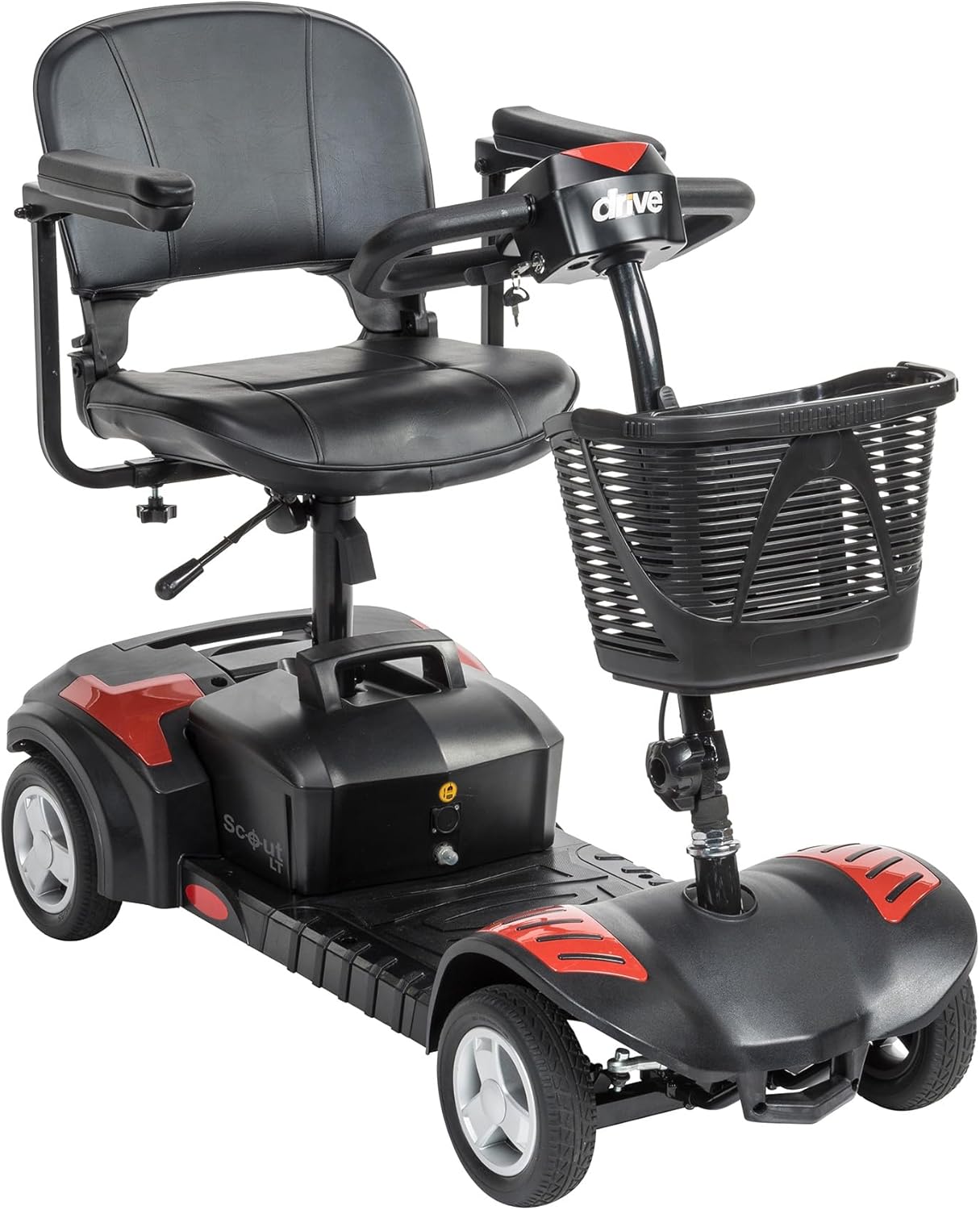
Electric Mobility Scooter

Tablet for Seniors

Anti-Glare Reading Glasses
Older adults at home do best with a simple hydration routine tied to meals, medications, and daily habits. Watch for early dehydration signs, choose water and hydrating foods, and talk to your doctor if symptoms or swallowing problems appear.
Staying hydrated is one of the simplest ways to support comfort, energy, and daily health at home, yet it is also one of the easiest needs to overlook. For older adults, even mild dehydration can affect thinking, balance, and strength, so a steady routine matters. These simple home reminders for seniors can make it easier to build hydration into everyday life.
- Routine matters: Build drinks into meals, meds, and daily activities.
- Watch early signs: Fatigue, dizziness, dark urine, and confusion can signal dehydration.
- Use easy options: Small cups, visible water, and hydrating foods help.
- Know the limits: Caffeine, alcohol, and swallowing issues need extra care.
Why Hydration Matters More for Older Adults Living at Home in 2026
Hydration is not just about avoiding thirst. For many seniors, it plays a role in blood pressure, digestion, temperature control, and how clearly they think during the day. At home, small lapses can add up quickly, especially when routines change.
How age-related changes affect thirst, kidney function, and fluid balance
As people age, the body may not signal thirst as strongly as it once did. That means an older adult may already be low on fluids before they feel the urge to drink. Kidney function can also change with age, which can make it harder to hold the right balance of water and minerals.
Muscle mass may decline over time as well, and muscle tissue helps store water. If someone eats less, moves less, or becomes ill, their fluid needs can shift further. Because of this, many experts recommend planning fluids instead of waiting for thirst alone.
Common at-home risks: heat, medications, mobility limits, and forgetfulness
Living at home brings comfort and independence, but it can also bring hidden hydration risks. Warm weather, poor air circulation, and long stretches indoors can raise fluid needs. If a senior has mobility limits, it may be harder to get to the kitchen often enough.
Some medicines can also affect fluid balance. Diuretics, laxatives, and certain blood pressure medicines may increase the risk of dehydration, but the effect depends on the person and the prescription. Talk to your doctor or consult your pharmacist/healthcare provider if you are unsure whether a medication changes fluid needs.
Hydration needs vary by health condition, body size, appetite, and medication use. There is no single amount that fits every older adult.
Recognizing the Early Signs of Dehydration in Seniors at Home
Dehydration can start quietly. Families often notice a change in mood, energy, or steadiness before they think about fluids. The earlier you spot it, the easier it may be to correct at home.
Subtle symptoms families often miss: fatigue, confusion, dry mouth, dizziness
Common early signs include tiredness, dry mouth, headache, dizziness, and darker urine than usual. Some seniors become less alert, less interested in food, or a little unsteady when standing. These changes can seem minor at first.
Confusion is especially important to watch for. A person may seem “off,” forgetful, or slower to respond. In older adults, that can be a dehydration clue even when there is no obvious illness.
When dehydration looks like another condition: UTI, medication side effects, or weakness
Dehydration can look like a urinary tract infection, medication side effect, or general weakness. For example, a senior may seem sleepy, shaky, or confused and assume it is just age or a new prescription. That is why it helps to look at the full picture, not one symptom alone.
If symptoms appear after heat exposure, poor eating, vomiting, diarrhea, or a medicine change, dehydration should be on the list of possibilities. When in doubt, consult a healthcare provider rather than guessing.
If confusion, dizziness, or weakness is new or getting worse, ask a healthcare professional to review the cause. Older adults can become dehydrated quickly, and other serious conditions can look similar.
7 Practical Hydration Tips for Elderly at Home That Actually Work
The best hydration tips for elderly at home are usually simple, repeatable, and easy to fit into daily life. Small changes often work better than big rules that are hard to maintain.
Set a daily fluid routine tied to meals, medications, and activities
Link drinking to habits that already happen every day. A glass of water with breakfast, a few sips before or after medications, and another drink with lunch or dinner can create a steady rhythm.
This works because routine reduces the need to remember each time. If a senior has a morning walk, TV break, or prayer time, that can also become a cue to sip.
Pick 3 to 5 daily moments that already happen, such as meals, pills, or a favorite show.
Place the cup or bottle where it is easy to see and reach.
Use smaller cups, water bottles, and visible placement for easy sipping
Large cups can feel overwhelming. Smaller cups, handled mugs, or lightweight bottles may be easier to lift and finish. For some seniors, a familiar cup is more inviting than a tall glass that looks too full.
Keep water in plain sight on a table, bedside stand, or kitchen counter. If the drink is hidden in the fridge or cabinet, it is easier to forget.
Offer hydrating foods like soups, fruit, yogurt, and gelatin
Fluids do not have to come only from a glass. Foods with a high water content can help support overall intake, especially when appetite is smaller. Soup, broth, oranges, melon, applesauce, yogurt, and gelatin are common examples.
These choices can be useful for seniors who do not want to drink large amounts at once. They also add variety, which may improve day-to-day intake.
Flavor water safely with fruit, herbs, or low-sugar options to improve intake
Plain water is a good choice, but some seniors simply drink more when it has a little flavor. Try slices of lemon, cucumber, berries, or a sprig of mint. Keep flavors light and avoid adding lots of sugar.
If the person has diabetes, kidney issues, or a fluid restriction, check with a doctor or dietitian before making major changes. “Healthy” add-ins are not always right for every condition.
If water tastes boring, serve it cold, use a favorite cup, or add a small amount of fruit for flavor. The best hydration plan is the one a senior will actually follow.
Track intake with simple charts, phone reminders, or caregiver check-ins
Tracking does not need to be complicated. A paper chart on the fridge, a note pad by the sink, or a phone reminder can be enough. The goal is to notice patterns, not to create pressure.
Caregivers can also do quick check-ins: “Have you had something to drink this hour?” That gentle prompt may help more than waiting for the senior to ask.
Adjust fluids for hot weather, exercise, and overnight needs
Hot days, extra activity, fever, and dry indoor air can increase fluid loss. Seniors may need more reminders during those times. A cool drink after a walk or time in the sun can help replace what was lost.
At night, some older adults drink less to avoid bathroom trips. That is understandable, but too little fluid all day can still create problems. Ask a healthcare provider if nighttime bathroom concerns are affecting hydration enough to matter.
Make hydration easier for seniors with swallowing or memory challenges
If a senior has swallowing trouble, choking concerns, or memory loss, hydration needs a safer plan. Thickened liquids, special cups, or supervised sipping may help, but these should be guided by a doctor or speech-language professional.
For memory issues, use repeated cues and simple routines. A caregiver can offer drinks at the same times each day and keep the process calm and familiar.
Do not force large amounts of fluid quickly if a senior coughs, gags, or has trouble swallowing. That can raise the risk of choking or aspiration, which means liquid entering the airway.
Best Drinks and Foods for Senior Hydration: What to Choose and What to Limit
Not every drink helps equally. The best choices support hydration without causing unnecessary sugar, stomach upset, or medication issues. A balanced approach is usually the safest.
Water, milk, oral rehydration options, and low-sugar beverages
Water remains the simplest option for most people. Milk can also contribute fluids and nutrients if it is tolerated. Some seniors may benefit from oral rehydration solutions during illness, but that should be discussed with a healthcare provider, especially if there is heart, kidney, or blood pressure disease.
Low-sugar drinks can be useful when plain water is not appealing. The right choice depends on medical conditions, taste preferences, and any fluid limits.
Hydrating foods that support fluid intake without overwhelming appetite
Many older adults eat smaller meals, so foods that contribute fluid are helpful. Think of soups, stews, oatmeal, cucumbers, lettuce, berries, peaches, and yogurt. These can support hydration without requiring a large drink all at once.
For seniors with low appetite, small portions may work better than big bowls. Even a few bites can help when repeated through the day.
What to limit: excess caffeine, alcohol, and sugary drinks
Coffee and tea can still count toward fluid intake, but too much caffeine may make some people feel jittery, affect sleep, or bother the bladder. Alcohol can also worsen dehydration and increase fall risk.
Sugary drinks may add calories without helping much with overall health. If a senior prefers sweet beverages, discuss safer options with a doctor or dietitian, especially if diabetes is a concern.
- Use water and hydrating foods together.
- Match drinks to daily routines.
- Watch for medication and swallowing issues.
- Limit drinks that may worsen dehydration or falls.
Common Hydration Mistakes Caregivers Make at Home
Even caring families can miss hydration problems. The good news is that most mistakes are easy to fix once you know what to look for.
Waiting for thirst instead of planning fluids
Thirst is not always a reliable signal in older adults. If you wait for a senior to ask for water, they may already be behind. Planning drinks ahead of time is usually more effective.
Think of hydration like medication timing: it works best when it is built into the day, not left to memory alone.
Assuming tea, coffee, or soda “count” the same as water
These drinks do provide fluid, but they may not be the best main source. Coffee and soda can carry caffeine or sugar, and some seniors do not tolerate them well. Water and hydrating foods should still be the foundation.
If a person only wants flavored drinks, aim for a mix rather than relying on one source all day.
Overlooking medication-related dehydration risks
Some prescriptions make dehydration more likely, especially when a senior is already eating or drinking less. This is one reason medication reviews matter. A pharmacist can often explain whether a medicine may affect fluids, dizziness, or bathroom trips.
Do not stop a medication on your own. Instead, ask whether timing, dose, or fluid goals should be reviewed by the prescribing clinician.
Forcing too much fluid too quickly or ignoring swallowing difficulty
More is not always better in one sitting. Large amounts can cause nausea, bloating, or bathroom accidents, which may make the senior less willing to drink later. Small, regular sips are often easier.
If swallowing is hard, the issue needs attention rather than pressure. A swallowing evaluation may be appropriate, so talk to your doctor if coughing during drinks is happening.
When to Call a Doctor or Seek Help for Possible Dehydration
Some dehydration can be managed at home, but certain warning signs need prompt medical attention. It is better to ask early than to wait until the person becomes very weak or confused.
Warning signs that need medical attention: confusion, fainting, very dark urine, low urine output
Seek help if a senior has worsening confusion, fainting, severe dizziness, very dark urine, or is barely urinating. These signs can mean the body is running low on fluid and may need medical treatment.
If the person is hard to wake, has chest pain, trouble breathing, or cannot keep fluids down, call emergency services or seek urgent care right away.
Ask for medical advice if dehydration keeps coming back, even when the home routine improves. Repeated episodes may point to a medication issue, swallowing problem, infection, or another condition that needs treatment.
High-risk situations: fever, vomiting, diarrhea, heat exposure, or chronic illness
Illness and heat can change fluid needs quickly. Fever, vomiting, and diarrhea can cause fluid loss faster than a senior can replace it. Chronic conditions such as heart failure, kidney disease, or diabetes can also make hydration more complicated.
In these situations, home care may not be enough. A doctor can help decide whether oral fluids are safe or whether a different plan is needed.
When a caregiver should ask about fluid goals, diuretics, or swallowing evaluation
If you are unsure how much fluid is appropriate, ask for clear guidance. This is especially important for seniors who take diuretics, have swelling, or have been told to limit fluids. Advice can vary a lot depending on the condition.
If coughing, throat clearing, or wet-sounding speech happens during drinks, ask about a swallowing evaluation. That step can improve safety and comfort at home.
Hydration at Home: Costs, Tools, and Simple Caregiver Comparisons
Good hydration does not have to be expensive. In many homes, the best tools are the simplest ones, and insurance may not cover basic hydration aids unless they are part of a broader medical need.
Low-cost hydration tools vs. convenience products: bottles, cups, reminder apps, and delivery services
Basic cups, bottles, and paper tracking sheets are usually low cost and easy to replace. Reminder apps or smart devices can help some families, but they are optional rather than required. If a senior already uses a phone or home assistant, those tools may fit naturally into the routine.
Some people also use delivery services for bottled water or prepared drinks, which can be convenient but may cost more over time. Medicare coverage for these items is generally limited and depends on why the product is needed, so check plan details before assuming it will be covered.
Budget-friendly ways to improve intake without buying specialty products
You may not need special hydration products at all. A favorite mug, a pitcher of cold water, sliced fruit, and a simple checklist can be enough for many households. The key is consistency, not fancy equipment.
Caregivers can also save money by making hydration part of meals already being prepared. Soup, fruit, and yogurt often provide value beyond fluid alone.
- Low-cost tools are often enough for daily hydration.
- Simple routines are easier to maintain than specialty products.
- Home strategies can reduce avoidable dehydration episodes.
Final Recap: Building a Safe, Sustainable Hydration Routine for Seniors
The most effective hydration plan is steady, simple, and realistic for the senior’s daily life. When fluids are tied to meals, medications, and regular activities, they become easier to remember and easier to maintain.
Key takeaways for daily prevention, caregiver consistency, and early intervention
Watch for early signs like fatigue, dry mouth, dizziness, and confusion. Use small cups, visible drinks, hydrating foods, and gentle reminders to make drinking easier. If swallowing, medication, heat, or illness changes the picture, talk to your doctor or consult your pharmacist/healthcare provider.
With a calm routine and a little planning, hydration can become one of the simplest and most effective parts of home caregiving.
Frequently Asked Questions
The right amount varies by health condition, body size, medications, and activity level. Talk to your doctor or healthcare provider for a personal fluid goal, especially if there is kidney, heart, or swallowing trouble.
Early signs can include dry mouth, fatigue, dizziness, dark urine, and mild confusion. Some seniors seem weak or less alert before they say they are thirsty.
Yes, they do provide fluid, but they may not be the best main source for everyone. Too much caffeine can affect sleep, the bladder, or dizziness, so water should still be the main drink for most seniors.
Soups, broth, fruit, yogurt, gelatin, oatmeal, and vegetables with high water content can all help. These foods are useful when a senior does not want to drink large amounts at once.
Call a doctor if there is worsening confusion, fainting, very dark urine, very little urine, or severe weakness. Seek urgent help sooner if the senior cannot keep fluids down or has trouble breathing, chest pain, or extreme sleepiness.
Yes, some medicines can increase bathroom trips or affect fluid balance. Ask your pharmacist or healthcare provider whether any prescription changes hydration needs or raises dizziness risk.
