
Smart Sensors for Aging in Place Benefits and Top Uses

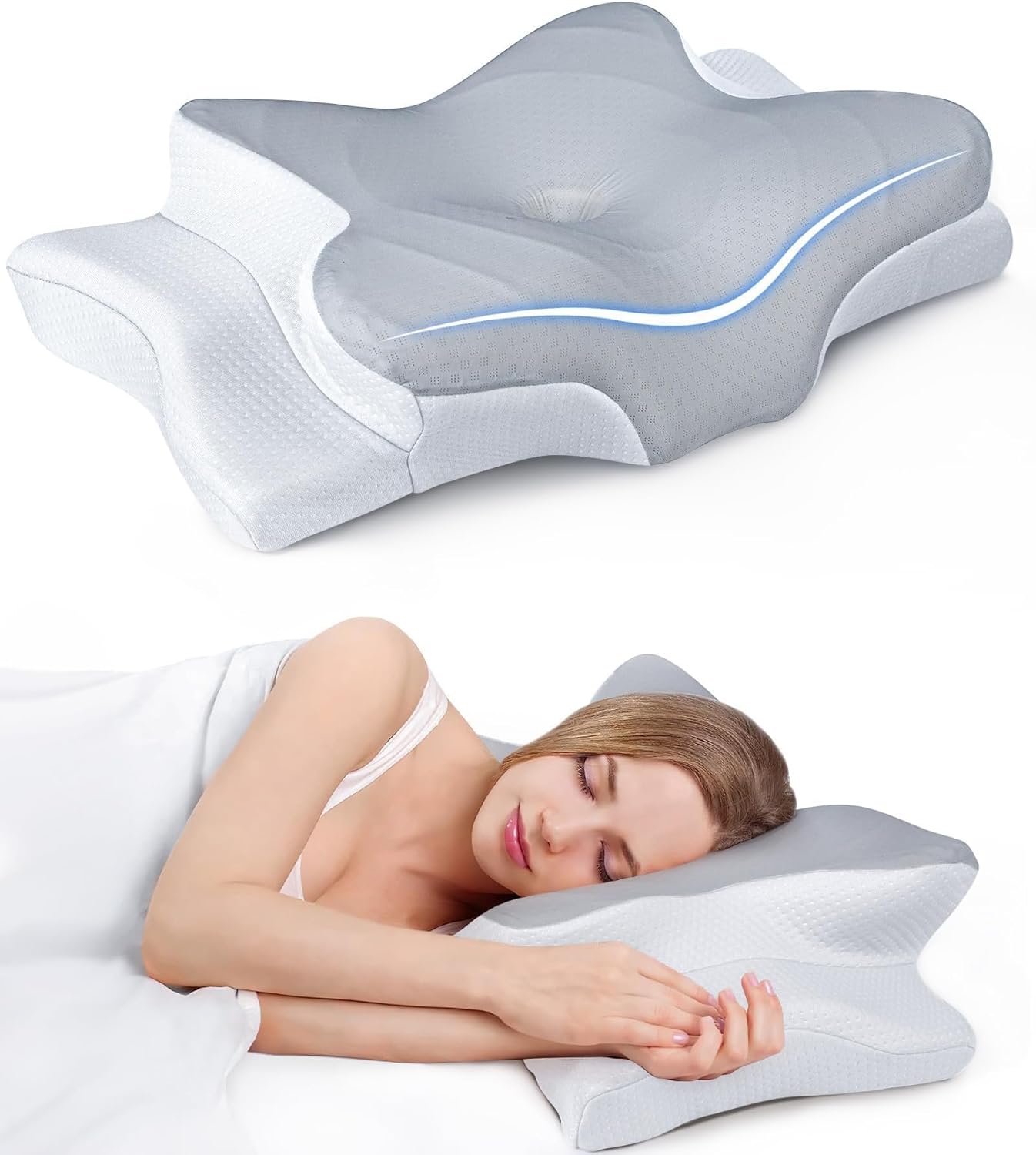
Orthopedic Pillow

Talking Clock

Sock Aid for Seniors
Smart sensors for aging in place help older adults stay safer at home by tracking routines, movement, and unusual activity without relying on constant supervision. They work best when matched to the person’s real needs, privacy preferences, and level of support.
Smart sensors for aging in place can help older adults stay safe at home while giving families more peace of mind. In 2026, these tools are increasingly practical because they can track movement, doors, routines, and unusual changes without needing a camera in every room.
- Best benefit: Early alerts for falls, wandering, or missed routines.
- Best use: Bathrooms, bedrooms, doors, kitchens, and hallways.
- Privacy advantage: Many sensors work without cameras.
- Buying tip: Start with one clear safety goal.
- Important limit: Sensors support care but do not replace medical help.
What Smart Sensors for Aging in Place Are and Why They Matter in 2026
Smart sensors for aging in place are small devices that notice activity in the home and send alerts when something seems off. They may detect motion, door openings, temperature changes, appliance use, or a lack of movement for too long.
For many families, the value is simple: the older adult keeps more independence, and caregivers get a better sense of what is happening day to day. That can be especially helpful when a loved one wants privacy but still needs a safer home environment.
How sensor-based home monitoring supports independence, safety, and caregiver peace of mind
Sensor-based home monitoring works quietly in the background. Instead of checking in constantly, a caregiver may receive an alert only when a routine changes, such as no bathroom movement overnight or a front door opening at an unusual time.
This can reduce the feeling of being watched while still adding a helpful layer of protection. It also makes it easier to spot small problems early, before they become emergencies.
Who benefits most: older adults living alone, couples, and family caregivers
Older adults who live alone often benefit the most because there is no one else in the home to notice changes right away. Couples can also use sensors when one partner has memory concerns, mobility limits, or a higher fall risk.
Family caregivers often appreciate the reassurance as well, especially if they live far away or cannot visit every day. If a person has dementia, balance problems, or frequent nighttime waking, talk to your doctor about what level of home monitoring makes sense.
Top Benefits of Smart Sensors for Aging in Place
The best smart sensors do more than send alerts. They help families understand patterns, support safer routines, and reduce stress for everyone involved.
Fall detection and movement pattern monitoring
Some sensor systems can notice a sudden lack of movement after a fall or a long period of stillness in one area. Others track normal movement patterns over time, which can help reveal changes in walking, pacing, or nighttime activity.
This is not the same as medical fall diagnosis, but it can be a useful warning sign. If falls are happening, or if balance seems worse, consult your healthcare provider promptly.
Early warning for unusual inactivity, wandering, or missed routines
One of the biggest strengths of smart sensors for aging in place is early warning. If a loved one usually starts the day in the kitchen by 8 a.m. and that routine does not happen, the system may alert family members.
These tools can also help with wandering risk, especially when doors open at odd hours or a person exits repeatedly during the night. For families managing memory loss, that early notice can be very important.
Reducing caregiver stress through real-time alerts and remote awareness
Caregiving can be exhausting when every worry turns into a phone call or a drive across town. Real-time alerts can help caregivers respond sooner and feel less in the dark.
That said, alerts should be set carefully. Too many notifications can become overwhelming, so it is wise to choose only the ones that truly matter for safety.
Supporting dignity by avoiding cameras in private spaces
Many older adults do not want cameras in bedrooms or bathrooms, and that preference deserves respect. Motion and contact sensors can often provide useful safety information without recording video.
This balance can make it easier for a senior to accept help. Privacy is not a small detail; it is often the reason a home setup succeeds or fails.
Most Practical Uses of Smart Sensors in the Home
Not every room needs the same type of monitoring. The most useful sensor setup is usually the one that matches the person’s habits, risks, and living space.
Bathroom and bedroom safety monitoring
Bathrooms and bedrooms are common places for falls, nighttime confusion, and mobility problems. Sensors can help family members notice if someone is getting up often, staying in the bathroom too long, or not returning to bed as expected.
These areas are also where privacy matters most. Many families prefer non-camera options here, such as motion sensors, pressure mats, or door activity alerts.
Door, window, and exit sensors for nighttime wandering or elopement risks
Door and window sensors can alert caregivers when an exit is opened. This may be useful for a person with dementia who may wander outside at unsafe times or leave home without realizing the risk.
If wandering is a concern, create a broader safety plan too. Talk to your doctor, and consider adding ID information, secure locks that meet local safety rules, and emergency contact steps.
Kitchen activity sensors for stove use, appliance habits, and daily routine checks
The kitchen can reveal a lot about daily life. Sensors may show whether the stove was used, whether the refrigerator opened at regular times, or whether the morning routine seems normal.
These checks can be helpful for spotting skipped meals or possible appliance safety concerns. If there is any concern about memory, nutrition, or unsafe cooking, ask a healthcare provider or occupational therapist for guidance.
Motion sensors for hallway, living room, and safe-path tracking
Motion sensors can help map the “safe path” through the home. For example, they may show whether someone is moving from bedroom to bathroom to kitchen as usual.
This can be especially useful after a hospital stay, a change in medication, or a new mobility aid. If the home layout is hard to navigate, a home safety specialist may suggest better placement or additional supports.
How to Choose the Right Smart Sensors for Aging in Place
Choosing the right system is less about buying the newest device and more about matching the right tool to the right need. A simple plan is often better than a complicated one.
Matching sensor type to the senior’s health needs and living situation
Start with the actual concern. A person with fall risk may need motion and inactivity alerts, while someone with memory loss may need door and exit sensors.
Living situation matters too. A small apartment, a multi-level house, and a shared home may all need different setups. If you are unsure, ask an occupational therapist or geriatric care manager to help you think it through.
Wireless setup, battery life, app usability, and alert reliability
For many families, easy setup is a major advantage. Wireless sensors are often simpler to place, and longer battery life means fewer maintenance tasks.
The app should also be easy to read and use. If the alerts are confusing, delayed, or too hard to manage, the system may not be helpful in real life.
Standalone devices vs. full smart-home systems: what to compare
Standalone devices may be a good starting point if you only need one or two safety checks. Full smart-home systems can offer broader coverage, but they may take more setup and learning.
It helps to compare how each option handles alerts, sharing access with family members, and future expansion. A simple system that works well is often better than a larger one that is rarely used.
Subscription costs, installation fees, and long-term value
Some systems require monthly fees for alerts, storage, or remote access. Others may charge for professional installation or extra devices.
Medicare usually does not cover most home sensor systems as a standard benefit, but coverage can vary with certain health plans or service arrangements. Check your plan details, and compare long-term costs before you buy.
Common Mistakes Families Make When Setting Up Smart Sensors
Even a good device can fail to help if it is used the wrong way. A thoughtful setup is more important than a large number of gadgets.
Buying too many devices without a clear safety goal
It is easy to overbuy when every product sounds useful. But too many sensors can make the system harder to understand and maintain.
Begin with one or two clear goals, such as nighttime wandering or missed kitchen routines. Add more only if they solve a real problem.
Ignoring privacy preferences or over-monitoring
Some families set up sensors without asking how the older adult feels about them. That can create resistance, even when the intention is loving and protective.
Try to involve the senior in the decision whenever possible. Respect for privacy often leads to better cooperation and less stress for everyone.
Placing sensors in the wrong locations or failing to test alerts
A sensor that is blocked by furniture, placed too far from the activity area, or not tested may miss important events. Testing is a basic step that should not be skipped.
- Is the sensor where the activity actually happens?
- Do family members receive alerts quickly?
- Are batteries charged or replaced on schedule?
- Does everyone know what each alert means?
Assuming sensors replace hands-on caregiving or medical evaluation
Smart sensors can support care, but they cannot replace a person. They do not provide meals, hands-on help, wound care, or medical judgment.
If there are repeated falls, confusion, weight loss, or a sudden change in behavior, talk to your doctor rather than relying on technology alone.
Expert Guidance: When Smart Sensors Are Helpful but Not Enough
There are times when sensors are only one part of the solution. If the home situation is becoming more complicated, it may be time to bring in professional support.
Warning signs that a senior may need additional home care, medical support, or emergency planning
Warning signs can include frequent falls, missed medications, repeated wandering, poor hygiene, skipped meals, or trouble using the bathroom safely. A sudden change in memory, mood, or strength also deserves attention.
These changes can have many causes, including illness or medication side effects. Consult your pharmacist or healthcare provider if you suspect a medication is contributing to confusion, dizziness, or sleep problems.
If your loved one is falling, getting lost, becoming more confused, or having major changes in daily function, contact a doctor soon. A sensor alert may point to a problem, but it does not explain the cause.
When to consult a geriatric care manager, occupational therapist, or home safety specialist
A geriatric care manager can help families coordinate care, while an occupational therapist can look at movement, daily tasks, and home setup. A home safety specialist may help with placement, lighting, and safer paths through the house.
These professionals can be especially useful after a hospitalization, a new diagnosis, or a major change in independence. Their advice can help you decide whether sensors, home care, or a different living arrangement is the better next step.
Smart Sensors vs. Other Aging-in-Place Safety Tools
Smart sensors work best when you understand what they can and cannot do. They are one part of a larger safety plan, not the whole plan.
How sensors compare with wearable alert buttons, cameras, and smart speakers
Wearable alert buttons are useful when the older adult can press them during an emergency. Cameras can show more detail, but many families avoid them in private areas because of privacy concerns.
Smart speakers can help with reminders and voice commands, but they may not notice a fall or a missed routine. Sensors fill a different role by passively tracking activity without requiring the person to remember to use them.
| Option | Best For | Note |
|---|---|---|
| Smart sensors | Routine tracking and passive alerts | Good for privacy-friendly monitoring |
| Wearable alert buttons | Emergency help on demand | Must be worn consistently |
| Cameras | Visual confirmation in common areas | May feel intrusive in bedrooms or bathrooms |
| Smart speakers | Reminders and voice assistance | Helpful, but not a full safety system |
Best use cases for combining multiple tools into one safety plan
Many families do best with a mix of tools. For example, motion sensors may monitor daily activity, a wearable button may support emergencies, and a smart speaker may provide reminders.
The right combination depends on the person’s needs, budget, and comfort level. If the setup feels too complicated, simplify it until it is easy to use every day.
Final Takeaway: Building a Safer, More Independent Home in 2026
Smart sensors for aging in place can help older adults stay home longer by supporting safety, privacy, and routine awareness. They are especially useful for fall risk, wandering concerns, and caregiver peace of mind.
Recap of the biggest benefits, best uses, and buying considerations for families
The biggest benefits are early alerts, better routine tracking, and less caregiver stress. The best uses are often in bathrooms, bedrooms, exits, kitchens, and hallways where daily patterns are easiest to notice.
When choosing a system, focus on the person’s real needs, the ease of setup, the quality of alerts, and the total cost over time.
Why the right sensor setup can help older adults stay home longer with confidence
The right setup should feel supportive, not intrusive. When chosen carefully, these tools can give families more confidence while helping older adults keep more control over their daily lives.
If you are unsure where to start, begin with one clear safety goal and build from there. And if health, memory, or mobility concerns are growing, talk to your doctor or a home safety professional for the next best step.
Frequently Asked Questions
They monitor activity in the home and can alert family members when something unusual happens, such as no movement, an open door, or a missed routine. They are often used to support safety without relying on cameras in private spaces.
They can be a better privacy-friendly option for bedrooms and bathrooms because they track activity without video. Cameras may still be useful in some common areas, but many families prefer sensors for dignity and comfort.
No. They can support safety and awareness, but they do not provide hands-on help, medical care, or supervision all day.
Common places include bathrooms, bedrooms, hallways, kitchens, doors, and windows. The best placement depends on the person’s routines and the safety concern you want to monitor.
Medicare usually does not cover most home sensor systems as a standard benefit, though coverage can vary by plan or related services. Check your plan details and compare long-term costs before buying.
If there are repeated falls, wandering, confusion, missed meals, or major changes in daily function, additional support may be needed. Talk to your doctor or a geriatric care professional for guidance.
