
Senior Emergency Information Sheet for Peace of Mind


Large Button TV Remote

Adult Coloring Book
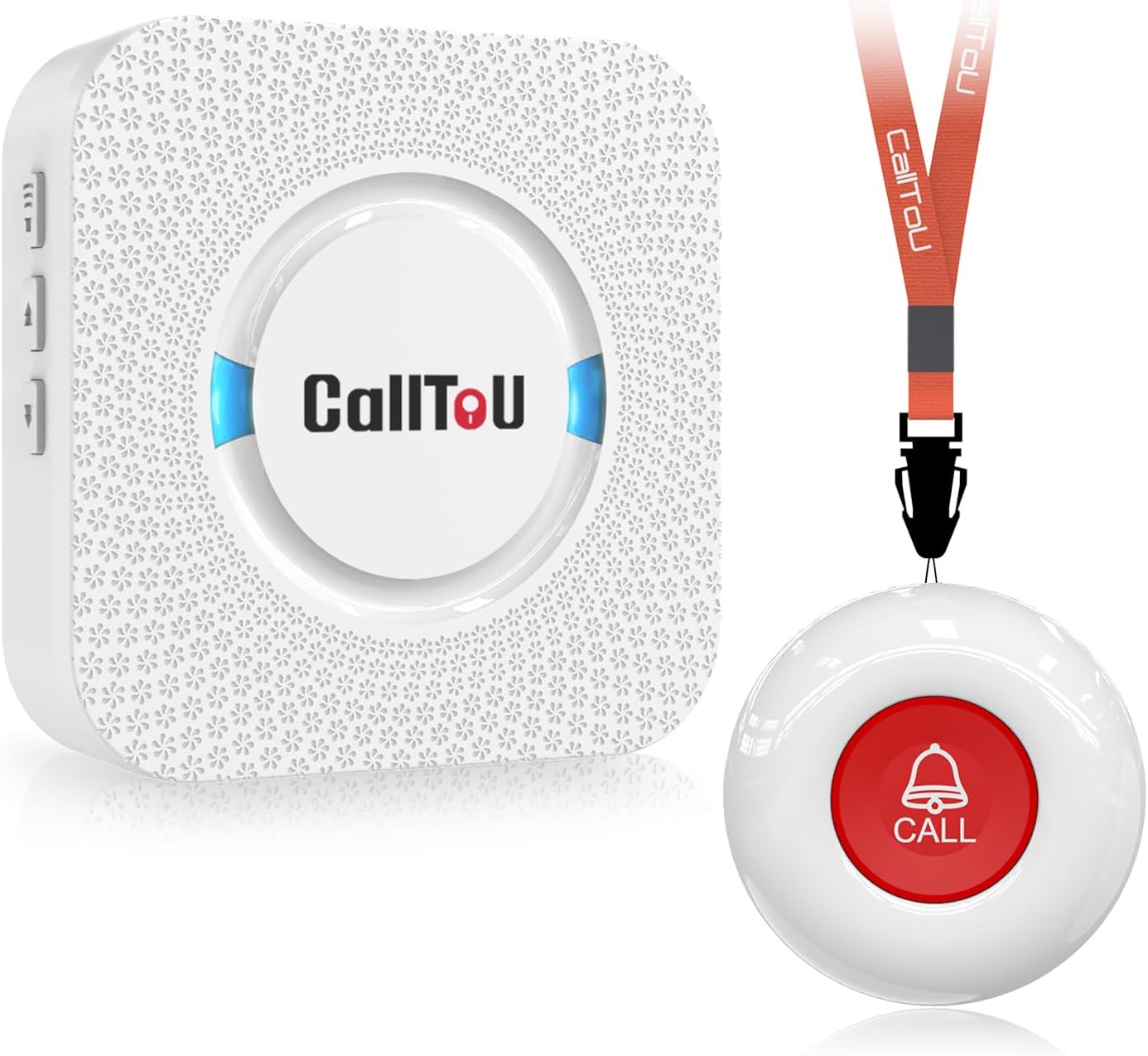
Medical Alert System
A senior emergency information sheet is a simple one-page record of the most important medical, contact, and care details for an older adult. It helps family members, caregivers, and first responders act quickly and with less confusion.
A senior emergency information sheet is a simple one-page record that lists the most important health and contact details for an older adult. In an urgent situation, it can help family members, caregivers, and first responders act quickly and with more confidence.
For many households, this small document becomes a big source of peace of mind. It is especially useful when a senior takes several medicines, has allergies, lives alone, travels, or depends on multiple caregivers. It can also support planning for home care, much like other practical resources on in-home senior care support or independent living decisions.
Below, the SeniorsProTalk Editorial Team explains what to include, where to keep it, and how to update it so it stays useful when it matters most. If you are unsure about medical details, talk to your doctor or consult your pharmacist.
- Keep it short: One clear page is easier to use in an emergency.
- Include essentials: List conditions, allergies, medicines, contacts, and care needs.
- Store it in more than one place: Use a home copy, wallet copy, and digital backup.
- Update it often: Review after hospital stays, prescription changes, or new diagnoses.
What a Senior Emergency Information Sheet Is and Why It Matters in 2026
A senior emergency information sheet is a quick-reference summary of the facts someone would need during a medical, home, or travel emergency. It is not a full medical chart. Instead, it gives the essentials in a format that can be read fast, even under stress.
In 2026, this kind of planning matters because many older adults manage more than one health condition, more than one prescription, or more than one caregiver. When a crisis happens, people may not remember medication names, insurance details, or the right doctor to call. A clear sheet reduces guesswork.
How this one-page document helps during medical, home, and travel emergencies
In a medical emergency, the sheet can help paramedics or emergency room staff see allergies, conditions, and current medicines right away. That can save time and reduce the chance of missed information.
At home, it helps a spouse, neighbor, or visiting relative know who to contact and what special care is needed. During travel, it gives you a compact record to carry in case you need urgent care away from home.
Emergency responders often work best when information is short, clear, and easy to find. A one-page summary is usually more useful than a long stack of papers.
Who should keep a senior emergency information sheet on hand
Almost any older adult can benefit from one, but it is especially helpful for people who live alone, have memory changes, take several prescriptions, use mobility aids, or have chronic conditions such as heart disease, diabetes, or lung problems.
Family caregivers should keep a copy too. So should paid caregivers, if the senior agrees. If the person has dementia or another condition that affects decision-making, the sheet becomes even more important because it can help others respond calmly and consistently.
Essential Information to Include on a Senior Emergency Information Sheet
The best emergency sheet is complete enough to help, but simple enough to read in seconds. Think of it as the “first things to know” page, not a full medical history.
Medical conditions, allergies, medications, and dosage details
Start with current medical conditions, such as high blood pressure, stroke history, asthma, arthritis, or memory concerns. Then list allergies, including medicine allergies and serious food allergies if they affect emergency care.
Medication details should be current and easy to understand. Include the name of each medicine, what it is for, the dose, and when it is taken. If needed, note whether it is a pill, inhaler, patch, injection, or liquid. For safety, ask your pharmacist or healthcare provider to confirm the list if you are unsure.
Never guess at a medication list. An outdated or incomplete medicine record can lead to serious mistakes, especially if a hospital or urgent care team needs fast answers.
Primary contacts, doctors, pharmacy, insurance, and preferred hospital
Include the name and phone number of the main emergency contact, plus one backup contact if possible. Add the primary doctor, any important specialists, the pharmacy, and the preferred hospital if the senior has one.
Insurance details can also help, though you should be careful not to overload the page. A policy number or member ID may be enough. If the person uses Medicare, a supplemental plan, or another insurance plan, list the most useful contact number and cardholder name. Coverage details vary, so check with the plan directly if you are unsure what to include.
Mobility needs, communication preferences, and special care instructions
Emergency helpers also need to know how the senior moves and communicates. Note if the person uses a walker, cane, wheelchair, hearing aid, glasses, oxygen, or a service animal. If there are fall risks, swallowing issues, or confusion at night, write that down clearly.
Communication preferences matter too. For example, some people hear better in one ear, need large print, or prefer that a family member be contacted first. Special care instructions may include “do not leave alone,” “needs help with stairs,” or “uses a translator.” Keep these notes short and direct.
If a senior has advanced illness, dementia, a pacemaker, a feeding tube, or another complex condition, ask the doctor or nurse whether any extra emergency details should be added.
How to Create a Senior Emergency Information Sheet That Is Clear and Easy to Use
The most useful sheet is one that someone can read quickly without hunting for details. Clear formatting matters just as much as the information itself.
Best format: printable paper copy, wallet card, fridge sheet, and digital backup
Many families use more than one format. A printable paper copy works well for the home. A wallet card is useful when the senior leaves the house. A fridge sheet can help visiting family or emergency responders find the basics fast.
A digital backup is also wise. You can save a copy on a phone, tablet, or secure cloud folder. That said, do not rely on digital access alone. Phones can run out of battery, lose signal, or be locked when time is short.
- Paper copy is easy to grab quickly
- Wallet card travels well
- Digital backup helps if paper is misplaced
- Paper can be lost or outdated
- Digital files may be hard to open fast
- Too many versions can cause confusion
Tips for keeping the layout simple, readable, and updated
Use large type, short labels, and plain language. Avoid full sentences when a phrase will do. For example, “allergy: penicillin” is easier to scan than a long paragraph.
Leave enough white space so the page does not feel crowded. Use bold headings for sections like medications, contacts, and care needs. Then review the sheet after every doctor visit, hospital discharge, or medicine change.
Collect medicine labels, doctor names, contact numbers, and insurance cards before you begin.
Write only the details someone would need right away in an emergency.
Ask the senior, family caregiver, doctor, or pharmacist to review the sheet for mistakes.
Practical example of a completed emergency information sheet
Here is a simple example of what the finished page might look like:
Name: Robert Smith
Date of Birth: 08/14/1948
Conditions: Diabetes, high blood pressure, hearing loss
Allergies: Sulfa drugs
Medications: Medicine A, 1 tablet morning; Medicine B, 1 tablet evening
Doctor: Dr. Lee, 555-222-3333
Pharmacy: Main Street Pharmacy, 555-444-5555
Preferred Hospital: City Hospital
Mobility: Uses cane; fall risk on stairs
Notes: Speak clearly; hearing aid in right ear
Where to Store the Senior Emergency Information Sheet for Fast Access
Even the best sheet is not helpful if no one can find it. Store it where the right people can reach it quickly.
High-visibility home locations for caregivers, EMS, and visiting family
Common home locations include the refrigerator door, a kitchen bulletin board, a bedside drawer, or a folder near the main phone. Some families also keep a copy inside a clearly marked “emergency info” envelope.
Choose places that are visible but still protected from spills, heat, and clutter. If the senior lives in a home with frequent visitors or rotating caregivers, make sure everyone knows where the sheet is kept.
When to carry copies in a purse, car, travel bag, or phone
Carry a copy when the senior goes to appointments, visits family, or travels overnight. A small wallet version can be kept in a purse, wallet, or glove compartment. A phone note or secure photo copy can also help if the paper copy is not nearby.
If the person uses senior living without a buy-in or another community setting, ask staff where emergency information should be stored so it can be reached quickly if needed.
How to share the sheet with multiple caregivers and emergency contacts
Share the sheet with the people most likely to help in a crisis: family caregivers, close friends, paid aides, and any backup contact. If the senior agrees, give copies to the primary doctor’s office or care team when appropriate.
Be careful not to send the sheet too widely if it contains private health information. Use judgment, and only share with people who truly need it. If you are unsure about privacy or consent, ask a healthcare provider what makes sense for your situation.
Common Mistakes Families Make When Preparing Emergency Information
Most mistakes are easy to avoid once you know what to watch for. The goal is accuracy, simplicity, and readiness.
Outdated medication lists, missing allergies, and incomplete contact details
The most common problem is an old medicine list. A dose may have changed, a prescription may have stopped, or a new allergy may have been discovered. If the sheet is not updated, it can mislead the people trying to help.
Missing phone numbers are another issue. Make sure the sheet includes area codes, backup contacts, and current pharmacy details. If a number changes, update the page right away.
If you are unsure whether a medicine, allergy, or condition should be listed, ask your doctor or pharmacist before finalizing the sheet.
Overly long notes, confusing abbreviations, and hard-to-read formatting
Long paragraphs can slow people down during an emergency. So can abbreviations that not everyone understands. Instead of writing “SOB” or another shorthand, use plain language such as “shortness of breath.”
Try to keep the sheet neat and uncluttered. Dark print on a light background is usually easiest to read. If eyesight is limited, make the type larger and avoid decorative fonts.
Forgetting to review the sheet after hospital visits or prescription changes
Many families create a good sheet once, then forget about it. But health information changes. After a hospital stay, a specialist visit, or a medicine change, review the page right away.
This is one reason a hybrid system can work well. If you keep a paper copy and a digital version, update both at the same time so they match. That small habit can prevent confusion later.
Cost, Templates, and Comparison: Free vs. Paid Ways to Make It
In most cases, a senior emergency information sheet is inexpensive to prepare. The real cost is usually the time it takes to gather accurate details.
What a basic DIY senior emergency information sheet costs to prepare
A basic do-it-yourself version can be made with paper, a printer, or a simple word-processing file. If you already have a printer at home, the out-of-pocket cost may be very low. If you need to buy supplies or print extra copies, the cost will still usually be modest.
Medicare generally does not pay for a personal emergency sheet itself, though related medical visits or medication reviews may be covered depending on the plan and service. Check your plan details if you are making updates after a hospital discharge or care review.
When a printable template is enough versus when a paid service may help
A printable template is often enough for a healthy, organized senior or a family that can keep records updated. It is a practical choice if the person has a stable medication list and a few key contacts.
A paid service may help if the family wants extra support organizing documents, maintaining records, or coordinating care details. That can be useful when there are multiple caregivers or more complicated needs, but it is not always necessary.
| Option | Best For | Note |
|---|---|---|
| Paper template | Simple home use | Easy to print and update by hand |
| Digital file | Families on the go | Good backup, but not always fast in an emergency |
| Paid care service | Complex situations | May help organize records, but still needs family oversight |
Comparing paper-only, digital, and hybrid emergency information systems
Paper-only systems are simple and easy to find, but they can be lost or outdated. Digital-only systems are convenient, but they depend on power, access, and a working device.
A hybrid system is often the most practical. Keep a paper copy where it can be found quickly, and store a digital backup in case the paper is unavailable. This is also helpful for families who coordinate care across more than one home.
- Faster response in emergencies
- Better communication across caregivers
- Less stress for family members
- More confidence during travel or hospital visits
When to Ask a Professional for Help Updating the Sheet
Some situations are straightforward. Others need a second set of trained eyes. If the record is becoming hard to manage, ask for help.
Warning signs that the information needs a nurse, caregiver, or pharmacist review
If the medication list is hard to read, if there are many recent changes, or if the senior cannot confirm the details, a nurse or pharmacist review can be very helpful. A caregiver can also help keep the sheet current.
Professional review is especially useful when there are multiple prescribers, recent side effects, or unclear instructions. The goal is not to make the sheet fancy. It is to make it accurate.
Special situations: dementia, multiple chronic conditions, or complex medication schedules
People with dementia may need a caregiver to manage the sheet because they may not remember current medicines or emergency contacts. The same is true for seniors with several chronic conditions or complicated dosing schedules.
If the person uses oxygen, insulin, blood thinners, or other high-risk treatments, ask the healthcare provider what emergency details should be clearly shown. Do not rely on memory when safety is involved.
Why accuracy matters before surgery, hospital discharge, or solo travel
Before surgery or after a hospital discharge, medication changes are common. That makes it a good time to update the sheet. A current copy can also help when a senior travels alone or stays with relatives.
If travel is planned, bring the sheet along and leave a copy with a family contact at home. If the trip is long or the health situation is complex, ask the doctor whether any extra travel precautions are needed.
Final Recap: A Small Document That Can Make a Big Difference
A senior emergency information sheet is one of the simplest tools a family can create, yet it can make urgent situations much easier to manage. It helps others find the right contacts, understand medical needs, and avoid avoidable confusion.
Key takeaways for keeping a senior emergency information sheet current and accessible
Keep the sheet short, clear, and accurate. Store it where it can be found fast, and make sure a backup copy exists in case the first one is misplaced.
Simple next steps families can take today for better peace of mind
Start by gathering medication labels, doctor numbers, allergy information, and emergency contacts. Then ask the senior, a caregiver, or a pharmacist to review the page for accuracy. A few careful minutes now can bring real peace of mind later.
Frequently Asked Questions
It is a one-page summary of a senior’s key health and contact details for urgent situations. It helps family members, caregivers, and emergency responders act quickly.
Include medical conditions, allergies, medications, emergency contacts, doctors, pharmacy, insurance details, mobility needs, and special care instructions. Keep it short and easy to read.
Store it in a high-visibility place at home, such as the refrigerator or a clearly marked folder. Keep extra copies in a wallet, car, travel bag, and digital backup if possible.
Review it after any hospital visit, prescription change, new diagnosis, or change in contact information. It should always match the senior’s current care plan.
A digital copy is helpful, but it should not be the only version. Phones can lose power or access, so a paper copy is still important for fast use.
Yes, that is a good idea if the medication list is complex, the senior has dementia, or the health situation changes often. Ask your doctor or pharmacist to confirm the details.
