
Respite Care for Caregivers A Guide to Relief and Support

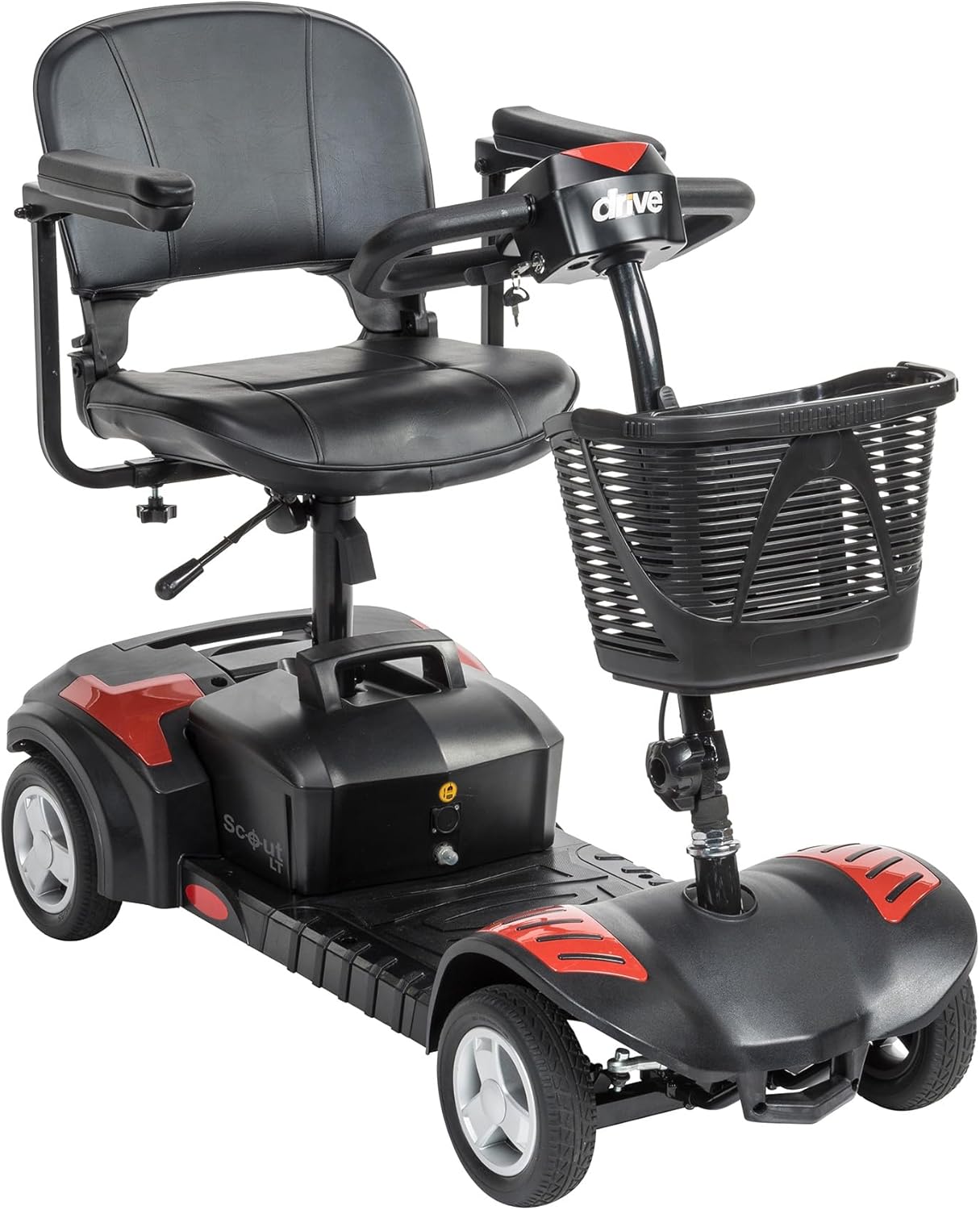
Electric Mobility Scooter

Non-Slip Bathroom Mat

Arthritis Gloves
Respite care for caregivers is short-term support that gives family caregivers a needed break while the senior stays safe and cared for. The best option depends on the senior’s needs, the caregiver’s schedule, and the family’s budget.
Respite care for caregivers is short-term support that gives family members a safe break while a senior continues to receive help. For many households, it is not a luxury—it is part of keeping care steady, safe, and sustainable over time.
In 2026, families are using respite care in more flexible ways than before, from a few hours at home to overnight stays in a care community. If you are already juggling medications, meals, appointments, and worry, a little relief can help you stay well enough to keep going.
- Temporary relief: Respite care helps caregivers rest, travel, or handle emergencies.
- Many formats: Options include in-home help, adult day centers, and short-term residential care.
- Plan ahead: Early planning reduces stress and makes transitions smoother.
- Check costs: Coverage and pricing vary widely by provider, location, and insurance.
- Safety first: Match the respite option to medical needs, routine, and supervision level.
What Respite Care for Caregivers Means in 2026
Respite care is temporary care arranged so the usual caregiver can rest, travel, handle errands, recover from illness, or simply step away for a while. The senior still gets support, but the family caregiver is relieved of the full load for a set period.
This can happen in the home, at an adult day center, or in a short-term residential setting. The right choice depends on how much help the older adult needs and how much time the caregiver needs away.
How respite care differs from regular home care and adult day support
Regular home care is usually ongoing help with bathing, dressing, meals, companionship, or more hands-on support. Respite care is usually temporary and focused on giving the primary caregiver a break, even if the services themselves look similar.
Adult day support is different again. It usually takes place at a center during daytime hours and combines supervision, activities, and social time. That can be a good fit when the senior does well in a group setting and the family needs help during work hours or appointments.
If you are comparing options, it may help to review a senior caregiver daily checklist so you can see which tasks need coverage and which type of respite can fill the gap.
Why caregiver burnout has made short-term relief more important
Caregiving can be rewarding, but it can also wear a person down. Over time, skipped meals, poor sleep, constant worry, and physical strain can lead to burnout, which makes it harder to give safe and patient care.
Short-term relief matters because exhausted caregivers are more likely to make mistakes, miss warning signs, or feel overwhelmed by small problems. Respite care helps prevent the “I can’t do this anymore” point from arriving all at once.
Many caregivers wait until a crisis to ask for help, but earlier support often makes transitions smoother and less stressful for everyone involved.
Who Needs Respite Care and When to Consider It
Any caregiver can benefit from respite care, but it becomes especially important when care is physically demanding, emotionally intense, or hard to manage alone. The need may be temporary after surgery, or ongoing when a loved one has a long-term condition.
It is wise to think about respite before you are exhausted. Planning ahead gives you more choices and usually less stress.
Signs a caregiver is reaching physical, emotional, or financial limits
Physical signs can include back pain, fatigue, headaches, or trouble sleeping. Emotional signs often show up as irritability, anxiety, sadness, or feeling numb and disconnected.
Financial strain can also be a warning sign if caregiving is causing missed work, extra transportation costs, or repeated out-of-pocket spending. If you are constantly choosing between your own needs and your loved one’s care, that is a signal to pause and reassess.
Situations where respite becomes urgent: illness, travel, recovery, or emergencies
Respite becomes urgent when the caregiver gets sick, has a medical appointment, needs surgery, or must travel. It can also be needed during family emergencies, power outages, or sudden changes in the senior’s condition.
Even a short break can matter after a stressful hospital stay or during a recovery period when routines are changing. In those moments, having a plan already in place can prevent rushed decisions.
Practical examples for family caregivers of seniors with dementia, mobility issues, or chronic illness
A caregiver supporting someone with dementia may need respite because supervision is constant and behaviors can change quickly. A person with memory loss may wander, resist care, or become upset with unfamiliar routines, so the backup caregiver needs clear instructions.
For seniors with mobility issues, respite may be needed when transfers, bathing, or fall prevention require extra help. For chronic illness, the need may center on medication reminders, meal support, or monitoring for symptoms that should be discussed with your doctor.
If the senior’s condition is changing, if falls are becoming more common, or if confusion is increasing, talk to the healthcare provider before arranging care. Medical needs can affect the safest respite option.
Types of Respite Care Available for Seniors and Family Caregivers
There is no single best respite option. The right choice depends on the senior’s needs, the caregiver’s schedule, and how comfortable everyone feels with the arrangement.
Many families use more than one type of respite over time, depending on the situation.
In-home respite care: professional aides, companions, and skilled support
In-home respite brings help into the senior’s own space. That may include a companion for conversation and supervision, a home care aide for personal care, or skilled support when a health condition requires it.
This option often feels familiar and less disruptive because the senior stays in a known environment. It can be especially helpful when routines matter or when transportation is difficult.
Adult day centers and social respite programs
Adult day centers provide supervision, meals, activities, and social interaction during the day. They can give caregivers a reliable block of time for work, errands, or rest while the senior stays engaged.
These programs may be a good fit for older adults who enjoy company and do better with structure. They may be less suitable for someone who becomes very anxious in busy settings or needs one-on-one attention most of the time.
Short-term residential respite in assisted living, nursing homes, or memory care
Some communities offer short stays in assisted living, nursing homes, or memory care settings. This can be useful when the caregiver needs several days away or when the senior requires more supervision than can be managed at home.
Short-term residential respite can also be a bridge after a hospital stay, but it is important to confirm what services are available. Needs vary by location, and you should ask whether the setting can support mobility, dementia care, medication help, or special diets.
Informal respite from relatives, friends, and volunteer networks
Informal respite may come from a relative who stays for an afternoon, a neighbor who checks in, or a volunteer group that offers companionship. This can be helpful for small breaks and may cost less than formal care.
Still, informal help should be treated carefully. Make sure the person understands the senior’s routines, safety needs, and any medical concerns before leaving them alone together.
Informal respite is not always a full substitute for trained care. If the senior needs help with transfers, dementia supervision, or medical tasks, ask a healthcare provider or care manager what level of support is appropriate.
How to Choose the Right Respite Option for Your Situation
The best respite choice is the one that keeps the senior safe while giving the caregiver real relief. A good match should fit medical needs, personality, routine, and practical limits such as transportation.
It can help to compare options on paper before you are under pressure.
Matching care level to the senior’s medical and personal needs
Start by listing what the senior truly needs during the caregiver’s absence. That may include help with toileting, bathing, walking, meals, reminders, or supervision for memory loss.
Then match those needs to the service level offered. If you are unsure, consult your doctor, pharmacist, or another healthcare provider so you do not understate the support required.
Considering personality, routine, safety, and transportation needs
Some older adults adapt easily to new people, while others become upset when routines change. If the senior is sensitive to noise, crowds, or unfamiliar faces, that should influence the choice.
Transportation matters too. If getting to and from a center is hard, in-home care may be more practical. Safety issues such as wandering, falls, or bathroom assistance should also be reviewed before booking any service.
Comparing flexibility, supervision, and comfort across care settings
Different respite settings offer different trade-offs. In-home care may feel most comfortable, but it may provide less social interaction than a center. Residential respite may offer more supervision, but it can feel less familiar.
| Option | Best For | Note |
|---|---|---|
| In-home respite | Familiar routines and one-on-one help | Good when the senior is safest at home |
| Adult day center | Daytime supervision and social activity | Works best for seniors who enjoy groups |
| Residential respite | Overnight or multi-day caregiver breaks | May suit higher care needs |
| Informal help | Short, low-cost support | Check comfort and safety first |
Cost of Respite Care and What Affects Pricing
Respite care costs vary widely because the price depends on how much help is needed and where it is provided. A few hours of companionship will usually cost less than overnight care with hands-on support.
Since pricing and coverage differ by location and plan, it is smart to ask for written estimates and to check benefits before you commit.
Typical cost drivers: hours needed, level of care, location, and provider type
Longer visits usually cost more overall, but the hourly rate may be lower for longer blocks of time. More skilled help, such as support for bathing, mobility, or health monitoring, can also raise the price.
Location matters because care costs often differ by city and region. Provider type matters too, since agencies, centers, and residential communities may bill in different ways.
Comparing hourly, daily, and overnight respite costs
Hourly respite is often used for errands, appointments, or a few hours of rest. Daily or overnight respite is more useful when the caregiver needs a longer break or must be away for travel or recovery.
Ask what is included in the rate. Some services include meals, supervision, and activities, while others charge separately for transportation or personal care.
Ways families may reduce out-of-pocket expense in 2026
Families may lower costs by using respite only when it is most needed, comparing several providers, and asking about package rates or sliding-scale programs. Some communities also offer limited volunteer support or subsidized adult day services.
It can also help to coordinate family schedules so that formal respite is used for the hardest gaps rather than every small task. If the senior has a long-term condition, ask whether a care manager can help identify local resources.
When respite care may be covered by insurance, Medicaid waivers, or veteran benefits
Coverage depends on the plan, the state, the diagnosis, and the type of care being used. Medicare coverage for respite is limited and usually tied to specific circumstances, so families should not assume it will pay for routine short-term relief.
Some Medicaid waiver programs, long-term care policies, and veteran benefits may help with respite in certain situations. Because rules vary, check the plan details and speak with the insurer, benefits office, or healthcare provider before making assumptions.
Do not rely on a verbal promise of coverage. Ask for the benefit in writing whenever possible, and confirm whether the provider is approved under the plan.
How to Arrange Respite Care Without Disrupting the Senior’s Routine
Good planning can make respite feel less like a disruption and more like a smooth handoff. The goal is to keep the senior comfortable, informed, and safe while the caregiver steps away.
Small details often make the biggest difference.
Preparing medications, emergency contacts, and care instructions
Make a clear list of medications, allergies, meal needs, mobility concerns, and emergency contacts. If the senior uses devices such as walkers, hearing aids, or oxygen equipment, note how they are used and stored.
Keep instructions simple and easy to read. When medication timing or side effects are involved, ask your pharmacist or healthcare provider to review the plan so nothing important is missed.
Introducing a new caregiver to reduce stress and resistance
Many seniors feel more comfortable when they meet the new caregiver before the first full shift. A short introduction can reduce anxiety and help the older adult see the helper as a person, not a stranger.
Try to keep the first visit calm and familiar. Use favorite music, usual snacks, or the regular daily schedule when possible.
Creating a trial schedule and backup plan for smoother transitions
A trial visit can reveal what works and what needs adjustment. You might begin with a few hours at home before moving to a longer block or overnight stay.
It is also wise to have a backup plan if the first option does not go well. That may mean a second provider, a family member on call, or a different setting if the senior needs more structure.
Write down wake-up times, meals, bathroom habits, and calming routines so the backup caregiver can follow the same pattern.
Try respite before an emergency so you can fix problems while stress is low.
Common Mistakes Caregivers Make When Using Respite Care
Respite works best when it is treated as normal, planned support rather than a last-minute rescue. A few common mistakes can make the experience harder than it needs to be.
Knowing those pitfalls ahead of time can save time, money, and frustration.
Waiting until burnout or crisis before asking for help
Many caregivers wait until they are exhausted, sick, or overwhelmed before seeking relief. By then, they may be forced to accept the first available option instead of the best one.
Planning early gives you time to compare services, introduce the senior to help gradually, and avoid decisions made under pressure.
Choosing the cheapest option without checking credentials or fit
Price matters, but the lowest-cost option is not always the safest or most comfortable. A provider should be able to meet the senior’s needs, not just fill a time slot.
Ask about training, supervision, references, and what happens if the assigned caregiver is unavailable. If anything seems unclear, keep asking until you feel confident.
Not communicating clearly about dementia behaviors, fall risks, or medical needs
Respite caregivers can only help well if they know what to expect. That includes wandering, agitation, incontinence, swallowing problems, fall risks, and any special routines that reduce stress.
Be direct and specific. If the senior has a condition that changes from day to day, let the provider know what signs mean the situation is getting worse and should be reported.
Overlooking emotional guilt and failing to treat respite as part of good care
Many caregivers feel guilty about stepping away, even for a few hours. But rest is not selfish; it is one way to keep providing safe care over the long term.
Think of respite as maintenance, not abandonment. A rested caregiver is usually more patient, more alert, and better able to notice changes in the senior’s condition.
Expert Guidance, Safety Checks, and Final Takeaways
When care needs become more complex, outside guidance can help you choose wisely. A care manager, social worker, or healthcare professional can help you sort through options and spot risks you may not have considered.
This is especially useful when the senior has multiple health conditions or when family members disagree about what kind of support is needed.
When to consult a care manager, social worker, or healthcare professional
Consult a professional if you are unsure which level of respite is safe, if the senior has frequent falls, or if memory problems are making care unpredictable. They can help match needs to services and identify local programs.
It is also a good idea to ask for help if medications, mobility, or behavior changes are making home care harder to manage. The right advice can prevent avoidable setbacks.
Red flags that indicate the senior needs more than temporary relief
Respite is meant for short-term support, but some signs suggest the senior may need a bigger care plan. These can include repeated falls, worsening confusion, missed medications, unsafe wandering, or major trouble with eating, bathing, or toileting.
If you see these changes, talk to your doctor or healthcare provider promptly. The situation may require more than a temporary caregiver break.
If the senior becomes suddenly weaker, more confused, or less able to manage daily tasks, seek medical advice. A new symptom may point to an illness, medication issue, or another problem that needs attention.
Recap: how respite care supports caregiver health, senior safety, and long-term sustainability
Respite care for caregivers is a practical way to protect both the person giving care and the person receiving it. It can reduce stress, improve safety, and make long-term caregiving more realistic.
Whether you choose in-home help, adult day support, short-term residential care, or trusted informal assistance, the best plan is one that fits the senior’s needs and gives the caregiver real relief. Used early and thoughtfully, respite is not a backup plan—it is part of good care.
- Respite care gives caregivers temporary relief while seniors stay supported.
- The right option depends on care needs, routine, safety, and budget.
- Planning early helps avoid crisis decisions and smoother transitions.
- Check coverage carefully, since benefits vary by plan and location.
Frequently Asked Questions
Respite care is short-term help that gives a family caregiver a break while the senior still receives support. It can happen at home, in an adult day center, or in a short-term residential setting.
If you feel exhausted, overwhelmed, or unable to keep up with care safely, it may be time. Respite is also useful during illness, travel, recovery, or emergencies.
The best option depends on behavior, safety needs, and routine. Many families start with in-home respite or a familiar adult day program, but some seniors need short-term memory care support.
Costs vary based on hours, care level, location, and provider type. Ask for written estimates because hourly, daily, and overnight pricing can differ a lot.
Coverage depends on the situation and the plan, and Medicare coverage is limited for routine respite. Families should check plan details and confirm benefits in writing before arranging care.
Share routines, medications, emergency contacts, and behavior notes ahead of time. A short trial visit and a calm introduction can also reduce stress and resistance.
