
How to Choose Bed for Senior Comfort and Safety

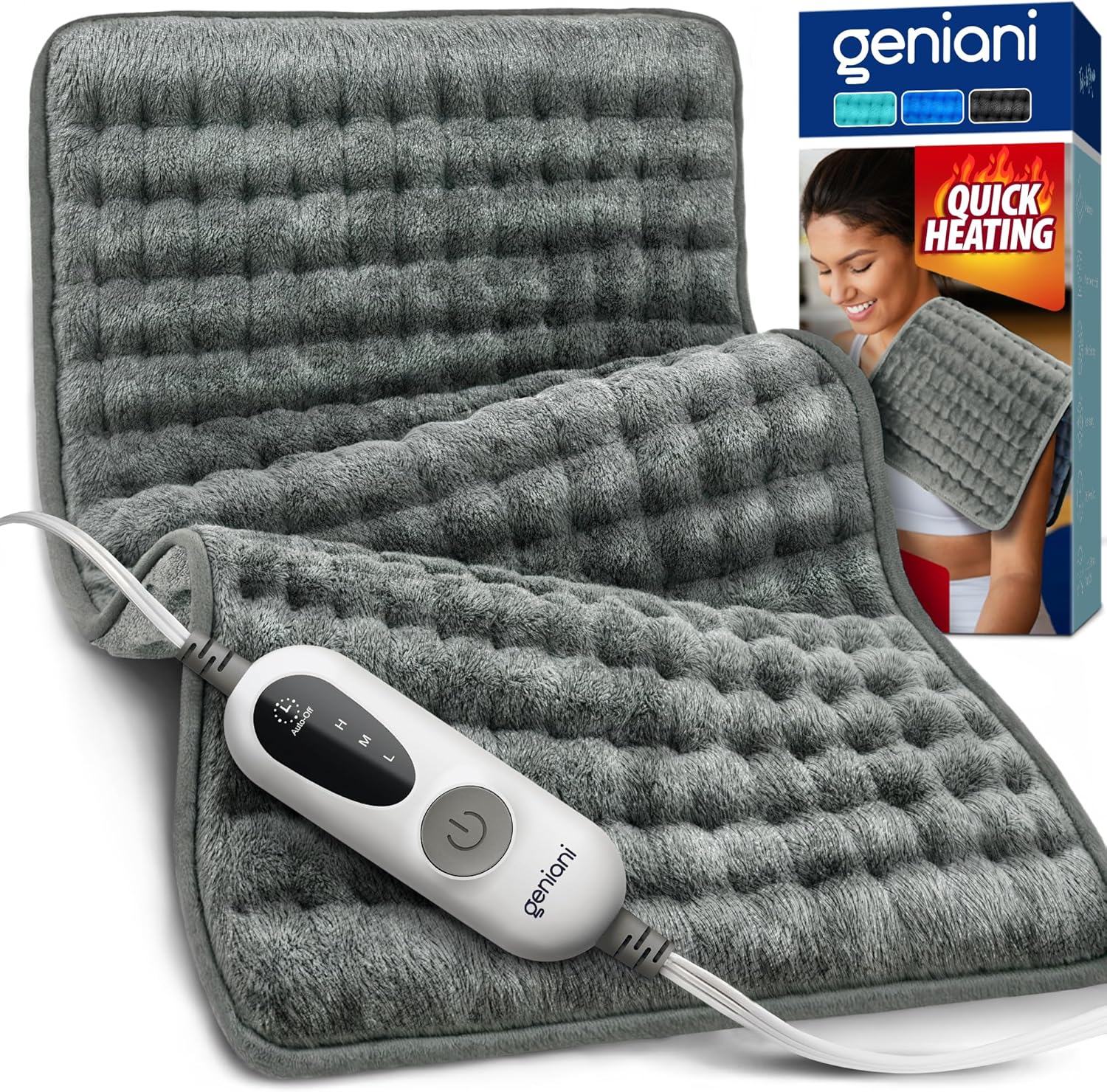
Electric Heating Pad

Upright Walker

Puzzle Book for Seniors
Choose a senior bed by prioritizing safe height, steady support, and a mattress that balances comfort with easy movement. If mobility, pain, or fall risk is a concern, adjustable features and professional advice can make the setup safer.
Choosing the right bed for an older adult is about more than style or mattress softness. The best choice supports safer movement, better sleep, and easier daily routines while fitting the person’s health needs and home setup.
If you are trying to figure out how to choose bed for senior, focus first on comfort, mobility, and fall prevention. A good bed should make it easier to sit, stand, turn, and rest without creating extra strain for the senior or the caregiver.
- Height matters: The bed should make sitting and standing feel stable.
- Support first: Choose firmness that eases pressure without causing sinking.
- Safety counts: Stable frames, secure fit, and good lighting reduce fall risk.
- Match needs: Mobility limits and pain levels should guide the bed type.
- Ask for help: Severe pain or transfer trouble deserves professional input.
Understanding What Seniors Need from a Bed in 2026
In 2026, bed shopping for seniors is still about the same core goals, even as more models offer added convenience. The right bed should support sleep quality, reduce pressure on joints, and help the person get in and out with less effort.
Comfort, mobility, and safety as the main priorities
Comfort matters, but not in isolation. A bed that feels plush may be pleasant for a few minutes yet make standing up harder, especially for someone with weak legs or balance concerns.
Mobility and safety often matter just as much as mattress feel. For many seniors, the best bed is one that keeps the body supported while also making transfers simpler and more stable.
How aging changes sleep, pressure relief, and getting in and out of bed
As people age, they may become more sensitive to pressure on hips, shoulders, and the lower back. They may also sleep lighter, wake more often, or need to change positions during the night.
Getting in and out of bed can become a bigger challenge too. Lower strength, stiff joints, or dizziness can make a bed that is too low, too soft, or too unstable feel unsafe.
How to Choose Bed for Senior: The Key Features That Matter Most
The best way to narrow the options is to match the bed to the senior’s everyday movement. A bed that works well for one person may be a poor fit for another, depending on height, pain level, and independence.
Ideal bed height for safer sitting and standing
Bed height is one of the most overlooked details. A bed that is too high can make sitting down risky, while a bed that is too low can make standing up harder on the knees and hips.
In many cases, the goal is a height that lets the senior sit with feet flat on the floor and knees bent comfortably. That position usually makes transfers more natural and reduces the chance of sliding or stumbling.
Before buying, have the senior sit on the bed edge and check whether both feet touch the floor easily. That simple test often reveals whether the height is practical.
Mattress firmness and support for joints, back, and pressure points
There is no single “best” firmness for every senior. A mattress that is too soft may let the body sink too deeply, while one that is too firm can increase pressure on sore joints.
For many older adults, balanced support is the most helpful starting point. Look for a mattress that keeps the spine aligned while still cushioning pressure points, especially at the shoulders and hips.
If the person has back pain, arthritis, or spends long periods in bed, pressure relief becomes even more important. In those cases, a medium-firm mattress or a supportive hybrid may be worth considering, though comfort is still personal.
Adjustable bases, side rails, and easy-to-use controls
Adjustable bases can help seniors raise the head or feet for comfort, circulation, or easier breathing. They may also make reading, watching TV, or resting in bed more comfortable without stacking extra pillows.
Side rails or grab supports can help with repositioning and standing, but they must be used carefully. The wrong rail placement can create a trap or make transfers harder, so setup matters as much as the product itself.
Controls should be simple, visible, and easy to reach. A bed that is technically advanced but confusing to operate may frustrate the user and reduce the real benefit.
Adjustable features are helpful, but they are not automatically safer for every senior. The best choice depends on strength, balance, and whether the person can use the controls without confusion.
Match the Bed to the Senior’s Health and Mobility Needs
The right bed should reflect the person’s physical condition, not just general comfort preferences. A senior with mild stiffness may need a very different setup than someone with limited mobility or a history of falls.
Beds for arthritis, back pain, and limited mobility
For arthritis, the main goal is usually to reduce strain during movement and pressure during rest. A supportive mattress and a bed height that eases transfers can make a noticeable difference in daily comfort.
For back pain, alignment is important. A mattress that supports the lower back without creating hard pressure points may help the person rest more consistently, though severe or persistent pain should be evaluated by a clinician.
For limited mobility, the bed should make repositioning easier. Adjustable bases, firmer edges, and stable sitting surfaces can all help, but the exact setup depends on how much assistance the person needs.
Options for fall prevention and assisted transfers
Fall prevention starts with reducing the distance and effort required to get out of bed. A bed that is too soft, too low, or placed in a cluttered room can increase risk during nighttime trips.
Assisted transfers may call for a firmer edge, a transfer aid, or a more medical-style bed. If a caregiver helps the senior stand or turn, the bed should support that routine instead of fighting it.
Room layout matters too. Even a good bed can be unsafe if there is no clear path to the bathroom or if the user has to step around furniture in the dark.
When a standard bed is enough and when medical-style support helps
A standard bed is often enough when the senior is mostly independent, has only mild pain, and can get up without major difficulty. In those cases, comfort and sensible height may be all that is needed.
Medical-style support becomes more useful when transfers are hard, pressure injury risk is higher, or the person needs frequent repositioning. That may include adjustable positioning, stronger support surfaces, or caregiver-friendly access.
Compare Bed Types Before You Buy
It helps to compare bed styles before narrowing the mattress. The right frame and mattress combination often matters more than any single feature on its own.
Standard bed vs. adjustable bed vs. hospital-style bed
| Option | Best For | Limit |
|---|---|---|
| Standard bed | Seniors who are fairly independent and want a familiar setup | Less help with positioning and transfer support |
| Adjustable bed | People who want easier lounging, head elevation, or pressure relief | Usually costs more and may need more setup space |
| Hospital-style bed | Users with major mobility needs or caregiver assistance | Can feel more clinical and may not suit every home |
A standard bed can work well when the senior needs only modest support. Adjustable beds add convenience and may improve comfort, while hospital-style beds are usually reserved for more complex care needs.
Memory foam, hybrid, and innerspring mattress considerations
Memory foam can help distribute weight and reduce pressure, which is useful for sore joints. The tradeoff is that some people feel stuck in foam or find it too warm.
Hybrid mattresses often combine foam comfort with coil support. They may feel easier to move on than deep foam, though quality varies a lot from model to model.
Innerspring mattresses can offer a familiar feel and firmer bounce, which some seniors prefer for easier movement. However, they may provide less contouring for pressure relief than foam or hybrid designs.
Pros and tradeoffs for comfort, maintenance, and ease of use
- Better comfort can improve sleep quality
- Supportive features may reduce strain during transfers
- Adjustable options can help with daily routines
- More features can mean higher cost and more complexity
- Soft mattresses can make standing harder
- Oversized setups may be difficult in small rooms
Maintenance is worth thinking about too. Removable covers, easy-clean surfaces, and a frame that stays stable over time can make life easier for both the senior and the caregiver.
Safety Features That Reduce Risk at Home
Even a comfortable bed can become a hazard if the setup is unstable or poorly arranged. Safety features should reduce movement-related risk, not add more obstacles.
Non-slip surfaces, stable frames, and secure mattress fit
A stable frame matters because wobbling can make the person feel unsteady when sitting or standing. The mattress should also fit the frame securely so it does not shift during use.
Non-slip surfaces can help keep bedding and mattress components in place. This is especially useful for seniors who change positions often or use assistive supports near the bed.
Night lighting, bed height adjustments, and grab support
Soft night lighting can help reduce missteps during bathroom trips or early-morning wakeups. It is a simple upgrade that often improves safety without changing the bed itself.
Bed height adjustments can also lower risk when they allow easier foot placement and standing. Grab support may help too, but only if it is installed securely and placed where the person can reach it naturally.
Do not assume any rail, handle, or bedside aid is safe just because it is marketed for seniors. Poor placement, loose hardware, or the wrong height can increase fall risk instead of reducing it.
Common setup mistakes that increase fall risk
One common mistake is putting the bed too close to furniture, walls, or cords. Another is using bedding that hangs too low and creates a tripping hazard near the floor.
Very soft mattresses, unstable bed frames, and cluttered walkways can also make nighttime movement harder. If the senior has already had a near-fall, the whole room setup deserves a careful review.
Budget, Value, and What to Expect in 2026
Budget matters, but the cheapest option is not always the best value. A bed for a senior should be judged by how well it supports daily living, not just by the initial sticker price.
Typical price ranges for beds, mattresses, and accessories
Prices vary widely by brand, size, materials, and features. Standard beds and mattresses are usually less expensive than adjustable or medical-style options, while accessories such as rails, risers, and lighting add to the total.
Because pricing changes by location and retailer, it is better to compare categories than to rely on a single number. Also remember that delivery, setup, and old-bed removal may affect the final cost.
When comparing prices, include the full setup cost: frame, mattress, accessories, delivery, and any needed assembly. A lower-priced bed can become less practical if it needs extra add-ons to be safe and usable.
When to spend more for adjustability or caregiver support
It often makes sense to spend more when the senior has trouble changing positions, needs help standing, or spends long periods in bed. In those cases, adjustability can improve comfort and reduce strain for everyone involved.
Caregiver support is another reason to invest in a better setup. If a family member or aide helps with transfers, a bed that makes access easier can save time and reduce physical stress.
How to compare long-term value, durability, and warranty coverage
Long-term value is about more than price. A durable frame, a mattress that holds its shape, and a warranty that covers reasonable defects can be worth more than a cheaper option that wears out quickly.
Read warranty terms carefully, since coverage can differ by component. Some warranties are limited, and others may require specific foundations or care instructions to stay valid.
Expert Guidance: When to Ask a Doctor or Occupational Therapist
Some bed decisions are simple, but others have real safety and health implications. When mobility, pain, or pressure concerns are involved, professional input can prevent a poor fit.
Red flags for pressure sores, severe pain, or transfer difficulty
If the senior has skin redness that does not fade, repeated pressure spots, or pain that worsens in bed, the setup may not be providing enough support. Transfer difficulty is another sign that the bed may be too low, too soft, or otherwise unsuitable.
Frequent near-falls, dizziness when standing, or trouble turning in bed are also important warning signs. These issues deserve attention before buying a new bed or adding accessories.
Why professional advice matters for mobility aids and special conditions
A doctor or occupational therapist can help match the bed to the person’s condition, especially when there is arthritis, limited mobility, recovery from surgery, or a history of falls. Their guidance can also help when choosing mobility aids that need to work together with the bed.
This matters because a bed that seems comfortable in a store may not work well once it is used every day at home. Professional advice can help avoid costly mistakes and unsafe setups.
Warning signs that a bed choice may not be safe enough
If the senior cannot sit up without sliding, cannot stand without extra strain, or needs repeated help just to change position, the bed may not be adequate. The same is true if the frame shifts, the mattress moves, or the room layout creates obstacles.
When in doubt, pause before buying. Safety concerns are a strong reason to ask a medical or mobility professional for input.
Final Recap: The Best Bed Choice Balances Comfort, Safety, and Daily Independence
The best bed for a senior is the one that supports restful sleep while making everyday movement safer and easier. Comfort matters, but so do height, stability, firmness, and the amount of help the person needs.
Quick decision checklist for families and caregivers
- Check whether the senior can sit and stand safely from the bed height
- Choose a mattress that balances pressure relief with support
- Look for stable frames, secure fit, and simple controls
- Consider fall risk, transfer needs, and caregiver support
- Ask a professional if pain, mobility limits, or pressure concerns are present
Practical next steps before making a purchase
Measure the room, test sitting height if possible, and think through the nightly routine before buying. It also helps to compare how the bed will work for both the senior and anyone who assists them.
If you are also researching broader senior living choices, a guide like how to choose a senior living community can help you think about comfort and safety in the larger home or care setting. For seniors who need a more supportive environment overall, comparing options such as senior living vs independent living may also be useful.
When the bed is part of a larger safety plan, the right choice can improve independence without adding unnecessary complexity. In many homes, the best result comes from a simple setup that is stable, supportive, and easy to use every day.
Frequently Asked Questions
The best height usually lets the senior sit with feet flat on the floor and stand without excessive effort. That position often improves stability and reduces transfer risk.
A very soft mattress can feel comfortable at first, but it may make standing and turning harder. Many seniors do better with balanced support that also relieves pressure.
Not always. Adjustable beds are helpful when the person wants easier positioning, head elevation, or extra comfort, but a standard bed may be enough for someone who is mostly independent.
Bed rails can help in some situations, but they must be chosen and installed carefully. The wrong rail or poor placement can increase risk instead of reducing it.
Memory foam, hybrid, and innerspring mattresses can all work depending on the person’s needs. The best choice depends on pressure relief, ease of movement, and personal comfort.
Ask a doctor or occupational therapist if there are pressure sores, severe pain, frequent falls, or major transfer difficulty. Professional advice is especially useful when mobility aids or special conditions are involved.
