
Low Income Senior Housing Redding Ca


Kindle Paperwhite 16GB (2024)

Philips Norelco 2400 Series Electric Shaver

Levoit Classic 300S Cool Mist Humidifier
Finding low income senior housing Redding CA can be overwhelming, but you’re not alone. Many local programs and nonprofit organizations offer safe, supportive, and affordable living for older adults on fixed incomes. With the right guidance, seniors in Shasta County can access housing that meets their needs without financial strain.
Key Takeaways
- Low income senior housing in Redding, CA includes subsidized apartments, nonprofit senior communities, and state-supported housing programs.
- Eligibility is based on age (62+), income limits, and residency requirements—typically 30% of area median income or lower.
- Popular programs include Section 202 Supportive Housing, HUD-VASH, and California’s Low-Income Housing Tax Credit (LIHTC) developments.
- Local agencies like the Shasta County Senior Services and the City of Redding Housing Authority help applicants navigate the process.
- Waiting lists are common, so applying early and exploring multiple options increases your chances of securing housing.
- Additional support services like transportation, meals, and home care may be available on-site or through community partnerships.
Finding safe, affordable, and dignified housing as a senior doesn’t have to mean choosing between quality of life and financial stability. For many older adults in Redding, California, low income senior housing offers a lifeline—providing more than just a place to live, but a supportive community where health, safety, and independence are prioritized. Whether you’re a senior looking for your first apartment after retirement, a caregiver helping a loved one transition, or someone planning ahead, understanding your options in Redding can make all the difference.
Redding, located in Shasta County, sits at the heart of Northern California’s scenic landscapes, yet many residents face challenges related to aging in place. Rising rent prices, limited mobility, and chronic health conditions can make it difficult to remain in one’s home or find accessible alternatives. Fortunately, a growing number of public and private programs are designed specifically to address these needs. From federally funded housing to nonprofit-run senior villages, Redding offers several pathways to secure, low-cost housing tailored to seniors on fixed incomes.
In this guide, we’ll walk you through everything you need to know about low income senior housing in Redding, CA. You’ll learn how to qualify, where to apply, what types of housing are available, and how to advocate for yourself during the application process. We’ll also share practical tips from real seniors who’ve successfully navigated these systems—so you don’t have to start from scratch.
Key Takeaways
- Understanding low income senior housing redding ca: Provides essential knowledge
📑 Table of Contents
- What Is Low Income Senior Housing?
- Types of Low Income Senior Housing in Redding, CA
- How to Qualify for Low Income Senior Housing in Redding
- Top Low Income Senior Housing Options in Redding, CA
- Support Services and Community Resources
- Common Challenges and How to Overcome Them
- Planning Ahead: What Happens When You Outgrow Your Housing?
- Final Thoughts: You Deserve Dignity and Stability
What Is Low Income Senior Housing?
Low income senior housing refers to residential facilities or apartment complexes designed specifically for adults aged 55 or 62 and older, with rental costs capped based on household income. These properties are often subsidized by federal, state, or local government programs to ensure affordability. Unlike standard assisted living or independent senior communities, low income senior housing typically requires applicants to meet strict income thresholds—usually no more than 30% to 50% of the Area Median Income (AMI)—and may also consider assets, disability status, or veteran benefits.
These housing models vary widely. Some are fully subsidized, meaning rent is calculated as a percentage of income (often around 30%), while others offer deeply discounted rates regardless of income but require proof of financial need. Many include supportive services such as meal plans, housekeeping, transportation to medical appointments, or wellness check-ins—especially important for seniors with limited mobility or chronic illnesses.
It’s important to note that “senior housing” isn’t always synonymous with “assisted living.” While some low income senior housing in Redding CA provides hands-on care, many are simply affordable apartments where residents live independently but benefit from proximity to healthcare, social activities, and emergency response systems. The goal is to promote aging in place—allowing seniors to maintain autonomy while receiving necessary support.
Types of Low Income Senior Housing in Redding, CA
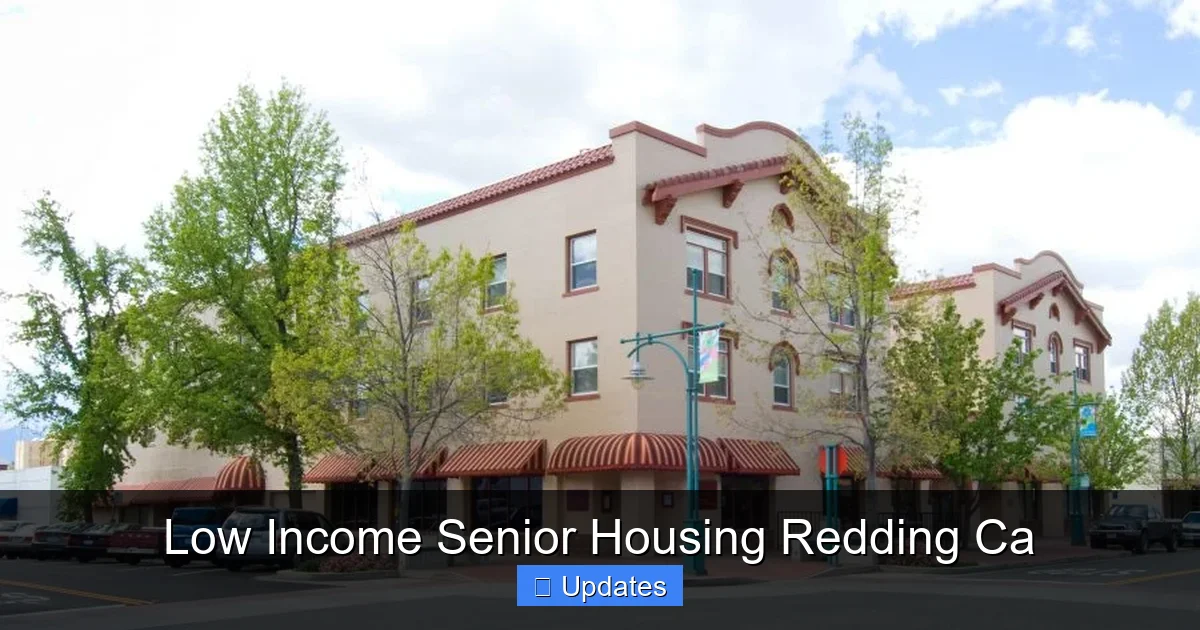
Visual guide about Low Income Senior Housing Redding Ca
Image source: lowincomehousing.us
Redding offers several types of low income senior housing, each with unique features, eligibility rules, and amenities. Understanding the differences helps you choose the best fit for your lifestyle and budget.
1. Publicly Subsidized Housing
This category includes properties funded through federal programs like Section 202 Supportive Housing for the Elderly and project-based Section 8 vouchers. Rent is typically set at 30% of the resident’s monthly income, making it extremely affordable. Units may be studio, one-bedroom, or two-bedroom layouts, often located near shopping centers, pharmacies, and public transit.
One example is the Redding Housing Authority’s senior developments, which manages several low-income apartment complexes exclusively for seniors. These sites usually have waiting lists, so being proactive is essential.
2. Nonprofit and Faith-Based Communities
Organizations like Shasta County Habitat for Humanity or local churches sometimes partner with developers to create affordable housing for seniors. These communities emphasize neighborly support, shared meals, and volunteer-driven maintenance. They often welcome pets, foster intergenerational connections, and host events tailored to older adults.
For instance, the Redwood Village Senior Apartments—a nonprofit development—offers rent assistance and on-site health screenings. Though not all units are strictly income-restricted, priority goes to those earning under 60% of AMI.
3. Veterans Affairs Supportive Housing (HUD-VASH)
Veterans aged 62 and older who served honorably may qualify for HUD-VASH, a joint program between the Department of Housing and Urban Development (HUD) and the U.S. Department of Veterans Affairs. It combines Housing Choice Voucher rental assistance with case management and clinical services. Eligible veterans receive subsidies to rent market-rate apartments, and VA providers offer counseling, mental health support, and substance abuse treatment.
If you’re a veteran in Redding, contact the Northern California VA Health Care System to begin the application process.
4. State and Local Assistance Programs
California runs its own housing initiatives, such as the Low-Income Housing Tax Credit (LIHTC) program, which incentivizes private developers to build affordable units. Many LIHTC-funded senior buildings in Redding require income verification but offer rents significantly below market rate.
Additionally, the California Department of Aging funds programs like CalAIM and Multipurpose Senior Services Program (MSSP), which help seniors stay in their homes while connecting them to housing vouchers or relocation aid if needed.
5. Congregate and Assisted Living Options
Some low income senior housing in Redding includes congregate care—meaning meals, housekeeping, and medication reminders are provided. These are ideal for those who want minimal daily chores but still prefer privacy and independence. Examples include The Gardens at Redding, which offers tiered levels of care based on individual assessments.
Always verify whether assisted services are included in the rent or billed separately. Also, check if the facility accepts Medicaid waivers or has contracts with local home health agencies.
How to Qualify for Low Income Senior Housing in Redding
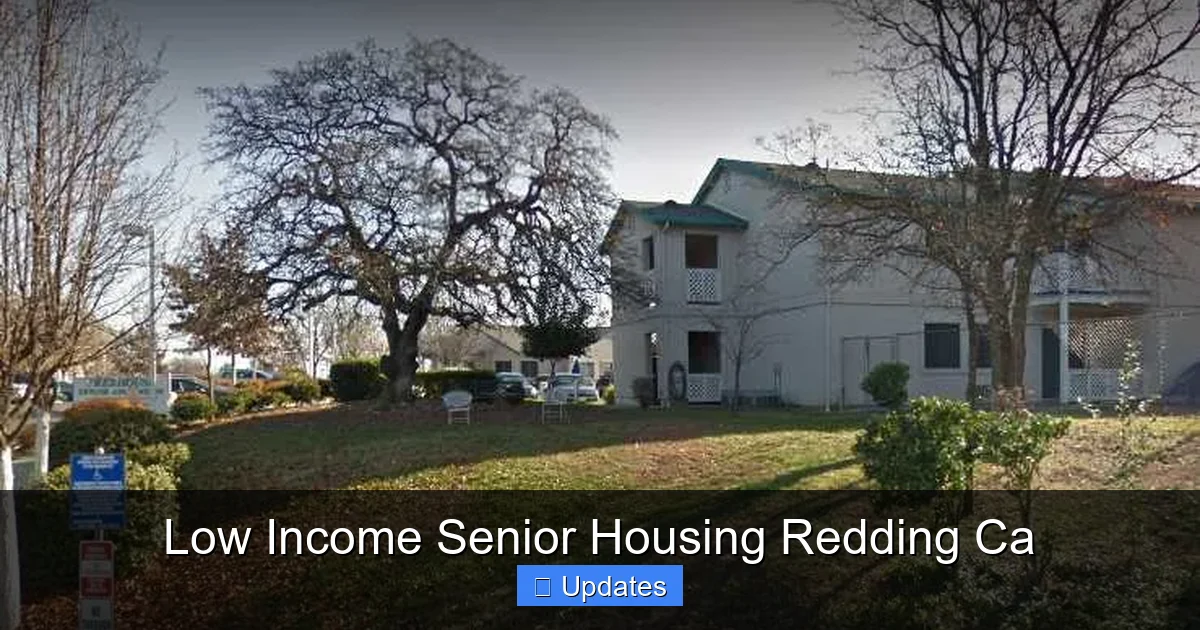
Visual guide about Low Income Senior Housing Redding Ca
Image source: lowincomehousing.us
Qualifying for low income senior housing involves meeting several criteria. While exact rules vary by property or program, here’s a general overview:
Ages Requirement
Most properties require residents to be at least 55 or 62 years old. Some developments reserve units exclusively for those over 70 or have “younger seniors” sections for active adults under 62. Always confirm the minimum age before applying.
Income Limits
Income thresholds depend on family size and are adjusted annually. In Shasta County, for a single senior, the limit is often around $35,000 per year (for 50% AMI). For households with two people, it might rise to $45,000. Remember: this includes Social Security, pensions, part-time work, and investment income—not just wages.
Residency Requirements
Applicants must be legal U.S. residents or citizens. Some programs prioritize long-term Shasta County residents, especially those displaced by natural disasters (like wildfires), which have impacted housing availability in recent years.
Background Checks and References
Like any rental, most low income senior housing requires background checks covering criminal history, eviction records, and creditworthiness. However, many programs are flexible with past issues if they’re unrelated to property damage or harassment.
Application Process Tips
– Start early. Waiting lists for popular Redding senior housing can exceed 2–5 years.
– Gather documents: ID, birth certificate, Social Security card, tax returns, bank statements, and landlord references.
– Attend informational sessions hosted by the Shasta County Senior Services Center.
– Consider working with a housing counselor—many nonprofits offer free assistance through HUD-approved agencies.
Top Low Income Senior Housing Options in Redding, CA
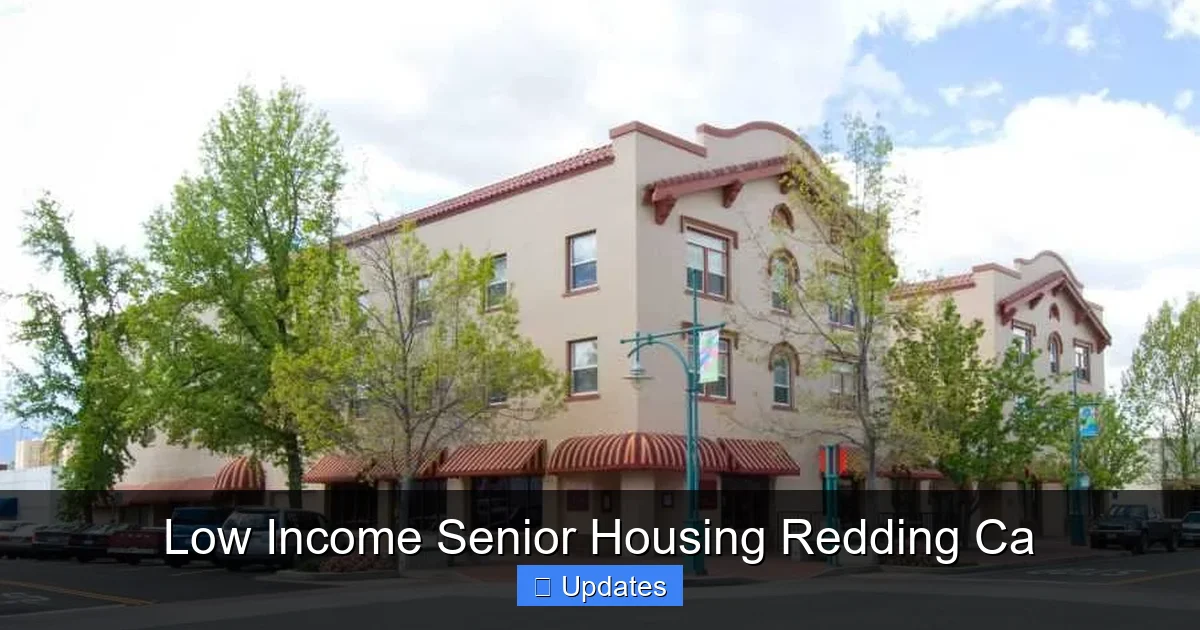
Visual guide about Low Income Senior Housing Redding Ca
Image source: publichousing.com
While Redding doesn’t have an abundance of large-scale senior housing complexes compared to urban centers, several reputable options exist. Below are some of the most accessible and well-reviewed properties:
1. Redwood Village Senior Apartments
Managed by a local nonprofit, Redwood Village offers 60 one- and two-bedroom units for seniors 55+. Rent is based on income (30% of AMI), and the community includes a dining hall, fitness room, and shuttle service to downtown Redding. On-site staff handle maintenance requests quickly, and there’s a dedicated van for medical trips.
2. Shasta Senior Housing (formerly Shasta Manor)
Located near the Shasta Regional Medical Center, this HUD-subsidized complex serves seniors 62+ with studios and efficiency units. Utilities are included in rent, and the building has elevators, emergency call buttons, and weekly housekeeping. Applications are processed through the Redding Housing Authority.
3. Veterans Square Apartments
Aimed at honorably discharged veterans, this HUD-VASH-supported development offers subsidized rents and VA-enrolled case managers. Residents get access to counseling, employment assistance, and recreational programming. Contact the Northern California VA for referral.
4. Sunrise Place
Though slightly east of Redding proper, Sunrise Place in Anderson is another viable option. This LIHTC-funded property has 48 units for seniors 55+, with income restrictions and pet-friendly policies. It features a community garden, computer lab, and partnership with Meals on Wheels.
5. Temporary Shelter + Transitional Housing
For seniors experiencing homelessness or displacement due to fire or economic hardship, the Shasta County Homeless Coalition maintains a list of transitional housing programs. These aren’t permanent, but they provide a bridge while waiting for subsidized housing approval.
Support Services and Community Resources
Affordable housing isn’t the only piece of the puzzle. Seniors in Redding often rely on additional services to maintain independence and health. Many low income senior housing communities integrate or partner with local organizations to deliver:
– **Transportation**: Free or discounted rides to doctors, grocery stores, and senior centers via Senior Express and Redding Transit.
– **Nutrition Programs**: On-site meal services or vouchers for Meals on Wheels, which delivers hot lunches five days a week.
– **Home Modifications**: Grants from the California Aging and Disability Resource Connection (ADRC) to install grab bars, ramps, or stairlifts.
– **Legal Aid**: Pro Bono clinics at the Shasta County Bar Association help with tenant rights, wills, and Medicare/Medicaid enrollment.
– **Social Engagement**: Weekly bingo nights, art classes, and faith-based gatherings reduce isolation—a major concern among rural seniors.
Pro tip: Ask your housing provider if they coordinate with Area Agency on Aging (AAA) programs. AAA offices in Shasta County can fast-track applications for housing vouchers, energy bill assistance (CARE program), and in-home support.
Common Challenges and How to Overcome Them
Despite the availability of low income senior housing in Redding, many seniors struggle to access it. Here’s how to tackle common roadblocks:
Long Waiting Lists
Solution: Apply to multiple properties simultaneously. Even if one has a 3-year wait, another might open sooner. Keep your file updated with new income changes or contact info.
Limited Awareness
Solution: Visit the Shasta County Senior Services Center at 1850 Park Street every Tuesday for a housing fair. Staff there distribute applications and answer questions in person.
Complex Paperwork
Solution: Bring a trusted friend, family member, or advocate. Many nonprofits offer free document preparation services through volunteer lawyers or social workers.
Fear of Discrimination
Solution: Know your rights. Under the Fair Housing Act, denying housing based on age (with exceptions) or disability is illegal. If you suspect bias, file a complaint with HUD within one year.
Health-Related Barriers
Solution: Request a “reasonable accommodation” if mobility issues affect your ability to climb stairs or hear announcements. Most compliant properties must adapt under ADA guidelines.
Planning Ahead: What Happens When You Outgrow Your Housing?
Even with careful planning, circumstances change. Maybe your health declines, your income drops, or a unit becomes unavailable. That’s why it’s wise to research continuum-of-care options early.
Some Redding senior housing providers guarantee priority reassignment if you need to move up in service level—from independent living to assisted care—without losing your spot on the waiting list. Others partner with nearby skilled nursing facilities or memory care communities.
If you’re currently renting privately but worried about future affordability, consider asking your landlord about Section 8 portability. This lets you take your voucher to another approved property when your lease ends.
Also, explore reverse mortgages cautiously. While they allow homeowners 62+ to borrow against equity, they come with fees and risks. Consult a HUD-approved counselor before proceeding.
Final Thoughts: You Deserve Dignity and Stability
Navigating low income senior housing in Redding CA can feel daunting, but remember—you’re not asking for charity; you’re claiming a right. Every senior deserves a safe roof, nutritious food, and meaningful connection. The fact that you’re researching options shows strength, not weakness.
Take advantage of local resources, lean on community networks, and don’t hesitate to ask for help. Whether it’s filling out forms, scheduling tours, or advocating for accessibility upgrades, your voice matters.
And if you know someone else in need? Share this guide. Information saves lives—especially when it comes to housing security.
—
Frequently Asked Questions
What is the income limit for low income senior housing in Redding, CA?
Generally, applicants must earn no more than 30% to 50% of Shasta County’s Area Median Income. For a single senior, this is usually around $35,000 annually. Exact amounts vary by program and family size.
Are there pet-friendly low income senior housing options in Redding?
Yes! Many properties, like Redwood Village and Sunrise Place, allow small pets with deposit or fee structures. Always confirm pet policies during application.
Can I apply for multiple low income senior housing programs at once?
Absolutely. Applying to several programs increases your chances. Just ensure you meet each program’s specific criteria and submit separate applications.
Is there transportation from low income senior housing to medical appointments?
Many complexes partner with local transit or offer shuttle services. Check with your housing provider about scheduled rides or discounted passes for Senior Express.
What should I do if my application is denied?
Request a written explanation. You may appeal or reapply after addressing any issues, such as updating documentation or increasing income below the threshold.
Are utilities included in low income senior housing rent?
Sometimes. Properties like Shasta Senior Housing include water, sewage, and garbage, but electricity and internet may be separate. Always clarify during application.