
Healthy Wet Food for Senior Dogs

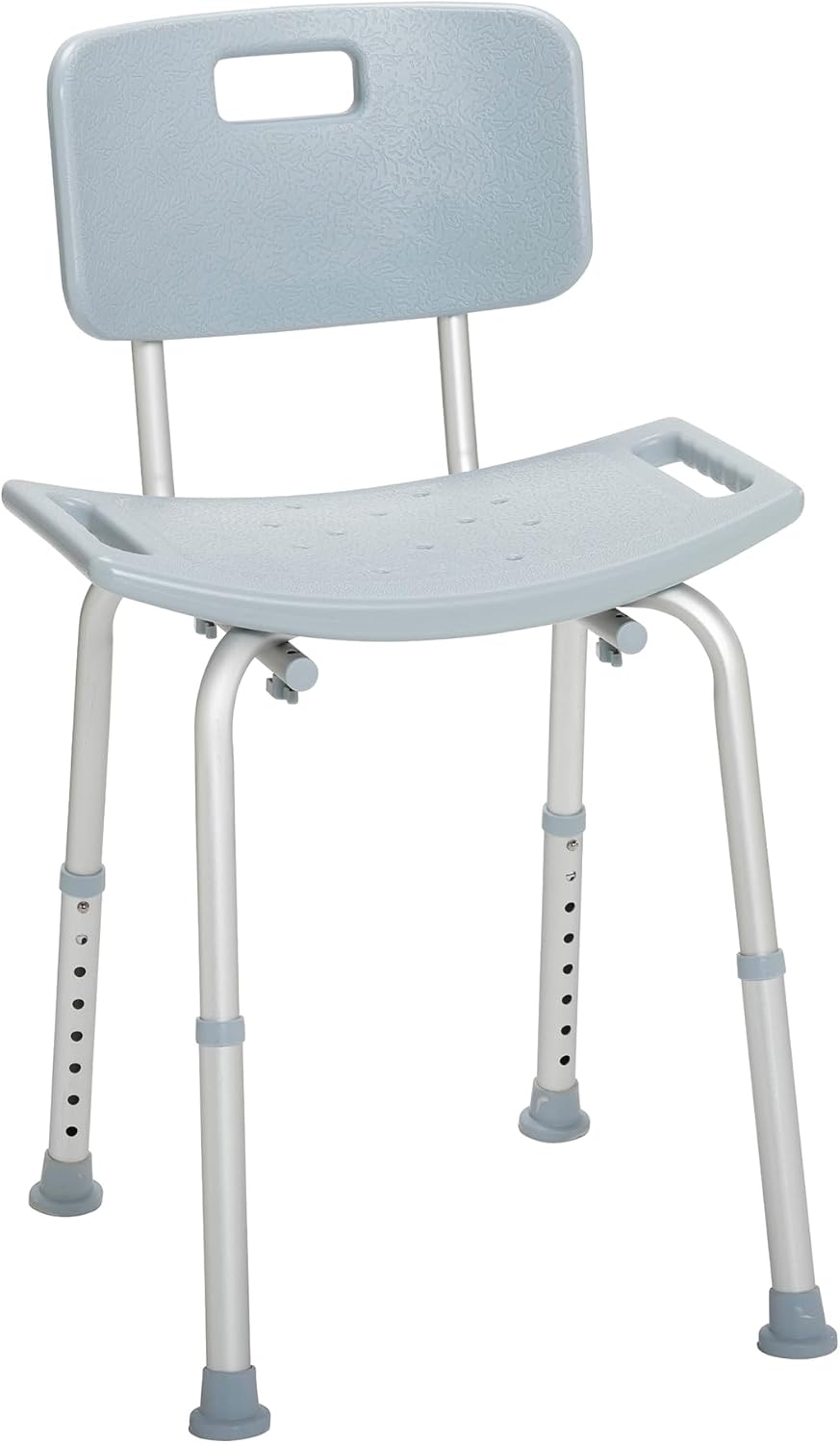
Drive Medical Shower Chair with Back

Grab Bars for Shower, 2 Pack 16 in Anti Slip Safety Bath Handle

HOMLAND Adjustable Height Shower Stool for Small Showers
Senior dogs need special nutrition to stay active and healthy. Wet food helps keep them hydrated, supports joint function, and makes eating easier—especially for dogs with dental issues. Choosing a healthy wet food for senior dogs means focusing on high-quality proteins, low sodium, and added supplements like glucosamine. This guide walks you through what to look for, top brand recommendations, and practical tips to improve your dog’s quality of life as they age.
As your dog enters their golden years, their nutritional needs begin to shift. Just like humans, senior dogs require more targeted care to stay energetic, mobile, and happy. One of the most effective ways to support their health is through a diet rich in moisture and essential nutrients—enter: healthy wet food for senior dogs. Unlike dry kibble, wet food offers higher hydration, gentler textures, and easily digestible ingredients that cater to the changing digestive systems of older pets.
But not all wet foods are created equal. With so many options on the market, it’s easy to get overwhelmed by marketing claims and confusing ingredient lists. That’s why we’re here—to cut through the noise and give you a clear roadmap for choosing the best healthy wet food for senior dogs. Whether your furry friend struggles with arthritis, has sensitive teeth, or just seems to move slower these days, the right canned or pouch food can make a world of difference.
In this comprehensive guide, we’ll explore everything you need to know about feeding your aging companion a nourishing, vet-recommended diet. From understanding key nutrients to spotting red flags on packaging, you’ll walk away confident in every bite your dog takes.
Key Takeaways
- Hydration is key: Senior dogs often drink less water, so wet food boosts moisture intake to support kidney and bladder health.
- Joint support matters: Look for foods containing glucosamine, chondroitin, or omega-3 fatty acids to ease arthritis and stiffness.
- Easy to chew and digest: Soft textures help dogs with dental problems or sensitive stomachs eat comfortably.
- Lower calorie density: Many seniors gain weight easily, so choose lower-fat options to maintain a healthy weight.
- Veterinary-approved formulas: Opt for brands designed specifically for aging dogs with balanced nutrients and fewer fillers.
- Rotate proteins wisely: Variety prevents picky eating while avoiding over-reliance on one ingredient that could trigger allergies.
- Read labels carefully: Avoid artificial preservatives, excessive sodium, and corn-based fillers in favor of whole meats and vegetables.
📑 Table of Contents
- Why Senior Dogs Need Special Nutrition
- What Makes a Wet Food Truly Healthy for Senior Dogs?
- Top Ingredients to Look For in Healthy Senior Dog Wet Food
- Common Mistakes When Feeding Senior Dogs Wet Food
- How to Transition Your Senior Dog to New Wet Food
- Special Considerations: Small Breeds vs. Large Breeds
- Homemade vs. Commercial Wet Food: Which Is Better?
- Practical Tips for Feeding Senior Dogs
- Conclusion: Invest in Your Dog’s Golden Years
Why Senior Dogs Need Special Nutrition
Just because your dog is “just getting up there in years” doesn’t mean they don’t deserve meals packed with purpose. As dogs age, several biological changes occur:
– **Metabolism slows down**, making it easier to gain weight even with the same portion size.
– **Kidney function may decline**, increasing the need for high-quality protein and controlled phosphorus.
– **Joints become stiffer**, especially in breeds prone to hip dysplasia or arthritis.
– **Dental health often deteriorates**, making hard kibble painful to chew.
– **Digestive enzymes decrease**, leading to occasional upset tummies or difficulty absorbing nutrients.
These shifts mean that generic adult dog food simply won’t cut it anymore. Instead, senior-specific formulas focus on supporting organ function, mobility, and overall vitality. And when it comes to texture and palatability, wet food rises to the occasion.
The Benefits of Wet Food Over Dry Kibble
While dry food has its place—convenience, dental scraping, and cost-effectiveness—it falls short in two critical areas for seniors: hydration and texture.
Dry kibble contains only about 10% moisture, whereas wet food delivers 70–80%. For dogs who naturally drink less water as they age (a common issue), this extra fluid supports kidney health, reduces urinary tract infections, and keeps joints lubricated. Plus, the soft consistency of wet food requires minimal chewing—ideal if your dog’s gums are inflamed or teeth are loose.
Another advantage? Wet food tends to have fewer grains and fillers. Many premium brands use real meat as the first ingredient, followed by vegetables and fruits instead of corn syrup or wheat gluten.
What Makes a Wet Food Truly Healthy for Senior Dogs?

Visual guide about Healthy Wet Food for Senior Dogs
Image source: dognerdly.com
Not every canned dog food labeled “senior” deserves a place in your pantry. Here’s how to tell the difference between a nutritious option and a marketing gimmick:
1. Real Meat First
The top three ingredients should list actual animal protein—like chicken, turkey, lamb, or salmon—not “meat meal” or “by-products.” Avoid products where the first ingredient is grain or vegetable matter.
2. Balanced Fat Content
Too little fat leads to dull coats and low energy; too much causes obesity. Aim for moderate fat levels (around 8–15%) with sources like chicken fat or fish oil for omega-3 benefits.
3. Joint-Supporting Additives
Glucosamine and chondroitin sulfate help maintain cartilage health. Omega-3 fatty acids from flaxseed or salmon oil reduce inflammation. Some formulas also include MSM (methylsulfonylmethane) for added joint comfort.
4. Low Sodium Levels
High salt content stresses kidneys. Look for foods with under 0.3% sodium on the guaranteed analysis.
5. Limited Fillers & Artificial Additives
Steer clear of artificial colors, flavors, BHA/BHT preservatives, and unnecessary grains like corn or soy. These offer little nutritional value and may trigger sensitivities.
6. Tailored Caloric Density
Many seniors need fewer calories but still crave flavor. Wet food allows portion control without sacrificing taste—perfect for managing weight.
Top Ingredients to Look For in Healthy Senior Dog Wet Food

Visual guide about Healthy Wet Food for Senior Dogs
Image source: theseniordogs.com
Choosing the right ingredients ensures your dog gets maximum benefit from every meal. Here’s what to prioritize:
Lean Proteins
Chicken, turkey, duck, and whitefish provide complete amino acid profiles without excess saturated fat. These support muscle maintenance—critical as lean mass declines with age.
Omega-3 Fatty Acids
Found in fish oil and algae, these reduce inflammation, improve skin/coat condition, and support cognitive function. Studies show they may even slow age-related brain changes.
Antioxidants
Blueberries, spinach, pumpkin, and vitamin E help combat oxidative stress linked to cellular aging. They’re especially helpful for dogs with vision or hearing loss.
Probiotics & Prebiotics
Live cultures (like Lactobacillus) and fiber sources (like chicory root) promote gut health. A happy gut equals better nutrient absorption and stronger immunity.
Controlled Minerals
Phosphorus and magnesium should be balanced to protect kidneys. Brands like Royal Canin and Hill’s Science Diet specialize in renal-supportive recipes.
Common Mistakes When Feeding Senior Dogs Wet Food

Visual guide about Healthy Wet Food for Senior Dogs
Image source: doggysaurus.com
Even well-meaning pet parents slip up sometimes. Watch out for these pitfalls:
– **Overfeeding**: Wet food is dense in calories. Use measuring spoons and follow feeding guidelines strictly.
– **Ignoring dental issues**: If your dog grinds their teeth or refuses to eat, see a vet before switching foods.
– **Switching too fast**: Sudden changes cause diarrhea. Mix old and new food gradually over 7–10 days.
– **Skipping vet checkups**: Nutritional needs change based on bloodwork results. Annual screenings inform dietary adjustments.
– **Relying solely on treats**: High-calorie snacks undermine balanced meals. Stick to vet-approved options.
One common question we hear is: *Can I feed my senior dog wet food exclusively?* The short answer: yes—but monitor weight closely. Wet food alone works great for small or underweight seniors, but larger dogs might benefit from a mix with low-calorie dry kibble.
How to Transition Your Senior Dog to New Wet Food
Changing diets shouldn’t stress your pup out. Follow this simple process:
1. **Start slowly**: Mix 25% new food with 75% current food.
2. **Watch for signs**: Lethargy, vomiting, or loose stool means go slower.
3. **Increase gradually**: After 3–5 days, bump to 50/50, then 75/25, then full switch.
4. **Monitor portions**: Adjust based on activity level and body condition score (you should feel ribs but not see them).
5. **Offer fresh water**: Always keep a clean bowl nearby—even though wet food hydrates, thirst drives remain vital.
If your dog has severe dental disease or swallowing difficulties, consult your vet before introducing any new food.
Special Considerations: Small Breeds vs. Large Breeds
Nutritional priorities differ slightly between size groups:
**Small Senior Dogs**
– Higher metabolism → need more frequent meals
– Prone to hypoglycemia → avoid long gaps between meals
– Often have fragile teeth → ultra-soft textures preferred
**Large Senior Dogs**
– Higher risk of bloat and joint strain → shallow bowls recommended
– May lose muscle mass faster → higher protein tolerance
– Benefit from anti-inflammatory ingredients
That said, both groups thrive on high-moisture, nutrient-dense wet foods. Just tailor portion sizes accordingly.
Homemade vs. Commercial Wet Food: Which Is Better?
Both approaches have pros and cons:
**Commercial Wet Food Pros**:
✔️ Formulated by veterinarians
✔️ Consistent nutrient levels
✔️ Convenient and shelf-stable until opened
✔️ Less risk of contamination
**Homemade Wet Food Pros**:
✔️ Full control over ingredients
✔️ Customizable for allergies or preferences
✔️ Freshness guaranteed
However, homemade diets require careful planning to meet AAFCO standards. Missing one mineral can cause serious deficiencies. Unless advised by a veterinary nutritionist, stick to trusted commercial brands.
That said, mixing canned food with homemade additions (like steamed sweet potato or pureed pumpkin) can enhance variety safely.
Practical Tips for Feeding Senior Dogs
Make mealtime enjoyable and stress-free:
– **Use raised bowls** if your dog has neck arthritis.
– **Serve at room temperature**—cold food smells less appealing.
– **Divide meals into smaller portions** throughout the day.
– **Add warm water** to boost aroma and hydration.
– **Rotate flavors weekly** to prevent boredom (e.g., chicken → salmon → lamb).
– **Store opened cans properly** in the fridge for up to 3 days.
And never skip breakfast! Morning meals help regulate blood sugar and keep energy steady.
Conclusion: Invest in Your Dog’s Golden Years
Choosing healthy wet food for senior dogs isn’t just about extending their lifespan—it’s about enriching each day they spend with you. By focusing on hydration, joint support, gentle digestion, and delicious flavor, you’re giving your companion the gift of comfort, mobility, and joy.
Remember: every dog ages differently. What works for one senior mutt might not suit another. When in doubt, involve your vet. Regular blood tests and body condition checks ensure your choices align with your dog’s evolving needs.
With thoughtful feeding habits and plenty of love, your furry friend’s twilight years can shine brighter than ever.
—
Frequently Asked Questions
Is wet food better than dry food for senior dogs with bad teeth?
Yes, absolutely. Wet food’s soft texture requires minimal chewing, making it ideal for dogs with dental pain or missing teeth. It also encourages eating when appetite wanes due to discomfort.
How often should I feed my senior dog wet food?
Most healthy seniors do well with two meals per day. However, small breeds or those prone to low blood sugar may benefit from three smaller meals. Always follow the feeding guide on the product label and adjust based on weight changes.
Can I give my senior dog human-grade wet food?
No. Human foods lack proper canine nutrient ratios and may contain harmful additives like onions or garlic. Stick to AAFCO-compliant pet food designed specifically for dogs.
What if my senior dog refuses to eat wet food?
Try warming it slightly, adding low-sodium broth, or mixing in a small amount of soft treats. If refusal persists beyond 24 hours, consult your vet—it could signal an underlying health issue.
Are grain-free wet foods necessary for seniors?
Not always. While some dogs benefit from grain-free diets due to allergies, many healthy seniors tolerate grains just fine. Focus instead on protein quality and avoid excessive fillers regardless of grain inclusion.
How long does unopened wet food last once opened?
Once opened, refrigerate unused portions immediately and consume within 3 days. Discard any uneaten food after that window to prevent bacterial growth.