
Dog Treats for Senior Dogs


Anti-Glare Reading Glasses

Reading Light for Bed

Cane with LED Light
Senior dogs need special care in their golden years, and choosing the right dog treats for senior dogs can make a big difference. These treats should be easy to chew, packed with nutrients, and tailored to common age-related concerns like arthritis, weight management, and sensitive digestion. In this guide, you’ll learn how to pick high-quality treats, understand ingredient lists, and even make homemade versions at home. With the right snacks, your furry friend stays active, comfortable, and joyful well into their senior years.
As our beloved canine companions grow older, their nutritional needs shift dramatically. Just like humans, senior dogs require more targeted care—especially when it comes to their diet. One of the easiest ways to support your aging pup’s health is through thoughtful snack choices. Dog treats for senior dogs aren’t just about reward; they’re an opportunity to deliver essential nutrients that combat common age-related issues like joint stiffness, dental discomfort, and sluggish metabolism.
Whether your dog is 7 or 15 (in human years), transitioning to senior-specific snacks can boost energy, improve mobility, and even strengthen the bond you share during training or playtime. But with so many options on the market, how do you know which treats are truly beneficial? This comprehensive guide walks you through everything you need to know—from understanding what makes a treat ideal for seniors to selecting the best brands and even making your own at home.
Key Takeaways
- Senior dogs benefit from treats that support joint health and mobility. Look for ingredients like glucosamine, chondroitin, and omega-3 fatty acids to help reduce inflammation and ease stiffness.
- Easier chewing is essential as teeth and gums weaken with age. Soft or dehydrated treats are often better than hard chews for older dogs with dental issues.
- Portion control is crucial to prevent obesity, a common issue in aging pets. Choose low-calorie or training-sized treats to avoid overfeeding.
- High-quality protein supports muscle maintenance in senior dogs. Aim for treats with real meat as the first ingredient to preserve lean body mass.
- Avoid treats with artificial additives, fillers, or excessive sugar. Clean labels with whole-food ingredients promote long-term wellness.
- Consult your vet before introducing new treats, especially if your dog has chronic conditions. They can recommend treats based on your pet’s specific health needs.
- Homemade treats offer full control over ingredients and texture. Simple recipes using chicken, sweet potatoes, and green beans can be both nutritious and delicious.
📑 Table of Contents
- Why Senior Dogs Need Special Treats
- What Makes a Great Dog Treat for Senior Dogs?
- Top Ingredients to Look For in Senior Dog Treats
- Best Types of Senior Dog Treats
- How to Transition Your Senior Dog to New Treats
- DIY Senior Dog Treat Recipes You Can Make at Home
- Common Mistakes to Avoid When Feeding Senior Dogs
- Conclusion: Small Treats, Big Impact
Why Senior Dogs Need Special Treats
Just because your dog is slowing down doesn’t mean they don’t deserve treats. In fact, senior dogs may need them even more. Aging affects nearly every system in the body—digestion slows, joints ache, and energy levels dip. Standard treats designed for adult dogs often contain too much fat or filler and lack the targeted support that older pets require.
For example, a treat loaded with grains or by-products offers little nutritional value and might upset a sensitive stomach. Meanwhile, a well-formulated dog treat for senior dogs includes ingredients like antioxidants for immune support, fiber for gut health, and anti-inflammatory compounds to soothe sore joints. These small adjustments can have outsized benefits, helping your furry friend stay active, comfortable, and mentally sharp.
Plus, senior dogs often eat less due to decreased appetite or dental pain. High-value treats become vital for encouraging eating while providing concentrated nutrition. Think of them as nutrient-dense supplements disguised as rewards—delicious, satisfying, and deeply beneficial.
What Makes a Great Dog Treat for Senior Dogs?
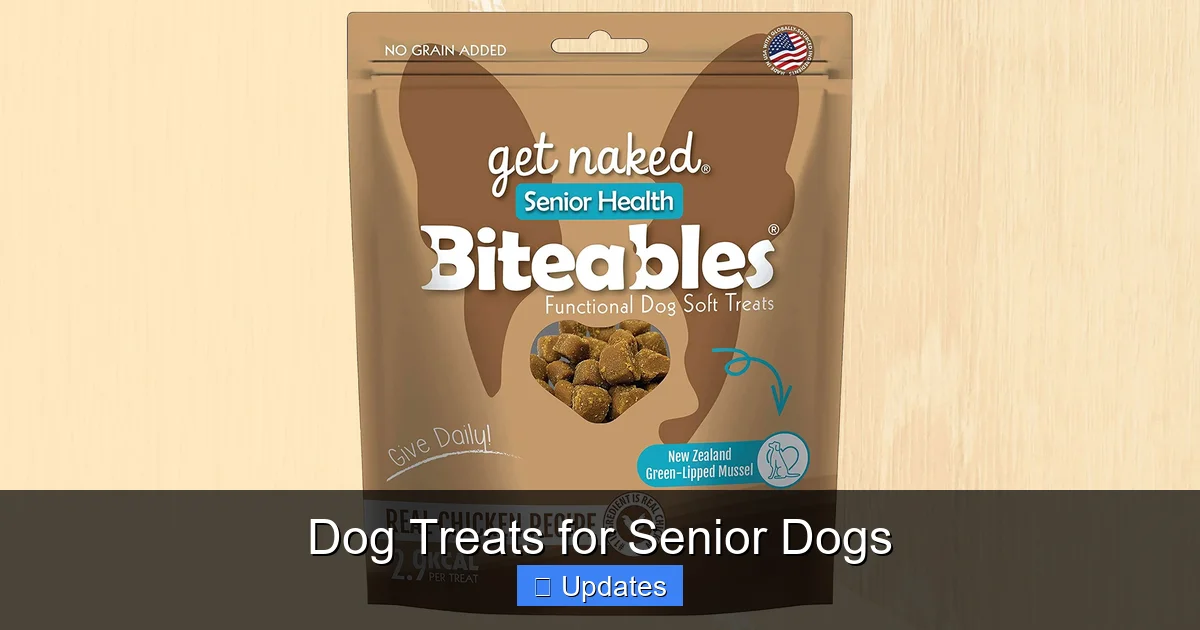
Visual guide about Dog Treats for Senior Dogs
Image source: thesprucepets.com
Not all treats are created equal—especially when it comes to senior pets. Here’s what to look for:
Nutrient-Dense Ingredients
Your senior dog’s treat should act almost like medicine in bite form. Prioritize products featuring real animal protein (chicken, salmon, lamb), whole vegetables, and beneficial fats. Avoid treats where corn syrup, soy, or unnamed “meat by-products” top the ingredient list.
Look for added nutrients like:
– Glucosamine and chondroitin for joint support
– Omega-3 fatty acids from fish oil or flaxseed
– Antioxidants such as vitamins E and C
– Prebiotics and probiotics for digestive balance
These components directly address the challenges of aging—making your dog more comfortable and mobile.
Soft Texture or Easy-to-Chew Design
Many senior dogs struggle with missing teeth, gum disease, or arthritis in the jaw. Hard treats can cause pain or even break fragile teeth. Instead, opt for soft, moist treats or those specifically labeled “easy to chew.” Some companies even offer freeze-dried liver medallions or air-dried strips that dissolve quickly without requiring intense chewing.
If your dog has no teeth at all, consider pureed treats blended with their regular food. There are also commercial options made entirely from soft gels or pâté-style textures designed for toothless pets.
Low-Calorie Without Sacrificing Flavor
Obesity is a leading health risk in older dogs. Extra weight strains joints, worsens arthritis, and increases the burden on the heart and kidneys. That’s why portion control matters—and why calorie-conscious treats matter more than ever.
Choose treats under 30 calories each, or use them only during training sessions rather than as daily snacks. Many brands now offer “training bites” or mini-treats perfect for positive reinforcement without overdoing it.
Top Ingredients to Look For in Senior Dog Treats

Visual guide about Dog Treats for Senior Dogs
Image source: thepatriotpaws.com
Understanding what’s inside the bag helps you make smarter decisions. Here are the powerhouse ingredients that support senior wellness:
Glucosamine & Chondroitin
These natural compounds help rebuild cartilage and lubricate joints. You’ll commonly find them in treats made with green-lipped mussel, chicken cartilage, or shellfish extracts. They’re especially helpful for breeds prone to hip dysplasia or those showing early signs of stiffness.
Omega-3 Fatty Acids
Found abundantly in salmon, sardines, and flaxseed, omega-3s reduce inflammation throughout the body. This means less swelling in arthritic joints, clearer skin, and even improved brain function. Look for explicit mentions of EPA and DHA—the most bioavailable forms.
Probiotics & Prebiotics
As digestion slows with age, gut health becomes critical. Probiotics introduce beneficial bacteria, while prebiotics feed them. Together, they aid nutrient absorption and reduce bloating or irregular stools. Some treats combine both in one convenient piece.
Antioxidants
Free radicals damage cells over time. Antioxidants neutralize these harmful molecules, supporting immune function and cellular repair. Blueberries, spinach, and pumpkin are excellent sources often included in premium senior treats.
Lean Protein Sources
Muscle loss (sarcopenia) is common in aging dogs. Ensuring adequate high-quality protein preserves strength and metabolic rate. Chicken breast, turkey, whitefish, and egg whites are ideal choices—avoid fatty meats like duck or beef unless clearly labeled lean.
By focusing on these key ingredients, you’re not just giving your dog a snack—you’re delivering targeted health support in every bite.
Best Types of Senior Dog Treats
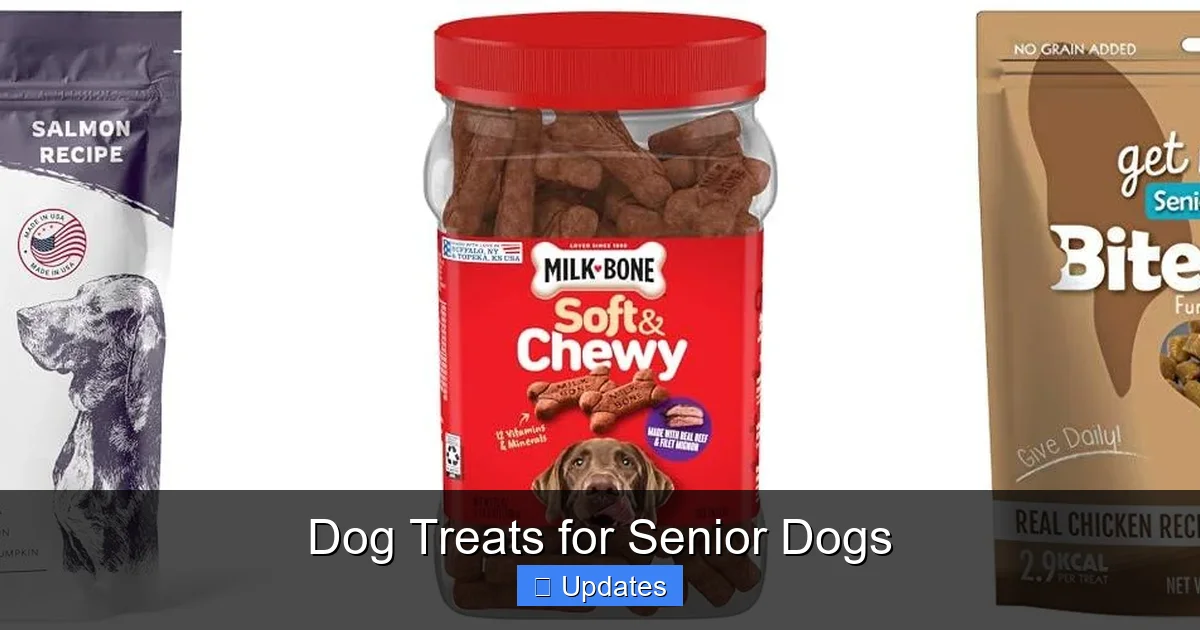
Visual guide about Dog Treats for Senior Dogs
Image source: petnobs.com
There’s no one-size-fits-all answer, but certain formats work better for different needs:
Soft & Moist Treats
Perfect for dogs with dental problems, these pliable snacks dissolve easily. Brands like Zuke’s Mini Naturals or Wellness Complete Health Soft Chews offer tender textures packed with wholesome ingredients. They’re also great for mixing into meals to entice picky eaters.
Dental Chews with Gentle Action
While aggressive chewers love hard bones, seniors often prefer softer alternatives. Look for dental treats that clean teeth gently—like those made with parsley or chlorophyll instead of abrasive textures. Products such as Greenies Senior Formula are designed specifically for mature dogs and help reduce tartar without harsh scraping.
Dehydrated or Freeze-Dried Treats
These retain most nutrients while offering a chewy yet manageable consistency. Dehydrated chicken tenders or salmon bites provide strong flavor with minimal processing. Because they’re shelf-stable and low in moisture, they won’t spoil quickly and are travel-friendly.
Pâté-Style or Pudding-Like Treats
For dogs with no teeth or severe gum disease, pureed treats mixed with water or broth make excellent options. Some companies sell ready-made pouches similar to wet cat food—convenient and highly palatable.
Training Bites
Tiny, low-calorie cubes ideal for reinforcement during obedience work. They allow frequent rewards without tipping the scale on daily caloric intake. Popular brands include SmartBones Mini Training Treats and Blue Buffalo Soft-Moist Training Pieces.
Choosing the right format ensures your senior dog enjoys every snack—without unnecessary strain or discomfort.
How to Transition Your Senior Dog to New Treats
Sudden dietary changes can upset even the calmest tummies. When introducing a new dog treat for senior dogs, follow a gradual approach:
Start by mixing a small amount of the new treat with your current snack for three to five days. Monitor for any signs of digestive upset—vomiting, diarrhea, or gas. If all goes well, slowly increase the proportion of the new treat until it fully replaces the old one.
Pay attention to texture preferences too. If your dog refuses a dry kibble-style treat but devours a soft version, go with what works. Consistency matters more than perfection—your goal is sustained enjoyment and health.
Also, rotate treat types occasionally to expose your dog to diverse flavors and nutrients. Variety prevents boredom and ensures broader nutritional coverage.
DIY Senior Dog Treat Recipes You Can Make at Home
Making treats at home gives you complete control over ingredients—and guarantees freshness. Plus, many senior dogs enjoy the novelty of homemade snacks. Here are two simple, vet-approved recipes:
Chicken & Sweet Potato Bites
Ingredients:
– 2 cups cooked, shredded chicken
– 1 cup mashed sweet potato (unsweetened)
– ½ cup oats (gluten-free if needed)
– 1 egg (optional, for binding)
Instructions:
Preheat oven to 350°F (175°C). Mix all ingredients in a bowl until combined. Drop spoonfuls onto a baking sheet lined with parchment paper. Bake for 20–25 minutes until firm. Cool completely before serving.
Salmon & Pumpkin Soft Chews
Ingredients:
– 1 cup canned salmon (boneless, skinless, drained)
– ½ cup pumpkin puree (not pie filling)
– 1 tbsp olive oil
– 1 tsp turmeric (anti-inflammatory)
Instructions:
Blend all ingredients until smooth. Spread mixture thinly on a silicone mat or parchment-lined tray. Dehydrate at 170°F (77°C) for 6–8 hours, or bake at 200°F (93°C) for 2–3 hours until slightly firm. Break into pieces.
Store homemade treats in an airtight container for up to two weeks (or freeze for longer storage). Always consult your vet before adding new foods, especially if your dog has allergies or kidney concerns.
Common Mistakes to Avoid When Feeding Senior Dogs
Even well-meaning pet parents slip up sometimes. Watch out for these pitfalls:
– **Overfeeding treats**: Remember—treats should make up no more than 10% of your dog’s total daily calories.
– **Ignoring dental health**: Hard treats may seem harmless, but they can fracture weak teeth or irritate inflamed gums.
– **Skipping vet consultations**: Chronic conditions like diabetes or kidney disease require specially formulated diets. Never self-diagnose.
– **Buying cheap, filler-heavy products**: Low-cost treats often prioritize profit over nutrition. Invest in quality—it pays off in your dog’s longevity.
– **Forgetting hydration**: Dry treats can increase thirst. Always ensure fresh water is available, especially after snacking.
Being mindful of these errors helps you maximize the benefits of every bite.
Conclusion: Small Treats, Big Impact
Your senior dog deserves treats that nourish as much as they delight. Choosing the right dog treats for senior dogs means prioritizing joint support, easy digestion, and gentle textures—all while keeping calories in check. Whether you reach for store-bought options like top-rated brands, explore soft chew varieties, or whip up a batch at home, the key is consistency and care.
Remember, these small acts of kindness compound over time. A tasty, nutritious treat isn’t just a reward—it’s a celebration of the years you’ve shared together. And when your dog wags their tail eagerly after dinner? That’s the greatest gift of all.
Frequently Asked Questions
Are all dog treats safe for senior dogs?
No. Senior dogs have unique needs—especially regarding texture, calories, and ingredients. Hard treats may harm weak teeth, while low-quality snacks can worsen digestive issues. Always choose treats formulated for mature pets.
Can I give my senior dog regular treats meant for adults?
It’s possible short-term, but not ideal long-term. Adult treats often contain excess fat or fillers that don’t support senior-specific concerns like joint health or weight management. Transitioning to senior-optimized options is safer and healthier.
How often should I give my senior dog treats?
Limit treats to about 10% of your dog’s daily caloric intake. Use them primarily for training or bonding, not as everyday snacks. If your dog is overweight, reduce frequency or switch to ultra-low-calorie options.
What if my senior dog won’t eat soft treats?
Try warming the treat slightly to enhance aroma. Mix it with a bit of warm water or low-sodium broth. You can also crumble dry kibble over soft treats to add texture. Patience and experimentation usually pay off.
Should I avoid treats if my dog has kidney disease?
Yes—with caveats. Dogs with kidney issues need very low-protein, low-phosphorus diets. Most commercial treats aren’t suitable, but some veterinary prescription lines exist. Always consult your vet before feeding any snack.
Are freeze-dried treats better than baked ones?
It depends. Freeze-drying preserves nutrients and creates irresistible flavor, but some dogs prefer the crunch of baked treats. Both can be excellent choices—just read labels carefully to ensure they meet senior-specific criteria.