
Dog Groomers for Senior Dogs


Raised Toilet Seat

Smart Doorbell Camera

Page Magnifier Sheet
Senior dogs need gentle, experienced care during grooming. As dogs age, their skin becomes more sensitive, joints stiffen, and grooming routines require extra patience. Professional dog groomers for senior dogs specialize in safe, stress-free services that support mobility, hygiene, and overall well-being. From nail trimming to full baths, these experts use low-stress techniques tailored to older pets.
As our furry companions grow older, their grooming needs evolve just as much as their diet and exercise routines do. Just like humans, senior dogs may face challenges such as thinning skin, joint stiffness, hearing loss, or cognitive decline. These changes can make traditional grooming experiences stressful—not just for the dog, but for the owner too. That’s where dog groomers for senior dogs come in. These specialized professionals understand the delicate balance between maintaining cleanliness and respecting an aging pet’s physical limitations.
Whether your golden retriever is slowing down after decades of running through fields or your tiny Chihuahua has trouble standing on slick floors, finding the right grooming approach makes all the difference. Professional groomers who focus on geriatric care bring patience, adaptability, and a deep understanding of how to keep older dogs comfortable and healthy. In this guide, we’ll walk you through everything you need to know about selecting and working with dog groomers for senior dogs, from what to expect during a visit to how to prepare your home for safer grooming sessions.
Key Takeaways
- Understanding dog groomers for senior dogs: Provides essential knowledge
📑 Table of Contents
Why Senior Dogs Need Specialized Grooming Care
Just because your dog isn’t chasing squirrels anymore doesn’t mean they should skip bath time or nail trims. In fact, regular grooming becomes even more important as dogs age. Aging brings natural physiological shifts that directly impact how grooming affects them.
One of the most noticeable changes is skin fragility. Older dogs often develop thinner, drier skin that’s prone to tearing or irritation. Harsh shampoos or aggressive brushing can lead to discomfort or even open sores. Similarly, many senior dogs suffer from arthritis or hip dysplasia, making it hard to stand still on grooming tables or tolerate loud clippers buzzing near their ears.
Another common issue is slower nail growth—but don’t assume “slow growth” means “no trimming needed.” Neglected nails can curl into paw pads (onychogryphosis), causing pain and infection. Dental health also declines with age, and some dogs lose teeth entirely. This makes oral care during grooming crucial, especially if your dog grinds their teeth due to discomfort.
Beyond physical changes, behavioral shifts occur too. Cognitive dysfunction syndrome (similar to dementia in humans) affects up to 60% of dogs over 15 years old. They might forget familiar routines, become easily startled, or resist being touched in certain areas. All these factors mean that generic grooming advice simply won’t cut it for senior pets.
The Risks of Improper Grooming
Attempting DIY grooming without proper tools or knowledge can backfire badly. For example, using human clippers on a dog’s coat can result in uneven cuts or accidental nicks. Overwashing strips natural oils, leading to dryness and flaky skin. And forcing a reluctant dog onto a table? That increases stress levels and may create negative associations with future grooming attempts.
On the flip side, skipping grooming altogether invites serious health risks. Mats in long-haired breeds trap moisture and bacteria, increasing the chance of hotspots or fungal infections. Dirty ears harbor wax buildup and yeast—both painful and hard to treat without professional extraction. Untreated dental plaque leads to gum disease, which contributes to systemic inflammation affecting organs like the heart and kidneys.
That’s why partnering with experienced dog groomers for senior dogs isn’t optional—it’s essential. These pros know how to adjust techniques, recommend suitable products, and recognize warning signs that something’s wrong beyond surface-level grooming issues.
How Often Should Senior Dogs Be Groomed?
Frequency depends on breed, coat type, lifestyle, and individual health status. Short-coated seniors like Greyhounds might only need monthly baths if they stay clean indoors, while long-haired breeds such as Cocker Spaniels may require biweekly brushing to prevent matting. Nail trims every 4–6 weeks are standard unless mobility issues cause overgrowth faster.
However, always consult your veterinarian first. Dogs with kidney disease, liver problems, or heart conditions may need shorter, gentler sessions—or even at-home maintenance only. Some arthritic pets panic when placed on high tables; alternatives include floor grooming mats or portable basins.
Remember: consistency matters more than frequency. Frequent, brief visits are far better than rare, lengthy ones that overwhelm your dog. Think of grooming as part of a holistic wellness plan—alongside nutrition, supplements, and mobility aids like dog wagons for senior dogs.
Choosing the Right Dog Groomer for Your Aging Pet

Visual guide about Dog Groomers for Senior Dogs
Image source: labradortraininghq.com
Finding a groomer who genuinely understands senior dogs takes research—but it’s worth the effort. Start by asking local veterinarians for referrals. Many clinics work closely with trusted groomers who follow medical guidelines and communicate clearly about your pet’s condition.
When interviewing candidates, ask specific questions:
– Do you have experience with geriatric or mobility-impaired dogs?
– How do you handle anxious or painful pets?
– Can you accommodate slow-moving clients or provide ground-level grooming?
– What products do you use for sensitive skin?
Avoid groomers who rush appointments, use loud equipment indiscriminately, or pressure owners into unnecessary services. Reputable professionals prioritize your dog’s comfort above all else.
What to Expect During Your First Visit
The initial session sets the tone for all future interactions. Arrive early to let your dog acclimate to the environment. Bring favorite blankets or toys to reduce anxiety. Communicate openly with the groomer about your dog’s medical history—including medications, allergies, and pain points.
Expect a thorough consultation where the groomer assesses gait, coat condition, skin integrity, and any visible lumps or discoloration. They’ll explain each step beforehand and check in frequently for signs of distress. If your dog refuses to enter the tub, they’ll likely offer sprayers or hand-washing options instead.
Red Flags to Watch For
Be cautious if a groomer:
– Refuses to modify standard procedures despite your dog’s age/condition
– Pressures you into full-service packages without discussing alternatives
– Uses aggressive restraint methods (e.g., tying down paws)
– Doesn’t clean up thoroughly afterward
These behaviors suggest poor judgment regarding senior pet safety. Trust your instincts—if anything feels off, seek another provider.
Essential Grooming Services for Senior Dogs

Visual guide about Dog Groomers for Senior Dogs
Image source: rockykanaka.com
Not every grooming service is appropriate for older dogs. Focus on what truly benefits their health and dignity:
Bathe and Dry Gently
Use warm (not hot!) water and hypoallergenic shampoos designed for mature skin. Avoid over-drying—pat rather than rub with towels. Consider air drying if your dog tolerates it. For dogs with severe arthritis, install non-slip mats and limit bath duration to 10–15 minutes max.
Nail Trimming Safely
Never cut into the quick unless absolutely necessary. Use guillotine-style clippers sparingly; scissor-type trimmers give better control near quicks. File nails smooth afterward to prevent snags. If your dog resists, try doing one paw per day until they adapt.
Ear Cleaning Without Irritation
Check ears weekly for redness, odor, or debris. Use vet-approved cleansers—never cotton swabs inside ear canals! Wipe outer flaps gently with damp gauze. Dogs with floppy ears or allergies benefit most from this routine.
Dental Hygiene Integration
Ask your groomer to inspect teeth and gums during visits. While they aren’t dentists, noticing tartar buildup or loose teeth allows you to schedule veterinary dental work promptly. At-home brushing with dog-safe toothpaste reduces plaque between vet visits.
Coat Maintenance Tailored to Age
Brushing removes dead hair and distributes natural oils. For double-coated breeds, use undercoat rakes carefully—they’re effective but can irritate sensitive skin. Trim excess fur around paws and sanitary areas to aid hygiene without removing protective layers entirely.
At-Home Grooming Tips to Complement Professional Visits
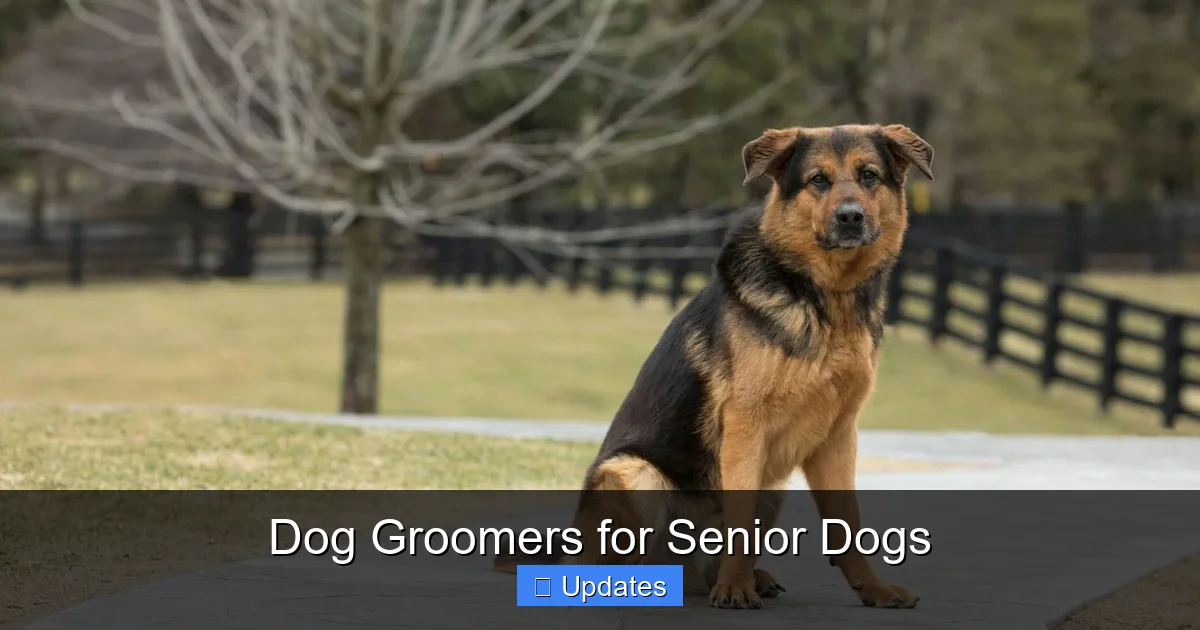
Visual guide about Dog Groomers for Senior Dogs
Image source: people.com
Many owners worry they’ll never manage full grooming alone—but small daily tasks make huge differences. Start with 5-minute brushing sessions using soft bristle brushes or rubber mitts. Reward calm behavior immediately. Gradually introduce nail files (not clippers!) once weekly.
Create a dedicated space with non-slip flooring and calming pheromone diffusers. Play soothing music during grooming times. Keep treats nearby—even offering one before clipping starts builds positive associations.
For dogs with limited mobility, invest in grooming wipes for spot-cleaning faces and paws. These eliminate odors and loosen dirt without wetting the whole body. Just ensure ingredients are safe for ingestion (avoid alcohol or harsh chemicals).
If your senior dog has no teeth or few teeth, consider switching to soft treats for senior dogs. Crunchy kibble becomes difficult to chew, but tender foods maintain nutritional needs without jaw strain. Pair this with wet food for senior dogs to boost hydration—especially important if your pet drinks less due to arthritis pain when reaching bowls.
Tools That Make At-Home Care Easier
– Non-slip grooming mats: Prevent slipping on tile or hardwood floors
– Portable bathtubs: Allow bathing in familiar rooms
– Silicone grooming gloves: Provide massage-like brushing without shedding
– Electric toothbrushes designed for pets: Effortless plaque removal
– Finger nail files: Safer than clippers for gradual trimming
Consistency beats intensity. Even five minutes daily maintains coat health better than sporadic intensive sessions.
Recognizing When Grooming Is Too Much
Sometimes, despite best efforts, professional grooming exceeds your dog’s limits. Signs include trembling, excessive panting, hiding, vocalizing fearfully, or attempting escape. If your dog consistently shows these reactions, discuss alternatives with your vet. Possible solutions include:
– Switching to partial grooming (just nails/ears/face)
– Using mobile groomers who come to your home
– Exploring medicated wipes for basic hygiene
– Considering retirement from full grooming if pain outweighs benefits
Remember: your dog’s quality of life trumps societal expectations about appearance. A slightly unkempt senior dog who enjoys peaceful days is happier than one stressed by forced grooming.
Communicating With Your Veterinarian
Always involve your vet in grooming decisions. Conditions like diabetes, Cushing’s disease, or neurological disorders alter how grooming impacts your pet. Bloodwork results from recent checkups (like those using Idexx Senior Profile for Dogs) help identify underlying issues affecting grooming tolerance.
Ask about pain management options too. Joint injections or anti-inflammatory medications prescribed pre-grooming can make sessions bearable. Nutritional support through multi vitamins for senior dogs strengthens skin and coat resilience over time.
Building Long-Term Relationships With Your Groomer
Once you find a compatible groomer, consistency pays off. Schedule regular visits aligned with your dog’s rhythm—some thrive on monthly routines, others prefer quarterly deep cleans. Share updates about health changes so the groomer adapts accordingly.
Bring along your dog’s favorite calming aids (dear scent blankets, quiet toys). Document any new sensitivities or preferences in a notebook. After each visit, note what worked well and what caused tension. Over time, you’ll build a personalized grooming protocol that honors your senior dog’s evolving needs.
And don’t forget to celebrate small victories! Praise your dog verbally and with treats after successful nail trims or ear cleanings. Positive reinforcement builds confidence and makes future grooming smoother.
—
In closing, dog groomers for senior dogs play a vital role in preserving dignity, health, and happiness for our aging companions. By choosing compassionate professionals, integrating gentle at-home practices, and staying attuned to your pet’s cues, you ensure grooming remains a joyful part of their golden years—not a dreaded ordeal. Remember, every wag of the tail, every relaxed sigh during brushing, and every confident step away from the grooming table is proof that love, patience, and expertise truly make miracles happen for senior dogs.
Frequently Asked Questions
Should I bathe my senior dog more or less often?
It depends on your dog’s activity level and coat type. Generally, short-coated seniors may need monthly baths if indoors, while long-haired breeds might require biweekly brushing to prevent mats. Always use warm water and gentle, pH-balanced shampoos designed for mature skin.
Can I groom my senior dog at home instead of going to a professional?
Yes, but start slowly. Daily brushing, nail filing (not cutting!), and ear cleaning are manageable at home. However, full grooming—especially for dogs with arthritis or cognitive decline—may be safer and less stressful with a trained professional who uses low-stress techniques.
How do I know if my senior dog is in pain during grooming?
Signs include trembling, excessive panting, attempts to flee, vocalizing fearfully, lip licking, or tucking paws tightly. If your dog shows these behaviors consistently, consult your vet before continuing grooming and consider modifying services.
Are there special shampoos for senior dogs?
Absolutely. Look for hypoallergenic, moisturizing formulas without harsh sulfates or dyes. Ingredients like oatmeal, aloe vera, or coconut oil soothe sensitive skin. Always patch-test first and rinse thoroughly to avoid residue.
What should I do if my senior dog hates the grooming table?
Try ground-level grooming using non-slip mats or portable basins. Some groomers offer chair grooming or even home visits. Never force your dog onto a table—it creates lasting anxiety. Prioritize comfort over tradition.
How can I make grooming less stressful for my anxious senior dog?
Use positive reinforcement: reward calm behavior immediately. Play soft music, diffuse calming pheromones, and keep sessions short. Introduce grooming tools gradually. Partnering with an experienced dog groomer for senior dogs who specializes in anxiety management makes a big difference.