
Canned Food for Senior Cats


Adaptive Eating Utensils

Bathroom Grab Bar Set

Anti-Slip Shower Stickers
Senior cats need special nutrition as they age, and canned food for senior cats offers vital moisture, easier digestion, and targeted nutrients. Wet food supports kidney health, reduces joint pain, and helps maintain a healthy weight in older felines. With so many options available, choosing the right formula can improve your cat’s quality of life.
Cats are masters at hiding illness. They’ve evolved to appear strong and self-sufficient so predators won’t notice weakness. This means you might not know your cat is struggling until it’s already unwell. As your furry friend enters their golden years, subtle changes in behavior, appetite, or bathroom habits can signal deeper health issues. That’s why feeding them the right food becomes even more important.
Enter canned food for senior cats—a simple yet powerful way to keep aging felines vibrant, hydrated, and happy. Unlike dry kibble, which contains up to 10% moisture, canned cat food boasts 75–80%. This extra hydration isn’t just about drinking more water; it plays a crucial role in kidney health, digestion, and overall vitality. Plus, the soft texture makes it easier for cats with dental problems or weak jaws to eat without discomfort.
But not all canned foods are created equal. Some are packed with fillers and artificial additives that offer little real benefit. Others contain high-quality protein, essential vitamins, and joint-supporting ingredients tailored specifically for older cats. In this guide, we’ll walk through everything you need to know—from understanding what “senior” really means for cats to choosing the best brands, reading labels correctly, and even transitioning your pet smoothly from dry food. By the end, you’ll feel confident selecting a canned diet that keeps your senior cat feeling young inside and out.
Key Takeaways
- Hydration is critical: Senior cats often drink less water, making canned food ideal for preventing dehydration and supporting kidney function.
- Easier to chew and digest: The soft texture of canned food helps cats with dental issues or sensitive stomachs eat more comfortably.
- Supports joint health: Look for foods rich in omega-3 fatty acids like fish oil to reduce inflammation and ease arthritis symptoms.
- Helps manage weight: Canned food has fewer calories than dry kibble per volume, helping overweight cats lose weight safely.
- Boosts nutrient absorption: Moisture-rich meals improve overall metabolism and help older cats absorb vitamins and minerals more effectively.
- Reduces urinary tract risks: High-moisture diets lower the risk of crystals and stones in the bladder—common concerns in senior cats.
- Encourages eating when appetite declines: Strong aromas and flavors in high-quality canned food can entice picky or less active seniors to eat regularly.
📑 Table of Contents
- Why Senior Cats Need Special Nutrition
- The Benefits of Canned Food for Senior Cats
- What to Look for When Choosing Canned Food for Senior Cats
- Top Brands and Products for Senior Cats
- How to Transition Your Senior Cat to Canned Food
- Practical Tips for Feeding Senior Cats
- Common Concerns About Canned Food for Senior Cats
- Final Thoughts: Investing in Your Cat’s Golden Years
Why Senior Cats Need Special Nutrition
Just like humans, cats undergo physical and metabolic changes as they age. These shifts affect how they process food, absorb nutrients, and stay healthy. Aging cats typically burn calories more slowly, reducing their energy needs but maintaining or increasing their need for certain vitamins and minerals. Their kidneys may become less efficient, making hydration even more critical. Dental wear, reduced mobility, and declining taste buds further complicate feeding challenges.
Many owners assume their cat isn’t hungry if they don’t polish off every last morsel. But this assumption is dangerous. Older cats often eat smaller amounts throughout the day—or skip meals altogether due to pain or nausea. Without intervention, this can lead to malnutrition, muscle loss (sarcopenia), and weakened immunity. Canned food addresses these concerns head-on by offering:
– Higher moisture content, which supports urinary tract and kidney health
– Softer textures, ideal for cats with missing teeth or gum disease
– More palatable flavors, encouraging consumption when appetite wanes
– Targeted nutrient profiles, such as antioxidants for cognitive support or glucosamine for joints
Think of canned food as a nutritional lifeline for aging cats. It doesn’t replace medical treatment, but it complements it beautifully—especially when paired with regular vet checkups and a gentle exercise routine.
The Benefits of Canned Food for Senior Cats
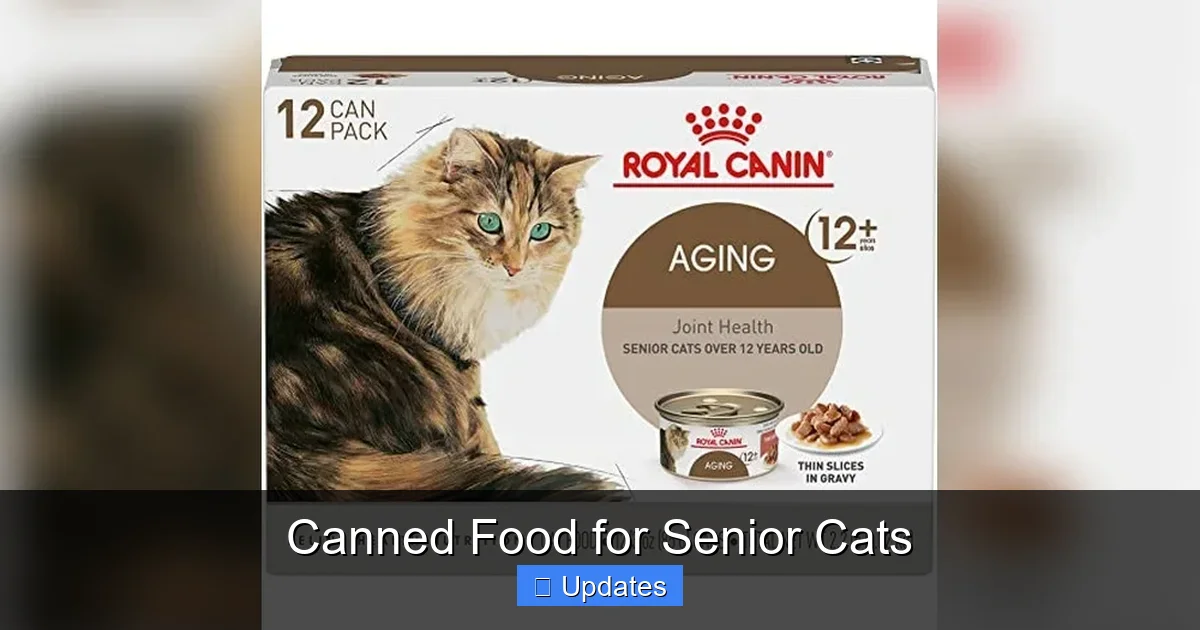
Visual guide about Canned Food for Senior Cats
Image source: dogfoodspace.com
When you switch your cat to canned food, especially one formulated for seniors, you’re doing far more than filling their bowl. You’re giving them a chance to thrive despite the natural wear-and-tear of time. Let’s break down the top advantages:
Improved Hydration
Water is life—for both people and pets. Yet many cats, particularly indoor ones, don’t drink enough on their own. Dehydration raises the risk of chronic kidney disease, bladder infections, and constipation. Canned food solves this by providing most of its volume as liquid. For example, a 3-ounce can of senior cat food delivers roughly 2½ ounces of water—more than double what dry kibble provides per serving. Over time, this consistent hydration flushes toxins from the kidneys and keeps urine diluted, reducing crystal formation.
Better Digestion and Gut Health
As cats age, their digestive enzymes decline. This means food moves through their system slower, sometimes causing bloating, gas, or irregular stools. The high moisture and softer consistency of canned food make it gentler on the stomach. It’s also easier to chew, which prevents choking or regurgitation in cats with dental pain. Additionally, many senior formulas include prebiotics (like chicory root) or probiotics to balance gut bacteria—key for immune function and nutrient uptake.
Weight Management Made Easier
Obesity accelerates arthritis, diabetes, and heart disease in older cats. However, losing weight is tough when your pet has low energy and prefers sitting over playing. Canned food helps because it’s calorie-dense relative to its volume. A half-cup of premium canned food packs more nutrition than the same amount of dry kibble, meaning you can feed less while still meeting dietary needs. Just be mindful not to overfeed—measure portions carefully using a kitchen scale for accuracy.
Stronger Immune System Support
Seniors face higher infection risks due to weaker immunity. Foods rich in vitamin E, beta-carotene, and omega-3s act as natural defenders. Look for brands that list specific sources like salmon oil or flaxseed, not vague terms like “fish meal.” Antioxidants also protect brain cells, potentially slowing cognitive decline—a concern many cat parents worry about after age seven.
Enhanced Palatability
Ever notice how a new can of tuna suddenly makes your cat forget about their usual chicken dinner? That’s because wet food leverages strong smells and flavors that appeal directly to a cat’s highly developed sense of smell. As taste buds fade with age, aroma becomes even more important. High-quality canned foods use real meat, seafood, or poultry as first ingredients—not byproducts or unnamed “meals.” This ensures your cat gets satisfying meals that encourage regular eating habits.
Urinary Tract Protection
Bladder health plummets in older cats. Struvite crystals and feline idiopathic cystitis (FIC) are common culprits, often triggered by concentrated urine. Canned food naturally dilutes urine thanks to its moisture content. Pair this with diets designed to maintain a slightly acidic pH (like those containing cranberries or specific mineral blends), and you’re creating a hostile environment for crystal growth. Always consult your vet before switching formulas if your cat has a history of UTIs.
Comfort During Chewing Difficulties
If your cat grinds their teeth or drops food while eating, dental issues could be the cause. Missing molars, inflamed gums, or oral tumors make chewing painful. Soft canned food eliminates this barrier. Even cats with full dentition enjoy the ease of swallowing pâté or shreds without effort. Some brands even offer “lickable” varieties (think pate in tubes) for maximum convenience.
What to Look for When Choosing Canned Food for Senior Cats
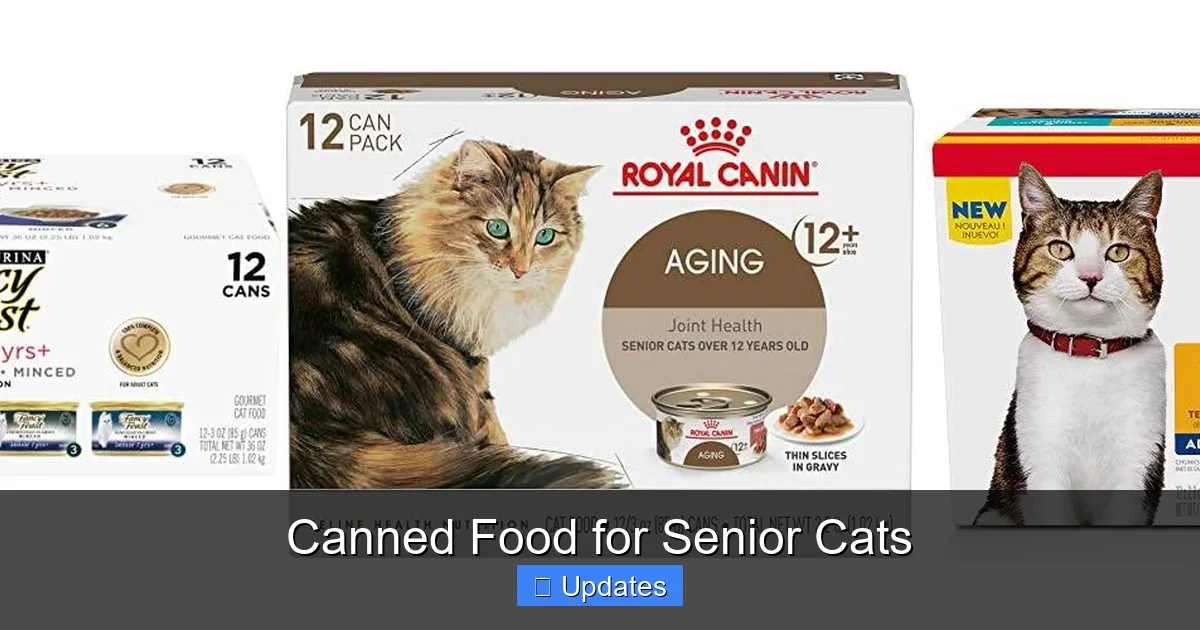
Visual guide about Canned Food for Senior Cats
Image source: getpopnplay.com
Not every canned food marketed as “senior” delivers real value. The term is unregulated, so manufacturers can slap it on products without meaningful formulation changes. To avoid disappointment, focus on these red flags and must-haves:
Avoid Fillers and Byproducts
Top-tier canned food lists whole animal proteins first—chicken, turkey, salmon, or beef—not “meat by-products” or “animal digest.” These latter terms hide low-quality tissue, including hooves, feathers, and intestines, which offer little nutritional benefit. Also steer clear of corn, wheat, soy, and artificial colors/flavors. While not always harmful, they add empty calories and may trigger sensitivities in some cats.
Check Protein Content
Protein maintains muscle mass, repairs tissues, and fuels organs—all vital for aging cats. Aim for foods with at least 10% protein minimum, though many premium brands hit 15–20%. Note: “High protein” isn’t always better. Cats with kidney disease need moderate protein intake, so discuss this with your vet if applicable.
Moisture Matters
While all canned food is moist, consistency varies. Pâté-style foods (smooth and spreadable) are easiest to swallow; gravy-based options (looser) appeal to picky eaters. Shreds-in-gravy offer a middle ground. Whichever you choose, ensure the label lists water or broth as an ingredient—not just “gravy” without specification.
Joint-Supporting Ingredients
Arthritis affects nearly two-thirds of cats over 10 years old. Glucosamine and chondroitin sulfate (found in cartilage extracts) help rebuild joint cartilage. Omega-3 fatty acids (EPA/DHA from fish oil) reduce inflammation. Some formulas also include green-lipped mussel extract—a natural anti-inflammatory powerhouse.
Low Sodium Levels
Too much salt stresses kidneys. Ideal canned foods contain under 0.2% sodium. Read labels carefully; some economy brands sneak in excess salt to enhance flavor artificially.
No Artificial Additives
BHA, BHT, ethoxyquin, and carrageenan are preservatives linked to digestive upset and cancer concerns. Opt for foods preserved naturally with vitamin E (mixed tocopherols) or rosemary extract.
Balanced Minerals
Calcium-to-phosphorus ratios should be close to 1:1 for optimal bone health. Excess phosphorus strains kidneys, while too little causes softening of bones (osteomalacia).
Realistic Claims
Be skeptical of promises like “cures arthritis” or “reverses kidney disease.” No food can undo organ damage, but supportive nutrition slows progression and improves comfort.
By focusing on these criteria, you’ll narrow down hundreds of options to those truly designed for feline seniors.
Top Brands and Products for Senior Cats
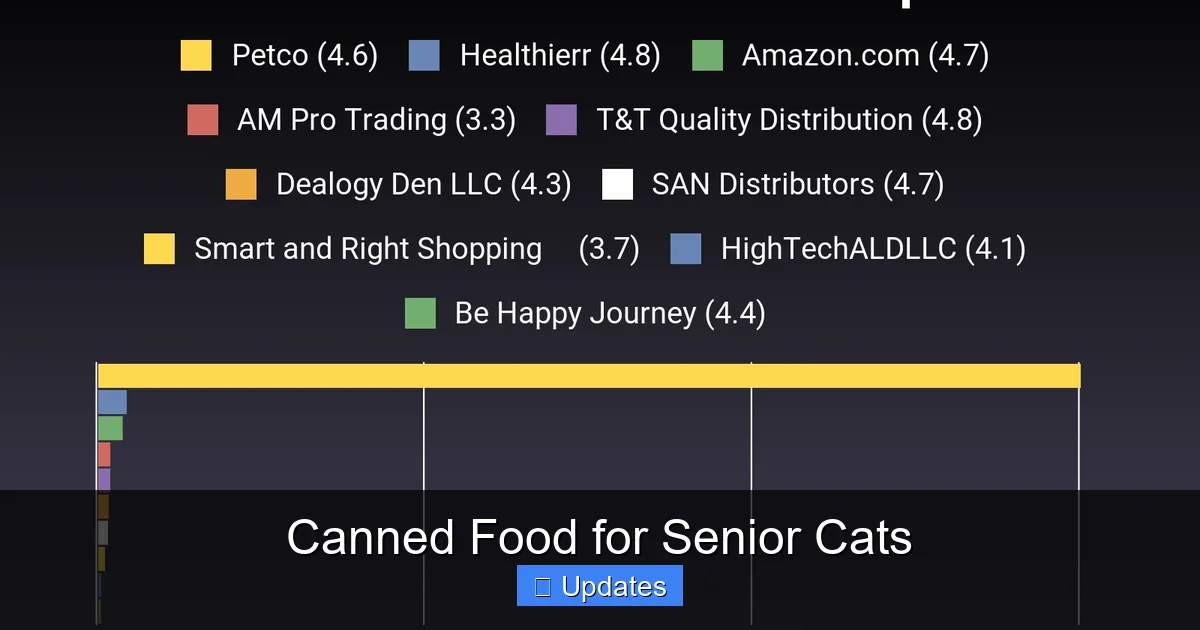
Visual guide about Canned Food for Senior Cats
Image source: cherrypicksreviews.com
Choosing a brand doesn’t guarantee quality—but it’s a helpful starting point. Below are reputable manufacturers known for senior-specific formulations:
– Wellness Complete Health Senior Cat Formula: Contains L-carnitine for lean muscle, taurine for heart health, and omegas for skin/coat. Uses chicken, whitefish, and salmon as primary ingredients. Free from grains and artificial additives.
– Royal Canin Veterinary Diet Renal Support: Prescription-only but worth mentioning for cats with kidney disease. Highly palatable and clinically proven to support renal function.
– Nutro Ultra Senior Adult Wet Cat Food: Offers six-flavor variety pack with real chicken, lamb, or salmon. Includes superfoods like kale and blueberries for antioxidant boost.
– Purina Pro Plan Focus Senior Wet Cat Food: Features duck or salmon as first ingredients. Fortified with probiotics for digestion and DHA for brain health.
– Blue Buffalo Wilderness Senior Chicken Recipe: Grain-free option with deboned chicken, sweet potatoes, and peas. Includes LifeSource Bits—a blend of antioxidants and vitamins.
Always rotate flavors occasionally to prevent boredom, but stick to one formula long-term unless advised otherwise by your vet. Sudden switches can upset sensitive stomachs.
How to Transition Your Senior Cat to Canned Food
Switching diets abruptly causes vomiting, diarrhea, or refusal to eat. Follow this gradual plan over 7–10 days:
Day 1–2: Mix ¼ canned food into existing dry kibble
Day 3–4: Increase to ½ canned, ½ dry
Day 5–6: Use ¾ canned, ¼ dry
Day 7+: Serve 100% canned food
Monitor stool consistency and appetite closely. If your cat rejects the new mix, try warming the food slightly (never microwave—it kills beneficial enzymes). Offer small, frequent meals instead of one large portion. Keep fresh water nearby at all times.
Some cats resist change stubbornly. In those cases, try hand-feeding or placing food near their favorite resting spot. Never force-feed; trust will return once they associate the new food with comfort and satisfaction.
Practical Tips for Feeding Senior Cats
Beyond choosing the right canned food, small lifestyle tweaks make a big difference:
– Serve meals at room temperature: Cold food loses aroma, making it less appealing. Warm gently in hot water for 30 seconds.
– Use shallow bowls: Deep dishes strain neck muscles and discourage eating.
– Add water or low-sodium broth: Enhance moisture and flavor without compromising nutrition.
– Limit treats: Reserve snacks for training only; excess calories sabotage weight goals.
– Weigh weekly: Track trends, not daily fluctuations. Sudden weight loss warrants immediate vet attention.
– Store cans properly: Once opened, refrigerate leftovers and use within 3–4 days. Don’t freeze unless specified by the brand.
Remember, consistency builds trust. Feed at the same times daily, in the same location, with minimal distractions.
Common Concerns About Canned Food for Senior Cats
Despite its benefits, some owners hesitate to adopt canned food. Here’s how to address typical worries:
“Won’t my cat get fat on wet food?”
It’s a myth! Canned food’s density means you actually feed less volume for the same nutrition. Portion control remains key, but overfeeding is rare compared to dry food, where cats graze all day.
“My cat hates wet food.”
Start slow, experiment with textures (pâté vs. shreds), and introduce new flavors gradually. Many cats adapt once they realize it’s delicious!
“Isn’t dry food cheaper?”
Yes, but cost-per-nutrient matters more. High-quality canned food delivers superior hydration and fewer fillers, reducing long-term veterinary bills from preventable diseases.
“My senior cat has kidney disease. Should I avoid protein?”
Not necessarily. Modern veterinary nutrition shows controlled protein levels (not restricted) support kidney function when paired with high moisture. Talk to your vet about prescription diets like Royal Canin Renal or Hill’s k/d.
Final Thoughts: Investing in Your Cat’s Golden Years
Your senior cat deserves comfort, dignity, and joy in their twilight years. Canned food isn’t just another feeding option—it’s a tool to combat dehydration, ease pain, preserve independence, and strengthen your bond. By prioritizing moisture-rich, nutrient-packed meals, you’re saying, “I see you, I care, and I’m here for you.”
Don’t wait for a crisis to act. Begin exploring canned food options now, even if your cat seems fine. Prevention beats treatment every time. And when in doubt, consult your veterinarian—they’re your best ally in crafting a personalized plan for your furry companion.
With love, patience, and the right diet, your senior cat can enjoy their later years with energy, curiosity, and purrs of contentment. After all, every moment counts when you’ve shared a lifetime together.
Frequently Asked Questions
What age is considered senior for cats?
Most veterinarians define senior status as age 7 and above for domestic cats. Large breeds may enter senior phase earlier (around 5–6 years), while small breeds remain middle-aged longer. Regular vet visits help monitor health milestones.
Can senior cats eat regular adult cat food instead of senior-specific formulas?
While possible, senior-specific foods offer optimized nutrition for aging bodies. They typically have adjusted protein/fat ratios, added joint supplements, and lower sodium. If your cat is healthy and active, switching isn’t urgent—but consider it as they approach 7.
How much canned food should a senior cat eat per day?
Portion depends on weight, activity level, and health conditions. Generally, 1/2 to 1 cup per 5–10 pounds body weight daily, split into 1–2 meals. Always follow label guidelines and adjust based on your cat’s response. Weigh weekly to track trends.
Is pâté or shreds better for senior cats with dental issues?
Pâté is usually easier to swallow and chew, making it ideal for cats with missing teeth or gum sensitivity. Shreds-in-gravy offer texture variety and may stimulate appetite more strongly. Observe your cat’s preference and comfort level.
Should I mix canned food with dry kibble for my senior cat?
Mixing isn’t necessary and may reduce moisture intake if dry food dominates. However, some cats transition better this way temporarily. Ultimately, aim for 100% canned food to maximize hydration and nutrient benefits.
Are homemade diets safer than commercial canned food for senior cats?
Homemade meals require careful balancing of proteins, fats, vitamins, and minerals to meet AAFCO standards. Without expert guidance, they risk deficiencies or excesses. Commercial senior formulas are rigorously tested and convenient—ideal for most owners. Consult a veterinary nutritionist if pursuing DIY recipes.