
Ayodhya Darshan for Senior Citizens


Toilet Seat Bidet Attachment

Bathtub Transfer Bench

Audiobook Player
Ayodhya Darshan for senior citizens offers a deeply meaningful pilgrimage experience, combining spiritual fulfillment with thoughtful planning. With special assistance, accessible facilities, and senior-friendly services, this journey becomes safe, comfortable, and memorable for older travelers. From medical support to transportation options, every detail is designed to honor both faith and well-being.
Key Takeaways
- Accessible Infrastructure: Ayodhya has improved its infrastructure specifically for elderly pilgrims, including ramps, elevators, and reserved seating near key temples.
- Medical Support Available: On-site medical camps and trained staff provide immediate assistance during darshan, especially important for seniors with chronic conditions.
- Group Tours Designed for Seniors: Many travel agencies offer slow-paced, senior-focused Ayodhya tours with rest breaks and flexible schedules.
- Accommodation Options: Comfortable, wheelchair-accessible hotels and guesthouses near Hanuman Garhi and Ram Janmabhoomi reduce walking distances.
- Transportation Assistance: Special buses and pickup services from railway stations or airports make reaching Ayodhya easier for those with mobility challenges.
- Cultural and Spiritual Engagement: Senior citizens often find renewed purpose in visiting sacred sites like Ram Mandir, enhancing mental well-being.
- Community and Fellowship: Group darshan fosters social connection among peers, reducing isolation and enriching the spiritual experience.
📑 Table of Contents
- The Sacred Journey Begins: Why Ayodhya Matters to Senior Citizens
- Planning Your Ayodhya Pilgrimage: A Step-by-Step Guide
- Accessibility and Facilities for Elderly Pilgrims
- Health and Safety Considerations
- Senior-Centric Tour Packages and Services
- Cultural Experiences That Enrich the Soul
- Making Memories: Practical Tips for a Smooth Darshan
- Conclusion: A Journey of Faith, Comfort, and Connection
The Sacred Journey Begins: Why Ayodhya Matters to Senior Citizens
Pilgrimage has always been more than a physical journey—it’s a soulful return to roots, a quiet conversation with history, and a moment of peace in the heart of faith. For senior citizens, visiting Ayodhya isn’t just about seeing a holy city; it’s about reconnecting with beliefs, memories, and a sense of purpose. The city of Lord Rama’s birthplace holds deep emotional and spiritual significance, offering not only religious fulfillment but also a chance to reflect on life, legacy, and legacy itself.
Today, thanks to improved infrastructure and thoughtful tourism planning, Ayodhya Darshan for senior citizens is safer, smoother, and deeply rewarding. Whether you’re traveling solo, with family, or as part of a group, the experience can be tailored to your comfort, pace, and health needs. In this guide, we’ll walk you through everything you need—from booking tips to accessibility features—so your journey becomes a cherished memory rather than a stressful ordeal.
Planning Your Ayodhya Pilgrimage: A Step-by-Step Guide
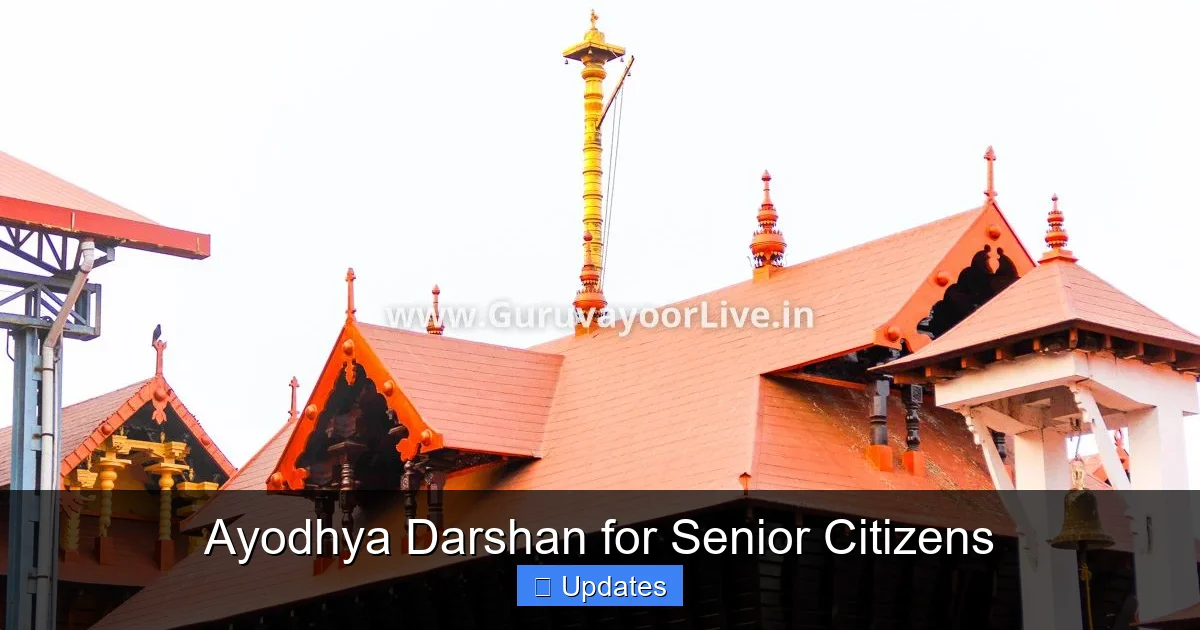
Visual guide about Ayodhya Darshan for Senior Citizens
Image source: guruvayoorlive.in
Best Time to Visit Ayodhya for Seniors
Choosing the right season makes all the difference. The ideal time for Ayodhya Darshan for senior citizens is between October and March. During these months, the weather is pleasant—cool mornings and warm afternoons—making long walks and outdoor rituals more enjoyable. Avoid summer (April–June) when temperatures soar above 40°C, which can be dangerous for those with heart or respiratory issues.
Winter months also mean fewer crowds compared to festive seasons like Diwali or Ram Navami, allowing for quieter darshan experiences. If you’re planning a visit around a major festival, book accommodations early and consider joining guided senior citizen tours that include rest stops and cooling zones.
Booking Accommodations Near Key Sites
Staying close to major attractions reduces unnecessary travel and fatigue. Look for hotels or guesthouses within 1–2 km of Ram Janmabhoomi, Hanuman Garhi, and Treta Ke Thakura. Many now offer senior-friendly rooms with grab bars, non-slip flooring, and easy access to bathrooms.
For added convenience, choose places with complimentary breakfast and 24-hour front desk service. Some hotels even provide shuttle services to temple entrances. You might also consider homestays run by local families who understand the needs of elderly guests and can offer personalized care.
Travel Arrangements: Getting There and Around
Ayodhya Railway Station is well-connected to Delhi, Varanasi, and Lucknow. From the station, you can take pre-paid taxis or request hotel pickups. For air travelers, Ayodhya Airport (Jabalpur route via charter) or nearby Gwalior or Prayagraj airports are options—though most opt for trains due to reliability and affordability.
Once in the city, use auto-rickshaws or battery-operated e-rickshaws instead of regular vehicles if walking is difficult. Many religious sites now have dedicated drop-off points for seniors, minimizing exposure to traffic.
Accessibility and Facilities for Elderly Pilgrims
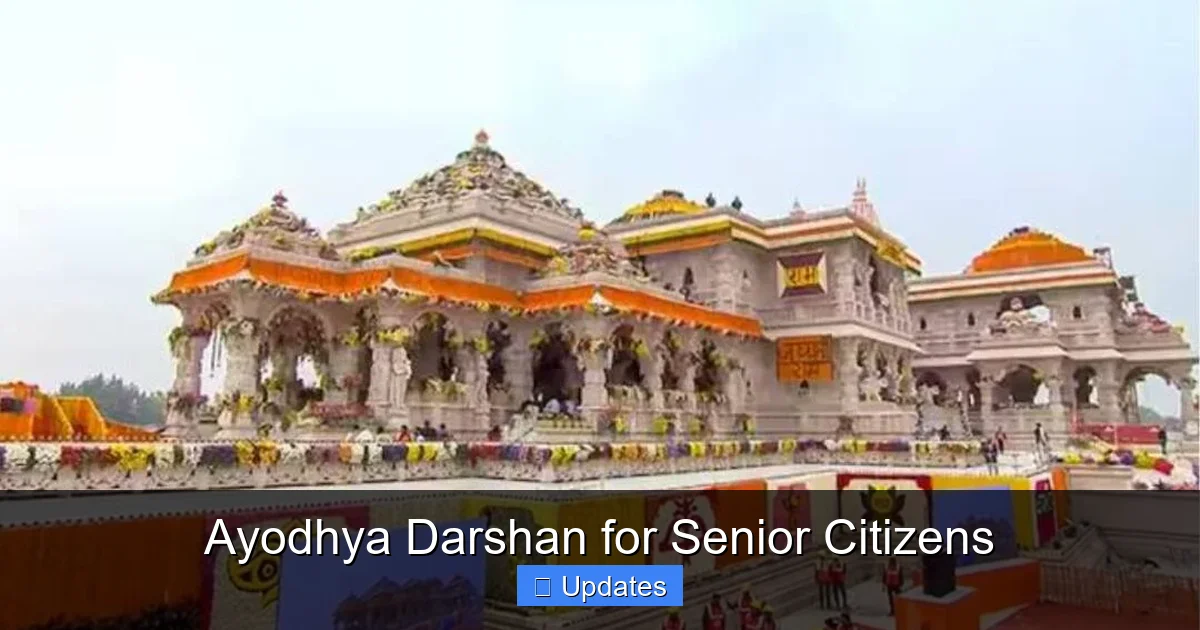
Visual guide about Ayodhya Darshan for Senior Citizens
Image source: feeds.abplive.com
Ram Janmabhoomi: Senior-Friendly Entry and Viewing Areas
The newly built Ram Mandir is a marvel of modern architecture—and accessibility design. Reserved entry gates for senior citizens and differently-abled individuals allow faster passage without long queues. Inside, wide corridors, handrails, and resting benches are placed at regular intervals.
Elevators connect all floors, and volunteers assist with mobility devices. The sanctum sanctorum is designed so even those in wheelchairs can approach closely. Audio guides in multiple languages help those with hearing difficulties follow the rituals comfortably.
Hanuman Garhi Temple: Climbing Made Easier
Hanuman Garhi, perched on a hill, is one of the most revered spots in Ayodhya. Traditionally climbed via 765 steps, the path now includes escalators and a gently sloping ramp alongside the staircase. These additions make Ayodhya Darshan for senior citizens possible for almost everyone, regardless of fitness level.
Rest areas with shaded seating and drinking water fountains are spaced every 50 meters. Local authorities also offer free porter services—just ask at the entrance—where young volunteers carry bags and assist with the climb.
Treta Ke Thakura and Other Heritage Sites
Other historical locations like Treta Ke Thakura, Sita Ki Rasoi, and Kanak Bhavan are mostly flat and well-maintained. Wheelchair access has been introduced at select points, though some narrow lanes remain. Opt for morning visits when the heat is mild and footfall light.
Many sites now have information boards in large fonts and Braille, supporting visual impairments. Don’t hesitate to request a printed map or audio description from site staff.
Health and Safety Considerations

Visual guide about Ayodhya Darshan for Senior Citizens
Image source: static.tnn.in
Medical Camps and First Aid Stations
Safety is paramount. Several medical camps operate daily near major temples, staffed by doctors, nurses, and paramedics. They carry basic emergency kits, oxygen cylinders, and ECG machines. Most accept insurance cards and issue bills for reimbursement later.
If you have diabetes, hypertension, or cardiac conditions, inform the camp staff upon arrival. They can monitor vitals and advise on hydration and rest. Carry your medications in original packaging and keep a list of dosages handy.
Hydration and Sun Protection Tips
Even in winter, Ayodhya can get hot during afternoon hours. Always carry a reusable water bottle—many temples have refill stations. Wear breathable cotton clothes, wide-brimmed hats, and UV-blocking sunglasses.
Apply sunscreen generously before stepping out. Staying hydrated prevents dizziness and heatstroke, especially for those over 70. Sip water slowly every 15–20 minutes, even if you don’t feel thirsty.
Emergency Contacts and Insurance Coverage
Keep a list of emergency numbers: police (100), ambulance (108), and nearest hospital (Faizabad District Hospital, 5 km away). Save them in your phone and write them down in your notebook too.
Ensure your health insurance covers domestic pilgrimage. Some policies offer cashless hospitalization at network hospitals in Ayodhya. International travelers should verify coverage before departure.
Senior-Centric Tour Packages and Services
Guided Tours Tailored for Older Adults
Several tour operators now specialize in senior-friendly Ayodhya packages. These include:
– Slow-paced itineraries with 2–3 hours of sightseeing per day
– Rest periods between sites
– Inclusion of meals and refreshments
– Transportation in climate-controlled vehicles
– Trained guides who speak English/Hindi and understand elder care needs
Companies like Yatra.com, MakeMyTrip, and local Ayodhya tourism boards offer such services. Read reviews from other seniors before booking.
Group Travel: Benefits of Joining Fellow Pilgrims
Traveling with a group of similar-aged friends or relatives adds joy and security. Shared stories, mutual help during climbs, and collective prayers create bonds that last beyond the trip. Many community centers and churches organize senior groups for Ayodhya darshan annually.
These groups often negotiate better rates with hotels and transport providers. Plus, having someone to lean on emotionally makes the experience richer.
Customized Itineraries Based on Health Conditions
Not all seniors are equally mobile. Some may need oxygen support or frequent rests. Work with your tour operator to design a personalized plan. For example:
– Include only flat routes if knee problems limit movement
– Schedule evening visits when energy dips occur
– Add cultural shows or garden strolls as low-intensity alternatives
Flexibility turns a rigid schedule into a joyful adventure.
Cultural Experiences That Enrich the Soul
Morning Aarti and Evening Pooja
Participating in daily rituals connects you directly with centuries-old traditions. Morning aarti at Ram Janmabhoomi begins at sunrise—quiet, reverent, and crowd-free. Evening pooja offers music, chants, and a sense of community.
Sit near the back if standing for long isn’t comfortable. Volunteers often help position chairs or cushions. Even silent observation brings peace.
Boating on the Sarayu River
A short boat ride along the Sarayu River is relaxing and scenic. Operators provide life jackets and seated options. Glide past ancient ghats while listening to soft devotional songs—perfect for reflection.
This activity is gentle on joints and ideal for those avoiding stairs or uneven paths.
Local Cuisine: Tasting Ayodhya’s Flavors Safely
Try local sweets like “Anarsa” and “Khasta Kachori,” but stick to hygienic vendors near temples. Avoid roadside stalls if you have sensitive digestion. Drink only filtered or bottled water.
Most hotels serve familiar Indian dishes adapted to Western tastes—ask for softer textures if needed.
Making Memories: Practical Tips for a Smooth Darshan
Packing Essentials for Comfort
Bring:
– Lightweight walking shoes with good grip
– Layered clothing (jackets for cool evenings)
– Compression socks to improve circulation
– Portable fan or neck cooler
– Small backpack for water, medicines, and tissues
Avoid loose jewelry that could snag on railings. Keep valuables in hotel lockers.
Dignity-First Etiquette at Religious Sites
Respect local customs: remove footwear before entering temples, cover shoulders and knees, and avoid loud conversations. Use quiet voices and turn off phone ringtones.
If you need help—like sitting down—don’t hesitate to ask volunteers or security personnel. They’re there to assist, not judge.
Photography and Documentation
Capture moments, but stay present. Use burst mode sparingly and focus on faces and expressions rather than endless selfies. Share photos with family afterward—it strengthens connections back home.
Many temples allow photography inside, but check signage first. Flash is usually prohibited near idols.
Connecting Home: Sharing Your Experience
After returning, journal your thoughts or record voice notes. Share highlights with grandchildren—they’ll treasure hearing about your spiritual journey. Consider writing a blog or posting on social media using hashtags like #AyodhyaDarshan or #SeniorPilgrimage.
This keeps the joy alive and inspires others.
Conclusion: A Journey of Faith, Comfort, and Connection
Ayodhya Darshan for senior citizens is no longer a dream deferred—it’s a reality made possible by compassion, technology, and thoughtful planning. Today’s elders can tread the same sacred ground as their ancestors did, not in pain or fear, but in dignity and joy. Every ramp, every rest bench, every smiling volunteer is a testament to society’s growing awareness of our aging population’s needs.
Whether you seek healing, closure, or simply a deeper bond with your heritage, Ayodhya welcomes you with open arms. And with the right preparation—health checks, accessible routes, supportive companions—the journey becomes as fulfilling as the destination itself.
Remember: age doesn’t diminish faith; it often deepens it. So pack your bags, consult your doctor, and step forward into a pilgrimage that honors both your body and your spirit.
—
Frequently Asked Questions
Is it safe for senior citizens to visit Ayodhya?
Yes, Ayodhya is very safe for elderly pilgrims today. The city has enhanced security, medical support, and accessibility features like ramps and elevators at major temples. Still, carrying a list of emergency contacts and medications is wise.
Are there discounts for senior citizens in Ayodhya?
While no universal senior discount exists across all shops or restaurants, many temples offer free darshan for elderly visitors. Some tour operators provide reduced rates for group bookings of seniors over 60.
How far is Ram Janmabhoomi from accommodation centers?
Most recommended hotels and guesthouses are within 1–2 kilometers of Ram Janmabhoomi. Walking distance varies, but battery-operated rickshaws or hotel shuttles make short trips easy even for those with limited mobility.
Can senior citizens use wheelchairs in Ayodhya temples?
Absolutely. Ram Janmabhoomi and Hanuman Garhi have wheelchair-accessible pathways, elevators, and reserved viewing areas. Volunteers often assist with boarding and navigation.
What vaccinations are required for Ayodhya darshan?
No special vaccinations are mandatory. However, ensure routine immunizations like tetanus and hepatitis B are up to date. Consult your physician before travel, especially if you have chronic conditions.
Are there vegetarian meal options available for seniors?
Yes, Ayodhya is predominantly vegetarian, and most eateries cater to dietary preferences. Hotels and temple food counters offer soft-textured, easily digestible meals suitable for older adults with dental or digestive concerns.