
Top-rated Senior Living Communities with Active Intergenerational Programs.


Book Holder Stand

Talking Clock

Smart Health Watch for Seniors
Intergenerational programs in senior living are transforming aging by creating meaningful connections between seniors and younger residents. These innovative communities offer enriching activities, emotional support, and lifelong learning—proving that age is just a number when you have purpose and community.
In an era where aging populations face increasing isolation, forward-thinking senior living communities are redefining what it means to grow older. One of the most powerful trends reshaping this landscape is the rise of active intergenerational programs. These aren’t just occasional visits from local schools or volunteer groups—they’re deeply embedded, thoughtfully designed experiences that bring together seniors and younger generations in meaningful, reciprocal relationships.
Imagine a retired teacher sharing stories with preschoolers during story hour, or a grandmother helping elementary students build robots in the makerspace. Now picture that happening every week—not as a novelty, but as a core part of daily life. That’s the reality at some of today’s top-rated senior living communities. They’ve realized that connection across generations isn’t just nice—it’s essential for healthy, joyful aging.
What makes these communities truly exceptional? It’s not just the programs themselves, but how they’re woven into the fabric of resident life. From shared gardens and art classes to academic tutoring and technology mentoring, intergenerational engagement becomes a cornerstone of wellness, belonging, and purpose. And families love it—because when you know your parent is laughing, learning, and making a difference with kids, peace of mind follows naturally.
Let’s explore why these communities stand out, what types of programs thrive there, and how you can find one that fits your loved one’s needs.
Key Takeaways
- Intergenerational programs boost mental and emotional health: Studies show seniors involved in cross-generational activities experience reduced loneliness and improved cognitive function.
- Top communities integrate daily programming: From school partnerships to shared gardens, these programs become part of everyday life—not just special events.
- Active aging thrives on connection: Residents benefit from mentorship roles, storytelling, and collaborative projects that give them purpose.
- Families value the transparency: Knowing their loved ones are engaged with youth builds trust in community leadership and care models.
- These communities stand out in reviews: Families consistently rate high for engagement, culture, and emotional well-being—key factors in choosing a home.
- Programs support holistic wellness: Physical, social, and intellectual stimulation combine to create a vibrant, fulfilling lifestyle.
- Investment in intergenerational design pays off: Communities with strong programs see higher occupancy and lower staff turnover.
📑 Table of Contents
Why Intergenerational Programs Matter in Senior Living
The shift toward intergenerational living reflects a broader understanding: aging doesn’t mean withdrawal. In fact, research consistently shows that seniors who stay socially connected—especially with younger people—experience better mental health, longer independence, and even slower cognitive decline. But traditional senior living often falls short here. Many focus only on physical safety or medical support, overlooking the emotional and psychological dimensions of aging.
Enter intergenerational programming. These initiatives break down generational silos and create spaces where knowledge flows both ways. Seniors aren’t just passive recipients; they’re mentors, historians, artists, and role models. Meanwhile, younger participants gain empathy, patience, and real-world insights from those who’ve lived through decades of change.
Take, for example, St. Mary’s Commons in Portland, Oregon. Their “Wisdom & Wonder” program pairs residents with kindergarteners for weekly storytelling sessions. The result? Seniors report feeling more valued and alert, while teachers say their students become more engaged and compassionate learners. It’s a win-win rooted in genuine human connection.
Moreover, such programs reduce stigma around aging. When children see grandparents reading books or cooking meals, they internalize respect for elders—a cultural shift that starts early. For seniors, knowing they’re still contributing shapes identity beyond retirement. They’re no longer “just” parents or grandparents; they’re storytellers, advisors, and creative collaborators.
Communities that prioritize this model also attract families seeking more than just a place to live. Parents want assurance that their loved ones will thrive emotionally and socially. That’s where intergenerational programs deliver real value—and why they frequently appear in top reviews and recommendation lists.
Top-Rated Communities Leading the Way
Visual guide about Top-rated Senior Living Communities with Active Intergenerational Programs.
Image source: moradaseniorliving.com
Not all senior living communities offer robust intergenerational programs—but the best do, and they’re getting noticed. Based on resident satisfaction surveys, third-party ratings (like those from U.S. News & World Report), and community innovation awards, several standouts shine in this space.
One leader is The Villages at Carondelet in Tucson, Arizona. This not-for-profit community partners regularly with local elementary schools for “Grandparent Day,” where seniors lead hands-on science experiments and help with classroom projects. They’ve also launched a digital literacy initiative where teens teach seniors how to video-call grandchildren or use tablets for online banking. The feedback? Over 90% of residents say they feel “more connected to the wider world” thanks to these efforts.
Another gem is Brookdale’s Pine Grove Village in Maryland. Brookdale has long championed intergenerational engagement, and Pine Grove exemplifies that commitment. Their “Life Stories Project” invites college students to interview residents about their careers, travels, and family histories—then turn those narratives into audio recordings or illustrated books. Not only does this preserve personal legacies, but it gives seniors a sense of legacy-making that transcends time.
Then there’s Aspire at Lakewood Ranch in Florida, which hosts monthly “Generations Together” festivals featuring multicultural performances, cooking demos, and craft workshops open to both residents and neighborhood youth. Their on-site preschool—run collaboratively with the senior campus—means toddlers and octogenarians share nap times, snack breaks, and even music circles. This seamless integration fosters natural bonds that feel organic, not forced.
What ties these communities together? A few key traits:
– Strong partnerships with local schools, universities, and nonprofits
– Dedicated staff trained in cross-generational facilitation
– Spaces designed for mixed-age interaction (think multipurpose lounges and outdoor gathering areas)
– Ongoing evaluation of program impact on resident well-being
If you’re researching options, look for communities that don’t just mention “intergenerational activities”—ask for specific examples, schedule tours during scheduled events, and talk to current residents about how these programs affect their days.
Types of Intergenerational Programs That Thrive
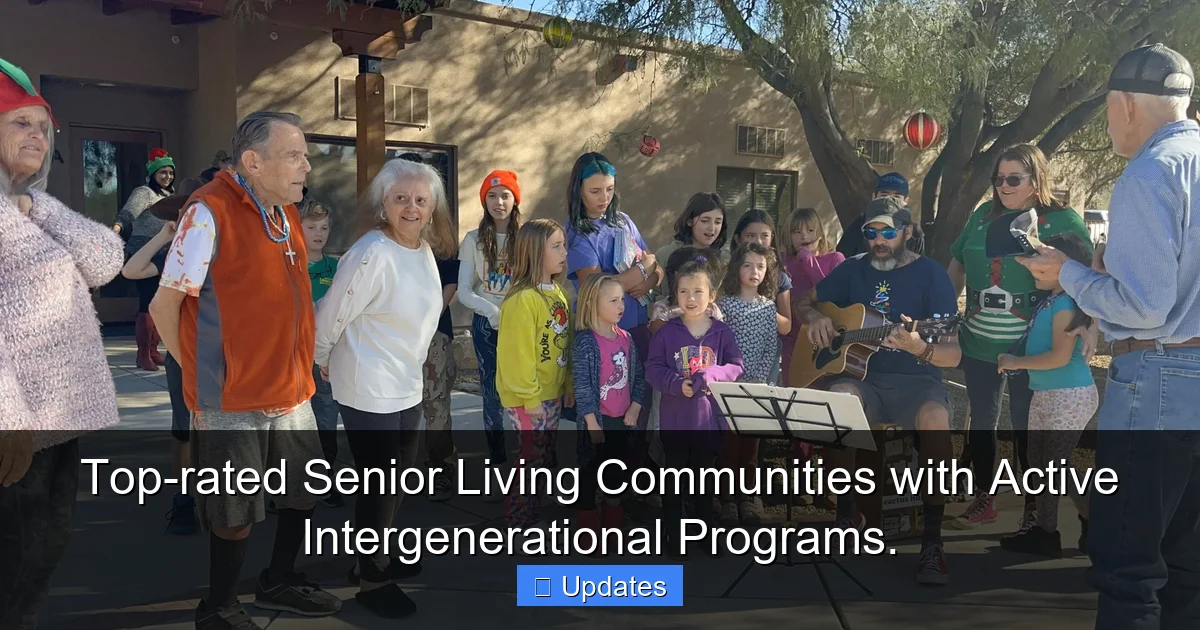
Visual guide about Top-rated Senior Living Communities with Active Intergenerational Programs.
Image source: parkseniorvillas.com
So what exactly happens when intergenerational programming works well? It varies—but effective models tend to fall into a few categories. Understanding these can help you evaluate whether a community offers what matters most to your family.
Educational Mentorship & Tutoring
Many top communities host regular tutoring sessions where seniors assist children with reading, math, or homework. At Sunrise Senior Living’s Cambridge location, volunteers from nearby middle schools work alongside residents to run after-school study clubs. Seniors often take pride in seeing kids improve—and many residents admit they rediscover their love for teaching.
Creative Arts Collaborations
Art opens doors across ages. Communities like Arbor Terrace Coconut Creek organize joint painting sessions, choir rehearsals, and poetry slams between seniors and local high school students. One standout project involved seniors designing greeting cards for nursing home patients—guided by art students’ modern techniques. The result? Beautiful cards that bridged emotional gaps and sparked conversations about aging.
Technology & Innovation Labs
Digital divides shrink when seniors and youth team up. Brightview Senior Living communities across multiple states run “Tech Buddies” programs where teens teach seniors how to use smartphones, navigate apps, or stream videos. In return, seniors share analog wisdom—like handwriting letters or teaching patience in fast-paced tech environments.
Gardening & Sustainability Projects
Shared green spaces are natural meeting grounds. Harmony at Eastside in Virginia maintains a community garden where seniors plant vegetables while fourth graders learn about ecosystems. Composting workshops, harvest festivals, and seed-saving activities turn gardening into a living classroom for all ages.
Health & Wellness Initiatives
Some communities blend fitness with mentorship. The Reserve at Lake Ridge offers yoga classes led jointly by seniors and physical therapy students—combining gentle movement with peer support. Others host walking groups where teens accompany seniors on neighborhood strolls, chatting about everything from music to memes.
Each of these models emphasizes reciprocity. Yes, seniors receive companionship and mental stimulation. But equally important, they give back—whether through wisdom, skill-sharing, or sheer presence. That balance is what sustains long-term participation and deepens relationships.
How to Evaluate a Community’s Intergenerational Offerings
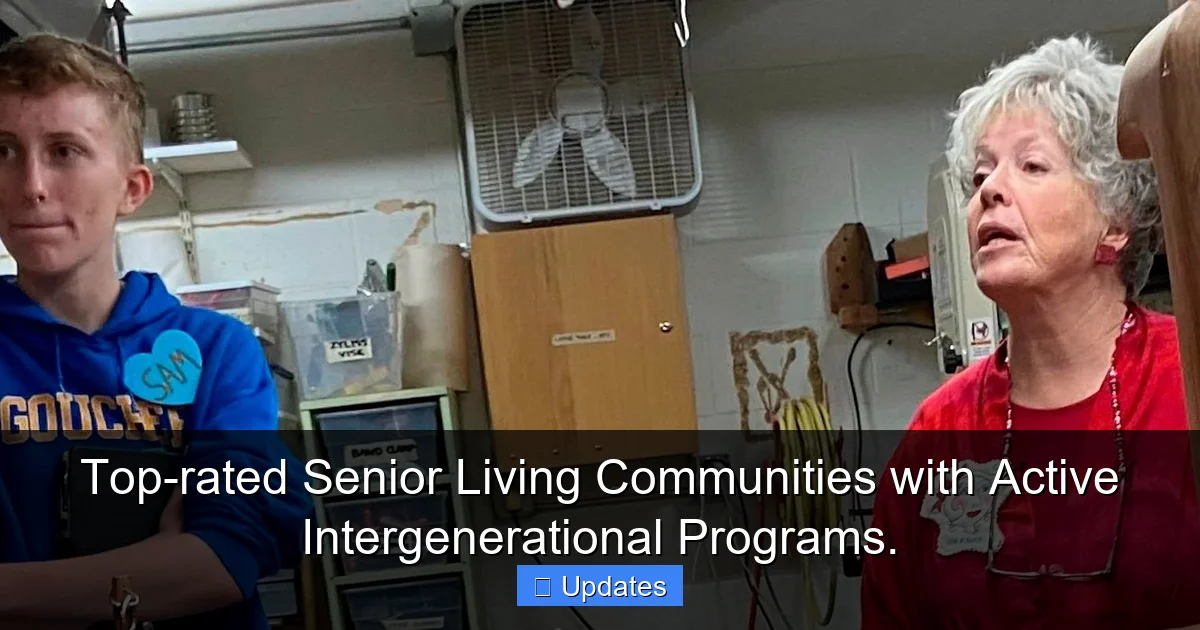
Visual guide about Top-rated Senior Living Communities with Active Intergenerational Programs.
Image source: edenwaldexpansion.org
Choosing the right senior living community is personal—and intergenerational programming should align with your loved one’s interests and values. Here’s how to assess whether a place lives up to its claims:
Start by asking direct questions during tours:
– “Can I sit in on a typical intergenerational activity?”
– “How often do local schools or youth groups visit?”
– “Are residents encouraged to participate in planning these programs?”
– “What kind of training do staff receive to support mixed-age interactions?”
Also observe the environment. Are hallways lively with posters from recent events? Do common areas feel welcoming to children? Is there visible signage inviting families to join activities?
Don’t rely solely on marketing brochures. Look for third-party reviews mentioning “community spirit,” “resident engagement,” or “youth partnerships.” Sites like Caring.com or A Place for Mom often highlight intergenerational features in detailed resident testimonials.
Finally, consider timing. If your parent loves music but hates crowds, a busy festival might overwhelm them. Seek communities that offer options—not just one-size-fits-all programming. Flexibility ensures everyone finds something meaningful.
Benefits Beyond Social Connection
While emotional well-being is front and center, intergenerational programs deliver surprising secondary benefits. For instance, they enhance a community’s reputation and retention rates. Prospective families increasingly view isolation as a red flag—and actively avoid places without vibrant social offerings. Communities with strong intergenerational ties report faster move-ins and fewer vacancies.
Staff also benefit. Working in an environment buzzing with cross-generational energy reduces burnout. Nurses and aides often share heartfelt stories about how kids brighten residents’ days—making caregiving feel more rewarding.
Economically, these programs can lower operational costs. Shared facilities (like libraries or kitchens) serve dual purposes, maximizing resource use. Volunteer networks reduce staffing needs for certain activities. And grant funding becomes easier to secure—many foundations now prioritize intergenerational projects.
Most importantly, residents enjoy richer lives. One study published in *The Gerontologist* found that seniors in intergenerational settings scored higher on measures of life satisfaction and perceived social support than peers in traditional communities. They also demonstrated greater resilience during transitions, like moving to assisted living or coping with loss.
It’s clear: intergenerational programming isn’t a trend—it’s a transformation. And the communities leading the way are setting new standards for what aging can be: engaging, purposeful, and full of joy.
Building a Future Where Generations Thrive Together
As our society grows older, the question isn’t whether we’ll need more senior living communities—it’s how we’ll design them to reflect the dignity, contribution, and humanity of every generation. Top-rated communities with active intergenerational programs already answer this call. They prove that aging gracefully includes staying curious, generous, and connected.
For families navigating this journey, the message is simple: look beyond square footage and meal plans. Seek out places where your loved one won’t just survive their golden years—but flourish among friends of all ages. Whether it’s reading aloud to toddlers, teaching origami to teens, or simply sharing coffee with neighbors, these moments matter deeply.
And for communities still building or updating their models? Start small. Partner with one local school. Host a monthly book club open to all ages. Create a suggestion box for resident-led ideas. Momentum builds quickly when people see real impact.
Ultimately, the future of senior living isn’t about slowing down—it’s about speeding up the parts that make life worth living: laughter, learning, love, and legacy. With intergenerational programs at the helm, that future looks brighter than ever.
Frequently Asked Questions
What makes intergenerational programs so beneficial for seniors?
Intergenerational programs reduce loneliness, boost cognitive function, and provide purpose by connecting seniors with younger generations. Activities like tutoring, art projects, and shared meals create meaningful relationships that enhance emotional and mental well-being.
Are these programs suitable for all seniors, including those with mobility issues?
Yes—many top communities adapt programs to include residents with varying abilities. Seated storytelling, virtual mentoring, and sensory-friendly crafts ensure everyone can participate meaningfully.
How do I find a senior living community with strong intergenerational offerings?
Ask during tours if you can observe ongoing activities, request details about partner organizations, and read resident reviews mentioning youth involvement. Websites like Caring.com often highlight intergenerational features in community profiles.
Do intergenerational programs require extra fees?
Most communities include basic intergenerational activities in base pricing. Special events or external partnerships may occasionally incur nominal charges—but these are usually minimal and transparently communicated upfront.
Can my parent join even if they’re new to the community?
Absolutely. New residents are typically welcomed into existing programs immediately. Staff often assign “buddies” or introduce newcomers to current participants to ease the transition.
What if my family lives far away—can we still benefit from these programs?
Yes! Many communities livestream events, maintain photo albums, or share video recordings of intergenerational activities. Some even connect families virtually through storytelling apps or online book clubs.