
Paul Laurence Dunbar Senior Complex


Handheld Shower Head

Adjustable Walker with Wheels

Portable Wheelchair
The Paul Laurence Dunbar Senior Complex is a welcoming residential facility located in St. Paul, Minnesota, designed specifically for older adults seeking affordable, safe, and supportive housing. This complex not only provides comfortable living spaces but also fosters a sense of community through social programs, wellness initiatives, and accessible amenities. Residents benefit from proximity to healthcare, public transit, and cultural landmarks, making it an ideal choice for seniors who value independence with support.
Key Takeaways
- Affordable Housing Options: The Paul Laurence Dunbar Senior Complex offers subsidized units tailored for low- to moderate-income seniors, helping reduce monthly housing costs.
- Community-Centered Living: Residents enjoy organized events, group outings, and communal spaces that encourage interaction and reduce isolation.
- Accessibility & Safety: The facility is designed with accessibility in mind, featuring wide doorways, grab bars, emergency call systems, and secure entrances.
- Proximity to Services: Located near medical centers, grocery stores, and public transportation, the complex supports daily needs with convenience.
- Supportive Staff: On-site management and support staff are available to assist with maintenance, resident concerns, and coordination of external services.
- Wellness Programs: Fitness classes, health screenings, and nutritional guidance help residents maintain physical and mental well-being.
- Historical Significance: Named after renowned African American poet Paul Laurence Dunbar, the complex honors cultural heritage while serving modern senior needs.
📑 Table of Contents
- Introduction: A Haven for Seniors in St. Paul
- History and Naming of the Complex
- Types of Units Available
- Resident Amenities and Common Areas
- Services and Support Systems
- Location Advantages and Neighborhood Access
- Application Process and Eligibility
- Costs and Financial Assistance
- Success Stories and Resident Experiences
- Conclusion: More Than Just Housing
Introduction: A Haven for Seniors in St. Paul
Nestled in the heart of St. Paul, Minnesota, the Paul Laurence Dunbar Senior Complex stands as more than just a place to live—it’s a community built around dignity, comfort, and connection. Designed with the unique needs of older adults in mind, this residential complex blends affordability with thoughtful design, creating an environment where residents can thrive. Whether you’re exploring options for yourself or a loved one, understanding what makes this complex special is key to finding the right fit.
What sets the Paul Laurence Dunbar Senior Complex apart is its commitment to honoring both practical needs and emotional well-being. From secure, accessible apartments to engaging social programming, every detail is crafted to support independence while offering peace of mind. And with its name inspired by Paul Laurence Dunbar—a celebrated African American poet whose work resonated deeply during the late 19th and early 20th centuries—the building carries a legacy of resilience and creativity. Today, that legacy lives on in the daily lives of residents who call this place home.
If you’re considering senior housing in St. Paul, MN, the Dunbar Complex represents a meaningful option worth exploring. It’s not just about having a roof over your head; it’s about belonging, safety, and access to resources that enhance quality of life. Let’s dive deeper into what this complex has to offer.
History and Naming of the Complex
Honoring Cultural Heritage
The Paul Laurence Dunbar Senior Complex is named after one of America’s most influential poets, whose contributions to literature continue to inspire generations. Born in 1872 in Ohio, Dunbar broke barriers as an African American writer at a time when representation was rare. His poems often explored themes of identity, heritage, and the African American experience, making him a voice of strength and pride.
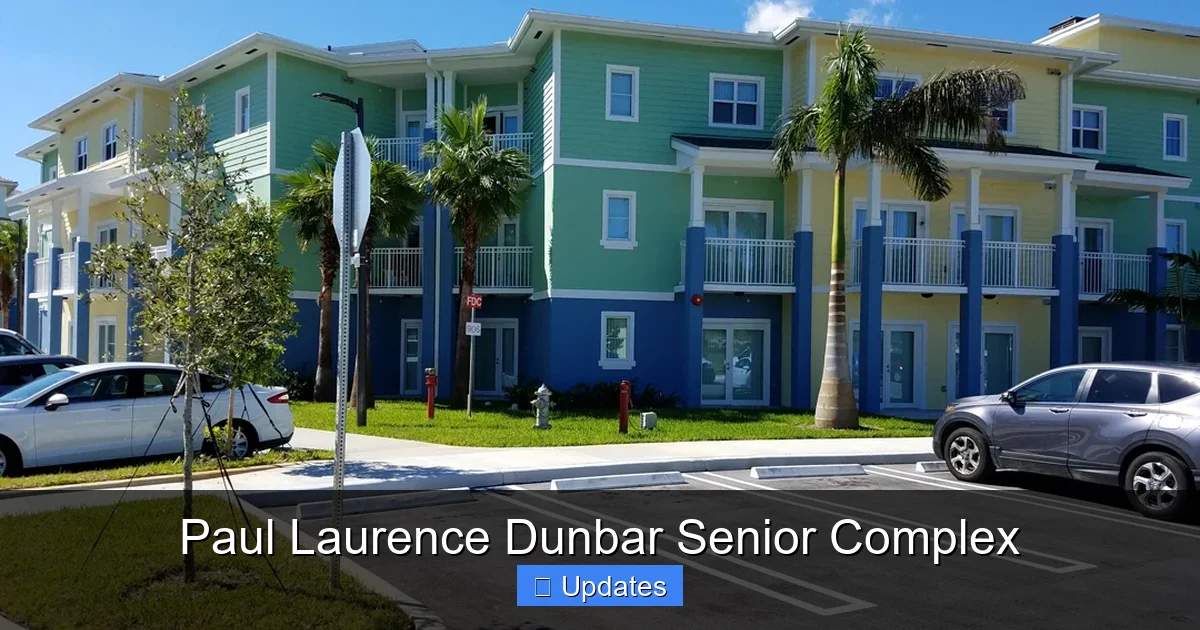
Visual guide about Paul Laurence Dunbar Senior Complex
Image source: lowincomehousing.us
By naming the senior housing complex after Dunbar, the developers chose to honor not only his literary achievements but also his perseverance in the face of adversity. This symbolic gesture reflects a broader effort within St. Paul to recognize and celebrate diverse histories in public spaces. For residents and visitors alike, seeing Dunbar’s name in lights serves as a reminder of the importance of inclusion and remembrance.
Development and Community Impact
The complex opened its doors in the early 2000s as part of a city initiative to expand affordable senior housing options. Since then, it has become a cornerstone for low-income elders in the neighborhood, providing stable shelter amid rising urban costs. Over the years, the facility has undergone renovations to improve energy efficiency, accessibility, and common areas—ensuring it remains relevant and welcoming.
Local leaders frequently cite the Dunbar Complex as a model for how thoughtful urban planning can uplift vulnerable populations. Its success has encouraged similar projects across Minnesota, proving that investing in senior housing benefits everyone—not just residents, but families and communities too.
Types of Units Available
Studio and One-Bedroom Apartments
Most residents of the Paul Laurence Dunbar Senior Complex live in studio or one-bedroom units, each thoughtfully designed for comfort and ease of use. These spaces typically include a sleeping area, kitchenette, bathroom, and storage closet. Kitchens feature compact appliances like microwaves, refrigerators, and stovetops, allowing residents to prepare simple meals safely and independently.
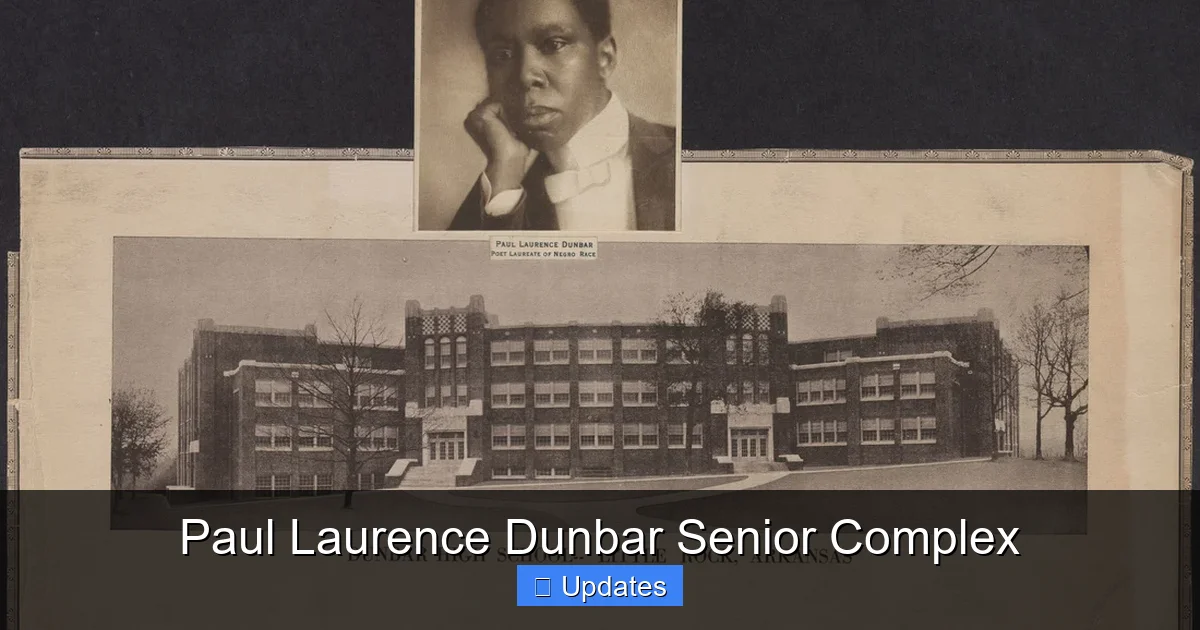
Visual guide about Paul Laurence Dunbar Senior Complex
Image source: paullaurencedunbarhighschool.weebly.com
One-bedroom layouts offer slightly more separation between living and sleeping areas, which some residents prefer for added privacy. All units are equipped with essential utilities such as heating, hot water, and electricity, with many including air conditioning during warmer months. Natural light floods through large windows, brightening rooms and supporting circadian rhythms—important for sleep health.
Accessibility Features
Safety and usability are top priorities. Every apartment includes features like lever-style door handles, slip-resistant flooring, and emergency pull cords connected to on-call staff. Bathrooms have reinforced walls, roll-in showers (in select units), and adjustable-height sinks. Wide hallways accommodate mobility aids like walkers and wheelchairs without obstruction.
For residents with hearing or vision impairments, visual smoke detectors and tactile signage further enhance accessibility. These small touches make a big difference in daily life, reducing frustration and promoting confidence.
Resident Amenities and Common Areas
Social Spaces That Bring People Together
Beyond private quarters, the Paul Laurence Dunbar Senior Complex boasts several inviting common areas meant to foster connection. The main lounge is a hub for weekly coffee hours, book clubs, and holiday celebrations. With plush seating, soft lighting, and a grand piano, it feels more like a cozy café than a waiting room.

Visual guide about Paul Laurence Dunbar Senior Complex
Image source: onlyart.org
A second space functions as a multipurpose room, hosting everything from bingo nights to guest lectures. Residents often use it to practice crafts, play board games, or simply relax with neighbors. Outdoor patios offer fresh air and shaded seating, perfect for reading or chatting with friends under the trees.
Fitness and Wellness Opportunities
Physical activity is encouraged through on-site fitness sessions led by certified instructors. Classes range from gentle chair yoga to tai chi, all tailored to varying ability levels. Equipment such as resistance bands, balance boards, and light weights supports strength training without requiring gym memberships.
Mental wellness isn’t overlooked either. The complex partners with local counselors to offer free stress management workshops and grief support groups. Regular health fairs provide blood pressure checks, flu shots, and nutrition consultations—all conducted by trusted professionals in familiar surroundings.
Services and Support Systems
On-Site Management and Maintenance
A dedicated property manager oversees day-to-day operations, responding promptly to maintenance requests like plumbing issues or HVAC repairs. Trained technicians handle electrical problems and appliance malfunctions, minimizing downtime and disruption. Emergency protocols ensure rapid assistance during power outages or severe weather.
Security personnel patrol the grounds nightly, and electronic keycard entry restricts unauthorized access to common areas. Cameras monitor entrances and parking lots, adding another layer of protection for residents and their belongings.
Coordination with External Agencies
The complex doesn’t operate in isolation. It collaborates with nonprofits, healthcare providers, and government programs to connect residents with additional resources. Case managers help apply for utility assistance, meal delivery services, or transportation vouchers when needed. Legal aid clinics occasionally visit to assist with estate planning or tenant rights questions.
This network approach ensures that no resident falls through the cracks. If someone needs help navigating Medicare enrollment or accessing dental care, staff members guide them every step of the way.
Location Advantages and Neighborhood Access
St. Paul’s Thriving Urban Core
Located near downtown St. Paul, the Dunbar Complex places residents within easy reach of restaurants, banks, pharmacies, and entertainment venues. Major bus routes run along nearby streets, connecting passengers to regional destinations including Minneapolis and the Mall of America. Light rail expansion plans may bring even greater mobility in coming years.
Healthcare facilities abound—within walking distance or a short ride away are clinics specializing in geriatrics, urgent care centers, and rehabilitation hospitals. Pharmacies stock prescription medications and over-the-counter essentials, while supermarkets offer fresh produce and household goods.
Cultural and Recreational Proximity
Art lovers will appreciate being close to the Minnesota History Center and Ordway Theater, both hosting performances and exhibits year-round. Libraries lend books, DVDs, and digital media, and summer farmers markets supply seasonal fruits and vegetables. Parks like Como Park invite strolls, picnics, and outdoor concerts.
This blend of urban convenience and green space creates a balanced lifestyle. Residents aren’t confined to their apartments; instead, they’re empowered to explore, learn, and engage with the wider community.
Application Process and Eligibility
Who Can Apply?
To qualify for residency at the Paul Laurence Dunbar Senior Complex, applicants must be aged 62 or older and meet income guidelines set by the U.S. Department of Housing and Urban Development (HUD). As of 2024, households cannot exceed 50% of the area median income—roughly $45,000 annually for a single person in Ramsey County.
Veterans and individuals with disabilities may receive priority consideration depending on availability. Preference is also given to those who lived in St. Paul prior to moving into the complex, reinforcing the goal of keeping long-term residents anchored in their community.
How to Begin the Journey
Prospective residents start by submitting an application through the Metropolitan Council or the complex’s leasing office. Required documents include proof of age, income verification, and identification. A waitlist forms quickly due to high demand, so early submission is recommended.
Once selected, applicants tour available units and sign a lease agreement outlining rent payments, house rules, and responsibilities. Move-in typically occurs within 30 days, though flexible timelines exist for special circumstances.
Costs and Financial Assistance
Rent Structure and Utilities
Rent varies based on unit size and resident income, but most studios range from $600–$800 per month. One-bedrooms cost slightly more, usually under $900. Utility costs (electricity, heat, water) are included in some leases, while others require separate billing. Clarification during the application process prevents surprises later.
Subsidies from HUD cover a significant portion of operating expenses, keeping rates lower than market-rate apartments. However, funds are limited, which is why eligibility criteria are strict.
Additional Aid Options
Beyond rent support, organizations like Low-Income Senior Housing St. Paul MN offer grants for emergency repairs, furniture, or medical equipment. Local charities sometimes donate clothing, groceries, or transportation passes. Social workers help identify these opportunities and complete paperwork on behalf of residents.
It pays to ask! Even if initial approval seems unlikely, inquiring about exceptions or alternative programs can open new doors.
Success Stories and Resident Experiences
From Isolation to Connection
Take Margaret, a 78-year-old widow who moved in two years ago after her husband passed away. “I was lonely before,” she shares. “But now I attend bingo every Tuesday and even joined a knitting circle. My neighbor taught me how to use my tablet—now I video chat with my grandchildren twice a week.”
Her story isn’t unique. Many residents report feeling less isolated since joining the community. Shared meals, group walks, and volunteer opportunities create bonds that last beyond formal programming.
Overcoming Challenges Together
When Carlos fractured his hip last winter, staff coordinated with his physical therapist to schedule in-home visits. They also arranged grocery deliveries during his recovery. “They didn’t treat me like a problem,” he says. “They treated me like family.”
Such experiences highlight the human side of senior housing—where compassion meets competence.
Conclusion: More Than Just Housing
The Paul Laurence Dunbar Senior Complex exemplifies how thoughtful design, compassionate service, and community spirit come together to create meaningful living environments. It’s not merely a collection of buildings; it’s a sanctuary where dignity is preserved, friendships flourish, and each resident’s story continues to unfold.
For seniors seeking affordable, safe, and socially rich accommodations in St. Paul, MN, this complex offers a compelling alternative to institutional care or isolated living. Its blend of practical support and human connection addresses both immediate needs and long-term aspirations.
If you’re weighing your options, consider visiting the site, meeting current residents, and imagining yourself there. Sometimes, the best way to understand a place is to feel its rhythm—the laughter in the lounge, the quiet concentration during craft hour, the sense of belonging that lingers long after you leave.
In honoring Paul Laurence Dunbar’s legacy, the complex reminds us that every person deserves to be seen, heard, and valued. That principle echoes in every corner of the Dunbar Senior Complex—and in the lives it continues to transform.
Frequently Asked Questions
What is the Paul Laurence Dunbar Senior Complex?
The Paul Laurence Dunbar Senior Complex is a residential housing facility in St. Paul, Minnesota, designed for adults aged 62 and older. It offers affordable, accessible apartments with supportive services, fostering a community-oriented environment for low- to moderate-income seniors.
How much does it cost to live at the Dunbar Senior Complex?
Rent depends on unit size and income, typically ranging from $600–$900 per month for studios and one-bedrooms. Utility costs may be included or billed separately. Subsidies from HUD keep rates below market value for eligible applicants.
Is the complex accessible for people with disabilities?
Yes. All units feature accessibility elements like lever door handles, roll-in showers, emergency pull cords, and wide hallways. Additional accommodations can be arranged upon request to meet individual needs.
Are pets allowed at the complex?
Policies vary, but generally, small pets such as cats or dogs under a certain weight are permitted with prior approval and adherence to community rules regarding noise and cleanliness.
How do I apply for residency?
Applications are submitted through the Metropolitan Council or the complex’s leasing office. Requirements include proof of age, income documentation, and identification. Due to high demand, applying early increases chances of selection.
What kind of activities take place at the complex?
Residents enjoy regular social events like bingo, book clubs, fitness classes, arts and crafts, and holiday gatherings. Health fairs and educational workshops are also hosted throughout the year by partnering organizations.