
Low Income Senior Housing Palm Coast Fl


Electric Recliner Lift Chair

Spill-Proof Travel Mug

Foot Massager Machine
Finding secure, affordable housing is one of the biggest concerns for seniors living on limited budgets. In Palm Coast, Florida, several low income senior housing options offer dignified living with essential services. This guide walks you through eligibility, available programs, and practical tips to help you or a loved one find the right place to call home.
Living on a fixed income becomes more challenging every year. For seniors in Palm Coast, Florida, the rising cost of rent and shrinking social safety nets make finding affordable housing feel like an uphill battle. But hope isn’t lost—there are real solutions tailored specifically for low income seniors just like you.
In this article, we’ll walk you through everything you need to know about low income senior housing in Palm Coast, FL. Whether you’re looking for a quiet apartment close to medical care, a community with meals and activities, or simply a safe place to retire comfortably, we’ve got practical advice, local contacts, and step-by-step guidance to help you move forward.
Let’s break it down so you can focus less on stress and more on enjoying your golden years.
Key Takeaways
- Low income senior housing in Palm Coast, FL includes subsidized apartments, nonprofit-run communities, and state-assisted programs designed for those 62+ on fixed incomes.
- Eligibility typically requires meeting income limits, which are often set at 30–50% of the area’s median income, along with age verification and residency requirements.
- Popular programs include HUD Section 202 Supportive Housing, Florida Housing Finance Corporation (FHFC) initiatives, and local nonprofit partnerships offering rent assistance.
- Palm Coast offers both independent living and supportive care options, with many communities providing meal plans, transportation, and social activities.
- Applying early is crucial—many low income senior housing communities have waiting lists that can last months or even years.
- Local resources like the Palm Coast Senior Center can help with applications, referrals, and navigating available benefits.
- Always verify legitimacy—avoid scams by working only with licensed agencies and official government websites.
📑 Table of Contents
- Understanding Low Income Senior Housing in Palm Coast
- How to Qualify for Low Income Senior Housing in Palm Coast
- Top Low Income Senior Housing Options in Palm Coast
- Practical Tips for Finding and Moving Into Housing
- Financial Assistance Beyond Housing
- Staying Safe From Scams
- Looking Ahead: Advocacy and Community Resources
Understanding Low Income Senior Housing in Palm Coast
When we talk about low income senior housing, we’re referring to residential options designed specifically for adults aged 62 and older who earn below certain income thresholds. These aren’t just any apartments—they’re carefully managed properties funded through federal, state, and nonprofit programs to ensure affordability and dignity.
In Palm Coast, Florida, these housing models come in several forms: subsidized apartments, congregate living facilities with shared dining and recreation, and supportive housing units where residents receive help with daily tasks if needed. The goal? To create environments where seniors can age in place safely while maintaining their independence.
Unlike market-rate rentals, low income senior housing often includes utilities, basic maintenance, and sometimes even transportation services. Many also partner with healthcare providers to offer wellness checks, medication reminders, or on-site nursing visits.
Why Palm Coast Is a Great Place for Seniors
Palm Coast sits just north of Daytona Beach and south of Jacksonville along Florida’s scenic East Coast. With its warm climate, low crime rates, and growing network of senior-friendly amenities, it’s become a popular retirement destination.
The city boasts over 100 miles of nature trails, access to top-rated hospitals like Flagler Hospital, and a vibrant downtown with shops, restaurants, and cultural events. Plus, public transportation is improving, making it easier for seniors without cars to get around.
What really sets Palm Coast apart, though, is its commitment to aging well. From volunteer-led meal programs to free health screenings, the community actively supports older adults. And when it comes to housing, several organizations have invested heavily in creating affordable options tailored to local needs.
Types of Low Income Senior Housing Available
Not all low income senior housing looks the same. In Palm Coast, you’ll find a mix of property types depending on your level of independence and care needs:
– Independent Living Communities: Ideal for active seniors who want a maintenance-free lifestyle. Rent covers utilities, housekeeping, and access to communal kitchens, lounges, and fitness centers.
– Assisted Living Facilities: For those needing occasional help with bathing, dressing, or managing medications. Staff are on-site during business hours, and meals are usually included.
– Subsidized Apartments: Managed by HUD or FHFC, these units charge tenants only 30% of their monthly income toward rent—the rest is covered by subsidies.
– Supportive Housing Programs: Often faith-based or nonprofit-run, these provide wraparound services like case management, counseling, and social engagement.
Each option has different waitlists, application processes, and eligibility rules—so knowing what fits your situation best is key.
How to Qualify for Low Income Senior Housing in Palm Coast
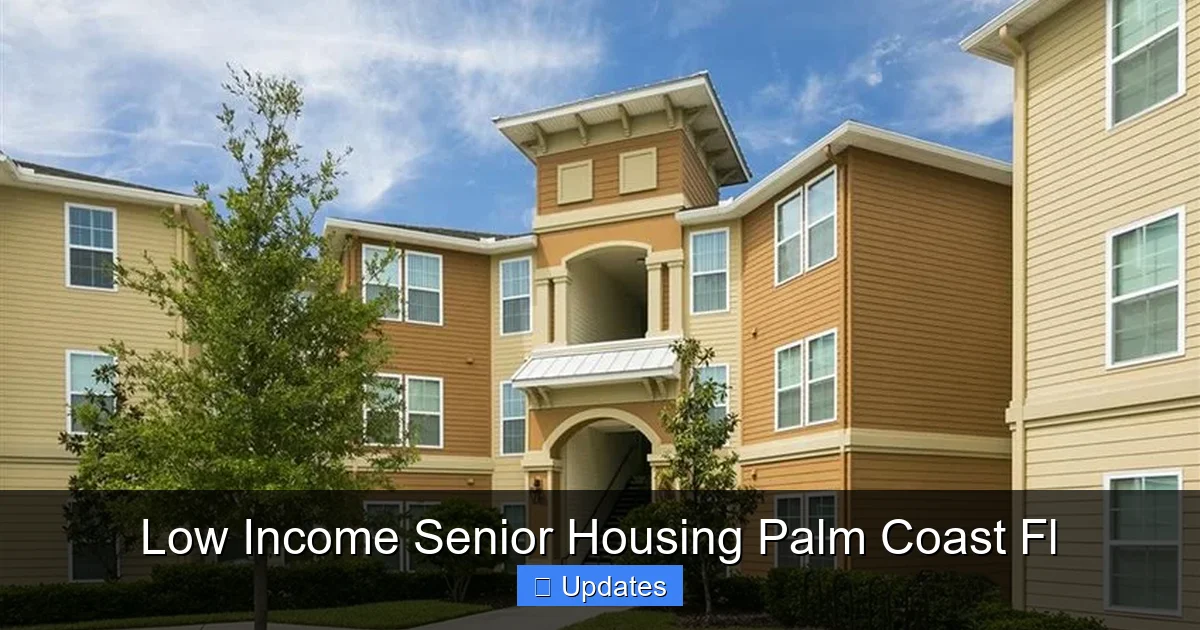
Visual guide about Low Income Senior Housing Palm Coast Fl
Image source: lowincomehousing.us
Getting into low income senior housing starts with understanding the eligibility criteria. While specifics vary by program, most follow similar guidelines:
First, you must be at least 62 years old. Some exceptions exist for younger disabled individuals, but age remains the primary requirement.
Next comes income verification. Most programs cap household income at 50% of the area median income (AMI). As of 2024, that means a single senior in Palm Coast can earn no more than $48,000 annually to qualify—though many target even lower brackets (like 30% AMI).
You’ll also need proof of Florida residency and may be asked about assets (bank accounts, stocks, etc.), though many programs exclude primary savings from calculations.
Finally, background checks are common—not because they suspect wrongdoing, but to ensure the property stays safe and well-maintained.
Step-by-Step Application Process
Don’t panic—applying doesn’t have to be overwhelming. Here’s how to get started:
1. Gather Documents: Social Security cards, tax returns, bank statements, lease agreements (if applicable), and identification for everyone in your household.
2. Choose Your Program: Research options using resources like the U.S. Department of Housing and Urban Development (HUD) website or Florida Housing’s portal. Consider whether you prefer independent living or assisted care.
3. Submit an Application: Most communities use centralized systems like WaitListChecker.com or direct online portals. Fill out every field carefully—incomplete forms get rejected fast.
4. Attend an Interview: Expect a brief phone or in-person chat to confirm details and answer questions.
5. Wait for Approval: If selected, you’ll join a waiting list. Some properties notify applicants within weeks; others take months or years.
Pro tip: Apply to multiple places simultaneously! Competition is fierce, so casting a wide net increases your chances.
Common Mistakes to Avoid
Even experienced applicants stumble. Watch out for these pitfalls:
– Missing Deadlines: Many programs accept applications year-round but prioritize those who apply first.
– Inaccurate Income Reporting: Overstating earnings disqualifies you permanently.
– Skipping Follow-Ups: If you don’t respond to requests for additional info, your spot vanishes.
– Assuming All Properties Are Equal: Read reviews, visit in person, and ask about resident turnover rates before committing.
Remember: honesty and persistence pay off. Scammers prey on hopeful seniors, so always work through official channels.
Top Low Income Senior Housing Options in Palm Coast
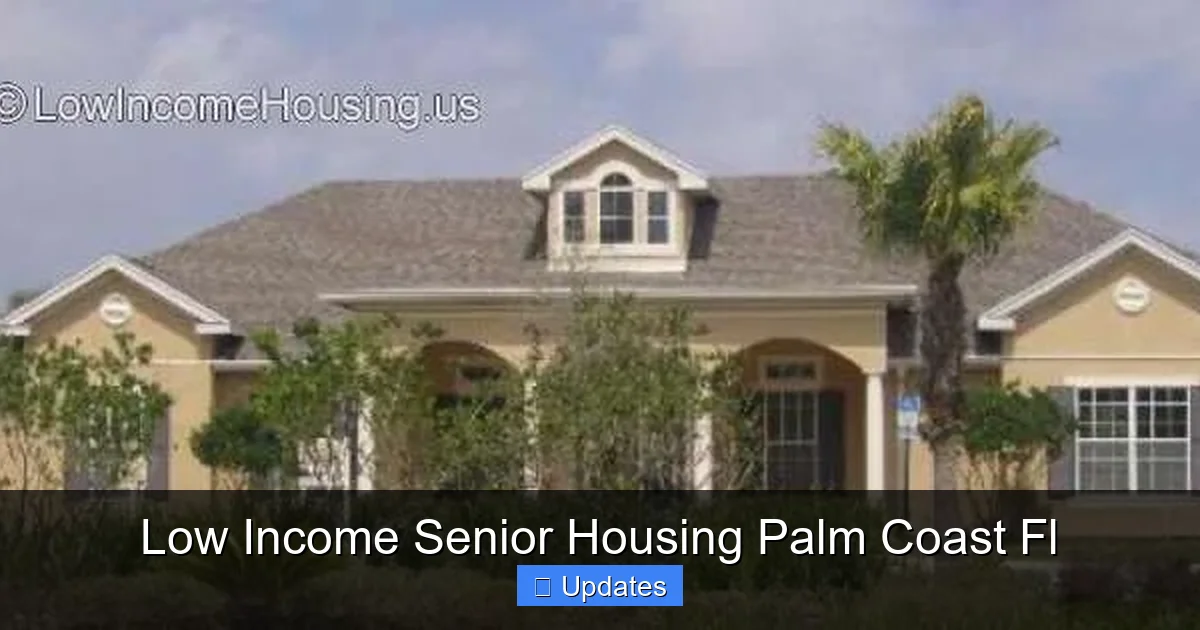
Visual guide about Low Income Senior Housing Palm Coast Fl
Image source: lowincomehousing.us
While Palm Coast itself doesn’t operate large-scale senior housing complexes (those are usually county or statewide initiatives), nearby cities and regional programs serve the area effectively. Below are some standout choices:
Flagler County Housing Authority
This agency administers several federally subsidized developments under HUD’s Section 8 program. Residents pay 30% of their income toward rent, with the balance covered by vouchers. Units range from studios to two-bedrooms, and pets are generally allowed.
Pros: No long-term leases required; flexible move-ins; on-site social workers available.
Cons: Waitlist times average 18–24 months; limited availability during peak seasons.
To apply, visit their office at 1200 E Moody Blvd, Bunnell, FL (just minutes from Palm Coast) or call (386) 437-7575.
Sunshine Village at Palm Coast
Managed by a nonprofit called Volunteers of America, this community offers independent living with optional assisted care add-ons. Monthly rent starts around $1,200 (depending on unit size), but financial aid covers much of the gap for qualifying seniors.
Features include:
– Daily breakfast and lunch
– Weekly housekeeping
– Shuttles to local pharmacies and grocery stores
– On-call emergency response
Eligibility: Age 62+, income ≤ 80% AMI, clean background check.
Application deadline: Rolling admissions, but submit early!
Riverfront Commons
Located in nearby Bunnell but serving Palm Coast residents, Riverfront Commons provides affordable studio and one-bedroom units for seniors and disabled adults. Operated by the Florida Housing Finance Corporation, rents are capped at $500/month for qualified applicants.
What makes this place special? It’s pet-friendly, has a full-time activity coordinator, and partners with Flagler Health+ for wellness visits.
Note: There’s currently a 2-year waitlist, but they offer a “pre-application” form to reserve priority status.
Faith-Based Alternatives
Churches and religious nonprofits often run smaller-scale housing projects. For example, St. Paul’s Episcopal Church in Palm City runs a modest apartment complex for low income seniors. Similarly, the Salvation Army occasionally opens temporary shelters during winter months.
These options vary widely—some require faith participation, others don’t. Always ask about policies before applying.
Practical Tips for Finding and Moving Into Housing
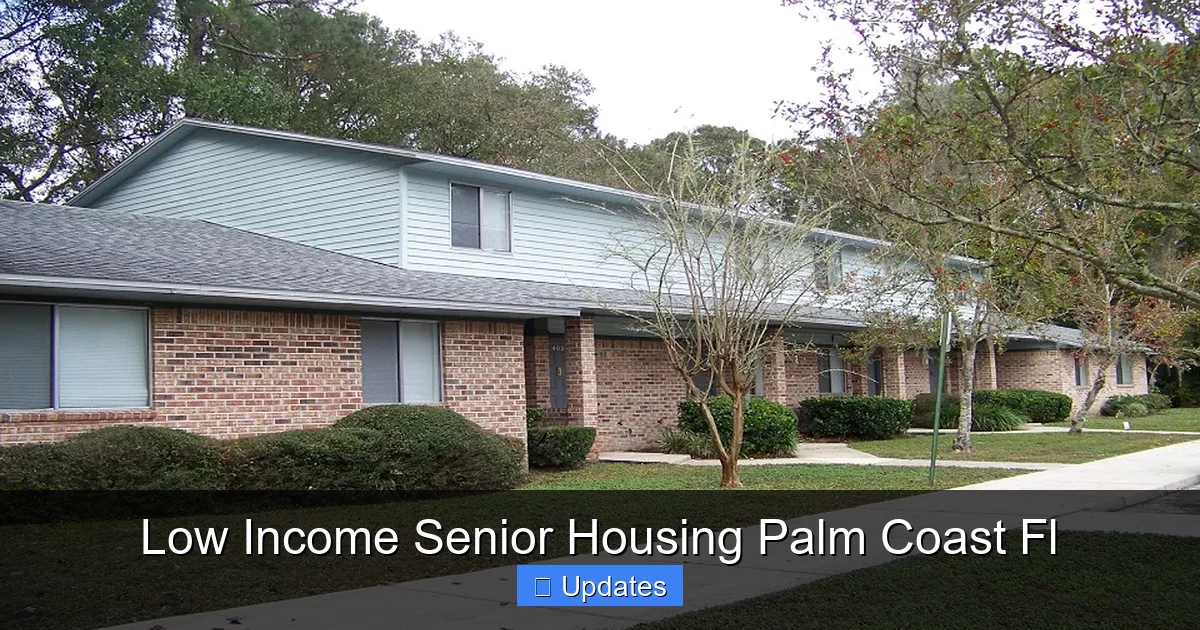
Visual guide about Low Income Senior Housing Palm Coast Fl
Image source: lowincomehousing.us
Once you’ve identified potential homes, preparation is everything. Here’s how to smooth the transition:
Prepare Your Home Inventory List
Before moving day, make a detailed list of belongings: furniture dimensions, fragile items, prescription meds, and sentimental keepsakes. This helps movers plan and prevents damage.
Also pack an “essentials box” with toiletries, chargers, important documents, and favorite snacks—you’ll need these immediately after arrival.
Nail Down Transportation Logistics
If you rely on family or friends for rides, coordinate pickup schedules ahead of time. Many low income senior housing communities offer free shuttles, but routes and hours vary.
For those without reliable transport, look into Palm Coast’s paratransit service (call (386) 439-7520) or volunteer driver networks like Meals on Wheels.
Connect With Local Support Groups
Joining a senior center isn’t just fun—it’s practical too. At the Palm Coast Senior Center (100 Civic Center Ave), you’ll meet people facing similar challenges, learn about new resources, and even get help troubleshooting tech issues.
They also host monthly “Housing Fairs” where property managers present their latest vacancies and answer questions live.
Understand Your Rights as a Tenant
All subsidized housing must comply with fair housing laws. That means:
– You can’t be evicted without cause or proper notice
– Landlords must maintain habitable conditions (heat, plumbing, safety)
– Discrimination based on race, religion, gender, or disability is illegal
Keep copies of all lease agreements, maintenance requests, and communications with management. If problems arise, contact the Florida Commission on Human Relations at (850) 488-7082.
Financial Assistance Beyond Housing
Affordable housing is just part of the puzzle. Many low income seniors also struggle with utility bills, medical costs, and food insecurity. Fortunately, Palm Coast offers several supplemental programs:
– Lifeline Phone Service: Provides discounted cell phones for qualifying seniors (apply via Lifeline.org).
– LIHEAP Energy Assistance: Helps pay winter heating/cooling bills (call (386) 437-7575 ext. 224).
– Supplemental Nutrition Assistance Program (SNAP): Food stamps reduce grocery expenses significantly.
– Medicaid & Medicare Savings Programs: Lower out-of-pocket healthcare costs.
Organizations like Catholic Charities of Northeast Florida can assist with applications and paperwork—no appointment needed.
Staying Safe From Scams
Sadly, fraudsters target vulnerable seniors promising “guaranteed housing” or “free rent” in exchange for upfront fees. Never pay anything before signing a lease or receiving official approval.
Red flags include:
– Pressure to decide immediately
– Requests for cash or wire transfers
– Unlicensed brokers claiming to have “exclusive access”
– Properties that don’t appear on HUD or FHFC databases
Legitimate agencies never charge application fees for HUD-funded units. If in doubt, hang up and call the number listed on government websites.
Looking Ahead: Advocacy and Community Resources
The fight for affordable senior housing isn’t over—but progress is happening. Local advocates like the Flagler County Council on Aging push for more units annually, and grassroots groups organize town halls to raise awareness.
Volunteer opportunities abound if you want to give back: mentor new applicants, tutor digital literacy classes, or help serve meals at soup kitchens.
And remember—you’re not alone. Reach out to neighbors, clergy members, or social workers whenever you need support. Building connections reduces isolation and strengthens your overall wellbeing.
—
In summary, low income senior housing in Palm Coast, FL exists, but accessing it requires patience, preparation, and persistence. By understanding eligibility rules, leveraging local resources, and staying vigilant against scams, you can secure a safe, dignified place to call home.
Start today—your future self will thank you.
Frequently Asked Questions
What is the minimum age requirement for low income senior housing in Palm Coast?
Most programs require applicants to be at least 62 years old. Some exceptions exist for younger disabled individuals, but age remains the standard threshold across federal and state-funded housing.
How long do waitlists typically last for low income senior housing in Palm Coast?
Waitlist times vary by property and demand, but many low income senior housing communities in the area have lists lasting 12 to 24 months. Applying early and submitting complete documentation can improve your position.
Can I bring my pet into low income senior housing in Palm Coast?
Yes, several Palm Coast-area facilities welcome pets, including Sunshine Village at Palm Coast and Riverfront Commons. Policies differ, so always confirm breed size limits and monthly pet fees before moving in.
Are utilities included in low income senior housing rent?
In most cases, yes—utilities such as electricity, water, and trash collection are typically included in the base rent for subsidized senior housing units, reducing unexpected expenses.
Is there transportation available from low income senior housing in Palm Coast?
Many communities offer free or low-cost shuttle services to grocery stores, pharmacies, and medical appointments. Additionally, Palm Coast’s paratransit system serves eligible seniors needing door-to-door assistance.
What should I do if I suspect a housing scam targeting seniors in Palm Coast?
If you encounter suspicious offers requiring upfront payments or pressure to act quickly, report it to the Florida Attorney General’s Office at 1-866-9-NO-SCAM or file a complaint with the Federal Trade Commission at ReportFraud.ftc.gov.