
Low Income Senior Housing Bangor Maine


Kindle E-Reader

Sudoku Puzzle Book

Electric Mobility Scooter
Low-income senior housing in Bangor, Maine, offers safe, affordable living for older adults with limited income. These communities provide more than just a place to live—they offer peace of mind, social connections, and essential support services. With rising costs and fixed incomes, finding senior housing under $1000/month can be challenging, but Bangor has several programs designed to help seniors age with dignity and comfort. From subsidized apartments to supportive housing models, there are real solutions available today.
Finding a safe, comfortable, and affordable place to call home becomes increasingly important as we grow older. For many low-income seniors in Bangor, Maine, the dream of aging in place is not just possible—it’s supported by thoughtful community resources and dedicated housing programs. Whether you’re considering moving closer to family, seeking medical care, or simply looking for a neighborhood where you belong, low-income senior housing in Bangor offers more than just four walls; it provides stability, dignity, and connection.
Bangor, known affectionately as the “Queen City,” sits along the Penobscot River and serves as a regional hub for healthcare, services, and community life in central Maine. This makes it an ideal location for seniors who want access to hospitals, pharmacies, grocery stores, and cultural events—without the overwhelming pace of larger cities. And while rental prices across Maine have risen in recent years, Bangor stands out for its mix of affordable senior housing options, thanks to long-standing partnerships between nonprofit developers, federal agencies, and local governments.
In this guide, we’ll walk you through everything you need to know about low-income senior housing in Bangor, Maine. We’ll explain how these programs work, who qualifies, what benefits come with them, and where to start your search. You’ll also find practical tips for preparing applications, avoiding scams, and making the most of available support services. By the end, you’ll feel confident knowing that quality, dignified housing is within reach—even on a modest budget.
Key Takeaways
- Affordable Options Exist: Several federally and state-funded programs in Bangor help seniors afford housing with monthly rents often under $500.
- Eligibility Is Based on Income: Most low-income senior housing requires applicants to meet both age (62+) and income limits set by HUD or MaineHousing.
- Support Services Are Included: Many properties offer meals, transportation, health screenings, and social activities as part of the package.
- Waiting Lists Can Be Long: Popular programs like Section 202 or USDA Rural Development may have wait times of 6 months to over a year.
- Local Resources Help Navigate Options: Organizations like SeniorLAW Center and Area Agencies on Aging guide seniors through application processes.
- Pet-Friendly and Accessible Units Available: Some Bangor-area communities welcome pets and are built with mobility accessibility in mind.
- Utilities May Be Included: Certain housing models cover water, heat, or electricity, reducing out-of-pocket expenses for seniors.
📑 Table of Contents
- Types of Low-Income Senior Housing in Bangor, Maine
- How to Qualify for Low-Income Senior Housing in Bangor
- Top Low-Income Senior Housing Communities in Bangor
- Financial Assistance & Rent Subsidies in Maine
- Practical Tips for Finding & Moving Into Senior Housing
- Common Myths About Low-Income Senior Housing
- Conclusion: Dignity, Stability, and Community Await
Types of Low-Income Senior Housing in Bangor, Maine
Not all low-income senior housing looks the same. In Bangor, you’ll find several types of affordable housing tailored to different needs, preferences, and levels of support. Understanding the differences helps you choose the best fit for your lifestyle.
Public Housing for Seniors
Administered by the U.S. Department of Housing and Urban Development (HUD), public housing offers subsidized rent based on your income. Properties managed locally include the Bangor Housing Authority (BHA), which operates several senior-only complexes such as Maplewood Apartments and Westgate Village. These buildings typically feature one- and two-bedroom units, community rooms, and on-site staff who assist with maintenance and emergencies.
Rent is calculated at no more than 30% of your adjusted monthly income—often resulting in monthly payments well below $500. Utilities may or may not be included, so it’s wise to ask during your application process. Public housing also tends to have shorter waiting lists compared to some private developments, though availability varies.
Section 8 Project-Based Vouchers
While most people think of Section 8 as a tenant-based voucher, Bangor also offers project-based options. This means the subsidy is tied directly to a specific building rather than your person. Developers receive funding from HUD to keep rents low, and residents pay only a portion based on income.
Examples in Bangor include Penobscot Commons and Oak Hill Retirement Community, both of which accept Section 8 vouchers and serve adults aged 62 and older. These communities often include additional perks like housekeeping, meal plans, and scheduled transportation.
Nonprofit & Faith-Based Developments
Many faith-based organizations and nonprofits in Maine operate senior housing with deep roots in their neighborhoods. Groups like MaineHealth and Catholic Charities Maine partner with local developers to create affordable, service-rich environments. One notable example is St. Joseph Village in Bangor, which offers independent living, assisted living, and memory care options at reduced rates for qualifying seniors.
These communities frequently emphasize spiritual wellness, volunteer opportunities, and intergenerational programs—making them more than just places to live; they become part of your daily rhythm.
Rural Housing Service (RHS) Programs
Even though Bangor isn’t classified strictly as rural, nearby towns and surrounding areas fall under the USDA Rural Development umbrella. Through its Single Family Housing Direct Home Loan and Mutual Self-Help Housing programs, RHS helps very low- to moderate-income households build or purchase homes—including those intended for later-life use.
For seniors downsizing or relocating to a quieter neighborhood, RHS loans can offer interest rates as low as 1%, dramatically cutting long-term costs. However, eligibility depends heavily on geographic location and household size, so it’s worth checking if your desired area qualifies.
Assisted Living & Supportive Housing
Some low-income senior housing goes beyond shelter to include personal care services. In Bangor, facilities like Northern Light Continuing Care Communities provide studio and one-bedroom units with access to nursing aides, medication management, and emergency call systems. These aren’t full-time nursing homes—but they do bridge the gap between independent living and skilled care.
What sets these apart is that subsidies often cover not just rent, but also portions of caregiving fees. That means even if your monthly income is tight, you might still afford peace of mind knowing help is close by.
How to Qualify for Low-Income Senior Housing in Bangor
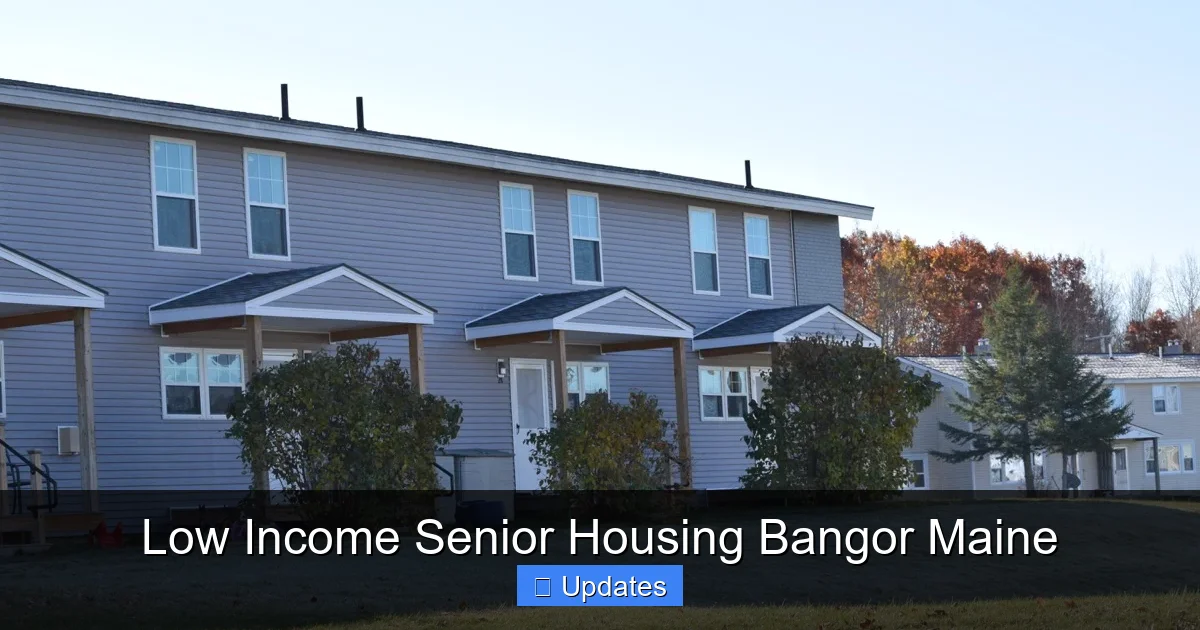
Visual guide about Low Income Senior Housing Bangor Maine
Image source: s3.amazonaws.com
Qualifying for low-income senior housing isn’t complicated, but it does involve meeting certain criteria. The good news? Once approved, your spot is secure until you move out or violate program rules.
Age Requirement
Nearly all programs require applicants to be at least 62 years old. Some exceptions exist for younger adults with disabilities, but for traditional senior housing, age is the baseline.
Income Limits Vary by Program
Each housing type uses slightly different income thresholds. As of 2024, HUD sets area median income (AMI) guidelines for Maine. For a one-person household in Bangor County, the 50% AMI cap is approximately $42,000 annually—meaning your gross income must be below that to qualify for most programs. Larger households have higher limits: two people can earn up to $48,000, three up to $54,000, etc.
Keep in mind that “income” includes wages, Social Security, pensions, retirement accounts, unemployment benefits, and even alimony or child support. Gifts and inheritance aren’t counted unless deposited into your bank account regularly.
Asset Limits May Apply
Most public housing and Section 8 programs limit assets to $2,000 for single individuals and $3,000 for couples. Assets include cash, stocks, bonds, vehicles (up to one per household), and savings accounts—but NOT your primary home or personal belongings like furniture.
If you own a car valued above $4,650 (as of 2024), that could count against you unless it’s used for medical transport or job-related travel.
Background Checks Are Standard
All applicants undergo criminal background checks, eviction histories, and credit reviews. Minor infractions (like a past noise violation) rarely disqualify you, but serious offenses involving violence, drug distribution, or sexual misconduct typically do.
It’s important to disclose any arrests even if charges were dropped—transparency improves your chances of approval.
Residency Requirements
You don’t need to be a U.S. citizen to apply, but you must prove lawful presence. Permanent residents, refugees, and undocumented immigrants with valid documentation are eligible. Proof includes green cards, asylum paperwork, or tribal identification.
Application Process Tips
Start early. Waiting lists open sporadically—sometimes once every two years—and spots fill fast. Gather documents before applying: birth certificate, Social Security card, proof of income (pay stubs, benefit letters), ID, bank statements, and landlord references if you’re currently renting.
Visit the property in person if possible. Meet neighbors, inspect units for safety, and ask about noise levels, parking, and community rules. Trust your instincts—this will be your home.
Top Low-Income Senior Housing Communities in Bangor
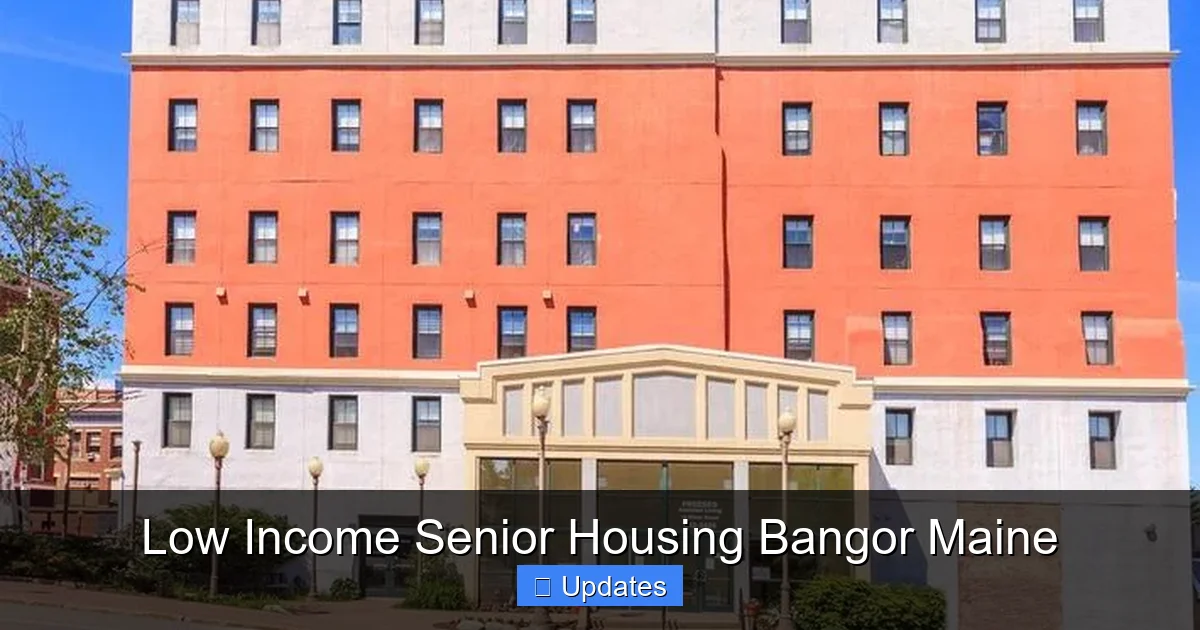
Visual guide about Low Income Senior Housing Bangor Maine
Image source: s3.amazonaws.com
Bangor doesn’t have dozens of large senior towers like Boston or Portland, but it packs a surprising amount of quality housing into a compact footprint. Here are five standout options for low-income seniors:
Maplewood Apartments
Managed by the Bangor Housing Authority, Maplewood welcomes residents aged 62+ with rents starting around $300/month. All utilities except electricity are included, and the building features elevators, wheelchair ramps, and a communal laundry room. Weekly bingo nights and monthly potlucks foster strong friendships among tenants.
Penobscot Commons
This 55-unit development operated by Mercy Housing combines affordability with modern design. Residents pay 30% of their income toward rent, and many qualify for zero-dollar payments due to high benefit amounts. On-site social workers help connect seniors to food pantries, legal aid, and transportation services. Pets are allowed with a small pet deposit.
St. Joseph Village
Run by Catholic Charities, this campus-style complex includes independent living cottages, assisted living suites, and a memory care wing—all with sliding-scale fees based on income. Meals are served three times daily in the dining hall, and chapel services are held weekly. Located near Eastern Maine Medical Center, it’s ideal for those managing chronic conditions.
Westgate Village
Another BHA property, Westgate offers studios and one-bedrooms with kitchenettes, emergency response systems, and secured entryways. The grounds include walking paths and raised garden plots where residents grow herbs and vegetables. Transportation vouchers for local shuttles are provided monthly.
Northern Light Continuing Care Communities
Though technically located in Brewer (just minutes from Bangor), this facility accepts referrals from across the region. It features subsidized assisted living units for seniors earning less than 80% AMI. Care levels range from light help with bathing to 24/7 nursing, and all residents enjoy access to physical therapy, counseling, and recreational therapy.
When touring any property, bring a checklist: Is there grab bar in the shower? Are door handles easy to grip? Is natural light sufficient? Do emergency buttons reach the floor? These details matter more than you think.
Financial Assistance & Rent Subsidies in Maine
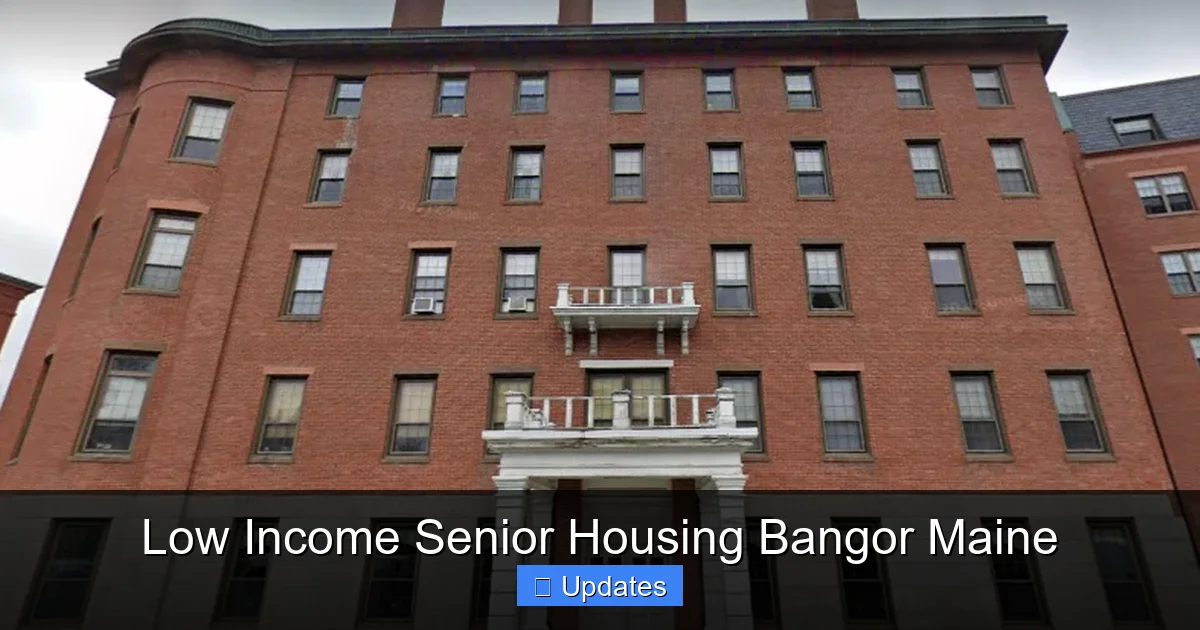
Visual guide about Low Income Senior Housing Bangor Maine
Image source: lowincomehousing.us
The beauty of low-income senior housing lies in its financial model: you pay what you can afford, and the rest comes from government or nonprofit sources. But how exactly does that work?
How Rent Calculations Work
Under HUD guidelines, rent = 30% of your monthly adjusted income. Adjusted means after deductions like childcare, medical expenses, or elderly/disabled allowances. So if you make $1,800/month from Social Security and have $200 in unreimbursed medical costs, your rent might drop from $540 to $510.
Some programs cap rent at a flat rate (e.g., $400 regardless of income), while others use income-based formulas. Always clarify whether utilities are included—water/sewer, heating, and trash pickup are commonly covered.
Supplemental Benefits Reduce Out-of-Pocket Costs
Seniors often qualify for multiple forms of assistance simultaneously:
- Supplemental Security Income (SSI): Provides up to $943/month (federal minimum); Maine supplements this by about $220.
- Energy Assistance (LIHEAP): Helps pay winter heating bills; apply through your utility company or local town office.
- Property Tax Relief (Circuit Breaker Program): If you own your home, Maine’s Circuit Breaker caps property taxes at 30% of income for seniors over 65.
- SNAP Food Stamps: Even with fixed incomes, many seniors qualify for up to $281/month in food aid.
Combining these benefits can mean having thousands of dollars freed up each year—money that can go toward groceries, prescriptions, or unexpected repairs.
Hidden Costs to Watch For
While base rent may be low, watch out for:
- Application fees (some waive these for seniors)
- Security deposits (rarely required in subsidized housing)
- Move-in specials or “processing fees” (these are red flags)
- Parking permits (not always included)
Legitimate housing authorities won’t ask for wire transfers or cash payments. If someone pressures you to pay upfront, hang up and report them.
Practical Tips for Finding & Moving Into Senior Housing
Moving can feel overwhelming—especially when navigating bureaucracy. But with the right preparation, the process becomes manageable, even empowering.
Start Your Search Early
Don’t wait until you’re evicted or facing homelessness. Contact the Bangor Housing Authority or MaineHousing as soon as you turn 60—they’ll add you to waiting lists immediately. Note that some lists prioritize veterans, disabled individuals, or those experiencing domestic violence.
Use Local Resource Centers
Visit the SeniorLAW Center at 365 Broadway, Bangor. Their advocates help seniors apply for housing, benefits, and legal aid at no cost. They also run workshops on navigating Medicaid, Medicare, and housing rights.
The Bangor Senior Center (455 Union St.) hosts monthly “Housing Fairs” where landlords showcase available units. Bring your documents and ask lots of questions—staff are friendly and experienced.
Consider Roommate Options
If you prefer companionship and shared costs, inquire about roommate placements. Some communities match compatible seniors based on lifestyle preferences (quiet vs. social, smoking vs. non-smoking). Just ensure both parties understand lease terms and responsibilities.
Prepare for the Interview
Most properties require an interview. Dress neatly, arrive on time, and bring extra copies of your documents. Be honest about your needs—whether it’s pet access, wheelchair width clearance, or proximity to a hospital. Staff want to help you succeed.
After Moving In
Once settled, get involved! Join committees, attend events, and speak up if maintenance issues arise. Tenants have rights—to quiet enjoyment, timely repairs, and fair treatment. Know who to call if problems persist.
Common Myths About Low-Income Senior Housing
Let’s clear up some misconceptions right away:
Myth #1: “Only Poor People Live There”
False. Many low-income senior housing residents earn modest but stable incomes—often from pensions, part-time work, or Social Security. The term “low-income” refers to relative scarcity, not shameful poverty.
Myth #2: “You Lose Your Freedom”
Not true. Most programs allow you to come and go as you please. Rules exist for safety (no unauthorized guests overnight), but curfews or mandatory activities are rare.
Myth #3: “It’s Cramped and Depressing”
Modern developments prioritize dignity and comfort. Kitchenettes, accessible bathrooms, bright lighting, and community spaces make these homes feel warm, not institutional.
Myth #4: “You’ll Never See Your Grandkids”
On the contrary, many families visit regularly. Some communities host intergenerational programs where kids read to residents or help with crafts. Grandparents gain purpose; children gain wisdom.
Myth #5: “I Have to Give Up My Belongings”
Absolutely not. You retain ownership of everything you brought with you. Storage units may be available if space is tight, but you’re not forced to downsize prematurely.
Understanding the truth helps reduce anxiety and opens doors to real solutions.
Conclusion: Dignity, Stability, and Community Await
Low-income senior housing in Bangor, Maine, isn’t just about saving money—it’s about preserving independence, fostering relationships, and ensuring every day feels meaningful. Thanks to decades of advocacy and smart policy, hundreds of seniors now call Bangor home with roofs over their heads, friends beside them, and futures filled with possibility.
Whether you’re exploring options today or planning ahead, remember: help is available. Reach out to local agencies, tour properties, and trust your voice. This chapter of your life deserves care, respect, and joy—not stress over where you’ll sleep tonight.
And if Bangor isn’t your final destination? Explore similar programs across Maine or neighboring states using our [guide to low-income senior housing Maine](https://seniorsprotalk.com/low-income-senior-housing-maine/). Every community has its gems—you just need to know where to look.
Frequently Asked Questions
What is the average rent for low-income senior housing in Bangor?
Average rents range from $250 to $600 per month, depending on the program and included utilities. Most residents pay 30% of their income, which often results in very low out-of-pocket costs.
Are pets allowed in Bangor’s low-income senior housing?
Yes, several communities welcome pets—typically cats and small dogs—with a small deposit or monthly fee. Always confirm pet policies before applying.
How long are the waiting lists for senior housing in Bangor?
Wait times vary widely. Public housing may take 3–6 months, while nonprofit or specialized programs can exceed 18 months. Starting early maximizes your chances.
Can I apply if I already own a home?
Yes, homeownership doesn’t disqualify you. Asset limits apply only to liquid funds, not your primary residence. You may still qualify for subsidized apartment programs.
Is transportation provided to medical appointments?
Many properties offer free or discounted transportation via local shuttles or volunteer driver networks. Ask during tours—this service is common in supportive housing models.
What should I bring to a housing interview?
Bring photo ID, Social Security card, proof of income (last 3 months), bank statements, and references. Arrive prepared to discuss your needs honestly and respectfully.