
How to Become a Senior Model


Kitchen Timer with Large Display

Air Fryer for Easy Cooking

Puzzle Book for Seniors
Becoming a senior model is more than just looking good—it’s about embracing your unique story, building confidence, and finding agencies that value authenticity over youth. With the right mindset, preparation, and persistence, you can launch a fulfilling modeling career well into your 50s, 60s, and beyond.
Key Takeaways
- Age is just a number: Many industries now actively seek senior models who bring wisdom, experience, and relatability to campaigns.
- Build a strong portfolio: Your portfolio should reflect your versatility—include professional headshots, full-body shots, and lifestyle images.
- Find the right agency: Not all agencies represent seniors. Look for those specializing in mature talent or lifestyle brands.
- Practice self-care: Maintain healthy skin, posture, and energy through skincare, fitness, and nutrition tailored to your needs.
- Network strategically: Attend industry events, join online communities, and connect with photographers and casting directors.
- Leverage social media: Platforms like Instagram can showcase your personality and attract brand partnerships independently.
- Stay persistent: Rejection is part of the journey. Keep refining your craft and submitting to opportunities.
Key Takeaways
- Understanding how to become a senior model: Provides essential knowledge
📑 Table of Contents
- How to Become a Senior Model: A Complete Guide to Launching Your Modeling Career After 50
- What Is a Senior Model?
- Am I Too Old to Start Modeling?
- How Old Do You Have to Be to Become a Senior Model?
- Building Your Senior Model Portfolio
- Finding the Right Modeling Agency
- Grooming and Self-Care for Senior Models
- Networking and Marketing Yourself
- Common Challenges and How to Overcome Them
- Financial Considerations and Earnings
- Conclusion: Your Modeling Journey Starts Now
How to Become a Senior Model: A Complete Guide to Launching Your Modeling Career After 50
Have you ever looked at a magazine spread or a national ad campaign and thought, “I wish I could look like that at my age?” Or maybe you’ve seen older women confidently strutting down runways or appearing in high-end editorials and wondered, “How do they do it?”
If you’re 50, 60, or even 70 and dreaming of becoming a senior model, you’re not alone—and you’re definitely not too old. In fact, the modeling world is evolving. Brands are finally catching on to what audiences have always known: older adults bring depth, elegance, and authenticity that younger models simply can’t match. From fashion editorials to pharmaceutical ads and luxury travel campaigns, senior models are in demand.
This guide will walk you through everything you need to know—from understanding what it means to be a senior model, to building your portfolio, finding representation, and thriving in an industry that’s slowly but surely becoming more inclusive. Whether you’re starting from scratch or looking to refresh your career, this is your roadmap to success.
What Is a Senior Model?
Understanding the Role and Its Growing Demand
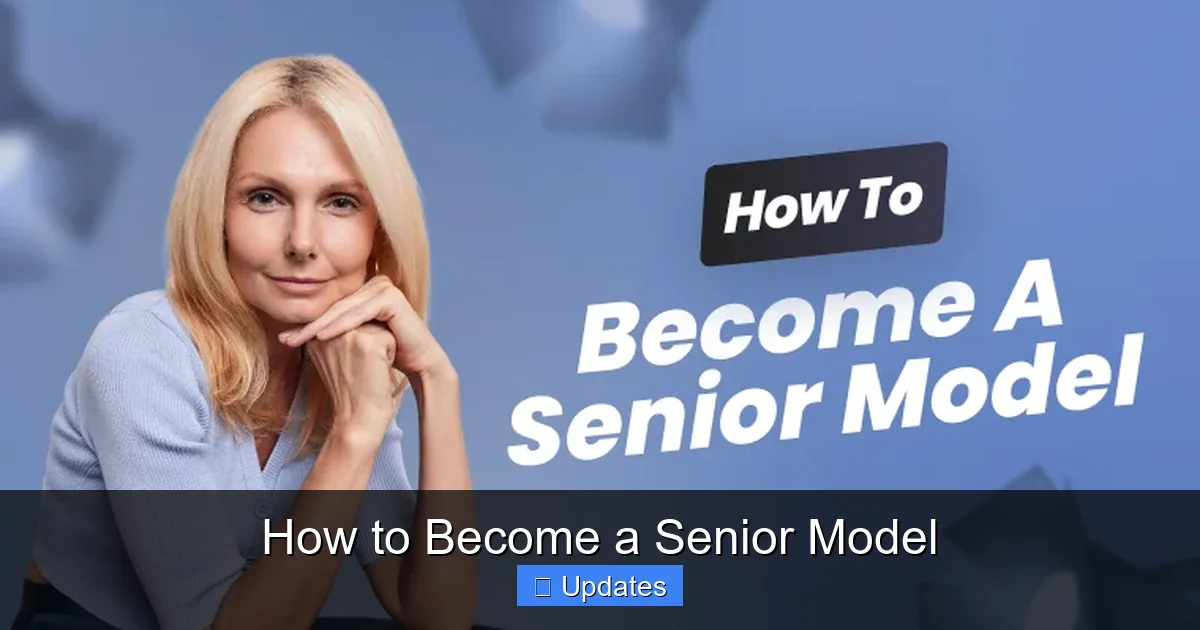
A senior model is someone typically aged 50 and above who represents brands, designers, and products in various forms of media. Unlike traditional runway or fashion models who often peak in their early 20s, senior models are valued for their maturity, poise, and real-life presence. They appear in print ads, television commercials, film roles, corporate videos, and digital content.
Visual guide about How to Become a Senior Model
Image source: static.allcasting.com
The rise of the senior model reflects broader cultural shifts. Society is aging, and so are consumers. Brands want to speak to older demographics—people who have purchasing power, life experience, and emotional intelligence. As a result, companies are seeking models who look like their customers: confident, comfortable in their skin, and unapologetically themselves.
For example, brands like Dove, AARP, and Revlon have featured senior models in major campaigns, proving that age diversity is both marketable and powerful. These models don’t just sell products—they tell stories. And stories sell.
Types of Modeling Opportunities for Seniors
Senior modeling isn’t one-size-fits-all. There are several niches where your experience and presence shine:
- Lifestyle Modeling: Showcasing everyday activities like gardening, cooking, traveling, or spending time with family. Brands love these relatable images.
- Fashion Modeling: Appearing in clothing lines designed for mature women or men—think tailored blazers, elegant dresses, or comfortable activewear.
- Commercial Modeling: Acting in TV ads, infomercials, or YouTube promotions. This often requires basic acting skills and comfort in front of the camera.
- Plus-Size and Curvy Modeling: Representing body positivity and inclusivity, especially important as more brands embrace diverse sizing.
- Cosmetic and Skincare Modeling: Promoting anti-aging creams, makeup, or wellness products. Your skin becomes your canvas.
- Corporate and Industrial Modeling: Portraying professionals in training videos, company brochures, or executive headshots.
Each type has its own requirements and opportunities. The key is identifying which path aligns with your goals, interests, and physical attributes.
Am I Too Old to Start Modeling?
Dispelling Age-Related Myths
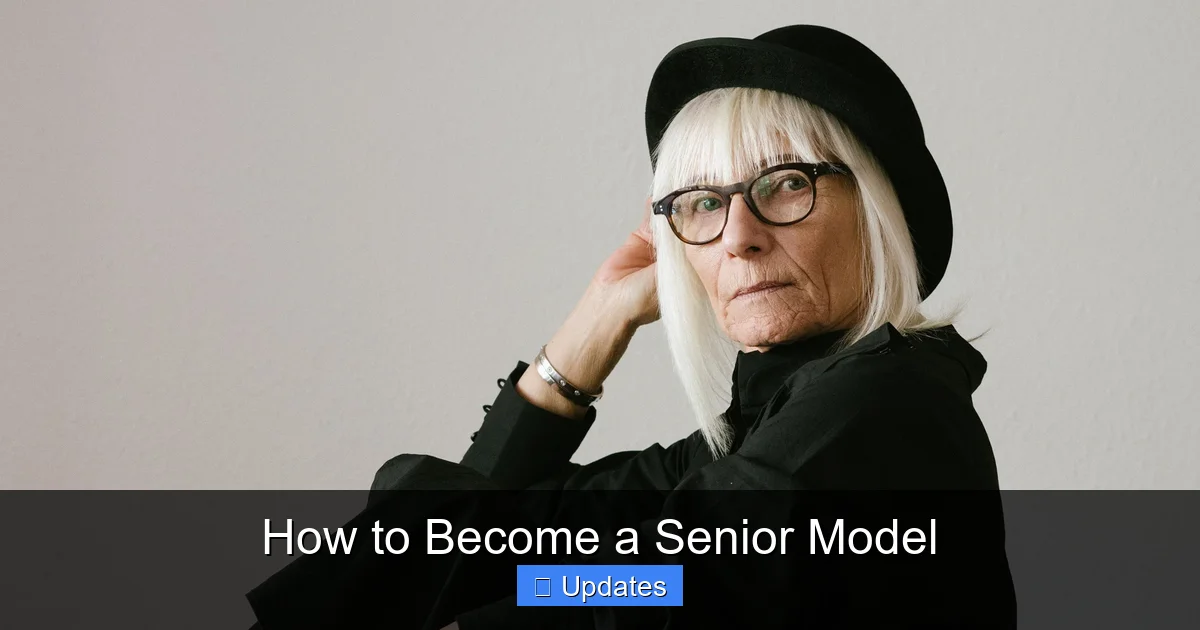
One of the biggest barriers people face when considering a modeling career is the fear of being “too old.” But here’s the truth: there is no magic cutoff age to start modeling. While some industries still cling to outdated standards, the tide is turning—especially when it comes to representing real people in real life.
Visual guide about How to Become a Senior Model
Image source: modelmanagement.com
In fact, many successful senior models began their careers later in life after decades of work in other fields. Think of actors like Jane Fonda (who launched her modeling career in her 40s), or photographers who turned their passion into a profession in their 60s. Life experience isn’t a liability—it’s an asset.
Moreover, the average person’s perception of “old” has shifted dramatically. What was once considered elderly 30 years ago is now seen as vibrant and capable. By 2050, one in five Americans will be 65 or older. That’s a massive market, and brands are taking notice.
So if you’re wondering, “Is 55 too old?” The answer is a resounding no. If you have confidence, good health, and a willingness to learn, you absolutely belong in this industry.
Real-Life Examples of Successful Senior Models
Let’s look at a few inspiring figures who prove that age is no barrier to greatness:
- Jeanette Maas: At 71, she became one of the oldest Victoria’s Secret models and appeared in campaigns for brands like L’Oréal.
- Jill Smoller: A fitness icon since the 1980s, she continues to model and inspire women over 50.
- Susan Sarandon: Though primarily an actress, she’s also modeled for brands like Chanel and Revlon, showing that timeless beauty transcends age.
These women didn’t wait for permission. They showed up, worked hard, and made space for themselves—even when doors seemed closed.
How Old Do You Have to Be to Become a Senior Model?
Defining the Senior Modeling Demographic
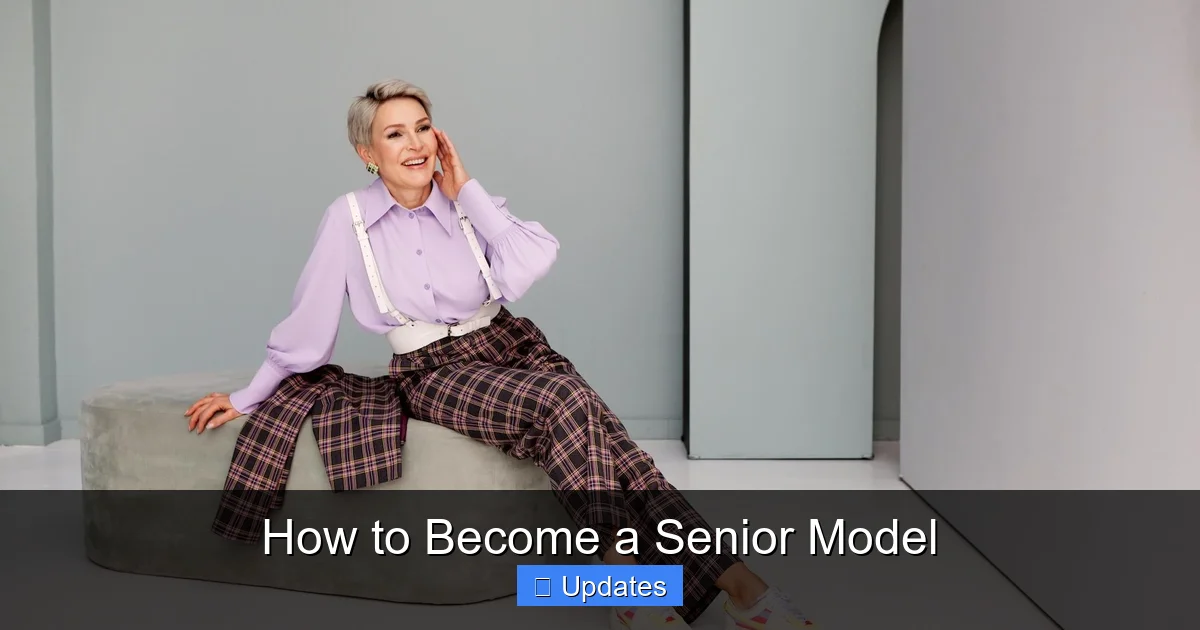
There’s no strict rulebook, but most agencies and clients consider anyone 50 and older as a potential candidate for senior modeling roles. Some campaigns go as young as 45, especially for lifestyle or wellness brands targeting the “pre-senior” market.
Visual guide about How to Become a Senior Model
Image source: d26oc3sg82pgk3.cloudfront.net
It’s important to note that while age opens doors, it doesn’t guarantee work. Just like any modeling niche, success depends on professionalism, presentation, and fit. A 52-year-old may not suit a youth-focused athletic brand, but they might be perfect for a retirement community ad or a luxury skincare line.
To put things in perspective, consider this: the U.S. Census Bureau reports that the population aged 65+ is growing faster than any other group. By 2030, all baby boomers will be at least 65. This demographic shift means demand for senior models will only increase.
So whether you’re 50 or 70, now is the time to explore your options. And if you’re curious about how old you are to be considered a senior citizen, check out our article on what age is considered to be a senior citizen for more context.
Age Flexibility Across Industries
Different sectors have different expectations:
- Fashion Editorials: Often feature models in their 50s and 60s, especially for magazines like Vogue or Harper’s Bazaar.
- Pharmaceutical Ads: Typically require individuals over 60 to represent patients accurately.
- Travel and Lifestyle Brands: Seek models in their 50s who can convincingly portray active travelers.
- Tech and Finance: May use senior executives as models in corporate communications.
The bottom line? Age is flexible—but authenticity isn’t optional.
Building Your Senior Model Portfolio
Why a Professional Portfolio Matters
Your portfolio is your modeling resume. It’s the first thing casting directors, photographers, and agents see. For senior models, it must convey confidence, versatility, and professionalism—all while showcasing your unique appeal.
A strong senior portfolio includes:
- High-quality headshots (both natural and expressive)
- Full-body shots in professional attire
- Lifestyle images (e.g., reading, walking, cooking)
- Wardrobe variety (casual, formal, business, activewear)
- Close-ups of hands, feet, and expressions (used in catalogues)
Tip: Work with a photographer experienced in senior modeling. They’ll know how to flatter your features, minimize shadows, and create lighting that enhances your natural beauty—not hides it.
DIY vs. Hiring a Pro: What Works Best?
If budget allows, hiring a professional photographer is ideal. They bring equipment, lighting, and expertise you won’t find at home. Plus, studios often offer packages specifically for mature models.
But if you’re just starting out, consider low-cost alternatives:
- Ask a friend who knows photography
- Join local photography clubs or workshops
- Use smartphone cameras with good lighting (natural light works best!)
- Take inspiration from sites like how to take senior pictures
Remember: clarity, good posture, and a genuine smile matter more than expensive gear.
Finding the Right Modeling Agency
What to Look for in an Agent
Not all modeling agencies are created equal—especially when it comes to representing seniors. Many boutique or specialty agencies focus exclusively on mature talent. Here’s how to find the right one:
- Research agencies that list senior models in their rosters
- Check their past client work—do they book real-world campaigns?
- Read testimonials from other senior models
- Avoid agencies that promise overnight fame or charge exorbitant fees upfront
Some well-known agencies representing seniors include:
- IMG Models (New York & London): Books senior models for high-fashion editorials
- Women Over 50: A UK-based agency specializing in mature women
- Senior Style Models: Focuses on lifestyle and commercial work
If you’re serious about representation, prepare a polished submission package: updated photos, measurements, contact info, and a brief bio highlighting your experience and availability.
Going Solo: Building Your Brand Independently
You don’t necessarily need an agent to succeed. Many senior models build direct relationships with brands, photographers, and production companies through social media and networking.
Start by creating a simple website or Instagram profile. Share behind-the-scenes content, your journey, and your achievements. Tag relevant brands and use hashtags like #SeniorModel, #MatureModeling, or #Over50Style.
Over time, this visibility can lead to paid gigs—without needing a middleman.
Grooming and Self-Care for Senior Models
Maintaining Your Appearance Professionally
As a senior model, your appearance speaks volumes before you even open your mouth. While you shouldn’t try to look 30, you should look healthy, polished, and camera-ready.
Focus on:
- Skincare Routine: Hydrate, protect from sun damage, and address concerns like fine lines or dryness. Consult a dermatologist if needed.
- Hair and Makeup: Keep hair styled professionally; opt for subtle, age-appropriate makeup that enhances rather than masks.
- Posture and Fitness: Good posture makes you stand out. Consider yoga, Pilates, or strength training to maintain tone and balance.
- Nutrition: Eat clean, stay hydrated, and avoid excessive salt or sugar that can cause bloating or dull skin.
Remember: confidence radiates from within. When you feel good, others notice.
Staying Healthy for Longevity in the Industry
The modeling world can be demanding. Long hours, travel, and constant scrutiny require resilience. Prioritize sleep, mental health, and regular check-ups.
If you’re managing chronic conditions like arthritis or diabetes, discuss how to present yourself comfortably with your doctor. Many senior models adapt their routines—using lighter makeup, choosing breathable fabrics, or scheduling shoots around medical appointments.
Also, stay socially connected. Loneliness can affect both mental health and physical appearance. Join modeling groups, attend workshops, or volunteer in your community.
Networking and Marketing Yourself
Building Relationships in the Industry
Success rarely happens in isolation. Attend open casting calls, fashion shows, and industry mixers. Bring business cards and be ready to talk about your goals.
Consider joining organizations like:
- AARP Media: Offers resources and connections for mature creatives
- National Association of Professional Women: Great for networking
- Local arts councils or senior centers: Often host events where models are needed
Don’t underestimate the power of word-of-mouth. If you land a job, ask for referrals. Happy clients become repeat clients—and advocates.
Leveraging Social Media Strategically
Platforms like Instagram, Facebook, and TikTok are goldmines for self-promotion. Post consistently, engage with followers, and collaborate with micro-influencers in the senior space.
Share tips on style, aging gracefully, or behind-the-scenes moments. People love authenticity—and you have plenty to offer.
Pro tip: Use tools like Canva to design professional graphics or short reels highlighting your versatility.
Common Challenges and How to Overcome Them
Dealing with Rejection and Bias
Even the most qualified senior models face rejection. Casting directors may hesitate due to outdated stereotypes or budget constraints. Don’t internalize it.
Instead:
- Seek feedback politely—ask what they’re looking for
- Expand your search to regional or online-only gigs
- Consider alternative platforms like stock photo agencies (e.g., Shutterstock) that accept senior submissions
And remember: every “no” brings you closer to the right “yes.”
Balancing Modeling with Other Commitments
If you’re retired, caregiving, or working part-time, modeling may seem overwhelming. But flexibility is possible.
Many senior models book short-term projects—weekend shoots, single-day commercials, or seasonal editorials. Treat it like freelance work: set boundaries, manage your calendar, and communicate clearly.
If you’re caring for aging parents, coordinate schedules carefully. Apps like Google Calendar help track availability and deadlines.
Financial Considerations and Earnings
How Much Do Senior Models Earn?
Unlike runway models, senior models aren’t paid millions. But they’re still compensated fairly—especially for high-profile work.
Average rates vary widely:
- Print Ads: $50–$500 per hour
- Commercials: $1,000–$10,000 per day (depending on usage rights)
- Editorials: $200–$2,000 per shoot
- Stock Photos: $50–$200 per image
Top-tier senior models with extensive portfolios and agency backing can earn six figures annually—particularly if they branch into acting or voiceover work.
To maximize income, diversify your offerings. Offer workshops, write a book, or teach photography classes.
Budgeting for Your Modeling Journey
Initial costs include:
- Portfolio photos ($200–$1,000)
- Wardrobe basics ($100–$500)
- Website or domain name ($10–$30/year)
- Union membership (if applicable, e.g., SAG-AFTRA)
Many cities offer grants or low-cost programs for mature entrepreneurs. Check with your local workforce development office or senior center.
Conclusion: Your Modeling Journey Starts Now
Becoming a senior model isn’t about chasing youth—it’s about claiming your space in an industry that’s finally catching up to reality. You bring something invaluable: lived experience, resilience, and a perspective that no algorithm or trend can replicate.
Whether you dream of gracing magazine covers, promoting ethical brands, or simply feeling seen and valued, the path is open. Start small: update your wardrobe, book a test shoot, reach out to one agency, or post your first Instagram story.
And remember—every great model started somewhere. Even the ones you admire today were once beginners. All it takes is courage, consistency, and belief in yourself.
So go ahead. Smile. Stand tall. And show the world what it means to be beautifully, authentically, and unapologetically you.
Frequently Asked Questions
At what age can you start modeling as a senior?
Most agencies consider candidates 50 and older for senior modeling roles. Some lifestyle or wellness brands may accept applicants in their late 40s. There’s no legal minimum age, but professionalism and fit matter more than numbers.
Do I need an agent to become a senior model?
No, you don’t need an agent to get started. Many successful senior models build direct client relationships through social media and networking. However, an experienced agent can open doors to bigger opportunities and negotiate better contracts.
How much does it cost to create a modeling portfolio?
A professional portfolio typically costs between $200 and $1,000, depending on the photographer and number of looks. DIY options using smartphones and natural light can be done for under $50 with careful planning.
Can I model if I have health issues?
Absolutely. Many senior models manage chronic conditions like arthritis or diabetes successfully. Discuss accommodations with photographers or casting directors in advance—many are willing to adapt lighting, poses, or scheduling.
What kind of clothes should I wear for senior modeling?
Invest in versatile, well-fitted pieces: neutral-toned blazers, classic trousers, elegant dresses, and comfortable shoes. Avoid overly trendy or revealing styles. Quality matters more than quantity—choose fabrics that drape nicely and make you feel confident.
Are there unions for senior models?
While there’s no specific union for senior models, organizations like SAG-AFTRA (Screen Actors Guild‐American Federation of Television and Radio Artists) represent performers across ages. Membership offers contract protection and access to healthcare benefits.