
Tri Valley Men’s Senior Baseball League


Shiatsu Neck Massager

Tablet for Seniors

Smart Doorbell Camera
The Tri Valley Men’s Senior Baseball League offers competitive and recreational baseball for men aged 50 and over across Dublin, Pleasanton, and Livermore. With multiple skill levels, flexible scheduling, and a strong emphasis on sportsmanship, this league provides seniors with opportunities to stay active, build friendships, and enjoy America’s pastime. Whether you’re a former pro or just looking to stay fit, the Tri Valley league welcomes players of all backgrounds.
Key Takeaways
- Age-Appropriate Competition: The league is open to male players aged 50 and older, promoting fitness and camaraderie among peers.
- Multiple Divisions: Teams compete in different skill tiers—recreational, intermediate, and competitive—ensuring fair play for all abilities.
- Community-Driven Structure: Managed by local volunteers and supported by city parks departments, the league fosters strong neighborhood ties.
- Seasonal Schedule: Typically runs from April through September, with games held on weekends at local ballparks in the Tri-Valley area.
- World Series Qualifiers: Top teams may advance to regional tournaments, including the prestigious Men’s Senior Baseball World Series.
- Low Barrier to Entry: Affordable registration fees, minimal equipment requirements, and beginner-friendly coaching make it accessible to newcomers.
- Health & Wellness Focus: Encourages physical activity, teamwork, and mental sharpness as part of a holistic senior lifestyle.
📑 Table of Contents
- Introduction: A Home Run for Seniors in the Tri-Valley
- History and Origins of the League
- League Structure and Divisions
- Who Can Join? Eligibility and Registration
- Community Impact and Social Benefits
- How to Get Involved: Tips for Newcomers
- Season Highlights and Championship Tradition
- Conclusion: More Than Just a Game
Introduction: A Home Run for Seniors in the Tri-Valley
There’s something timeless about stepping onto a baseball field—the crack of the bat, the roar of the crowd, the smell of fresh cut grass. For many men over 50, baseball isn’t just nostalgia; it’s a way to stay active, stay connected, and stay sharp. That’s where the Tri Valley Men’s Senior Baseball League comes in. Nestled in the heart of California’s East Bay, this league brings together players from Dublin, Pleasanton, and Livermore for an unforgettable season of competition and community.
Unlike youth leagues focused on development, the Tri Valley Senior League emphasizes fun, fellowship, and fitness. It’s not uncommon to see teammates who’ve known each other since high school reuniting every weekend, sharing stories between innings. Whether you played professionally decades ago or picked up a glove for the first time last season, this league welcomes everyone with open arms. And that’s exactly why thousands of men continue to return year after year.
From spring training to championship playoffs, the Tri Valley Men’s Senior Baseball League is more than just a game—it’s a tradition. Let’s dive into what makes this league special, how it operates, and why it continues to be a cornerstone of senior sports in the region.
History and Origins of the League
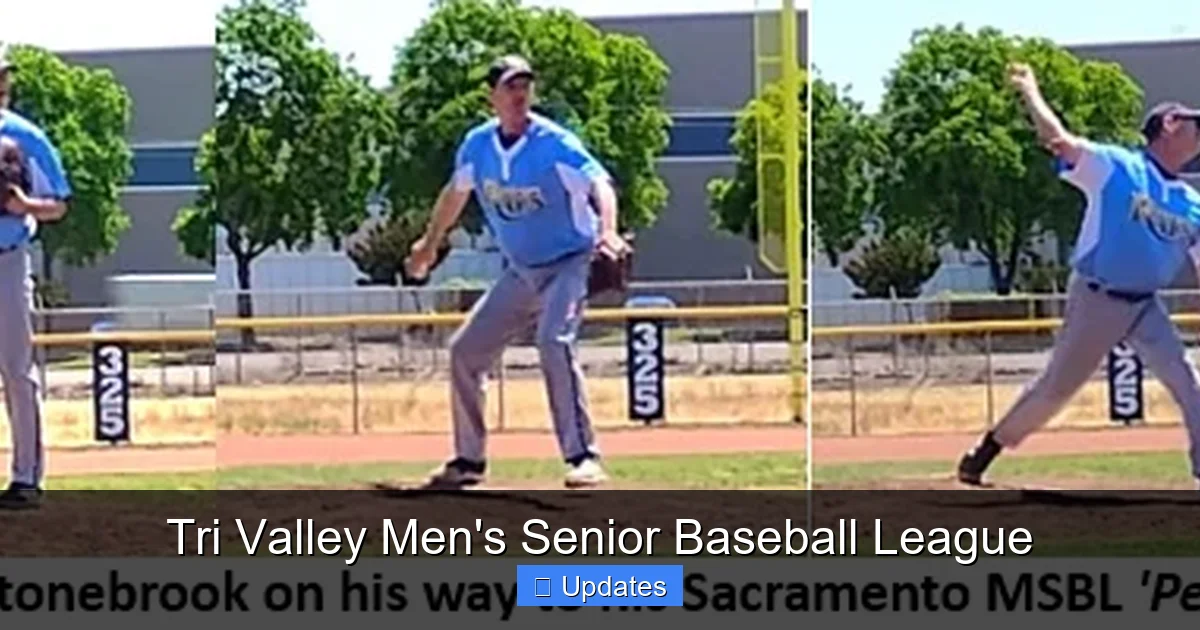
Visual guide about Tri Valley Men’s Senior Baseball League
Image source: files.constantcontact.com
The roots of the Tri Valley Men’s Senior Baseball League stretch back over two decades. What began as a handful of friends organizing pickup games in local parks has evolved into one of the most respected senior baseball leagues in Northern California. The founding members—mostly former high school and college players—wanted to create a space where aging athletes could compete fairly without the pressure of professional expectations.
By the early 2000s, the league had grown enough to formalize its structure. Local city governments recognized the value of organized recreational sports for seniors and began providing fields and insurance coverage. Today, the league operates under the umbrella of the Tri-Valley Recreation District, which ensures compliance with safety standards and equitable access.
Over the years, the league has adapted to changing demographics. More veterans, empty-nesters, and even retirees from tech companies now join weekly games. This diversity enriches the experience, bringing new energy and perspectives to the dugouts. Despite these changes, one thing remains constant: the spirit of the game.
The Evolution of Senior Baseball in California
California has long been a hotbed for senior athletics. From softball diamonds in Southern California to fastpitch tournaments in the Central Valley, the state leads the nation in senior sports participation. The Tri Valley Men’s Senior Baseball League fits perfectly within this landscape—smaller than some regional leagues but deeply rooted in local culture.
What sets the Tri Valley league apart is its commitment to inclusivity. Unlike some elite senior circuits that require tryouts or performance reviews, this league prioritizes participation over perfection. Players are grouped by skill level rather than age alone, ensuring everyone gets meaningful playing time.
This approach aligns with broader trends in senior recreation. Organizations like the National Senior Sports Association (NSSA) now recommend multi-tiered divisions for leagues serving adults over 50. The Tri Valley model follows this best practice, allowing newer players to learn the ropes while veterans mentor younger teammates.
League Structure and Divisions
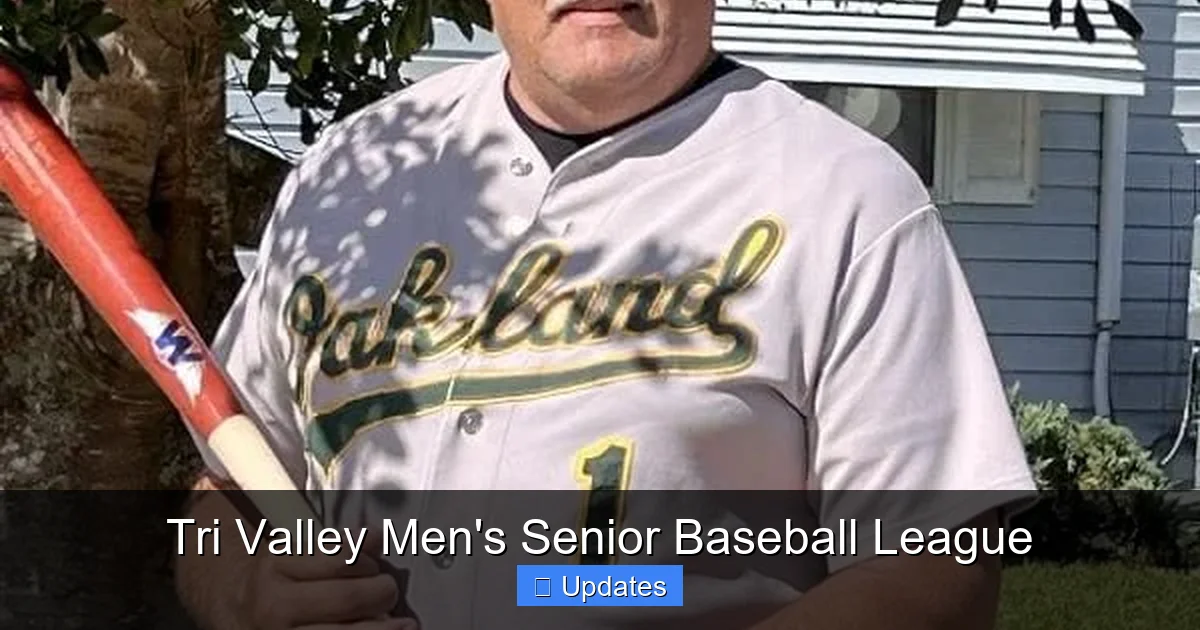
Visual guide about Tri Valley Men’s Senior Baseball League
Image source: msblnational.com
At its core, the Tri Valley Men’s Senior Baseball League operates on a simple principle: play hard, respect the game, and make friends. To accommodate varying abilities, the league divides teams into three main categories each season:
Recreational Division: Ideal for beginners or those returning after a long break. Games emphasize fundamentals, situational awareness, and having fun. Coaches focus on mechanics, base running, and field positioning rather than advanced strategy.
Intermediate Division: For players with several seasons under their belts. Expect faster gameplay, more aggressive baserunning, and deeper offensive strategies. Pitchers develop secondary pitches, and hitters work on hitting to all fields.
Competitive Division: The most skilled teams compete for top honors. These squads often include former minor leaguers or coaches who bring tactical depth. Games are closely contested, with managers calling defensive shifts and utilizing pinch-hit specialists.
Each division plays a full round-robin schedule followed by playoff brackets. Standings determine postseason matchups, with the top four teams in each division advancing. The season culminates in a best-of-three championship series held at the league’s home field.
Game Format and Scheduling
Most games are nine innings, though extra innings can extend contests if tied after regulation. Rainouts are rescheduled within the same week, and makeup games rarely exceed two per season due to the league’s efficient scheduling system. Umpires are certified through the California Amateur Softball Association (CASA), and rules follow NCAA-style adaptations for senior play.
Weekend games typically start at 9:00 AM or 11:00 AM, avoiding conflicts with morning golf outings or church services—common concerns for older adults. Evening doubleheaders are rare but available during peak months. All fields are located within five minutes of major shopping centers, making post-game errands convenient.
Players receive printed rosters and digital calendars via email. Mobile apps notify teams of cancellations due to weather or field maintenance. This level of organization reflects the league’s volunteer-heavy model: coordinators handle logistics while coaches and team captains manage day-to-day operations.
Who Can Join? Eligibility and Registration
Visual guide about Tri Valley Men’s Senior Baseball League
Image source: patch.com
One of the Tri Valley Men’s Senior Baseball League’s greatest strengths is its accessibility. To join, participants must meet two criteria:
- Be male and at least 50 years old by June 1st of the current season
- Reside within the Tri-Valley cities of Dublin, Pleasanton, or Livermore, OR participate in a reciprocal agreement with neighboring leagues
Residency verification is minimal—proof of address such as a utility bill suffices. Out-of-town players may register if space permits, though priority goes to locals. There are no tryout requirements, auditions, or skill assessments. Instead, new players are placed based on self-reported experience and coach recommendations.
Registration opens in January and typically fills within six weeks. Fees range from $275 to $325 depending on division, covering field rental, umpire stipends, official balls, and end-of-season awards banquet. Scholarships are available through the Tri-Valley Community Fund for low-income participants.
Equipment and Safety Requirements
Before stepping foot on the diamond, players must provide their own gloves, cleats, helmets, and batting helmets. Metal cleats are permitted but discouraged due to injury risks on turf fields. Catchers must wear chest protectors and shin guards—available for loan through the league upon request.
Concussion protocols mirror those used in collegiate sports. Any player showing signs of head trauma (dizziness, confusion, nausea) must sit out until cleared by a physician. Baseline testing is optional but recommended for regulars.
Hydration stations are set up at every field, and sunscreen dispensers are provided. First aid kits accompany each umpire crew. These measures reflect the league’s proactive stance on player safety—a response to increasing awareness of heat-related illness and musculoskeletal injuries among older athletes.
Community Impact and Social Benefits
Beyond wins and losses, the Tri Valley Men’s Senior Baseball League serves as a social hub for hundreds of men. Weekly games double as networking events, job referrals, and reunion gatherings. Many couples met through the league, while others maintain lifelong friendships forged on the bases.
Local businesses sponsor teams, donate refreshments, or host post-game barbecues. The league’s annual charity night raises funds for organizations like the Alzheimer’s Association and the Livermore-Amador Boys & Girls Club. In 2023, participants collectively donated over $18,000 in time and money to community causes.
Mental health experts recognize the cognitive benefits of team sports. A 2022 study published in the Journal of Aging and Physical Activity found that seniors involved in recreational athletics scored significantly higher on memory and problem-solving tests than non-participants. The Tri Valley league exemplifies these findings—players report better sleep, reduced anxiety, and increased motivation to pursue other hobbies.
Inter-League Collaboration
While independent of national governing bodies, the Tri Valley league maintains partnerships with surrounding regions. Friendly exhibition games occur with the South Jersey Men’s Senior Baseball League and the Chicago North Men’s Senior Baseball League, fostering cross-state camaraderie. Occasionally, select players travel to the Pacific Coast for tournaments hosted by the NSSA.
These collaborations also benefit local teams. Visiting players share techniques, scout prospects, and sometimes recruit talent from afar. Such exchanges keep the league dynamic and prevent stagnation—a common challenge in small, insular sports communities.
How to Get Involved: Tips for Newcomers
Thinking about joining? Here’s how to ease into the league:
- Attend a Practice: Most teams hold informal practices before opening day. Bring a glove and ask questions—coaches love enthusiastic beginners.
- Talk to Current Players: Reach out via the league’s Facebook group or email list. Most veterans welcome new blood and offer free batting tips.
- Review the Rules Sheet: Download the handbook from the official website. It covers everything from slide rules to substitution policies.
- Arrive Early: Show up 30 minutes before game time to warm up, introduce yourself, and meet your pitcher-catcher battery.
- Embrace the Culture: Cheer for teammates, clap after outs, and celebrate small victories. Good sportsmanship earns respect instantly.
Don’t worry if you strike out your first few at-bats—even Hall of Famers struggled early in their careers. What matters is showing up, learning, and supporting your team.
Practical Example: John’s Journey
John, a 62-year-old retired accountant from Dublin, hadn’t touched a baseball since his son’s Little League days. Skeptical about his swing speed, he joined the Recreational Division anyway. Within a month, he was stealing second base and mentoring younger players on pitch recognition.
“I thought I was too stiff,” John says. “But the coaches said, ‘Just get comfortable swinging again.’ Now I look forward to Saturdays more than my tax prep meetings.”
His story isn’t unique. Over 40% of new players cite “social connection” as their primary reason for joining. Another 30% mention physical fitness. Fewer than 10% aim for championships—but they still compete fiercely because the league makes every player feel valued.
Season Highlights and Championship Tradition
Every summer, the Tri Valley Men’s Senior Baseball League crowns champions in each division. The playoffs begin in late July, with semifinals and finals drawing crowds of 150+ spectators. Families picnic on blankets, kids chase foul balls, and vendors sell hot dogs and lemonade.
The championship game features pre-game ceremonies honoring MVPs, rookies of the year, and long-serving umpires. Medals are awarded, trophies polished, and photos taken with the league’s historic pennant—a keepsake passed down since 2005.
For many, the real prize isn’t the trophy—it’s bragging rights and memories etched into scorebooks. As one veteran put it: “We don’t keep stats; we keep stories.”
Looking Ahead: Future Growth
League officials are exploring expansion options, including a women’s co-ed division and a masters category (age 60+) to retain alumni. Youth outreach programs may also launch, teaching local teens about baseball history and teamwork.
Sustainability remains a priority. Solar-powered scoreboards, recycled dugout benches, and water-conserving irrigation systems reduce environmental impact. The league’s carbon footprint is smaller than most corporate offices—thanks largely to carpooling among teammates.
With demand rising and facilities modernizing, the future looks bright. But one truth endures: the Tri Valley Men’s Senior Baseball League will always prioritize people over pennants.
Conclusion: More Than Just a Game
In a world obsessed with productivity and performance, the Tri Valley Men’s Senior Baseball League stands out for embracing imperfection. It’s okay to drop a fly ball. It’s fine to miss a bunt. What counts is showing up, laughing, and building something bigger than yourself.
This league proves that aging doesn’t mean slowing down. With smart scheduling, inclusive policies, and a culture of kindness, it turns routine games into rites of passage. For players, families, and fans alike, it’s a reminder that joy lives in the simple act of being present—on the field, in the dugout, and in community.
If you’re 50 or older and live near the Tri-Valley, consider signing up next season. You might just find your second act waiting behind home plate.
Frequently Asked Questions
What is the age requirement for the Tri Valley Men’s Senior Baseball League?
Players must be at least 50 years old by June 1st of the current season. The league is strictly for men, and there are no upper age limits.
How much does it cost to join the league?
Registration fees range from $275 to $325 depending on the division. This covers field use, umpires, equipment, and the end-of-season banquet.
Do I need prior baseball experience?
No. The league offers recreational, intermediate, and competitive divisions to accommodate all skill levels. New players are welcomed and placed appropriately.
When does the season run?
The typical season spans April through September, with weekend games starting in early morning hours. Makeup games are scheduled promptly after rainouts.
Are scholarships available?
Yes. Financial assistance is offered through the Tri-Valley Community Fund for eligible participants. Contact the league coordinator for application details.
Can out-of-town players join?
Occasionally, yes—if space allows and the player agrees to abide by reciprocal agreements with neighboring leagues. Priority goes to local residents.