
Modular Homes Built for Handicap or Senior Citizens


Leg Massager for Circulation

GPS Tracker for Elderly

Mattress Topper Memory Foam
Modular homes built for handicap or senior citizens are revolutionizing accessible housing with smart design, cost savings, and personalized layouts. These homes prioritize safety, ease of use, and long-term independence—perfect for aging in place. Whether you’re planning ahead or responding to mobility challenges, modular designs offer flexible, high-quality living spaces tailored to individual needs.
Key Takeaways
- Accessibility First: Modular homes for seniors and people with disabilities include zero-step entries, wide doorways, and roll-under sinks—designed from the ground up for ease of use.
- Cost-Effective Construction: Built in climate-controlled factories, modular homes reduce waste, shorten build times, and often cost less than traditional homes while meeting or exceeding building codes.
- Customizable Layouts: Homeowners can personalize floor plans, room sizes, and fixture placement to support daily routines, medical equipment needs, and future care requirements.
- Energy Efficiency & Safety: Advanced insulation, low-maintenance materials, and smart home tech improve comfort and reduce utility costs while enhancing fall prevention and emergency response.
- Aging in Place Made Possible: With adaptable features like grab bars, non-slip flooring, and ceiling lifts, these homes allow seniors to live independently longer without major renovations.
- Financing & Support Options: Many government grants, VA loans, and nonprofit programs help cover costs, especially when homes meet accessibility standards.
📑 Table of Contents
- Introduction: A New Era of Comfortable Living
- What Makes a Modular Home Accessible?
- Top Features in Modular Homes for Seniors and People with Disabilities
- Customization Options: Tailoring Your Home to Fit You
- Cost Considerations: Are Modular Homes Affordable?
- Choosing the Right Builder: What to Look For
- Maintenance and Long-Term Care
- Conclusion: More Than Just a House—A Lifestyle Upgrade
Introduction: A New Era of Comfortable Living
Imagine coming home after a doctor’s visit, stepping through a doorway wide enough for your walker, finding a bathroom with grab bars already installed, and knowing your kitchen counter is at just the right height. For many senior citizens and individuals with physical limitations, this isn’t a fantasy—it’s the reality offered by modular homes built for handicap or senior citizens. These specially designed homes combine modern construction techniques with thoughtful architecture to create safe, functional, and beautiful living spaces that grow with their residents.
Unlike older homes that require costly retrofits to meet accessibility needs, modular homes are engineered with accessibility in mind from day one. Built in factory-controlled environments, they undergo rigorous quality checks before being assembled on-site. This means fewer weather delays, consistent craftsmanship, and faster move-in times. Plus, because they’re constructed indoors, materials aren’t exposed to rain, snow, or temperature swings that can warp wood or damage finishes. The result? Homes that last longer, perform better, and look great year-round.
For families caring for aging parents or individuals managing chronic conditions, the peace of mind that comes with a well-designed, accessible home cannot be overstated. And thanks to advances in modular technology, today’s models rival—and sometimes surpass—the quality of site-built houses. In this guide, we’ll walk you through everything you need to know about choosing, customizing, and financing a modular home built for handicap or senior citizens.
What Makes a Modular Home Accessible?

Visual guide about Modular Homes Built for Handicap or Senior Citizens
Image source: rolstoelco.com
Not all modular homes are created equal—especially when it comes to accessibility. To truly serve the needs of seniors or people with disabilities, these homes must go beyond basic modifications. Instead, they integrate universal design principles into every aspect of construction.
Universal Design Principles
Universal design means creating spaces usable by everyone, regardless of age or ability. It’s not about adding ramps as an afterthought; it’s about building them in from the start. Here’s how this philosophy plays out in real-world modular homes:
– **Zero-step entries**: No more climbing stairs or navigating thresholds.
– **Wide hallways and doorways** (minimum 36 inches) allow easy passage for wheelchairs and walkers.
– **Open floor plans** reduce obstacles and improve visibility.
– **Adjustable-height counters and sinks** accommodate both seated and standing users.
– **Lever-style handles** replace knobs, which can be hard to grip.
These features don’t just make life easier—they prevent accidents. According to the CDC, falls are the leading cause of injury among adults aged 65+. By removing tripping hazards and installing slip-resistant flooring, modular homes significantly lower risk factors.
Smart Technology Integration
Today’s modular homes often include smart systems that enhance safety and convenience. Voice-activated lighting, automated thermostats, and remote-controlled locks let residents manage their environment without strain. Emergency alert buttons linked to caregivers or medical services provide instant help if needed—all built into the home’s wiring during fabrication.
Top Features in Modular Homes for Seniors and People with Disabilities

Visual guide about Modular Homes Built for Handicap or Senior Citizens
Image source: rolstoelco.com
When shopping for an accessible modular home, focus on features that promote independence, comfort, and long-term usability.
One-Level Living
The single biggest advantage is eliminating stairs. One-level designs mean bedrooms, bathrooms, kitchens, and laundry rooms are all on the main floor. This reduces fatigue, prevents falls, and makes errands like grocery shopping or visiting neighbors much simpler.
Some models even include optional elevators or stairlifts for multi-story builds, but most senior-focused modular homes prioritize ground-level access above all else.
Walk-In Showers and Roll-In Tubs
Traditional bathtubs pose serious risks for those with balance issues. Walk-in showers with built-in seating, handheld showerheads, and thermostatic controls offer safer alternatives. Roll-in tubs eliminate the need to step over high edges—a game-changer for wheelchair users.
Pro tip: Choose textured, non-slip tiles and install fold-down shower seats. These details add minimal cost but maximum safety.
Ample Storage and Counter Space
As mobility declines, reaching high shelves becomes harder. Lower cabinets, pull-out drawers, and adjustable shelving ensure everything stays within easy reach. Deep sinks with pop-up faucets reduce bending, and task lighting over countertops improves visibility during meal prep.
Climate Control and Energy Efficiency
Modular homes use advanced insulation and tight construction to maintain steady indoor temperatures. This cuts heating and cooling bills—often 20–30% lower than older homes—while reducing drafts and humidity. For seniors sensitive to temperature changes, consistent comfort is essential.
Many models also qualify for ENERGY STAR certification, further lowering utility costs and environmental impact.
Customization Options: Tailoring Your Home to Fit You
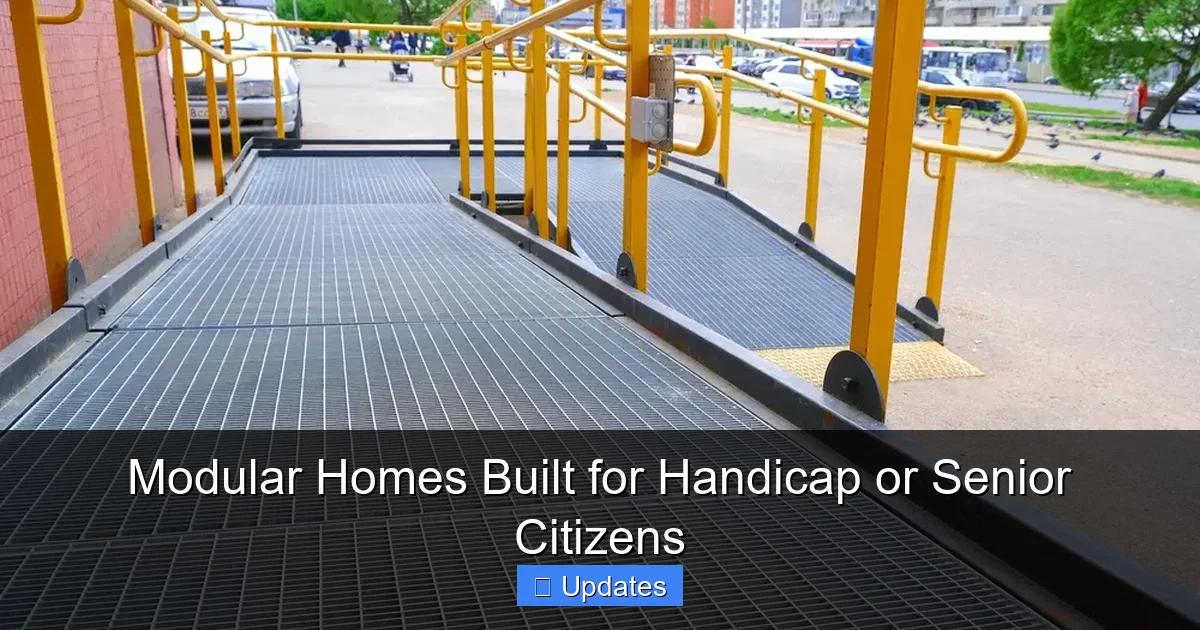
Visual guide about Modular Homes Built for Handicap or Senior Citizens
Image source: rolstoelco.com
One of the biggest myths about modular homes is that they lack personalization. Nothing could be further from the truth—especially when working with builders experienced in accessible design.
Floor Plan Flexibility
You can choose from dozens of pre-approved layouts or work with architects to create something truly unique. Popular configurations include:
– Open-concept great rooms that connect living areas seamlessly
– Bedrooms near bathrooms to minimize nighttime trips
– Flexible guest rooms that double as offices or therapy spaces
During construction, builders can relocate electrical outlets, widen hallways, or lower light switches—all without starting over.
Material Choices
From low-VOC paints to moisture-resistant drywall, materials are selected for durability and health. Hardwood floors are common, but cork or rubber flooring offers better traction. Windows with easy-open mechanisms reduce arm strength needed to operate them.
Future-Proofing Your Investment
Consider how your needs might change. Will you eventually need a hospital bed? A ceiling-mounted lift system may seem unnecessary now, but installing reinforced support beams early avoids messy retrofits later.
Similarly, pre-wiring for future medical devices ensures your home stays relevant as technology evolves.
Cost Considerations: Are Modular Homes Affordable?
Yes—but “affordable” looks different depending on your situation. While luxury modular homes can approach traditional prices, entry-level accessible models typically cost 10–20% less due to streamlined production.
Hidden Savings
Beyond upfront construction costs, consider:
– **Faster build times**: Move in months instead of years.
– **Lower insurance premiums**: Safer construction often qualifies for discounts.
– **Government incentives**: Tax credits, grants, and loan guarantees may offset expenses.
In some states, homeowners who install accessibility features can claim deductions on their property taxes. The U.S. Department of Housing and Urban Development (HUD) also offers resources for first-time buyers.
Financing Your Dream Home
Options include:
– FHA Section 203(k) Rehabilitation Loans (for renovations)
– VA loans (if applicable)
– USDA Single Family Housing Guaranteed Loan Program
– State-specific senior housing grants
Working with a lender familiar with modular construction ensures smoother approval—even if you’ve never owned a prefab home before.
Choosing the Right Builder: What to Look For
Not every modular builder specializes in accessible design. Seek out companies with:
– Experience in senior or disability-friendly projects
– Partnerships with occupational therapists or geriatric consultants
– Positive reviews from similar clients
– Certifications like Certified Aging-in-Place Specialist (CAPS)
Ask for samples of past builds and talk to homeowners about maintenance, durability, and customer service. A good builder will walk you through every stage—from initial sketches to final walkthrough.
Maintenance and Long-Term Care
Because modular homes are built to tighter tolerances than site-built houses, they’re often easier to maintain. Sealed exteriors resist rot and pests, and interior finishes hold up well under daily wear.
However, always follow manufacturer guidelines for cleaning and repairs. Using harsh chemicals or improper tools can void warranties and damage surfaces.
Regular Inspections
Even minor cracks or loose fittings should be addressed promptly. Schedule annual inspections to catch issues early—especially important as physical abilities change over time.
Conclusion: More Than Just a House—A Lifestyle Upgrade
A modular home built for handicap or senior citizens isn’t just about four walls and a roof. It’s about restoring dignity, promoting independence, and creating a space where everyday tasks feel effortless. With thoughtful design, modern materials, and supportive technology, these homes empower residents to age gracefully in familiar surroundings.
Whether you’re downsizing, recovering from surgery, or simply preparing for the future, investing in accessible housing is one of the smartest decisions you can make. Not only does it improve quality of life, but it also protects your finances and preserves your sense of control.
Remember: accessibility doesn’t have to mean sacrificing style. Today’s modular homes come in sleek, contemporary designs that blend beautifully with any neighborhood. And because they’re built faster and greener than traditional homes, you’re making an eco-conscious choice too.
If you’re ready to explore options, start by consulting with a CAPS-certified designer or visiting model homes in your area. The journey to a safer, more comfortable home begins with a single step—and that step can be perfectly level.
—
Frequently Asked Questions
Are modular homes for seniors covered by warranties?
Yes, most modular homes come with comprehensive warranties covering structural components, appliances, and systems for 10–25 years. Be sure to read the fine print and ask about exclusions related to accessibility features.
Can I finance a modular home for a disabled family member?
Absolutely. Programs like HUD-insured loans, VA loans, and state grant initiatives often support accessible housing. Speak with a financial advisor experienced in modular construction to find the best fit.
How do I ensure my modular home meets local building codes?
Work with builders licensed in your state and verify they follow ICC (International Code Council) standards. Most reputable manufacturers provide documentation showing compliance with ADA and Fair Housing Act requirements.
Can I add accessibility features later if needed?
While possible, retrofitting can be expensive and disruptive. That’s why many opt for modular homes designed with flexibility in mind—so upgrades like ceiling lifts or widened doorways can be added cleanly during or after construction.
Are there tax benefits for building an accessible modular home?
In some cases, yes. The IRS allows medical expense deductions for home modifications that increase value or extend life. Consult a tax professional to explore eligibility based on your location and project scope.
Where can I find builders specializing in senior-friendly modular homes?
Look for companies with CAPS certification, positive testimonials from similar clients, and partnerships with organizations like the National Association of Home Builders (NAHB). Online directories and local senior centers often recommend trusted providers.