
Milford Senior Center Milford De


Jar Opener for Weak Hands

Large Button TV Remote

Electric Jar Opener
The Milford Senior Center in Milford, Delaware is a vibrant hub for adults aged 55+ offering social activities, fitness classes, health screenings, and community engagement. Located at 100 West Delaware Avenue, this nonprofit organization fosters independence, wellness, and meaningful connections. Whether you’re looking for meal programs, educational workshops, or volunteer opportunities, the center provides accessible resources tailored to seniors’ needs. With flexible hours and a welcoming atmosphere, it’s more than just a gathering place—it’s a cornerstone of Milford’s aging population.
If you’re a senior living in or near Milford, Delaware, or even if you’re visiting the area, chances are good that you’ve heard whispers about the Milford Senior Center—but do you know what makes it truly special? Nestled in the heart of Sussex County, this dynamic community hub isn’t just another building with chairs and tables; it’s a lifeline for hundreds of locals who value connection, health, and purpose in their golden years. Whether you’re seeking companionship after retirement, need help navigating Medicare options, or simply want to try a new hobby without leaving town, the Milford Senior Center stands ready to welcome you.
Founded over three decades ago by a coalition of civic leaders and concerned citizens, the center began as modest space behind City Hall before moving into its current, purpose-built facility on West Delaware Avenue in 2008. Today, it spans nearly 20,000 square feet filled with classrooms, multipurpose rooms, computer labs, a fully equipped kitchen, and even an outdoor garden plot where members grow fresh herbs and vegetables together. But beyond brick and mortar, the real magic happens between people—when two strangers strike up a conversation at bingo night or when lifelong friendships bloom over shared lunches.
What sets the Milford Senior Center apart from similar facilities across the region is its deep integration into the fabric of local life. Unlike larger regional centers that sometimes feel impersonal due to high demand and limited staffing, this one maintains close ties with city government, faith communities, healthcare providers, and small businesses. That means programming stays relevant, responsive, and deeply rooted in the actual needs and interests of Milford residents. From bilingual outreach efforts to accessibility upgrades for mobility-impaired guests, every detail reflects a commitment to inclusion.
Key Takeaways
- Location & Hours: The Milford Senior Center is located at 100 West Delaware Avenue, Milford, DE 19963. It typically operates Monday through Friday from 8:30 AM to 4:30 PM, with extended hours during special events.
- Target Population: Open to adults aged 55 and older, as well as their spouses regardless of age. Some programs may be available for younger individuals with disabilities under specific eligibility criteria.
- Core Services: Offers daily congregate meals, health education, fitness classes (like yoga and tai chi), arts & crafts, technology training, and transportation assistance.
- Community Impact: Serves over 1,200 active members annually and partners with local organizations to expand access to healthcare, legal aid, and housing support.
- Funding & Accessibility: Funded through state allocations, federal grants (such as Older Americans Act funds), private donations, and fee-based programs. Sliding scale fees apply for meal services based on income.
- Special Events: Hosts seasonal festivals, holiday celebrations, speaker series, and intergenerational programs that connect seniors with schools and youth groups.
- Volunteer Opportunities: Welcomes volunteers for meal prep, tutoring, event planning, and administrative tasks. Over 150 regular volunteers contribute weekly.
📑 Table of Contents
History and Mission of the Milford Senior Center
The story of the Milford Senior Center begins in the early 1990s, when demographic shifts revealed a growing population of older adults in southern Delaware who lacked coordinated support services. Local leaders like Dr. Eleanor Whitmore, then director of the Delaware Department of Aging and Community Services, spearheaded efforts to establish a dedicated facility. After securing initial seed funding from the state legislature and matching grants from the United Way, construction started in 1997 on what would become a model for rural senior centers nationwide.
Over the years, the center has evolved alongside the community it serves. In 2005, a major renovation expanded dining capacity and added wheelchair-accessible restrooms—a critical upgrade following advocacy by disability-rights groups. Then, in 2008, the move to the new campus marked a turning point: now equipped with modern technology infrastructure, energy-efficient systems, and flexible meeting spaces, the center could host larger gatherings and offer more diverse programming than ever before.
Today, the official mission statement reads: “To empower older adults in Milford and surrounding communities to live independently, actively, and with dignity through accessible programs, supportive relationships, and lifelong learning opportunities.” This guiding principle shapes everything from daily operations to strategic planning. For example, when budget constraints threatened meal service reductions last year, staff launched a “Friends of the Center” campaign that raised enough private funds to maintain full nutrition offerings while also launching subsidized delivery routes for homebound seniors.
One often-overlooked aspect of the center’s legacy is its role as a training ground for future gerontologists and social workers. Many students from nearby Delaware Technical Community College complete internships here each semester, gaining hands-on experience in areas like nutrition counseling, activity coordination, and elder law referrals. These partnerships not only enrich student learning but also ensure that the center remains at the forefront of best practices in senior care.
Programs and Services Offered

Visual guide about Milford Senior Center Milford De
Image source: milfordlive.com
At the core of the Milford Senior Center’s daily rhythm are its signature programs—each designed to address common challenges faced by aging individuals while promoting joy and engagement. Let’s break down some of the most popular offerings:
Dining Services: Nourishment and Community
Nothing brings people together quite like a shared meal. Every weekday, between 11:00 AM and 12:30 PM, the center serves hot, nutritious lunches prepared fresh on-site using locally sourced ingredients whenever possible. Menus rotate weekly and adhere to dietary guidelines set by the USDA’s MyPlate initiative, ensuring balanced portions of lean protein, whole grains, fruits, and vegetables. Special accommodations are made for those with diabetes, gluten intolerance, or other medical restrictions—just notify staff upon arrival.
For many participants, lunchtime doubles as therapy. “Before joining the center, I ate alone every day,” shares Margaret R., a 78-year-old widow who’s been attending for six years. “Now I look forward to seeing my friends, hearing about their week, and knowing someone cares if I’m absent.” To further combat isolation, the center introduced “table captains”—trained volunteers who facilitate conversations and encourage quieter members to participate.
Beyond sit-down meals, the center runs a robust Meals on Wheels program delivering food to over 40 homebound seniors monthly. Recipients receive three nutritionally balanced meals plus wellness checks, reducing risks associated with malnutrition and loneliness. Transportation subsidies are available for those unable to afford delivery fees.
Health and Wellness Initiatives
Staying physically and mentally sharp becomes increasingly important as we age—and the Milford Senior Center treats wellness holistically. On Tuesdays and Thursdays, certified instructors lead low-impact exercise classes such as chair yoga, water aerobics (at the nearby YMCA), and gentle stretching routines tailored for arthritis sufferers. Blood pressure screenings occur every Wednesday morning, with results shared directly with primary care physicians upon request.
Mental wellness is equally prioritized. Monthly mindfulness workshops teach breathing techniques and meditation strategies to reduce anxiety and improve sleep quality. Additionally, partnership with Christiana Care Health System allows free flu shots and bone density scans during quarterly health fairs—events that draw hundreds of attendees each time.
Educational components round out these initiatives. Nutritionists host cooking demos focusing on budget-friendly, heart-healthy recipes, while pharmacists conduct medication reconciliation sessions to prevent dangerous drug interactions. Recent additions include virtual reality experiences simulating nature walks and cognitive games shown to delay dementia onset.
Cultural and Recreational Activities
Creativity thrives at the center! Art classes range from beginner-level drawing to advanced pottery sessions using kilns imported from Maine. Music lovers gather weekly for sing-alongs featuring classic hits from the ‘50s through the ‘80s, led by volunteer pianist Carl H., whose repertoire spans jazz standards to country ballads. For tech-savvy seniors, IT coaches provide one-on-one instruction on smartphones, tablets, and video conferencing tools—enabling remote participation in family events or telehealth appointments.
Seasonal programming keeps things fresh. Summer brings outdoor movie nights under string lights, fall features pumpkin carving contests, and winter hosts gingerbread house decorating. During holidays, intergenerational projects link center members with elementary school students for collaborative art displays or reading buddies sessions.
Don’t miss the monthly book club, which meets in the library alcove and often invites guest authors for Q&A panels. Last spring, bestselling novelist Patricia G. visited to discuss her latest memoir, drawing standing-room-only crowds.
Educational Workshops and Lifelong Learning
Knowledge never expires at the Milford Senior Center. Throughout the academic year, rotating lecture series cover topics ranging from financial literacy (including Social Security optimization strategies) to environmental sustainability (how to compost at home). Guest speakers include representatives from local banks, insurance agencies, and nonprofit organizations offering resources for caregivers, veterans, and LGBTQ+ elders.
Technology literacy remains a top priority. Basic computer skills classes introduce keyboarding, email setup, and internet safety protocols. Intermediate sessions dive deeper into cloud storage, online banking, and digital photo editing. For seniors intimidated by screens, peer mentors—many retired teachers—provide patient, personalized coaching.
Adult education credits are accepted toward continuing education requirements for certain professional licenses, making workshops valuable beyond pure enjoyment. Plus, certificates of completion boost resumes for those considering part-time work or consulting roles post-retirement.
Accessibility and Inclusion Efforts
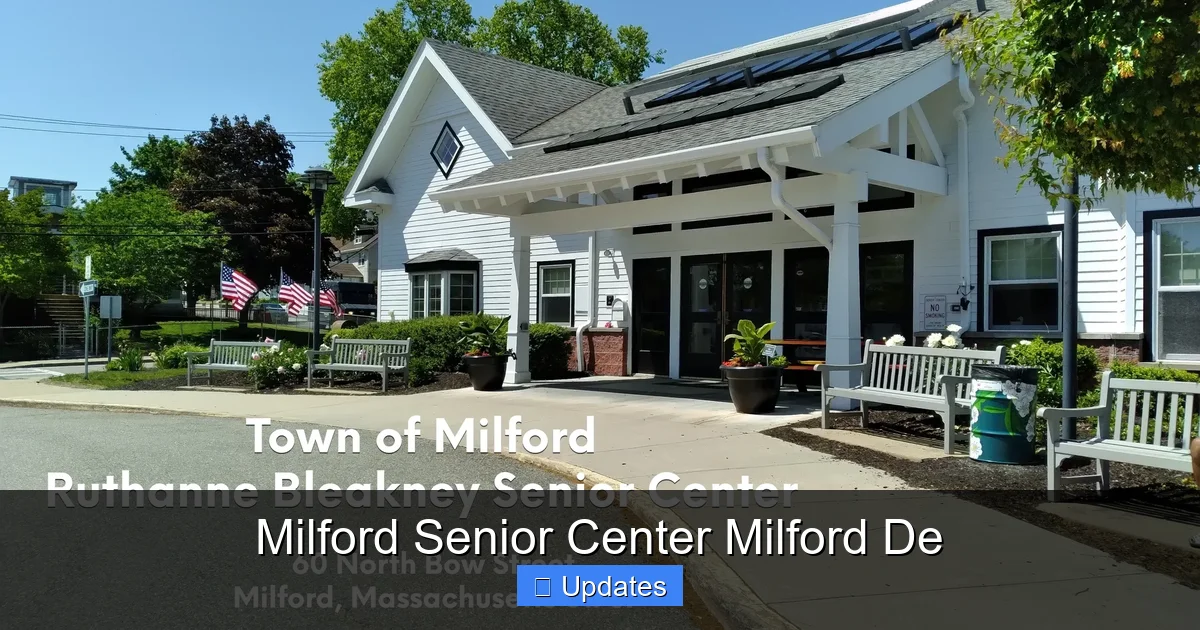
Visual guide about Milford Senior Center Milford De
Image source: img1.wsimg.com
True community means everyone belongs—and the Milford Senior Center leaves no stone unturned in ensuring equitable access. Physical modifications include automatic door openers, tactile signage, and wide corridors accommodating walkers and wheelchairs. Restrooms feature grab bars and emergency call buttons, while parking spots near entrances are reserved for seniors with disabilities.
Culturally, the center actively recruits Spanish-speaking volunteers and offers materials in both English and Spanish for key communications. Staff undergo annual cultural competency training to better serve diverse populations, including African American, Hispanic, and Indigenous elders. Bilingual case managers assist non-native speakers with benefit applications and appointment scheduling.
Socially, outreach coordinators visit nursing homes, assisted living facilities, and faith-based groups to promote awareness. Flyers distributed at grocery stores, libraries, and physician offices highlight upcoming events in plain language. Senior-friendly websites use large fonts and high-contrast colors, and phone menus offer voice-activated navigation options.
Transportation remains a barrier for some; thus, the center coordinates carpools with ride-share companies and subsidizes MetroTransit passes for low-income attendees. Home delivery services extend beyond meals to include activity kits (for craft projects sent to participants’ homes) and wellness check-ins via phone calls.
How to Get Involved: Volunteering and Donations
Visual guide about Milford Senior Center Milford De
Image source: img1.wsimg.com
Giving back fuels the center’s success. Volunteers aren’t just helpers—they’re essential partners in sustaining impactful programming. Opportunities span culinary (prepping meals), educational (tutoring ESL learners), logistical (event setup), and administrative (data entry, answering phones) domains. Flexible schedules accommodate retirees seeking light duties or empty-nesters wanting weekend commitments.
Newcomers receive orientation covering safety protocols, confidentiality policies, and role-specific training. Veteran volunteers mentor newcomers through buddy systems, fostering camaraderie and institutional knowledge transfer. Recognition events honor long-term contributors with framed certificates and public acknowledgments during annual galas.
Monetary donations directly fund scholarships for low-income members needing transportation or equipment (like walkers or hearing aids). Nonprofit status means 100% of contributions support programs—no overhead costs eat into your generosity. Recurring monthly gifts provide predictable revenue for ongoing expenses like utilities and supplies.
In-kind donations are also appreciated: gently used art supplies, books for the library, or even gift cards for local restaurants can make a difference. Contact [email protected] to arrange drop-offs or learn about corporate sponsorship tiers.
Future Vision and Community Partnerships
Looking ahead, the Milford Senior Center aims to expand telehealth capabilities so seniors can consult specialists remotely without travel stress. Plans include installing video conferencing stations in private consultation rooms and partnering with telerehabilitation providers for physical therapy sessions. Green initiatives propose converting unused office space into solar-powered greenhouse labs for horticultural therapy programs.
Collaborations with neighboring centers—like the Absalom Jones Senior Center in Wilmington (Absalom Jones Senior Center Wilmington De)—enable resource sharing and joint programming during regional conferences. Such alliances strengthen Delaware’s broader network of aging services while minimizing duplication.
Local businesses contribute through sponsorships: Milford Pharmacy donates vitamins for wellness kits; First National Bank hosts financial planning seminars; and the Milford Public Library lends books exclusively for center members. Faith communities supply volunteer chaplains and spiritual counselors for grief support groups.
Statewide, the center participates in Delaware’s Age-Friendly Communities Initiative, advocating for policy changes that remove architectural and bureaucratic barriers for older adults. Recent wins include updated zoning laws allowing accessory dwelling units near senior centers and streamlined Medicaid billing for preventive screenings.
Ultimately, the vision remains simple yet powerful: to create a Milford where every older adult feels valued, connected, and capable of shaping their own future. As founding board member Rev. James Lee once said, “We don’t just feed bodies—we nourish souls.”
Frequently Asked Questions
What are the admission requirements for the Milford Senior Center?
Admission is open to anyone aged 55 or older, as well as their spouses regardless of age. No residency proof is required, though some specialized programs may have additional eligibility criteria based on income or medical need.
Is there a cost to attend programs at the Milford Senior Center?
Most general activities are free, but meal programs operate on a sliding scale based on household income. Fees start as low as $2 per meal for qualifying seniors; others pay $5–$7. Scholarships cover full costs for those experiencing hardship.
Does the center offer transportation services?
Yes. Fixed-route shuttle buses connect the center with key neighborhoods, and discounted MetroTransit passes are available. Homebound members qualify for Meals on Wheels delivery, which includes nutritional assessments.
Can I bring my grandchildren to activities?
Intergenerational programs occasionally welcome children under 12, especially during holiday events or school breaks. However, most daily programming is designed for adults only due to space and staffing limitations.
How do I volunteer or donate to the Milford Senior Center?
Visit milfordseniorcenter.org/volunteer or call (302) 422-1770 to sign up. Monetary donations go directly to programs; in-kind gifts should be coordinated through [email protected].
Are pets allowed at the center?
Service animals are always permitted. Emotional support animals require advance approval and documentation. No pets please—even well-behaved ones—to protect allergies and maintain cleanliness standards.