
Low Income Senior Housing Santa Fe Nm


Adult Coloring Book

Book Holder Stand

Cane with LED Light
Finding low income senior housing in Santa Fe, NM can be challenging but not impossible. Many programs and nonprofit organizations offer subsidized apartments with rent based on income. With the right information and support, older adults can access dignified, comfortable homes that fit their budget. This guide walks you through everything you need to know—from eligibility to application tips—so you can make informed decisions for yourself or a loved one.
Key Takeaways
- Eligibility varies by program: Most low-income senior housing requires applicants to be 62+ and meet income limits set at 50-80% of area median income.
- Public housing and HUD programs: The U.S. Department of Housing and Urban Development (HUD) funds several options in Santa Fe, including Section 202 Supportive Housing.
- Nonprofit support is key: Organizations like Presbyterian Medical Services and El Porvenir provide case management and referrals to help seniors navigate the process.
- Waitlists are common: Even in Santa Fe, many affordable senior housing units have long waiting periods—some over two years.
- Local resources help: Santa Fe County Aging & Adult Services offers assistance with applications, transportation, and benefits counseling.
- Alternative options exist: Co-housing models, assisted living with sliding-scale fees, and shared housing may offer more immediate availability.
Finding safe, affordable housing as a senior doesn’t have to mean giving up comfort or independence. In Santa Fe, New Mexico—a city known for its culture, climate, and strong community focus—there are real options for low income senior housing. While the market can feel overwhelming, especially on a fixed income, understanding your choices and where to look makes all the difference.
The reality is: many seniors struggle to keep up with rising rents and property taxes. But New Mexico has programs designed specifically to help older adults stay housed. Whether you’re looking for an apartment with utilities included, access to meals, or on-site support services, there’s likely something in Santa Fe that fits your needs—and your budget.
In this article, we’ll walk you through every step of finding low income senior housing in Santa Fe, NM. You’ll learn about eligibility rules, available properties, how to apply, and what to expect during the process. We’ll also share tips from people who’ve been through it before, so you don’t have to guess.
Key Takeaways
- Understanding low income senior housing santa fe nm: Provides essential knowledge
📑 Table of Contents
- Understanding Low Income Senior Housing in Santa Fe
- Who Qualifies for Low Income Senior Housing?
- Top Low Income Senior Housing Options in Santa Fe, NM
- How to Apply for Low Income Senior Housing in Santa Fe
- Support Services Beyond Housing
- Alternatives When Traditional Housing Isn’t Available
- Final Thoughts: Hope Is Real in Santa Fe
Understanding Low Income Senior Housing in Santa Fe
When we talk about low income senior housing, we’re usually referring to government-subsidized or nonprofit-run apartments built specifically for adults aged 62 and older. These aren’t just cheap rentals—they’re designed with seniors in mind, often including features like grab bars, emergency call systems, and proximity to medical care.
In Santa Fe, these housing options fall under several categories:
– Public Housing Authority (PHA) units: Managed by the City of Santa Fe Housing Authority.
– Section 202 Supportive Housing: Funded by HUD for elderly residents needing minimal assistance.
– Project-based Section 8: Rent vouchers tied to specific buildings.
– Nonprofit developments: Like those run by Habitat for Humanity or local faith groups.
Each type has different rules, wait times, and service levels. But they all share one goal: helping seniors live safely and affordably.
One thing to remember: “low income” isn’t a fixed number. It’s based on your household size and total income compared to the area median income (AMI). For example, if the AMI in Santa Fe County is $70,000, you might qualify if your yearly income is under $42,000 (60% of AMI).
Why Santa Fe Is Unique for Seniors
Santa Fe stands out because it blends urban amenities with small-town charm. Walkable neighborhoods, cultural events, and mild weather make it appealing. Plus, the city has invested in aging-in-place initiatives—like home modification grants and transportation services—that complement senior housing.
But affordability remains a challenge. According to recent data, the average rent for a one-bedroom apartment in Santa Fe is over $1,400. That’s why programs like low income senior housing are so vital.
Who Qualifies for Low Income Senior Housing?
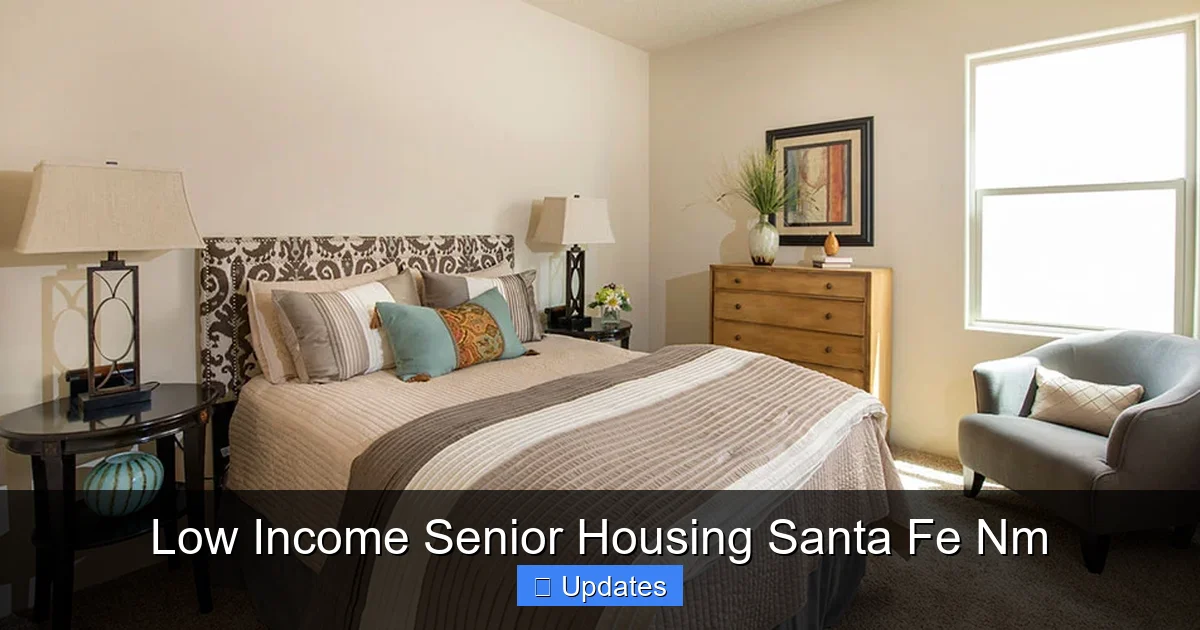
Visual guide about Low Income Senior Housing Santa Fe Nm
Image source: lowincomehousing.us
Not everyone automatically qualifies. There are clear guidelines to ensure resources go to those who need them most.
First, you must be at least 62 years old. Some newer developments accept younger disabled individuals, but age is the primary requirement.
Second, your income must fall within the program’s limits. For Santa Fe public housing, that’s typically 50% of the area median income. As of 2024, that means:
| Household Size | Max Annual Income |
|—————-|——————-|
| 1 person | $29,600 |
| 2 people | $33,800 |
| 3 people | $38,000 |
These numbers change slightly each year based on inflation and HUD updates.
Third, you can’t own too much in assets—usually capped at $5,000 for an individual (excluding your primary home and car).
Finally, you’ll need to pass a background check and agree to abide by lease terms.
It sounds strict, but the system is designed to prevent fraud and ensure fairness. If you’re unsure whether you qualify, contact Santa Fe County Aging & Adult Services. They offer free screenings and can explain your options without judgment.
Special Considerations for Veterans and Native Americans
Veterans may qualify for additional housing benefits through the VA. Programs like HUD-VASH combine rental assistance with case management—perfect for seniors who served.
Native American elders can access culturally appropriate housing through tribal programs or the Indian Health Service. In northern New Mexico, pueblo communities often have their own housing authorities offering subsidized units.
Top Low Income Senior Housing Options in Santa Fe, NM
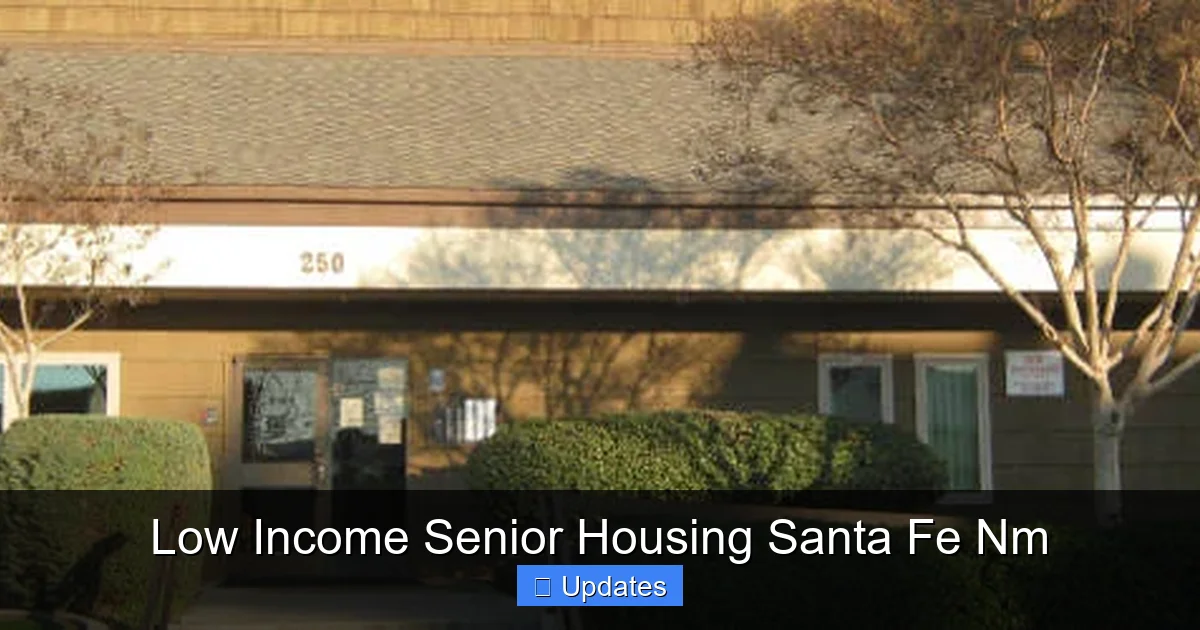
Visual guide about Low Income Senior Housing Santa Fe Nm
Image source: lowincomehousing.us
Now let’s look at actual places where you might end up living. Keep in mind: availability changes fast, and many have waitlists longer than two years. Still, knowing your options helps you plan ahead.
1. Santa Fe Housing Authority Public Housing
The City of Santa Fe Housing Authority operates several low-rise apartment complexes for seniors. Buildings include:
– Camino del Monte Apartments: Located near downtown, this 40-unit complex offers studio and one-bedroom units. Utilities (water, trash) are included. Residents pay 30% of their adjusted income as rent.
– La Casa de los Niños II: Though named after a childcare center, this building has 30 senior-only units with ADA-compliant bathrooms and community rooms.
Application is done online via the PHA portal. Wait time averages 18–24 months.
2. Presbyterian Medical Services (PMS) Elderly Housing
PMS runs affordable senior housing with on-site health clinics. Their San Mateo Village includes:
– 60 independent living units
– Weekly housekeeping
– Access to nursing and therapy services
– Transportation to medical appointments
Income limits align with HUD standards. PMS also provides help filling out applications and connecting to SNAP or Medicare Savings Programs.
3. El Porvenir Community Center Housing Program
El Porvenir serves Hispanic seniors and offers bilingual staff. Their housing initiative partners with local landlords to secure subsidized units across Santa Fe. Services include:
– Case management
– Nutritious meal delivery (Meals on Wheels)
– Social activities
This program is ideal for Spanish-speaking residents who value cultural connection.
4. Section 202 Supportive Housing for the Elderly
Funded directly by HUD, Section 202 properties provide housing plus optional supportive services. In Santa Fe, Monte Vista Senior Housing is a prime example:
– 48 units with private kitchens and baths
– Emergency response system in every unit
– On-site manager and maintenance team
Applicants must demonstrate limited ability to live independently (e.g., difficulty managing medications or cooking). But even if you don’t need daily help, you can still apply—it just depends on vacancy.
5. Nonprofit and Faith-Based Developments
Groups like Catholic Charities and St. John’s United Methodist Church offer subsidized apartments through donated land or grants. These tend to have smaller waitlists than city-run programs but fewer units overall.
For instance, St. Vincent de Paul Village has 20 affordable senior units with a garden courtyard and weekly chapel services.
How to Apply for Low Income Senior Housing in Santa Fe
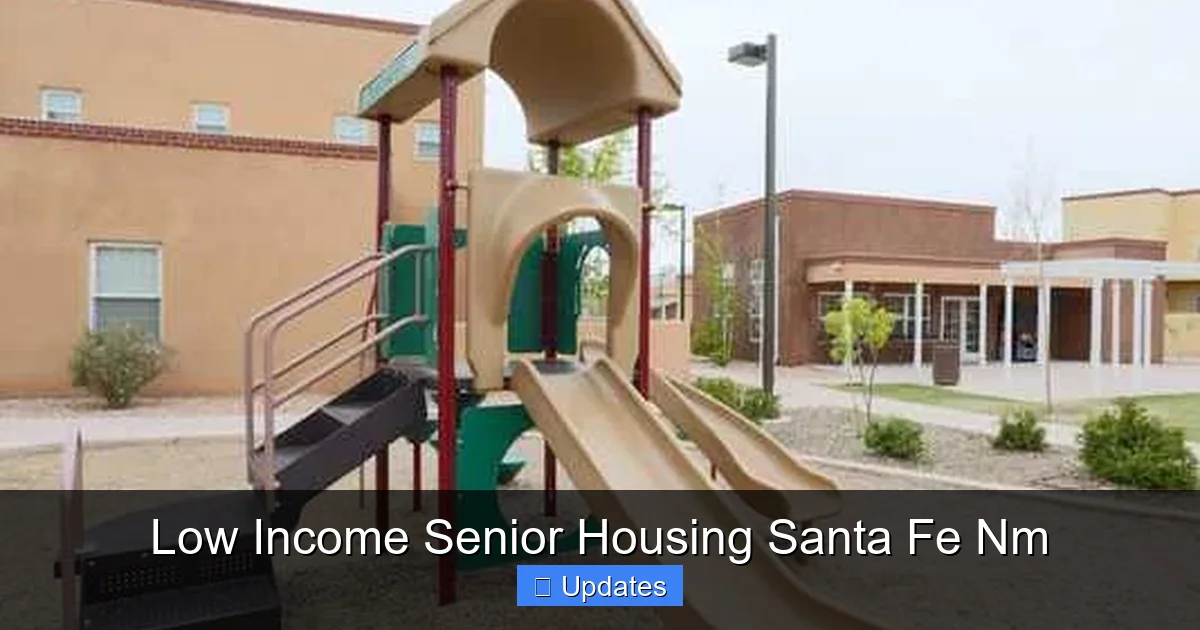
Visual guide about Low Income Senior Housing Santa Fe Nm
Image source: publichousing.com
The application process can feel intimidating—but it doesn’t have to be. Here’s what to expect:
Step 1: Gather documents
You’ll need proof of age (birth certificate), income (Social Security statements, pension stubs), ID, and residency in Santa Fe County.
Step 2: Submit your application
Most programs use centralized waiting lists managed by New Mexico’s Housing Choice Initiative. Visit nmhousingchoice.org to create an account and apply to multiple properties at once.
Step 3: Attend orientation
If selected from the waitlist, you’ll attend an orientation session. Bring extra copies of your documents and ask questions!
Step 4: Undergo screening
This includes credit check, criminal background, and landlord references (if applicable).
Step 5: Sign the lease
Once approved, you’ll sign a one-year renewable lease agreeing to pay 30% of income as rent.
Pro tip: Apply early and often. Some programs allow joint applications, so encourage family members to apply together if eligible.
Common Mistakes to Avoid
– Waiting until you’re homeless to apply
– Not updating your income annually
– Applying only to one property
– Missing document deadlines
Remember: persistence pays off. Many seniors report getting into housing after being on a list for over two years—but it happened.
Support Services Beyond Housing
Affordable housing isn’t just about four walls. In Santa Fe, many programs bundle housing with other critical services:
– Transportation: Dial-a-Ride offers free rides for seniors 60+ within city limits.
– Meal programs: Meals on Wheels delivers hot lunches five days a week; congregate meals are served at senior centers.
– Healthcare navigation: Case managers help enroll in Medicaid, Medicare Savings, and prescription discount programs.
– Legal aid: New Mexico Legal Aid assists with eviction prevention and benefit appeals.
These extras can save hundreds of dollars monthly and reduce stress.
Community Resources You Should Know About
– Santa Fe County Aging & Adult Services: Offers application workshops, benefit counseling, and volunteer companionship. Phone: (505) 986-6800.
– Nutrition Services: Operated by Presbyterian Medical Services—call (505) 424-2100 to enroll.
– Veterans Affairs Supportive Housing (HUD-VASH): Contact the VA Southern NM Healthcare System at (505) 923-6868.
Don’t hesitate to reach out. Staff at these agencies see this work every day and genuinely want to help.
Alternatives When Traditional Housing Isn’t Available
What if you’re stuck on a waitlist for years? Don’t lose hope. Several creative solutions exist:
– Shared housing: Partner with another senior through platforms like Roommates4Seniors.com.
– Co-housing communities: Places like Sunrise Cohousing offer private units with shared meals and activities—often at lower rates than assisted living.
– Assisted living with sliding scale fees: While not always “low income,” some facilities negotiate reduced rates based on need.
– Rent-controlled units: Check with the City of Santa Fe about inclusionary zoning developments.
Also consider relocating temporarily to nearby towns like Espanola or Los Alamos, where waitlists are shorter.
Final Thoughts: Hope Is Real in Santa Fe
Yes, finding low income senior housing in Santa Fe, NM takes time and effort. But it’s absolutely possible. Thousands of seniors already live comfortably thanks to these programs. And with the right preparation, you can too.
Start by calling Santa Fe County Aging & Adult Services. Ask for a benefits counselor. Let them walk you through your options. Then, take action—submit that application, gather those papers, and stay patient.
Remember: this is your home. You deserve dignity, safety, and peace of mind. Santa Fe’s community cares deeply about its elders, and there are people ready to help you thrive.
Frequently Asked Questions
What is the income limit for low income senior housing in Santa Fe?
The income limit is generally 50-80% of Santa Fe County’s area median income. For a single person, that’s around $29,600 per year as of 2024. Exact amounts vary by household size and program.
Do I need to be disabled to qualify?
No. Most low income senior housing requires applicants to be 62 or older, regardless of disability status. However, some programs prioritize disabled seniors or offer enhanced services for them.
How long are the waitlists?
Waitlists typically range from 18 months to over 2 years. Some newer developments have shorter waits, but demand is high. Applying to multiple programs increases your chances.
Can I bring my pet?
Many senior housing complexes allow pets under 25 pounds with a deposit. Policies vary—check the specific property’s rules before applying.
Are utilities included?
In most cases, yes. Public housing and Section 202 properties include water, trash, and sometimes electricity. Always confirm during the application process.
What if I move out of state?
You’ll need to notify the housing authority and return the unit. Some programs allow portability to other states, but that’s rare. Plan ahead if relocation is possible.