
Low Income Senior Housing Olathe Ks


Leg Massager for Circulation

GPS Tracker for Elderly
Electric Mobility Scooter
Finding low income senior housing in Olathe, Kansas can provide peace of mind for aging adults on fixed incomes. With rising living costs and limited retirement savings, many seniors struggle to afford safe, accessible housing. Fortunately, Olathe offers several government-assisted and nonprofit-supported housing programs designed specifically for low-income seniors. This guide walks you through available options, eligibility requirements, application tips, and local support services—so you or your loved one can find a welcoming place to call home.
Finding a safe, affordable, and comfortable place to live as a senior shouldn’t feel overwhelming—especially when you’re on a tight budget. In Olathe, Kansas, a growing number of older adults face this challenge daily. Rising rent prices, shrinking Social Security benefits, and increased medical expenses make it hard for many seniors to keep up with housing costs. But the good news? You don’t have to navigate this alone.
Olathe offers several dedicated programs and facilities that provide low-income senior housing with rent subsidies, supportive services, and community connections. Whether you’re looking for a studio apartment near medical centers or a one-bedroom unit close to family, there are resources tailored to your needs. Let’s explore what’s available right here in Johnson County.
Key Takeaways
- Olathe has multiple low-income senior housing options: These include HUD-funded apartments, nonprofit developments, and subsidized units managed by local organizations.
- Eligibility is based on income and age: Most programs require applicants to be 62+ and earn below 50% of the area median income (AMI) for Johnson County.
- Waiting lists are common: Due to high demand, many Olathe senior housing communities operate waiting lists—sometimes lasting months or years.
- Support services vary by property: Some offer meals, transportation, health screenings, or social activities—helping residents maintain independence.
- Local nonprofits can help with applications: Groups like Olathe Housing Authority and Johnson County Area Agency on Aging assist seniors through the process.
- Alternative nearby cities may have faster access: If Olathe’s waitlists are too long, consider nearby Overland Park or Lenexa, which also offer subsidized senior housing.
📑 Table of Contents
- Understanding Low-Income Senior Housing in Olathe
- Who Qualifies for Low-Income Senior Housing in Olathe?
- Top Low-Income Senior Housing Options in Olathe, KS
- How to Apply for Low-Income Senior Housing in Olathe
- Support Services Available for Olathe Seniors
- Tips for Maximizing Your Chances of Getting Into Low-Income Senior Housing
- The Future of Affordable Senior Housing in Kansas
Understanding Low-Income Senior Housing in Olathe
Low-income senior housing refers to residential properties specifically designed for adults aged 62 and older who earn less than 80% of their area’s median income. In Olathe, these homes are often funded by federal programs like Section 202 Supportive Housing for the Elderly or administered through the U.S. Department of Housing and Urban Development (HUD). The goal is simple: ensure every senior has access to dignified, secure, and affordable living spaces.
Unlike market-rate apartments, these properties offer reduced rents based on individual income levels. For example, if your monthly income is $1,800, your rent might only be $300—not because the building is cheap, but because it’s legally required to charge what you can afford. This model helps prevent homelessness among vulnerable seniors and reduces financial stress.
In Olathe, most low-income senior housing falls into two main categories:
– **Publicly subsidized apartments**: Managed by agencies like the Olathe Housing Authority, these complexes accept HUD vouchers or project-based assistance.
– **Nonprofit-run communities**: Organizations such as Volunteers of America or Habitat for Humanity partner with developers to build or renovate affordable units exclusively for seniors.
Both types typically include basic amenities like heat, water, trash removal, and emergency maintenance—but availability is limited due to funding constraints.
Who Qualifies for Low-Income Senior Housing in Olathe?

Visual guide about Low Income Senior Housing Olathe Ks
Image source: lowincomehousing.us
Not everyone over 62 automatically qualifies for subsidized housing. Eligibility depends on three key factors: age, income, and residency. Here’s how it breaks down:
Age Requirement: Applicants must be at least 62 years old. Some newer developments allow younger disabled individuals under 62 if they meet disability criteria verified by a physician.
Income Limits: Your total household income (including pensions, Social Security, part-time work, etc.) must fall below specific thresholds set annually by HUD. As of 2024, the maximum allowed in Olathe for a one-person household is approximately $39,200 per year ($3,267/month). Larger households have slightly higher limits—but still well below the city’s average income.
Residency Rules: While Olathe itself doesn’t enforce strict residency requirements, most housing authorities prioritize applicants who live or plan to live within Johnson County. Proof of current address or intent to relocate may be requested during screening.
It’s important to note that assets (like bank accounts or vehicle values) are usually not counted toward income limits unless they generate significant passive income. However, extremely high asset holdings could disqualify someone from certain programs.
If you’re unsure whether you qualify, contact the Johnson County Area Agency on Aging. Their case managers can review your situation confidentially and recommend next steps.
Top Low-Income Senior Housing Options in Olathe, KS
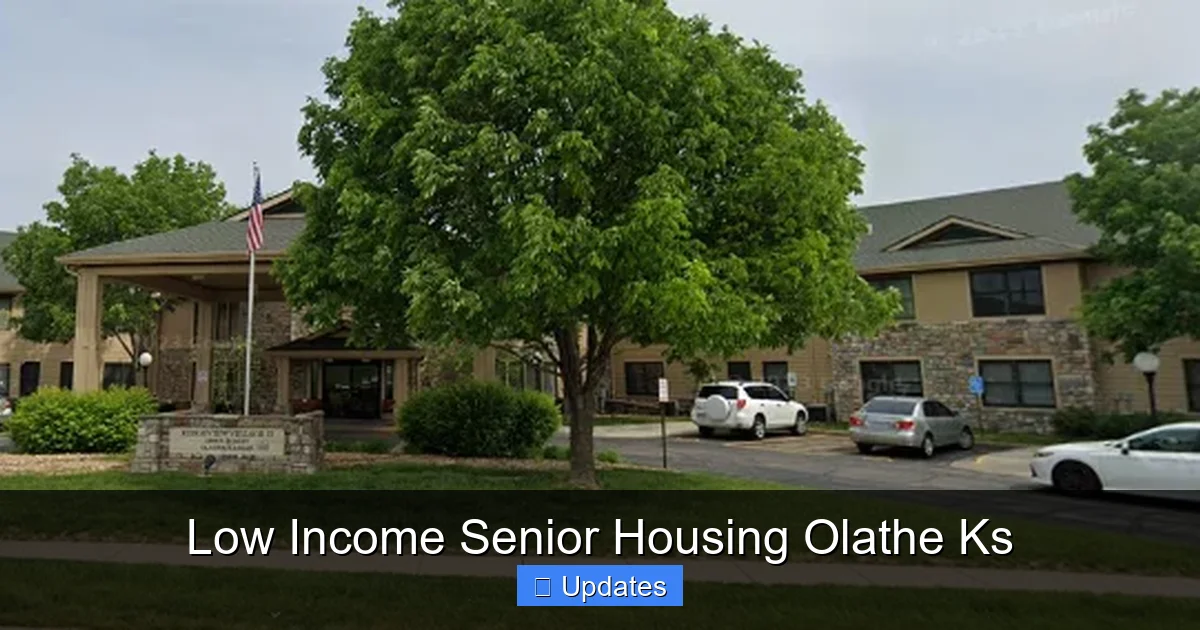
Visual guide about Low Income Senior Housing Olathe Ks
Image source: lowincomehousing.us
While Olathe itself has fewer large-scale senior housing developments compared to bigger cities, several quality options exist—both inside city limits and in surrounding suburbs. Below are some of the most reliable choices currently accepting new applicants or planning openings:
1. The Commons at Prairie Wind
Located just south of Olathe in Overland Park, this 120-unit complex specializes in independent living for seniors earning under 60% AMI. Units range from studios to two-bedrooms, all featuring full kitchens, walk-in showers, and accessibility upgrades. On-site services include weekly housekeeping, scheduled transportation to shopping centers, and biweekly health fairs. Rent starts around $450/month for a studio. Waitlist status: Active (estimated wait: 8–14 months).
2. Olathe Senior Apartments (OSA)
Operated by the Olatha Housing Authority, OSA offers 75 affordable units across three buildings downtown. All residents pay no more than 30% of their adjusted gross income toward rent. Common areas include a library, exercise room, and outdoor patio. Utilities (electricity, internet) are included in base rent. Priority goes to veterans and those with documented mobility challenges. Current waitlist length: About 10 months.
3. Sunrise Village
This faith-based nonprofit development sits east of I-35 in nearby Lenexa. With 60 units and an active social calendar (book clubs, movie nights, bingo), Sunrise Village emphasizes community engagement. Residents benefit from meal plans starting at $12/day, medication reminders, and volunteer-led wellness checks. Income limit: $38,000/year. Open waitlist; accepts applications quarterly.
4. Johnson County Assisted Living Referral Network
Though not a physical property, this resource connects seniors with vetted assisted living facilities that offer sliding-scale pricing. Many participating communities reserve beds for low-income clients through state waivers. Contact them at (913) 715-2300 to discuss options that balance cost and care level.
Remember: Availability changes frequently. Always verify current occupancy and waitlist details directly with each provider before beginning an application.
How to Apply for Low-Income Senior Housing in Olathe
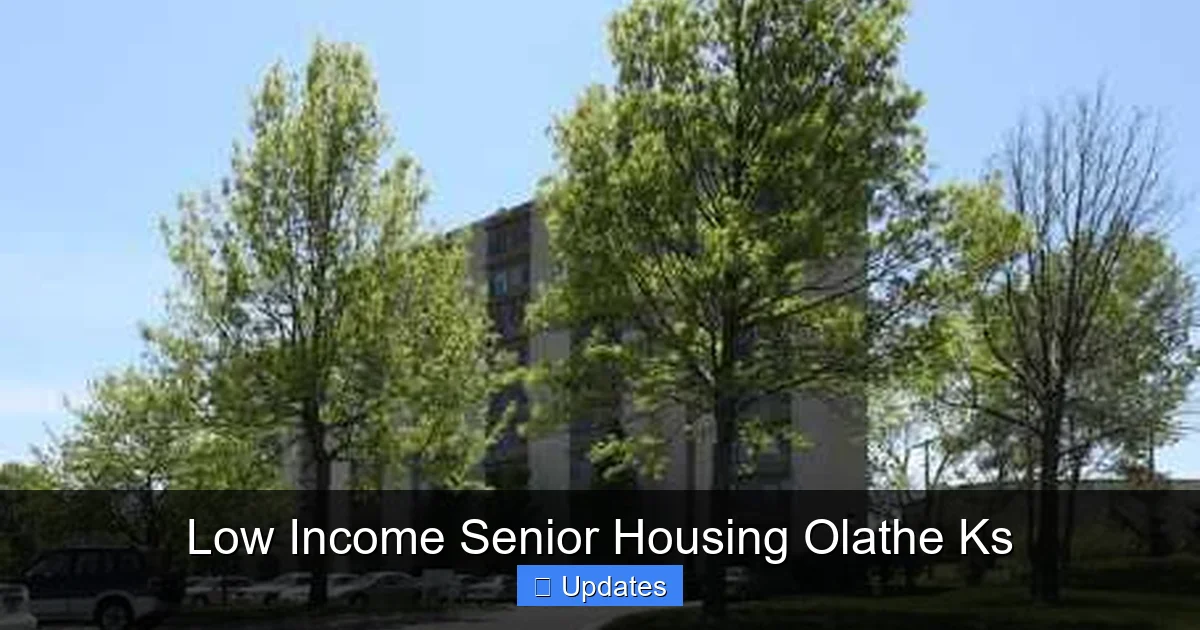
Visual guide about Low Income Senior Housing Olathe Ks
Image source: lowincomehousing.us
The application process varies slightly between providers, but generally follows these steps:
Step 1: Confirm Eligibility
Gather recent pay stubs, tax returns, bank statements, and proof of age/residency. If receiving SSI/SSDI, bring award letters.
Step 2: Complete Intake Form
Most properties use standardized forms available online or at local senior centers. Include emergency contacts, medical conditions, and any special needs (e.g., wheelchair ramp access).
Step 3: Attend Interview & Home Visit
Expect a brief interview with staff to assess compatibility. Some complexes require a home visit to evaluate safety hazards (loose rugs, poor lighting).
Step 4: Submit Documentation
Mail or drop off required papers at designated offices. Processing takes 4–6 weeks.
Step 5: Wait & Follow Up
Stay proactive! Call monthly to check progress. If placed on multiple waitlists, notify all parties immediately upon selection.
Pro tip: Bring a friend or family member to interviews—they can take notes and ask questions you might forget. Also, dress neatly and arrive early—first impressions matter!
Many Olathe-area churches and libraries host free application workshops every third Thursday. Check with places like St. Thomas Aquinas Catholic Church or the Olathe Public Library for upcoming dates.
Support Services Available for Olathe Seniors
Beyond affordable rent, true senior housing provides holistic support. In Olathe and Johnson County, expect access to:
– **Transportation Assistance**: Free rides to doctors, grocery stores, or community events via county-sponsored shuttles.
– **Nutrition Programs**: Meals delivered to your door (Meals on Wheels) or congregate dining halls offering low-cost lunches.
– **Health Outreach**: Flu shots, blood pressure checks, and chronic disease management clinics hosted monthly at senior centers.
– **Social Activities**: Arts & crafts, card games, gardening groups—all designed to combat isolation.
– **Legal Aid**: Free consultations with attorneys specializing in elder law (wills, Medicaid planning, fraud protection).
These extras aren’t guaranteed at every property, but many Olathe developments actively partner with nonprofits to deliver them. Ask during tours which services are included.
Tips for Maximizing Your Chances of Getting Into Low-Income Senior Housing
Competition is fierce. To improve your odds:
– **Apply Early and Often**: Don’t wait until you’re desperate. Start gathering documents now.
– **Target Multiple Properties**: Increase your pool. Even if Olathe feels small, nearby Overland Park and Lenexa have robust inventories.
– **Volunteer Locally**: Some housing boards reward community involvement with priority points.
– **Stay Organized**: Track deadlines, emails, and follow-up calls in a binder or digital folder.
– **Be Honest but Strategic**: Mention urgent needs (e.g., “I rely on dialysis treatments twice weekly”) to justify expedited processing.
Also, avoid scams! Legitimate housing authorities never demand cash payments or require upfront fees. If someone asks for money during the application phase, report them to the Better Business Bureau.
For more guidance, revisit our detailed article on how to qualify for low-income senior housing nationwide. It covers universal strategies applicable here in Olathe.
The Future of Affordable Senior Housing in Kansas
Kansas faces a looming senior housing shortage. By 2030, over 30% of Johnson County residents will be 65+. Yet construction of new affordable units lags behind demand. State legislators recently proposed Bill 452, which would allocate $10 million over five years to incentivize private developers to build senior-friendly apartments. If passed, this could open dozens of new Olathe units within three years.
Meanwhile, grassroots efforts continue. Local nonprofits like Senior Advocates of Johnson County lobby for policy changes and host fundraising galas to expand existing facilities. Community gardens, intergenerational programs, and tech literacy classes further enrich life for current residents.
Staying informed means attending city council meetings, signing up for newsletters from the Olatha Housing Authority, and connecting with advocacy groups. Your voice matters—especially when shaping policies that affect thousands of seniors like yourself.
Frequently Asked Questions
Is there a waiting list for low-income senior housing in Olathe?
Yes, most Olathe-affiliated low-income senior housing programs maintain active waiting lists due to high demand. Estimated wait times range from 6 to 18 months depending on the property and applicant category. Being on multiple waitlists increases your chances of securing placement sooner.
Can I apply for senior housing if I own my car or have savings?
Owning assets like a car or having savings generally doesn’t disqualify you—as long as your annual income remains below the threshold. However, very high-value assets (e.g., second homes generating rental income) may impact eligibility for certain HUD-backed programs.
Are pets allowed in low-income senior housing in Olathe?
Pet policies vary by building. Many Olathe senior complexes allow small dogs or cats with weight restrictions and vaccination records. Service animals are always permitted regardless of breed or size. Always confirm pet rules before submitting an application.
Do I need to be a U.S. citizen to qualify?
No, lawful permanent residents and qualified non-citizens can apply for most low-income senior housing programs. Proof of legal status (green card, I-94 form) is required during documentation submission.
What if I need memory care or assisted living instead of independent living?
Some Olathe-area properties offer transitional care or contract with nearby assisted living facilities for residents needing extra help. Contact the Johnson County Assisted Living Referral Network at (913) 715-2300 to explore hybrid options that match your care level and budget.
How often do income limits change for Olathe senior housing?
Income limits are updated annually by HUD based on inflation and regional economic shifts. Typically, adjustments occur in late spring. Always use the latest figures when applying—even if you applied last year.